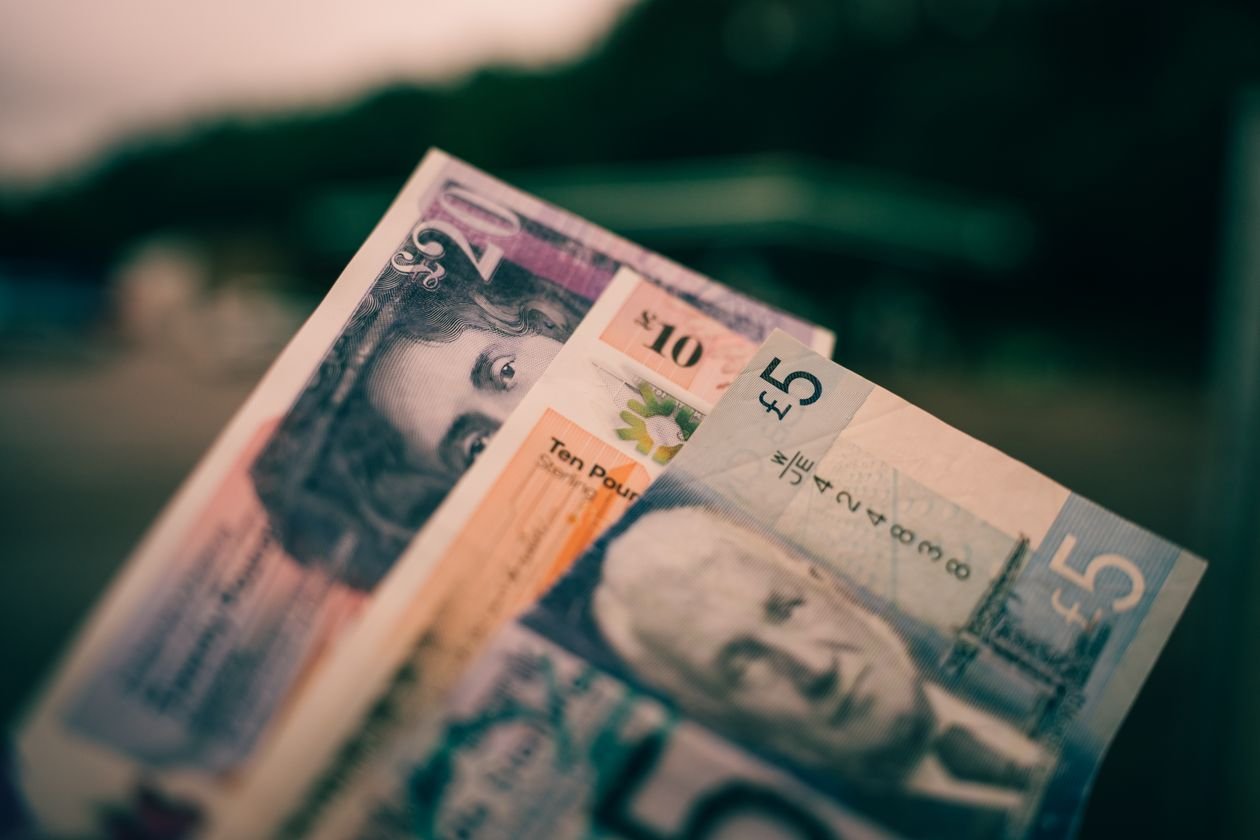
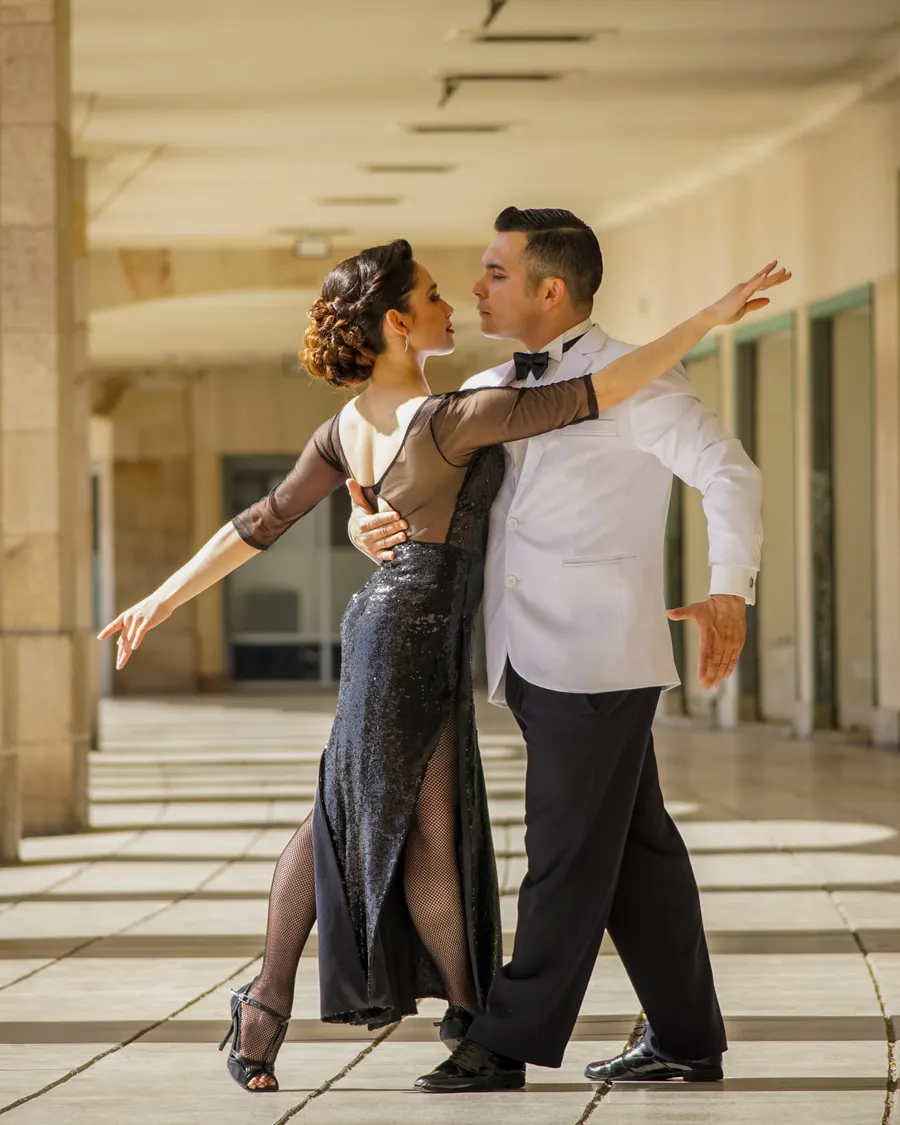
Every autumn, millions of viewers tune in to watch famous faces trade their day jobs for sequins and spray tans. But behind the glitter, one question keeps popping up in search bars across Britain: how much do Strictly Come Dancing contestants get paid 2026? With a brand new presenting line up and a fresh cast taking to the ballroom floor this year, the money behind the magic is back in the spotlight.
The short answer is that every celebrity starts on the same flat fee, and the longer they survive, the more they earn. The exact numbers are never published by the BBC, but years of reporting have built up a clear picture of the Strictly pay scale. In this guide, we break down the 2026 figures, explain why the fees work the way they do, and compare Strictly pay with what the professional dancers and judges take home.
The Strictly 2026 Pay Scale in Plain Numbers
Unlike many reality shows, where stars negotiate wildly different deals, Strictly keeps things simple at the start. Reports consistently suggest that every celebrity contestant in 2026 begins on a flat fee of around £25,000. It does not matter whether you are a soap legend, a pop star, or a sports hero. The starting pay is the same for everyone who signs up.
This standard fee is unusual in television, and it is one of the reasons Strictly has such a loyal following among agents and managers. There is no bidding war, no awkward haggling, and no risk of one star discovering they were paid half as much as their dance partner. The BBC sets the rate, and every contestant takes it or leaves it.
The Standard Starting Fee
The £25,000 starting fee covers the full commitment of appearing on the show, including the pre series training weeks, the launch show, and the first live performances. For some celebrities, that is a modest sum compared with what they could earn from a few weeks of personal appearances or sponsored posts. For others, particularly newer faces, it is a very healthy payday.
It is worth remembering that the fee is only part of the financial story. Contestants who become audience favourites often see their commercial value rise sharply after the show, with pantomime roles, presenting gigs, and brand deals following in the new year. The starting fee opens the door to far bigger earnings.
How the Fee Rises Round by Round
Here is where the pay scale gets interesting. The longer a contestant stays in the competition, the more the BBC pays them. Surviving the first few weeks reportedly lifts the fee from £25,000 to around £40,000, which rewards the extra weeks of gruelling rehearsals and live shows.
Celebrities who make it through to the business end of the series see their pay climb further still. Quarter finalists have reportedly earned around £60,000 in past series, while those who reach the final are said to take home roughly £75,000. The winner gets the famous Glitterball Trophy rather than a separate cash prize, so the real reward for the champion is the fee they have built up week by week plus the career boost that follows.
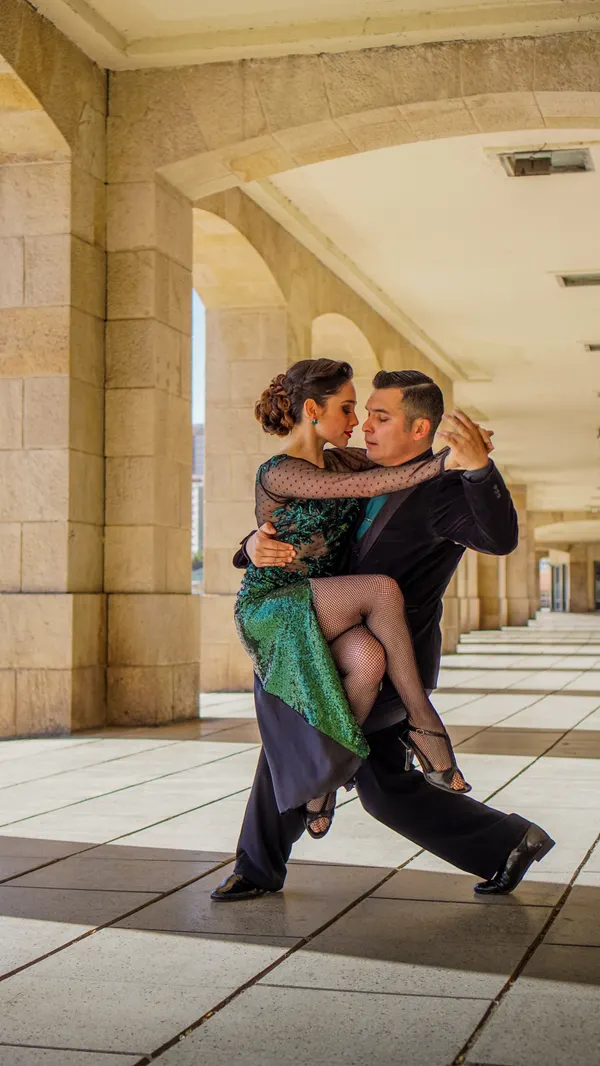
Why Every Celebrity Earns the Same Starting Fee
The flat fee policy is a deliberate choice by the BBC, and it makes sense once you look at how the show works. Strictly is filmed over several months, and rehearsals can swallow eight hours a day, six days a week. A complicated sliding scale of fees would create endless arguments about who deserves what, and it would distract from the dancing.
A single starting rate also protects the show from accusations of favouritism. Every contestant knows exactly where they stand from day one, and the only way to earn more is to keep dancing well enough to stay in the competition. In a show built on public voting and judges scores, that feels fair to viewers too.
There is a practical benefit for the production team as well. With a cast of around fifteen celebrities each year, a fixed fee structure makes budgeting straightforward. The BBC knows its total talent bill for the series before the first camera rolls, which matters for a publicly funded broadcaster that has to justify every pound it spends.
Strictly 2026 Compared with Other Reality Shows
Strictly pay looks generous next to many other reality formats, but it is modest compared with the biggest celebrity vehicles on television. On some shows, stars negotiate individual appearance fees that can run into hundreds of thousands of pounds, with the biggest names commanding sums that dwarf the entire Strictly cast budget.
For comparison, reports suggest that appearance fees on celebrity reality shows in the United States can also vary enormously from one contestant to the next, with some stars earning far more than their castmates for the same number of episodes. You can read our breakdown of what Traitors US contestants earn to see how a very different pay model works across the Atlantic.
Strictly sits in the middle ground. The fees are solid and dependable rather than spectacular, but the show offers something money cannot buy: months of prime time exposure to a huge, loyal, family audience. For many celebrities, that exposure is worth far more than the fee itself.
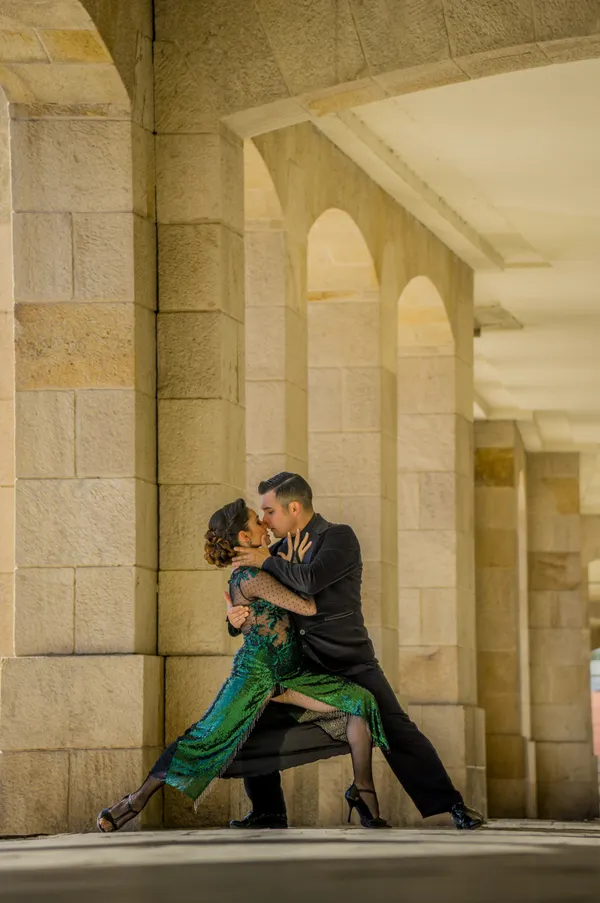
What About the Professional Dancers and Judges
The celebrities are only half the story. The professional dancers who teach them, partner them, and perform the show stopping group routines are the backbone of Strictly, and their pay reflects years of elite training.
Professional Dancer Salaries
Reports suggest that Strictly professional dancers earn a flat fee of between £35,000 and £50,000 per series. The exact figure is thought to depend on experience, with long serving pros at the top of the range and newer dancers starting lower. On top of the series fee, many pros earn extra income from the Strictly live tour, which runs in arenas across the country in the first half of the following year.
When you consider the workload, the fee starts to look like good value for the BBC. The pros choreograph routines, train complete beginners from scratch, perform live every Saturday, and rehearse for hours every day for months. Few television jobs demand that combination of athletic, artistic, and teaching skill.
Judge Salaries
The judging panel is where the biggest salaries on Strictly are found. The judges are established stars in their own right, and their fees reflect that. Head judge Shirley Ballas is widely reported to be the highest paid member of the panel, with a salary said to be in the region of £500,000 per series.
The other judges are also reported to earn comfortable six figure sums, with long standing favourites commanding fees that reflect their years of service and popularity with viewers. Presenting the show is similarly lucrative, with the main hosts historically earning high six figure salaries for the series.
The Hidden Costs Behind the Pay Cheque
A £25,000 fee sounds straightforward, but the reality of appearing on Strictly comes with costs that eat into the headline figure. Contestants typically pause other work for the duration of the series, which can mean turning down lucrative appearances, tours, or filming commitments. For a busy performer, the opportunity cost of three months in the rehearsal studio can be significant.
There are also the less obvious expenses. While costumes for the live shows are provided, contestants often invest in extra fitness training, physiotherapy, and dance coaching outside the official rehearsal hours to keep up. Travel and accommodation costs for those based far from the studios add up over a long series, although the production does cover some of these.
Then there is the famous Strictly curse to consider, not as a financial cost exactly, but as a reminder that the show puts personal lives under intense scrutiny. Every contestant weighs up whether the fee and the fame are worth months of tabloid attention, and for most of them, the answer is clearly yes.
Do Contestants Keep All of the Money
Like any self employed performer, Strictly celebrities do not simply pocket the full fee. Agents typically take a commission of around ten to twenty percent, and the income is taxable in the usual way. For higher rate taxpayers, a large chunk of the fee goes to HMRC, which is why good financial planning matters for anyone with irregular television income.
Keeping careful records of income and expenses is essential for performers who earn appearance fees across different shows and tours. Our guide to keeping business receipts for tax in the UK explains how self employed people can stay organised and avoid trouble at tax return time.
Some contestants also choose to donate part of their fee to charity or use their Strictly platform to raise money for good causes, which has become a much loved tradition of the show. The feel good factor of the series extends well beyond the ballroom.
Is Strictly Worth It for the Money Alone
If you look at the numbers in isolation, the Strictly 2026 pay scale is respectable rather than life changing. A starting fee of £25,000 rising to £75,000 for a finalist is a solid few months work, but it is not the kind of money that transforms a celebrity career on its own.
The real value lies in what comes after. Former contestants regularly describe Strictly as the best career move they ever made, opening doors to presenting roles, stage tours, book deals, and a lasting place in the affections of the British public. The fee gets them through the door, but the show itself is the prize.
For viewers, the transparent pay structure is part of the charm. Knowing that every dancer starts equal and earns more only by surviving makes the competition feel fair, and it keeps the focus where it belongs: on the dancing.
Frequently Asked Questions
How much do Strictly Come Dancing contestants get paid in 2026?
Reports suggest every celebrity starts on a flat fee of around £25,000. The fee reportedly rises to about £40,000 after the first few weeks, around £60,000 for quarter finalists, and roughly £75,000 for those who reach the final.
Do all Strictly celebrities get paid the same?
Yes, at the start. The BBC pays every contestant the same flat starting fee regardless of fame. Pay only differs based on how long each celebrity survives in the competition.
Is there a cash prize for winning Strictly?
No. The winner receives the Glitterball Trophy rather than a separate cash prize. The champion keeps the appearance fee they have built up through the series, plus the career boost that comes with winning.
How much do Strictly professional dancers earn?
Professional dancers are reportedly paid a flat fee of between £35,000 and £50,000 per series, depending on experience. Many also earn extra from the Strictly live arena tour.
Who is the highest paid person on Strictly?
The judges earn the biggest salaries on the show. Head judge Shirley Ballas is widely reported to be the highest paid, with a salary said to be around £500,000 per series.