

Daniel is a marketing coordinator in Chicago. On a normal Tuesday he eats lunch at his desk. The lunch is big and carb heavy. It is a large sandwich, chips, a cookie and a sweet drink, eaten fast while he answers messages.
By 2pm the fog arrives. He reads the same email three times and still misses the point. His eyes feel heavy. He reaches for another coffee, then another. The coffee helps for a short while. That night he lies awake, and the next afternoon feels worse.
If that pattern sounds familiar, this guide explains how to stop feeling tired after lunch at work without a strict diet or a new gadget. The dip has three main causes. Part of it is your body clock. Part of it is lunch and sleep choices. Part of it is a still, dim afternoon at a desk.
You will learn what is happening in the post lunch dip, which lunch choices help, how a short walk and bright light can reset the afternoon, when caffeine helps and when it hurts, and how sleep and morning habits feed the afternoon. You will also get a simple afternoon plan you can repeat on busy days. This is general information, not medical advice. If tiredness is persistent, severe or comes with other symptoms, see a clinician.
Why the Post Lunch Dip Happens at Work
The afternoon slump at work is common, and it is not a sign that you are lazy. Most adults feel a natural dip in alertness in the early afternoon. Lunch can make that dip deeper. So can short sleep, low light and hours without moving. When those factors stack up, 2pm to 4pm can feel like wading through wet sand.
The body clock part you cannot switch off
Your body runs on a daily rhythm that rises in the morning, dips in the early afternoon and rises again later in the day. That early afternoon dip is built in. It shows up even on days when lunch is light. It is one reason meetings after lunch can feel slow even when the topic is interesting.
You cannot remove the dip completely. You can make it smaller. The goal is not to feel wired all afternoon. The goal is to stay clear enough to do good work, then finish the day without wrecking the night that follows.
The lunch part you can change
A very large lunch sends a lot of energy to digestion at once. A meal that is mostly refined carbs can also bring a fast rise in blood sugar, followed by a fall that leaves you hungry and foggy again. That rise and fall is a common driver of the post lunch crash, and it is the part you can change fastest.
Size matters as much as food choice. A huge plate eaten in ten minutes is harder on afternoon energy than a moderate plate eaten slowly. Speed matters too. Eating fast gives your body little time to register fullness, so you eat more and feel heavier after.
Sleep, light and sitting still also play a part
Short sleep the night before makes the afternoon dip deeper. So does a dark office. Bright light in the morning and early afternoon helps your body clock stay on track. Dim light tells the brain that the day is winding down, even when work is not.
Sitting still for hours adds to the problem. Movement wakes up muscles, improves blood flow and gives the brain fresh signals. A desk day with no walk, no stretch and no change of view is almost designed to produce a food coma after lunch feeling, even when the meal itself was reasonable.
How to Stop Feeling Tired After Lunch at Work With a Lighter Lunch
Start with lunch, because lunch is the lever you control every workday. You do not need to skip lunch or eat only salad. You need a lunch that keeps you full and steady, without the heavy crash that follows a huge carb heavy meal.
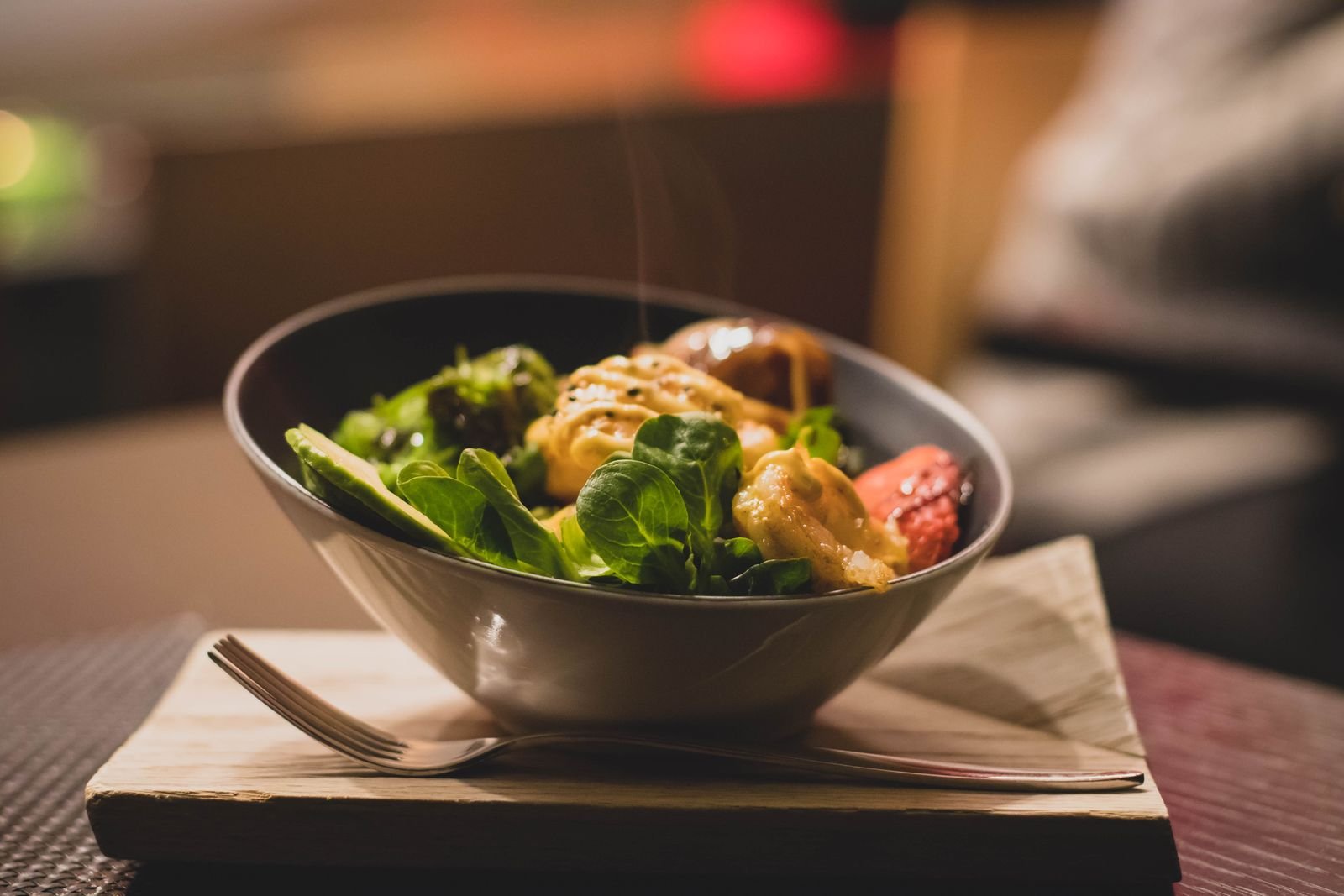
Think in three parts. Protein to keep you full. Fiber and vegetables to slow digestion. A moderate portion of carbs for steady energy, not a mountain of them. That mix is simple, it travels well, and it works for takeout, leftovers and meal prep alike.
Build a protein forward plate
Protein slows the speed at which a meal is digested, and it helps you feel full for longer. Aim for a clear protein source at lunch, not just a little cheese or a thin slice of meat on a large roll. Chicken, turkey, fish, eggs, tofu, beans or Greek yogurt all work. Pick the one you will actually eat and enjoy.
Add vegetables without making the meal a chore. A handful of greens, cucumber, peppers, carrots or a side salad adds fiber and volume. Fiber helps steady blood sugar and keeps the meal from feeling like a brick in your stomach. Olive oil, nuts or avocado in a modest amount add flavor and staying power.
A useful test is the plate test. Half the plate is vegetables or salad. A quarter is protein. A quarter is carbs such as rice, bread, pasta or potato. If the carb quarter has grown to cover the whole plate, the afternoon will usually tell you about it.
- Grilled chicken or tofu with brown rice, greens and cucumber
- Tuna or chickpea salad with beans, tomatoes and whole grain bread
- Egg and vegetable bowl with sweet potato and a simple dressing
- Turkey and avocado wrap with a side of fruit and water
- Leftover roast vegetables with beans, rice and a fried egg
Keep carbs steady instead of cutting them out
Cutting out carbs completely often backfires. You feel deprived at lunch, snack hard at 3pm and eat a huge dinner. The smarter move is to keep carbs, but choose slower ones and keep the portion moderate. Brown rice, oats, whole grain bread, beans and sweet potato release energy more slowly than white bread, chips and sweet drinks.
Watch the sweet drink. A large sweet coffee drink or soda can add as much sugar as dessert, and it is easy to drink fast without noticing. Water, sparkling water or unsweetened tea with lunch is a kinder choice for afternoon energy. If you love a sweet drink, have a small one and pair it with protein and fiber, not on an empty stomach.
Save dessert for later if you want it. A cookie right after a huge lunch adds to the crash. A small sweet treat an hour later, after a walk, often feels better and is easier to enjoy. The point is timing and portion, not guilt.
Lunch habits that make the dip worse
Eating at the desk while working is the most common trap. You eat fast, you eat more, and your brain never registers a break. Lunch becomes fuel shoveled in between messages, not a pause. The work is still there after, but you feel more tired than before.
Skipping lunch is the other trap. You run on coffee and willpower until 3pm, then eat whatever is closest. Hunger plus tiredness is a poor basis for food choices. A moderate lunch at a regular time beats a skipped lunch followed by a snack binge every time.
Try one change this week. Eat away from the screen for at least 15 minutes. Chew slowly. Put the phone face down. Notice when you feel comfortably full and stop there. That small pause often does more for the afternoon than any single food swap.
The Walk, Light and Water Reset That Beats More Coffee
Lunch is only half the fix. What you do in the 30 minutes after lunch matters just as much. A short walk, bright light and water form a reset that wakes the body gently. It is not a workout. It is a signal to the brain that the afternoon has started.
Walk for 10 minutes, outside if you can
A 10 minute walk after lunch is the single most reliable reset in this guide. Walk at an easy pace. Go outside if weather and safety allow. If you cannot get outside, walk the office halls, take the stairs once, or walk around the block near the building. Movement after a meal helps the body handle blood sugar more smoothly, and it breaks the long sit that makes fog worse.
Keep the walk short on purpose. Ten minutes is easy to repeat. Twenty minutes is better on some days, but a plan that needs 45 minutes will fail on busy days. Walk with a colleague if that helps you go, or walk alone and let your mind rest. Leave the phone in your pocket for most of the walk. Fresh air and a change of scene do part of the work.
Get bright light in the first hour after lunch
Light is a strong cue for alertness. Step near a window, sit in a bright room or take your walk in daylight. If your desk sits in a dark corner, that darkness can deepen the dip. A bright workspace in the early afternoon helps you stay alert without extra caffeine.
On dark winter days, turn on full room lights and open blinds fully. Face the window during a short break if you can. You do not need to stare at the sun. You need enough bright light to tell your body clock that it is still daytime and work is still happening.
Drink water before you reach for a second coffee
Many people drink little water in the morning, then wonder why the afternoon feels heavy. Mild dehydration can bring headache, dry mouth and low energy, and those symptoms blend into the post lunch dip. Drink a full glass of water with lunch and another glass in the early afternoon.
Keep water visible on your desk. A glass or bottle in sight is a reminder. Refill it when you stand up. If plain water bores you, add lemon, cucumber or mint. The goal is steady sipping, not a huge amount all at once. Water will not cure a bad night of sleep, but it removes one quiet cause of afternoon tiredness.

Caffeine Timing: Use Coffee Early, Stop It Early
Coffee is not the enemy. Bad timing is. A morning coffee can help focus. A late afternoon coffee can steal sleep, and poor sleep makes the next afternoon worse. That cycle is how Daniel ended up tired, wired and tired again.
Caffeine stays in the body for hours. A coffee at 4pm can still be active at bedtime for many people. If you sleep badly, you wake up groggy, drink more coffee, and the pattern repeats. Breaking the cycle starts with a cutoff, not with quitting coffee cold.
A simple caffeine rule for workdays
Keep caffeine to the morning and early afternoon. For most office workers, a cutoff around 2pm works well. Have your last coffee or tea with caffeine before that time. After the cutoff, switch to water, sparkling water or herbal tea without caffeine. If you need a warm drink, decaf coffee or a caffeine free herbal tea can give the ritual without the late hit.
Watch hidden caffeine too. Energy drinks, some teas, chocolate and some pain relief products all contain caffeine. Read the label if you use them in the afternoon. A small amount in the late afternoon may seem harmless, but it adds up when sleep is already fragile.
If you currently drink coffee all day, taper slowly. Cut the late cup first, keep the morning cup, and give the new pattern a full week. Headaches for a day or two are common when caffeine drops fast, so a slow taper is kinder and easier to keep. The payoff is better sleep, and better sleep is the deepest fix for the afternoon dip.
Sleep and Morning Habits That Feed the Afternoon
Afternoon energy is built the night before and in the first hour of the morning. No lunch trick can fully cover for a week of short nights. If you fix sleep, lunch and the walk work better. If sleep stays short, every afternoon will feel like an uphill climb.
Sleep enough, at regular times
Most adults need 7 to 9 hours of sleep. A regular wake time matters as much as a regular bedtime. When wake time jumps by two hours on weekends, Monday feels like jet lag. Keep wake time steady within an hour, even on days off, and the body clock settles into a calmer rhythm.
Protect the last hour before bed. Dim lights, put screens down or use a night mode, and keep the bedroom cool and dark. Avoid a large meal, alcohol and late caffeine close to bedtime. A short wind down routine, such as reading, stretching or a warm shower, tells the body that sleep is coming. Small steps repeated nightly beat a perfect routine used once.
Morning light, movement and a real breakfast
Morning light sets the body clock for the whole day. Open curtains as soon as you wake, eat breakfast near a window, or take a short walk outside before work. Ten minutes of morning daylight can improve alertness later in the day, and it helps the afternoon dip arrive later and feel smaller.
Move in the morning, even briefly. Stretch, walk to the train, or take the stairs. Movement wakes muscles and lifts mood. Eat a breakfast with protein, such as eggs, yogurt or peanut butter, plus fruit or whole grain food. A breakfast that is only sweet cereal or a pastry can start the same rise and fall cycle that lunch later repeats.
Desk Habits for the Foggy Hours
After the walk and the reset, the desk itself can help or hurt. The foggy hours reward simple tasks, clear priorities and small movements. They punish long stretches of hard focus with no break, a cluttered desk and a screen that never changes.
Plan the afternoon before lunch, not during the fog. Pick one main task for 1pm to 3pm and one lighter task for later. When you return from your walk, you should not have to decide what matters. The decision is already made, and you can start while energy is still returning.
Use a simple priority sort for that plan. How to Prioritize Tasks Using the Eisenhower Matrix shows how to separate urgent work from important work, so the foggy hours go to work that truly matters instead of the loudest inbox message. Do the hardest task in the first work block after your reset, and save email sorting and admin for the last hour.
The routine in this guide is built around how to stop feeling tired after lunch at work on ordinary days, not perfect days. It uses small steps that fit a real calendar, with room for meetings, deadlines and days when lunch is rushed.
Break up long sitting with tiny movements
Stand every 30 to 45 minutes. Stretch your arms, roll your shoulders and walk to refill water. A standing desk, if you have one, helps, but standing all day is not the goal. Alternating sitting and standing keeps blood moving and stops stiffness from settling in.
Watch your wrists and posture during long typing blocks. A keyboard set too high and a mouse kept far away can add ache to tiredness, and ache drains focus fast. How to Stop Wrist Pain When Typing All Day covers setup, pacing and gentle stretches that fit a normal workday. Small setup fixes often pay off in the afternoon, when slouching and strain peak.
Clear the desk surface before the afternoon block. A clean space reduces visual noise and makes the next task easier to find. How to Declutter Your Home Office Desk for Productivity shows a weekend clear out plus a five minute daily reset that keeps the desk calm. Keep only the current task, water and a notebook in the main work zone.
Use screens kindly in the afternoon
Staring at one screen without a break tires the eyes and the mind. Follow a simple rhythm. Every 20 minutes, look at something far away for 20 seconds. Blink fully. Adjust screen brightness so it matches the room. If the room is bright, the screen should not glow like a lamp in a dark room.
Batch messages instead of checking them constantly. Check email and chat at set times, such as once an hour, and close the tabs in between. Constant switching feels busy, but it fragments attention and makes the fog feel worse. Single task work in short blocks, with a timer if needed, protects the energy you have.

A Simple Afternoon Plan You Can Repeat on Busy Days
A plan you can repeat beats a perfect plan you use once. The plan below takes the ideas in this guide and turns them into times. Adjust the times to your lunch break, but keep the order. Lunch, walk, light, main task, water, finish light.
- 12:00 to 12:30: Eat a protein forward lunch away from the screen, with water, and stop at comfortably full.
- 12:30 to 12:40: Walk outside for 10 minutes in daylight, at an easy pace, without work calls.
- 12:40 to 1:00: Return, refill water, open blinds, and check the one main task you chose before lunch.
- 1:00 to 2:00: Work on the main task in one focused block, with one short stretch break in the middle.
- 2:00 to 3:00: Switch to the second task, drink water, and avoid caffeine after your 2pm cutoff.
- 3:00 to 3:10: Stand, stretch, walk to the water cooler, and look away from the screen.
- 3:10 to 4:30: Finish lighter work, reply to messages in one batch, and note the first task for tomorrow.
- 4:30 to 5:00: Tidy the desk, close tabs, and leave on time when you can, so evening rest is protected.
On meeting heavy days, keep the lunch and walk parts even if the work blocks move. A 10 minute walk between meetings still counts. On days when you cannot leave the building, walk the halls and stand by a bright window. The plan is a pattern, not a rigid schedule.
Track the plan for one week. Note lunch, walk, caffeine cutoff and sleep time each day, and rate afternoon energy from 1 to 5 at 3pm. After a week, the pattern will be clear. Most people find that the days with a walk and an early caffeine cutoff score higher, even when lunch was not perfect.
When Tiredness Needs a Clinician, Not Just a New Lunch
Most afternoon tiredness improves with lighter lunches, movement, light and better sleep. Some tiredness does not. See a clinician promptly if tiredness is persistent for weeks, severe enough to disrupt work or daily life, or comes with other symptoms such as unexplained weight change, fever, chest pain, shortness of breath, heavy snoring with pauses in breathing, or low mood that does not lift. Those signs need assessment, not a new lunch plan.
Bring a simple note to the visit. Note when tiredness started, how long it lasts, sleep times, caffeine use and any medicines you take. That detail helps a clinician far more than a vague report. This guide cannot diagnose any condition, and it is not a substitute for care.
Conclusion: A Small Routine That Keeps the Afternoon Clear
Daniel did not fix his afternoons with one big change. He changed lunch to a protein forward plate eaten away from the screen. He walked for 10 minutes after lunch. He stopped caffeine at 2pm and protected his sleep. Within two weeks, the 2pm fog was smaller. Within a month, he could read an email once and trust that he had understood it.
Remember the three main points. The dip is part body clock and part lunch and sleep choices, so you cannot will it away, but you can shrink it. A lighter protein forward lunch plus a short walk and light beats more caffeine, because it treats the cause instead of borrowing energy from the night. A simple afternoon routine you can repeat on busy days keeps the gains, because the routine, not willpower, carries you through the fog.
That is how to stop feeling tired after lunch at work. Start tomorrow with three small steps. Eat a moderate protein forward lunch away from your desk. Walk for 10 minutes in daylight. Stop caffeine at 2pm. Repeat those steps for a week, and let better sleep do the quiet work behind them. Your afternoons, and your evenings, will thank you.
Frequently Asked Questions
Why do I feel tired after lunch even when I sleep well?
The early afternoon dip is part of the daily body clock, so it can appear even after good sleep. A large or carb heavy lunch, dim light and long sitting can deepen it. A lighter lunch plus a short walk and bright light usually makes the dip smaller.
Is coffee a good fix for the afternoon slump at work?
Coffee helps in the morning and early afternoon, but late coffee can hurt sleep and make the next day worse. Keep caffeine before a 2pm cutoff on most workdays. After that, use water, a walk and bright light instead.
How long should a post lunch walk be?
Ten minutes at an easy pace is enough to help on most days. Walk outside in daylight if you can. Twenty minutes is fine when time allows, but a short walk you repeat daily beats a long walk you skip.
What is the best lunch to avoid a post lunch crash?
A moderate plate with protein, vegetables and a modest portion of slower carbs works well. Examples include grilled chicken with rice and greens, tuna and bean salad, or an egg and vegetable bowl. Avoid a huge plate, sweet drinks and eating fast at the desk.
When should I see a doctor about feeling tired after lunch?
See a clinician if tiredness lasts for weeks, feels severe, disrupts work or daily life, or comes with other symptoms such as weight change, fever, chest pain, shortness of breath or low mood. Bring notes on sleep, caffeine and medicines to help the assessment.