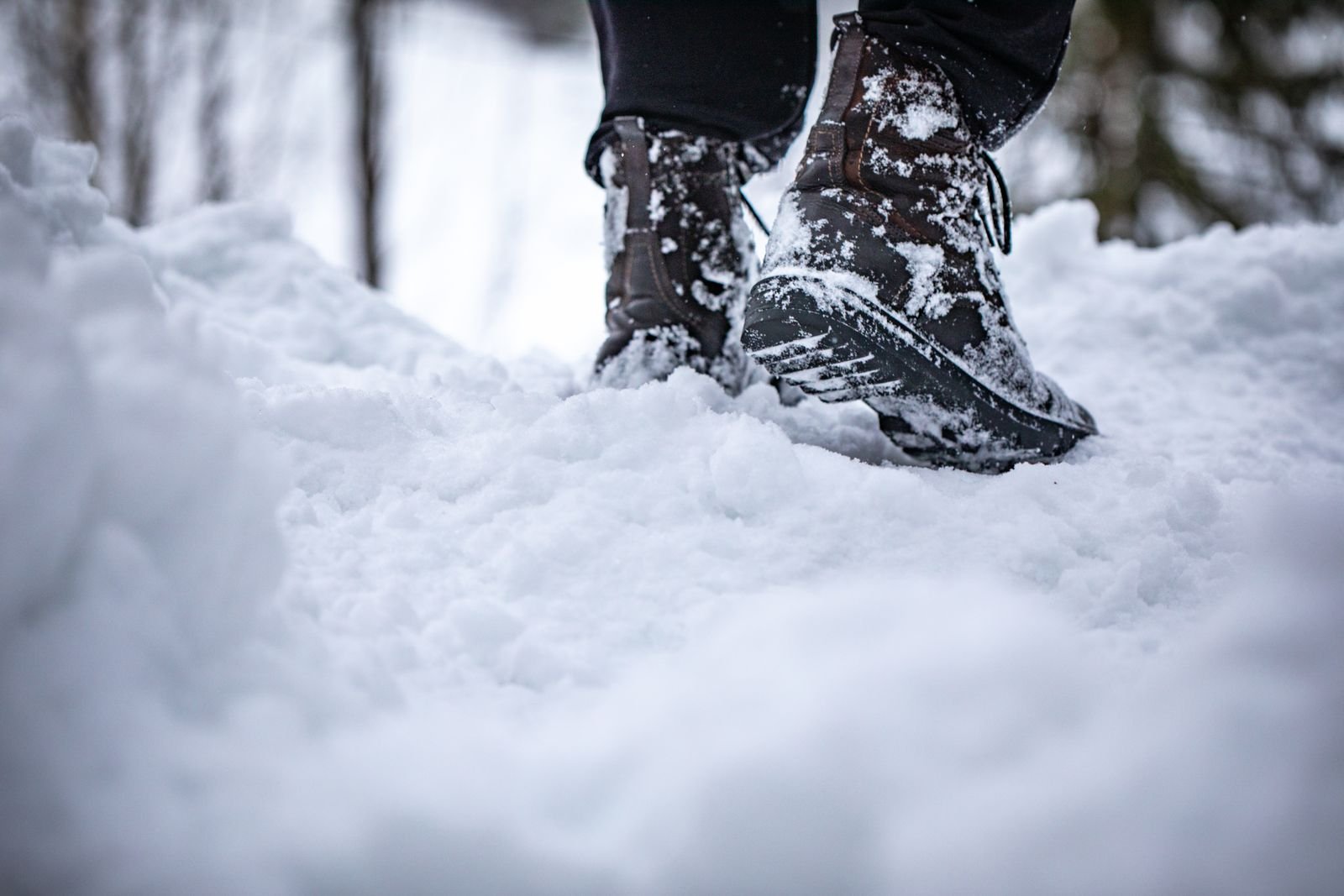
Maya stood on the train platform in Chicago at 7 in the morning, the wind cutting across the tracks, and her toes had already gone numb inside her boots. She had done what most people do on a freezing morning. She had pulled on the thickest socks she owned, laced her boots tight, and trusted the extra bulk to keep her warm. By the time she reached her office, her feet were colder than they would have been in her normal socks, and she spent the first hour of her workday stamping her feet under her desk. She needed a real answer for how to keep your feet warm in winter boots without thick socks, and the thick socks were the problem, not the fix.
If that morning sounds familiar, this guide is for you. Learning how to keep your feet warm in winter boots without thick socks starts with a simple idea that surprises most people. Thick socks are often the reason your feet get cold, not the fix. When a thick sock squeezes your foot inside a boot that was not made for it, it slows the blood flow that carries warmth to your toes, and damp fabric then pulls the remaining heat away.
The good news is that warm feet in winter do not need bulky socks. They need dry skin, room to move, a boot that fits the way you actually wear it, and a few small habits that cost little or nothing. This guide walks through the whole system, from the sock you choose to the way you lace your boots, so you can walk through a cold morning in Chicago, Minneapolis, Boston, or anywhere winter bites, and arrive with feet that still feel like your own.
Why Your Feet Get Cold Inside Winter Boots
Cold feet are rarely a sign that your boots are weak. They are usually a sign that one of three things has gone wrong inside the boot. Once you see the three causes clearly, the fixes make sense, and you can stop buying thicker socks and start fixing the real problem.
Circulation carries the heat
Your feet do not make much heat on their own. Warmth arrives in your toes through your blood, and anything that squeezes your foot slows that delivery down. A thick sock packed into a boot with no spare room acts like a tight band around your foot. It presses on the small blood vessels in your toes and your feet cool down from the inside, no matter how much insulation sits around them.
This is why the same boots can feel warm in November and freezing in January. In November you wore a thin sock and your toes could wiggle. In January you added a thick sock, the fit went tight, and the blood flow dropped. The boot did not change. The space inside it did.
Moisture steals the heat
Feet sweat inside boots even on cold days, especially in insulated or waterproof boots that trap air. Cotton socks soak up that sweat and hold it against your skin, and wet fabric pulls heat from your feet far faster than dry fabric does. Workplace safety guidance from NIOSH notes that wet feet lose heat about 25 times faster than dry feet, which is why a damp sock can undo a good boot in under an hour.
The fix is not a thicker sponge. It is a sock that moves moisture away from your skin and a habit of changing into a dry pair when the first pair gets damp. Dryness is the single most powerful warming trick in this whole guide, and it costs nothing.
Cold ground pulls heat downward
The third cause is the ground itself. Every step presses the sole of your boot against frozen pavement, and heat flows from your warm foot into the cold surface below. A thin factory insole does almost nothing to stop that flow. An insulating insole puts a barrier between your foot and the frozen ground, and that barrier matters more the longer you stand still, whether you are waiting for a bus or watching your kids at a Saturday game.
How to Keep Your Feet Warm in Winter Boots Without Thick Socks
The method below works as a system, not as a single trick. Each step fixes one of the three causes above. You do not need all of them on a mild day, but on a morning when the temperature sits near 15 degrees Fahrenheit, the steps add up, and the difference between doing them and skipping them is the difference between comfortable feet and numb toes.
Choose one thin wool sock, not two thick ones
Start with one pair of merino wool socks in a light or midweight knit. Wool keeps working when it gets slightly damp, which is exactly what cotton cannot do. A good pair costs about 15 to 25 dollars and lasts for seasons if you wash it gently and let it air dry. Look for a sock made mostly of merino wool with a little nylon for strength and a little stretch for fit.
Wear one pair only. Two pairs of socks sound warmer, but the second pair usually just squeezes the first pair tighter and cuts off the blood flow you need. If your boots feel loose with one thin wool sock, that is a fit problem to solve with an insole or a better lacing pattern, not with a second sock. One good wool sock with room to breathe will beat two thick cotton socks every time.
Make sure your boots fit with the socks you will wear
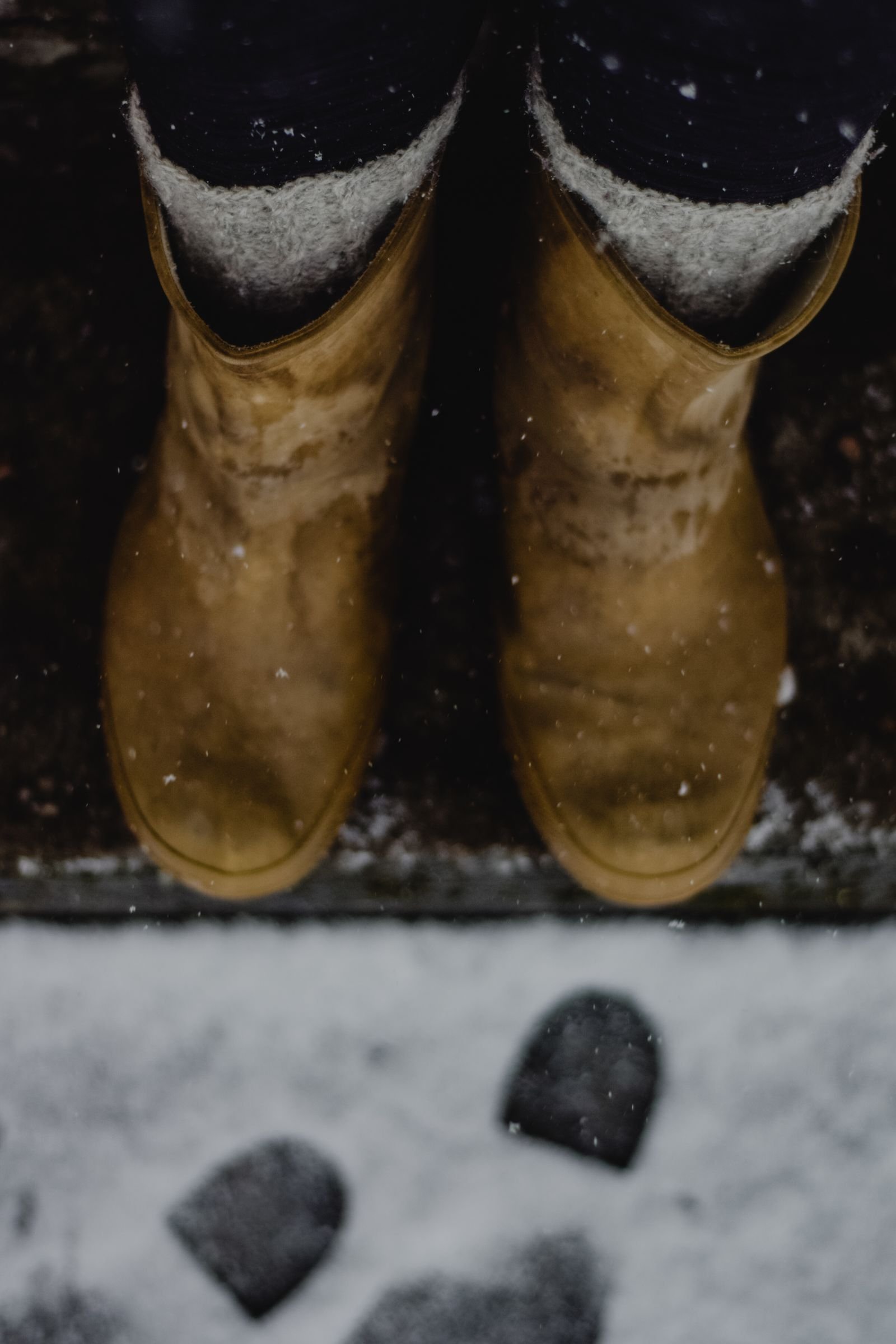
Try your boots on with the exact socks you plan to wear, not with the thick socks you wore to the store. Your toes should be able to wiggle freely, and you should have about a thumb width of space in front of your longest toe. If your toes cannot move, your boots are too tight for winter, even if they felt fine in the store with thin summer socks.
If you are buying new boots, consider going up half a size for winter use, and test them at the end of the day when your feet are at their largest. Walk around the house in them for an evening before you commit. A boot that pinches slightly in the store will pinch much worse after an hour in the cold, when your feet swell a little and the materials stiffen.
Add an insulating insole
An insulating insole is the cheapest real upgrade you can make to a pair of winter boots. Felt insoles and foil lined insoles both work, and most cost between 10 and 25 dollars. The felt version adds soft warmth under your foot, while the foil version reflects your own body heat back toward your sole instead of letting it drain into the frozen ground.
Take the factory insole out, trace around it with the new insole on top, and trim carefully so the new one sits flat with no curled edges. A curled edge will rub a blister into your arch by lunchtime. Replace the insole when it goes flat or starts to smell, usually after one hard winter of daily wear.
Keep your feet dry all day
Dry feet stay warm, so build your day around dryness. Start with dry socks and dry boots every morning, and carry a spare pair of socks in your bag. If your feet sweat by lunch, change the socks. It takes two minutes in a restroom, and the fresh pair will feel like a new set of feet for the afternoon.
Dry your boots properly overnight. Pull the insoles out, open the boots wide, and let air move through them in a warm room. Stuffing them with newspaper helps pull moisture out of the lining. A boot dryer that blows gently warmed air into the toe costs about 40 to 50 dollars and is worth it if your boots are damp most mornings. Never park wet boots right next to a radiator or a fire, since hard direct heat can crack leather and weaken glued soles.
The same patience applies to everything you dry indoors in winter. If you want a fuller look at indoor drying, our guide on how to dry laundry indoors in winter covers the same airflow ideas for clothes.
Warm your feet before you step outside
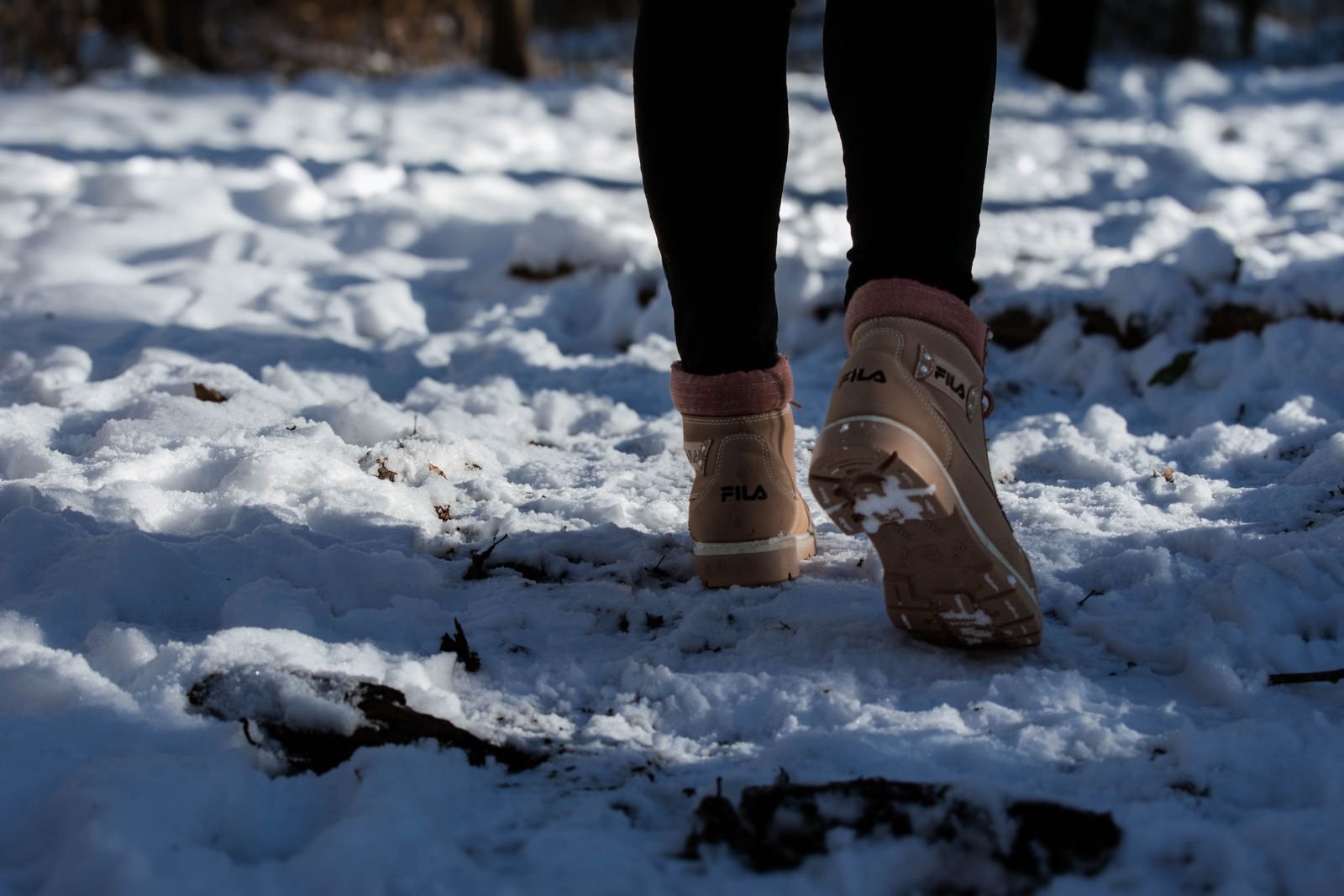
Feet that start warm stay warm far longer than feet you try to rescue once they are already cold. Before you leave the house, spend a few minutes moving around indoors, take a warm shower, or simply put your socks on right before you walk out the door instead of an hour earlier while you make coffee in a cold kitchen.
Some people warm their insoles on a radiator for a few minutes before sliding them into the boots, and that small head start helps on the coldest mornings. The point is simple. Do not step into the cold with feet that are already chilled, because a boot can hold warmth but it cannot create it.
Keep your core warm and keep moving
Your body protects its core first. When your chest gets cold, your body pulls blood away from your hands and feet to protect your organs, and your toes pay the price. A warm torso, a hat, and a scarf are foot warming tools, even though they never touch your feet. Dress your core well and your body will keep sending blood down to your toes.
Movement matters just as much. Walking briskly, wiggling your toes inside your boots, and flexing your calves all push warm blood down to your feet. Standing still is the enemy, which is why waiting for a bus feels so much colder than walking to the bus stop. If you must stand still, shift your weight from foot to foot, rise up on your toes every minute or so, and keep the blood moving.
Use toe warmers on the coldest days
Air activated toe warmers are small flat packs that warm up when you open them and stick to the bottom of your sock. They cost under a dollar a pair when you buy them in bulk, and they can turn a miserable commute into a comfortable one on mornings below 20 degrees Fahrenheit. Open the pack about ten minutes before you need it, stick it under your toes, and put your boot on over it.
For extreme cold, or for people who spend all day outside, battery heated insoles are the next step up, usually starting around 65 dollars. They are not needed for a normal commute, but they are a real option for outdoor workers and for anyone whose feet go numb no matter what else they try.
Lace your boots for warmth, not for looks
How you lace your boots changes how warm your feet stay. Loosen the laces over the front of your foot, where your toes need room, and keep them snug only around your ankle, where you need support. A heel lock pattern, where the top lace loops back through the upper eyelet before you tie it, holds your heel in place without squeezing your forefoot.
Check your laces after the first ten minutes outside. Leather and fabric both relax a little as they warm up, and a quick adjustment can restore the fit. If your feet tingle or your toes feel pinched, your laces are too tight, and no sock can fix that.
A Simple Morning Routine for Warm Feet
You do not need a new wardrobe to fix cold feet. You need a short routine you can repeat without thinking about it. The routine below takes about five minutes, and after a week it becomes automatic.
- Put on one pair of clean, dry merino wool socks right before you leave.
- Slide an insulating insole into each boot and check that it lies flat.
- Lace loosely over your toes and snugly around your ankle.
- Pack a spare pair of socks and a pair of toe warmers in your bag.
- Warm your feet indoors first, then step out with warm toes.
- Change into dry socks at lunch if your feet feel damp.
- Air your boots out overnight with the insoles removed.
The same system thinking works on winter trips, where your shelter matters as much as your socks. If you camp or travel in cold weather, our guide on how to keep a tent warm in winter applies the same ideas about insulation, dryness, and airflow to your whole night outdoors.
When Cold Feet Are a Sign to See a Doctor
Most cold feet are a fit and moisture problem, and the steps above will fix them. But some cold feet point to a health issue, and it helps to know the difference. See a clinician promptly if your feet stay cold and numb even indoors, if your toes turn white or blue in the cold, if you develop sores that heal slowly, or if you have diabetes and notice any loss of feeling in your feet.
Conditions such as Raynaud’s phenomenon, poor circulation, nerve damage, and thyroid problems can all make feet feel cold when the room is warm. A clinician can check your circulation, review your medicines, and rule out anything that needs treatment. This matters most after a long flight as well, since sitting still for hours can leave feet swollen and cold, and our guide on how to reduce swelling in feet after a long flight explains the warning signs worth watching for on travel days.
Do not try to treat persistent numbness, color changes, or open sores with thicker socks or hotter water. Those symptoms deserve a real check, and catching a circulation problem early is far easier than treating one late.
Mistakes That Make Cold Feet Worse
A few common habits feel like warming tricks but quietly make the problem worse. Avoid these and your feet will thank you by February.
- Wearing two pairs of thick socks, which squeezes your foot and cuts blood flow.
- Choosing cotton socks, which hold sweat against your skin and chill your toes.
- Putting a plastic bag over your socks, which traps sweat and leaves your feet wet and cold.
- Lacing your boots as tight as possible, which pinches the blood vessels in your feet.
- Starting the day in boots that are still damp from yesterday.
- Standing still for long stretches without wiggling your toes or shifting your weight.
- Soaking cold feet in very hot water, which can sting and damage skin that has gone numb.
Warm feet are a system, and every mistake above breaks one part of it. Fix the fit, keep things dry, warm up before you go out, and the system holds together even on the coldest mornings of the year.
Conclusion
Learning how to keep your feet warm in winter boots without thick socks comes down to three ideas you can remember on any cold morning. Give your toes room to move so warm blood can reach them, keep your socks and boots dry so moisture cannot steal the heat, and block the cold ground with a good insole. Add a warm core, a little movement, and a spare pair of socks, and you have a setup that works from the first snowfall to the last cold snap of the season.
Maya, from the platform in Chicago, fixed her mornings with a ten dollar pair of felt insoles, one pair of merino wool socks, and looser laces over her toes. Her boots were never the problem. The space inside them was. Sort that space out, and winter mornings get a lot easier.
Frequently Asked Questions
Can thin socks really keep feet warmer than thick socks?
Yes, when the boot fits properly. A thin wool sock leaves room for blood to flow to your toes, while a thick sock can squeeze the foot and slow that flow down. Warmth comes from circulation and dryness, not from bulk, so one good wool sock often beats a thick pair.
What is the best sock material for winter boots?
Merino wool is the best choice for most people, since it stays warm when slightly damp and moves moisture away from your skin. Look for a light or midweight merino blend with a little nylon for strength. Avoid cotton, which holds sweat and chills your feet.
How do I keep my feet warm in winter boots at work all day?
Start with dry wool socks and an insulating insole, lace loosely over your toes, and carry a spare pair of socks to change into at lunch. Toe warmers help on the coldest days, and wiggling your toes and walking around regularly keeps warm blood moving to your feet.
Do toe warmers work in winter boots?
Yes, air activated toe warmers work well in winter boots, as long as there is a little room for them under your toes. Open the pack about ten minutes before you need it, stick it to the bottom of your sock, and it will give steady warmth for several hours.
When should I see a doctor about cold feet?
See a clinician if your feet stay cold and numb indoors, if your toes turn white or blue, if sores heal slowly, or if you have diabetes and notice any loss of feeling. These can be signs of a circulation or nerve problem that needs a real check rather than warmer socks.