
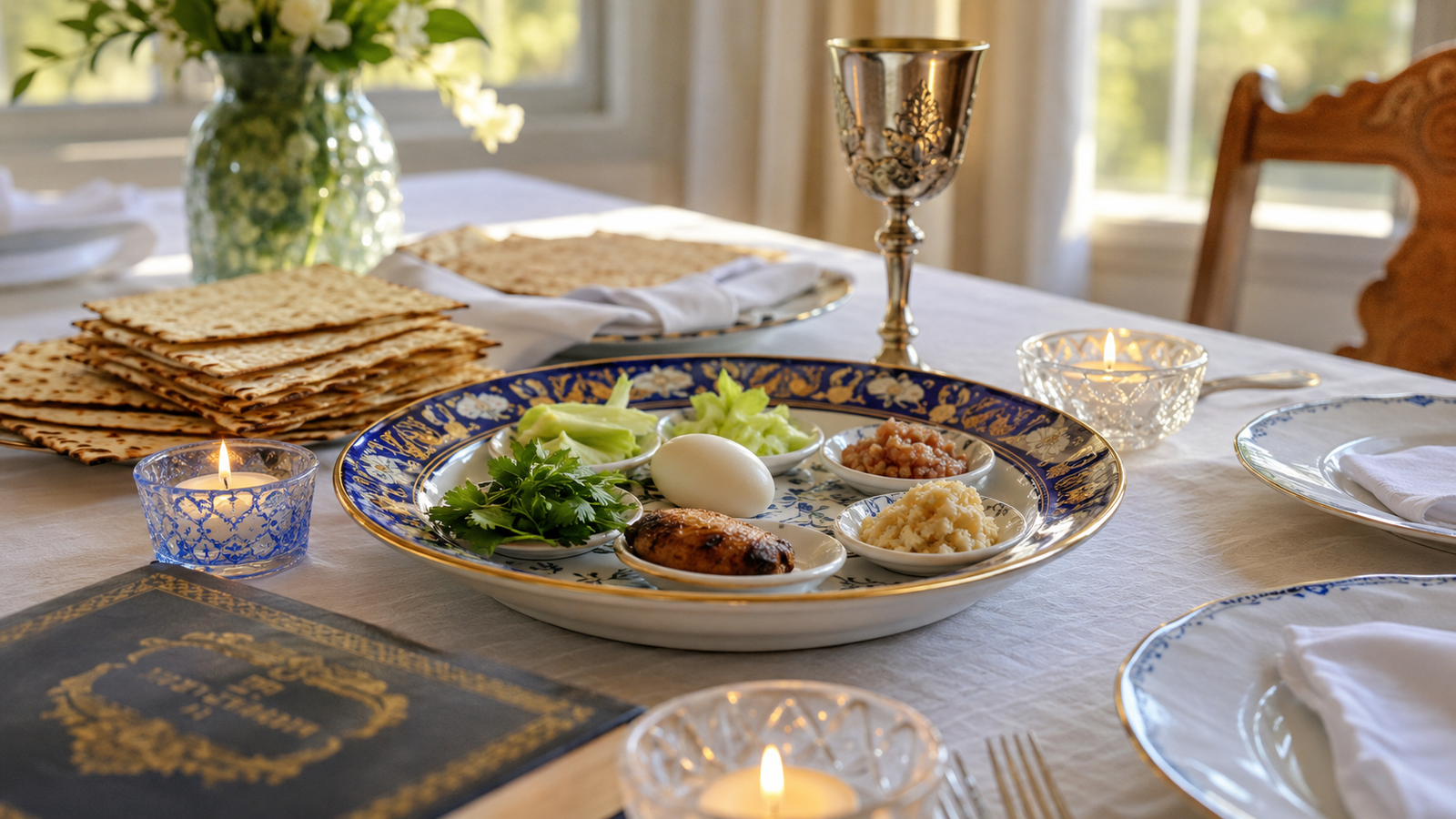
If you searched for when is Passover 2026, you likely want a straightforward answer along with enough context to actually plan your holiday. This guide gives you both. You will find the exact dates, an explanation of how those dates are calculated, and a practical roadmap for getting your home and your table ready.
Passover, known in Hebrew as Pesach, is one of the most significant holidays on the Jewish calendar. It commemorates the Exodus of the Israelites from slavery in Egypt and centers on the seder, a ceremonial meal filled with symbolism, storytelling, and tradition. Whether you are Jewish, part of an interfaith family, or simply curious about the holiday, knowing exactly when Passover 2026 begins helps you plan travel, meals, and time off well in advance.
Quick Answer: Passover 2026 Dates
Passover 2026 begins at sundown on Wednesday, April 1, and continues through nightfall on Thursday, April 9. That is an eight day observance for Jewish communities outside of Israel, commonly referred to as the Diaspora.
In Israel, and among many Reform Jewish communities worldwide, Passover is observed for seven days, concluding at sundown on Wednesday, April 8 instead.
On the Hebrew calendar, Passover falls on 15 through 22 Nisan of the year 5786. Because the Jewish calendar is lunar and solar, these dates shift each year on the Gregorian calendar, even though they stay fixed in the Hebrew calendar.
Understanding the Passover 2026 Calendar
Passover always begins on the fifteenth day of the Hebrew month of Nisan, which typically lands in the spring. This connection to spring is intentional. The holiday is tied to themes of renewal, freedom, and rebirth, and the timing reflects the biblical description of the Exodus taking place during that season.
Since the Hebrew calendar is based on lunar months adjusted with a solar cycle, the corresponding Gregorian date moves from year to year. That is why Passover can fall as early as late March or as late as April, depending on the year. In 2026, the holiday lands squarely in early April, giving families a slightly later spring holiday compared to some previous years.
Here is a simple way to think about it: the moon determines the month, and periodic adjustments keep the holiday anchored to spring on the solar calendar. This is similar in concept to how Easter shifts each year, though the two holidays are calculated using different systems.
Seder Night Dates and What Happens Each Night
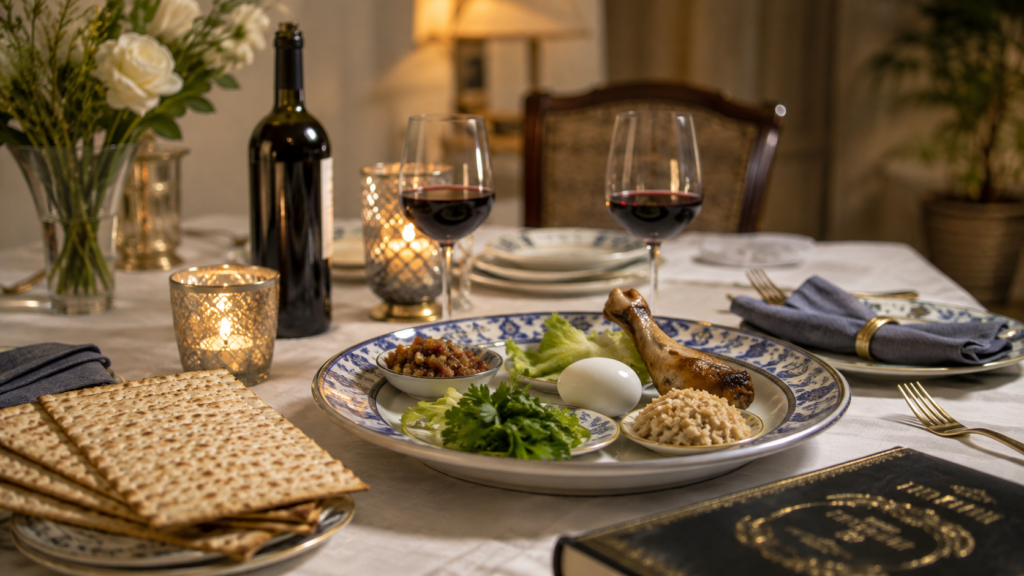
The centerpiece of Passover is the seder, a structured feast that walks participants through the story of the Exodus using the Haggadah, a text that outlines prayers, readings, and rituals.
For Passover 2026, the seder dates are as follows.
- First Seder: Wednesday evening, April 1, 2026
- Second Seder: Thursday evening, April 2, 2026 (observed in the Diaspora, not typically in Israel)
In Israel, only one seder is held, on the first night. Outside of Israel, many communities hold a second seder the following night as an added layer of tradition, partly rooted in historical uncertainty about the exact calendar date before modern calculations were standardized.
During the seder, participants recite blessings over wine, eat symbolic foods from the seder plate, and retell the Exodus story. The Four Questions, traditionally asked by the youngest person at the table, kick off the storytelling portion and set the tone for the evening. Matzah, the unleavened bread, plays a central symbolic role throughout, representing the haste with which the Israelites left Egypt.
Why Passover Falls on Different Dates Every Year
If you have ever wondered why Passover never seems to land on the same date twice, the answer comes down to the structure of the Hebrew calendar itself.
Unlike the Gregorian calendar, which is purely solar, the Hebrew calendar combines lunar months with periodic leap years to keep holidays aligned with their proper season. A standard Hebrew year has twelve lunar months, but roughly every two to three years, an extra month is added to prevent the calendar from drifting out of sync with the seasons.
This system ensures Passover always falls in spring, tied to the first full moon after the vernal equinox, even though the specific Gregorian date changes annually. For reference, Passover fell in mid April in 2025, and it will shift to late April in 2027, illustrating just how much variation is normal from year to year.
Seven Days or Eight Days: Israel Versus the Diaspora
One detail that often causes confusion is the difference between a seven day and an eight day Passover.
In Israel, Passover lasts seven days, from the fifteenth through the twenty first of Nisan. Outside of Israel, in many Orthodox and Conservative communities, an extra day is added, extending the observance to eight days. This practice traces back to ancient times when the new month was confirmed by witnesses in Jerusalem, and news of the exact date took time to reach distant communities. To avoid uncertainty, an additional day of observance became customary and has persisted even though modern calendars remove that original uncertainty.
Many Reform Jewish communities around the world have returned to the seven day observance, aligning with the practice in Israel. So depending on your community and tradition, Passover 2026 may conclude on either April 8 or April 9. Both are correct, and the difference simply reflects varying customs rather than a disagreement about the calendar itself.
Day by Day Breakdown of Passover 2026
Understanding the full arc of the holiday helps with planning meals, work schedules, and family gatherings. Here is how Passover 2026 unfolds for those observing eight days.
| Date | Day of Passover | Notes |
|---|---|---|
| Wednesday, April 1 | Erev Pesach | Holiday begins at sundown, first seder |
| Thursday, April 2 | First Day | Full holiday day, second seder |
| Friday, April 3 | Second Day | Full holiday day |
| Saturday, April 4 | Third Day | Chol Hamoed, intermediate days begin, coincides with Shabbat |
| Sunday, April 5 | Fourth Day | Chol Hamoed |
| Monday, April 6 | Fifth Day | Chol Hamoed |
| Tuesday, April 7 | Sixth Day | Chol Hamoed |
| Wednesday, April 8 | Seventh Day | Full holiday day |
| Thursday, April 9 | Eighth Day | Final full holiday day, includes Yizkor memorial service in many communities |
The first two and last two days are considered full holiday days, similar in restriction to Shabbat, while the middle days, called Chol Hamoed, allow for regular activities with some limitations. This structure gives families a rhythm to plan around, with the busiest and most ceremonial moments concentrated at the start and end of the week.
How to Prepare for Passover 2026
Preparation for Passover typically begins well before the holiday itself. Many families start planning weeks in advance, especially when it comes to clearing the home of chametz, or leavened products, and stocking up on Passover appropriate food.
A few practical steps can make the lead up to April 1 much smoother.
- Begin a kitchen cleanout at least a week or two before the holiday to remove chametz gradually rather than all at once.
- Plan your seder guest list early, since many families host extended relatives or friends and need time to coordinate.
- Order a Haggadah for each guest, or print copies, so everyone can follow along during the seder.
- Confirm candle lighting times for your specific location, since these vary by time zone and region.
- Decide in advance whether you are observing seven or eight days, so your calendar and meal planning reflect the right timeline.
Starting early reduces stress and allows you to actually enjoy the holiday rather than scrambling in the final days before it begins.
Setting a Realistic Timeline
Most families find it helpful to break preparation into three phases: general house cleaning in the weeks before, kitchen specific chametz removal in the days just before, and final food preparation on the day of the seder itself. This staged approach keeps the workload manageable and avoids a last minute rush.
Shopping and Kitchen Checklist
Grocery shopping for Passover looks different from a typical week, since many everyday staples are off limits. Planning your shopping trip in stages helps avoid last minute store runs.
Consider organizing your list around these categories.
- Matzah and matzah products: Purchase enough for the full holiday, including extra for snacking and cooking.
- Kosher for Passover staples: Items like oil, wine, and baking substitutes often require special Passover certification.
- Seder plate ingredients: Maror, charoset ingredients, a shank bone or vegetarian substitute, karpas, and an egg.
- Fresh produce and proteins: These are naturally chametz free and form the backbone of most Passover meals.
- Kitchen supplies: Some families use separate dishes or thoroughly kosher their kitchen for the week, which may require additional cookware or covers.
Shopping a week or two ahead, rather than the day before, tends to result in better selection and a calmer experience, especially since Passover foods can sell out quickly at local grocery stores in the days leading up to the holiday.
Hosting Your First Seder
If you are hosting a seder for the first time in 2026, a little structure goes a long way. Start with a Haggadah that matches your household’s style, whether that means a traditional text, a family friendly version with activities for children, or a modern interpretation that includes contemporary readings.
Set the table with a seder plate at the center, and make sure everyone has a copy of the Haggadah along with a cup for the four cups of wine or grape juice traditionally consumed throughout the evening. It also helps to assign roles ahead of time, such as who will lead the Four Questions or read specific sections aloud, so the evening flows naturally rather than feeling improvised.
Do not feel pressure to make everything perfect. Many first time hosts find that the meaningful parts of the seder come from the conversation and connection at the table, not from flawless execution of every ritual detail.
Passover in Interfaith and Mixed Households
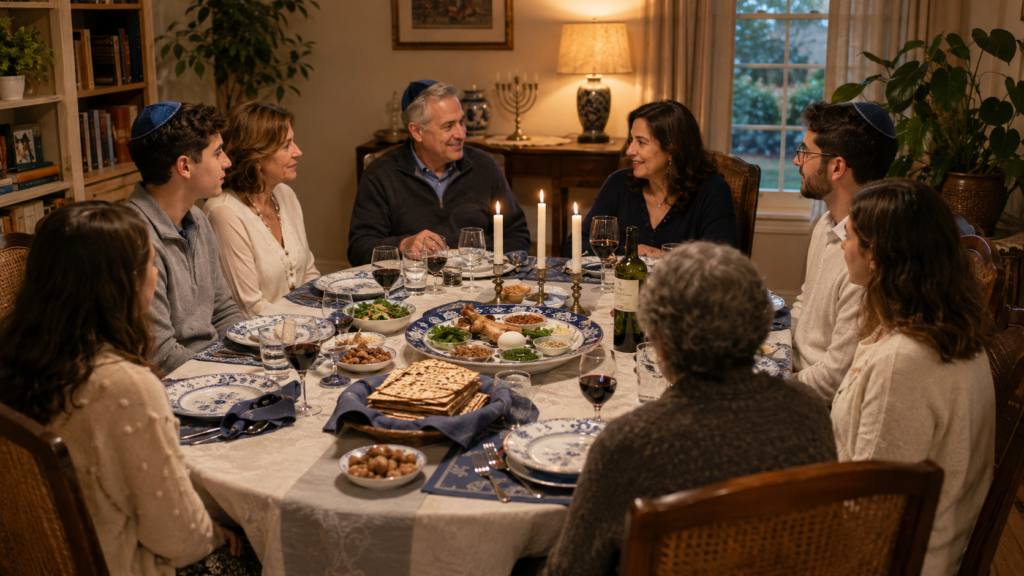
Passover has become an increasingly shared experience in interfaith households, where partners from different backgrounds come together to build new traditions. If this applies to you, a few thoughtful adjustments can make the holiday more inclusive without diminishing its meaning.
Consider explaining the symbolism behind each element of the seder plate as you go, so guests unfamiliar with the tradition feel welcomed rather than lost. Many interfaith families also find value in weaving in additional readings that reflect broader themes of freedom and liberation, connecting the Exodus story to other cultural or personal narratives at the table.
Communication ahead of time about dietary restrictions, the structure of the evening, and what to expect helps everyone, regardless of background, feel comfortable participating fully.
Frequently Asked Questions
When exactly does Passover 2026 start?
Passover 2026 begins at sundown on Wednesday, April 1, with the first seder that same evening.
Is Passover 2026 seven days or eight days?
It depends on your community. In Israel and many Reform congregations, it is seven days, ending April 8. In many Diaspora communities, it is eight days, ending April 9.
When is the second seder in 2026?
The second seder takes place on Thursday evening, April 2, 2026, and is typically observed outside of Israel.
Why does Passover fall on a different date every year?
Passover is set according to the Hebrew calendar, which combines lunar months with periodic adjustments to stay aligned with the spring season, causing the Gregorian date to shift annually.
What should I buy first when preparing for Passover?
Start with matzah, kosher for Passover pantry staples, and seder plate ingredients, since these items sell out fastest as the holiday approaches.
Final Thoughts
Passover 2026 begins at sundown on Wednesday, April 1, and runs through either April 8 or April 9, depending on whether your community observes seven or eight days. Beyond the dates themselves, the holiday offers a meaningful opportunity to gather with family, retell a story that has shaped Jewish identity for thousands of years, and share a meal rich with symbolism.
Whether you are hosting your very first seder, joining an interfaith celebration, or simply making sure your calendar is marked correctly, a little preparation goes a long way. Start your shopping early, confirm which observance your household follows, and give yourself time to enjoy the process rather than rushing through it. With the dates and details in hand, you are well equipped to make Passover 2026 a meaningful and well organized celebration.