
If you have ever opened a Southwest Gas bill and wondered what half the line items actually mean, you are not alone. Between delivery charges, rate adjustments, and seasonal usage swings, natural gas bills can feel more confusing than they need to be.
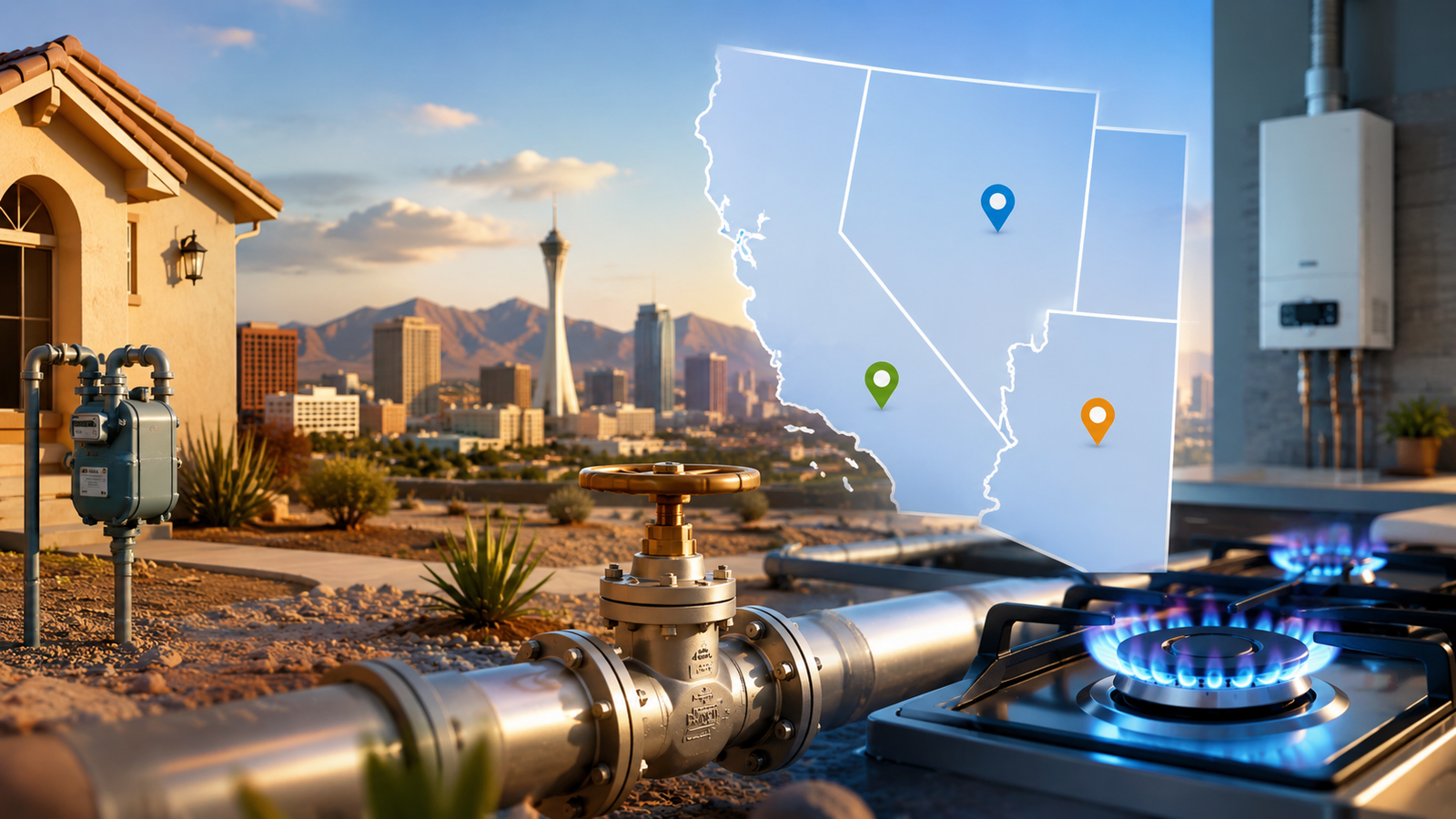
Southwest Gas is the primary natural gas utility for millions of households and businesses across Arizona, Nevada, and California. Whether you just moved into a new home, you are trying to lower your monthly costs, or you simply want to understand how your service works, this guide breaks everything down in plain language.
We will walk through who Southwest Gas is, how billing works, what rates typically look like, which assistance programs exist for households that need help, and how service differs depending on where you live. By the end, you should have a much clearer picture of your natural gas provider and practical ways to manage your account with confidence.
Who Is Southwest Gas
Southwest Gas Corporation is a regulated natural gas utility that has been serving the desert Southwest since 1931. It started as a small operation in Barstow, California, and gradually expanded into Nevada during the 1950s and into Arizona shortly after.
Today, the company delivers natural gas to more than two million residential, commercial, and industrial customers. It is the largest natural gas distributor in both Arizona and Nevada, covering major metro areas like Phoenix, Tucson, and Las Vegas, along with smaller communities throughout the region.
Southwest Gas operates as a subsidiary of Southwest Gas Holdings, Inc., which is publicly traded on the New York Stock Exchange. The distinction between the utility and its parent holding company matters, and we will cover that difference later in this article.
As a regulated utility, Southwest Gas does not set its own rates freely. Instead, pricing and service standards are overseen by public utility commissions in each state, which helps keep costs predictable and service reliable for customers.
Understanding Your Southwest Gas Bill

One of the biggest sources of confusion for customers is simply reading their monthly statement. A typical Southwest Gas bill includes several components beyond just the gas you used.
Basic Service Charge
This is a fixed monthly fee that covers the cost of maintaining infrastructure, meters, and delivery lines to your property. You pay this charge regardless of how much gas you actually use during the billing period.
Usage Charge
This portion reflects the actual volume of natural gas consumed, typically measured in therms. Usage naturally rises in colder months when heating demand increases and drops during warmer seasons.
Delivery Charge Adjustment
Also referred to as a DCA in some states, this is a mechanism that allows the utility to recover costs tied to infrastructure investment and system upgrades between formal rate cases. It can shift slightly from year to year based on regulatory approval.
Purchased Gas Adjustment
Natural gas commodity prices fluctuate on the open market. This adjustment reflects the actual wholesale cost of the gas itself, separate from delivery and infrastructure costs. Southwest Gas does not profit from this portion, since it is a pass through cost.
Taxes and Regulatory Fees
Depending on your state and municipality, your bill may include local franchise fees, state taxes, or other regulatory surcharges required by law.
Understanding these categories helps explain why your bill might rise even if your usage stayed roughly the same, since commodity prices and regulatory adjustments shift independently of how much gas you burn at home.
How Southwest Gas Rates Work
Natural gas rates are not arbitrary numbers pulled from thin air. They are set through a formal rate case process, where the utility submits a proposal to the relevant state commission, such as the Arizona Corporation Commission or the Public Utilities Commission of Nevada.
During this process, regulators review the company’s costs, infrastructure needs, and proposed return on investment. Public comment periods and hearings often follow, giving customers and advocacy groups a chance to weigh in before new rates take effect.
Because Arizona, Nevada, and California each have their own regulatory bodies, rates can differ meaningfully between states, and even between service territories within the same state. A household in Las Vegas will not necessarily pay the same rate structure as one in the Lake Tahoe area.
If you want to see current approved rates for your specific location, the most reliable source is always the utility’s own rates and regulation page, since third party estimates can quickly become outdated.
Assistance Programs and Flexible Payment Options
Southwest Gas offers several programs designed to help customers who are struggling to keep up with bills or who simply want more predictable payment options.
Energy Share Program
This program provides financial assistance to qualifying low income households, funded partly through voluntary customer donations and company contributions. It is designed as a safety net for people facing temporary financial hardship.
Equal Payment Plan
Rather than dealing with large seasonal swings, customers can enroll in a plan that averages their annual usage into consistent monthly payments. This makes budgeting easier, especially for households on fixed incomes.
Payment Extensions and Arrangements
If you need more time to pay a bill, Southwest Gas allows customers to request short term payment extensions or structured arrangements rather than facing immediate disconnection.
State Specific Assistance
Because eligibility and funding vary by state, Arizona, Nevada, and California each maintain separate assistance program listings. California customers, for example, may qualify for the CARE program, which offers a reduced rate for income eligible households, along with climate credit rebates issued periodically throughout the year.
If you are facing financial hardship, it is worth calling customer service directly, since representatives can often point you toward local county or state funds that are not always widely advertised.
Service Areas: Arizona, Nevada, and California
Southwest Gas divides its operations into three states, each with distinct service characteristics.
Arizona
Arizona represents the company’s largest customer base, covering both the Phoenix and Tucson metropolitan areas along with numerous surrounding communities. Given Arizona’s hot climate, natural gas usage here tends to be more concentrated around water heating and cooking rather than space heating.
Nevada
Nevada service is centered heavily around the Las Vegas metropolitan area and Henderson, with additional coverage extending into portions of northern Nevada. This was actually the company’s first major expansion beyond California back in the 1950s.
California
California coverage is more limited geographically, focused primarily on the Lake Tahoe area along with high desert and mountain regions of San Bernardino County. Because of the elevation and colder winters in these areas, heating usage patterns look quite different from the desert climates of Phoenix or Las Vegas.
Knowing which state and region you fall under matters, since rates, assistance programs, and even customer service contact details can vary depending on your specific service territory.
Starting, Stopping, or Transferring Service
Moving to a new home is one of the most common reasons people contact Southwest Gas. The process is fairly straightforward but does require some advance planning.
- Contact Southwest Gas online or by phone at least a few business days before your move date.
- Provide your new address along with the date you want service to begin.
- Be prepared for a possible deposit if you are a new customer without an established payment history.
- Schedule a meter access appointment if needed, since a technician may need to physically turn on service at the property.
- Confirm your final meter reading at your old address to ensure accurate closing charges.
Same day service activation is not always guaranteed, particularly during peak moving seasons, so submitting your request early helps avoid any gap in service once you arrive at your new home.
Safety and What to Do If You Smell Gas
Safety is a genuinely serious matter with natural gas service, and Southwest Gas emphasizes this heavily across all of its customer communications.
Natural gas is naturally odorless, so utilities add a chemical called mercaptan that creates a distinct rotten egg smell, making leaks detectable by scent. If you notice this odor in or around your home, leave the area immediately.
Do not use light switches, phones, or anything that could create a spark while inside the affected area. Once you are safely outside, call 911 and Southwest Gas emergency line at 877 860 6020, regardless of whether you are an existing customer.
Beyond leak detection, Southwest Gas also promotes broader safety practices, including calling 811 before digging on your property, since underground pipelines run through many residential areas and accidental damage can be extremely dangerous.
Homeowners planning fence installations, tree planting, or deck construction should always check for buried lines first, since this simple step prevents both service disruptions and serious safety incidents.
Tips to Lower Your Natural Gas Bill
While you cannot control commodity prices or regulatory adjustments, there are practical steps that genuinely reduce usage and lower your monthly bill over time.
- Lower your water heater temperature slightly, since even a small reduction can meaningfully cut energy use without noticeably affecting comfort.
- Seal drafts around windows and doors to prevent heated air from escaping during winter months.
- Use a programmable thermostat to reduce heating when you are asleep or away from home.
- Take advantage of rebates on high efficiency appliances, since Southwest Gas periodically offers incentives for upgrading older equipment.
- Consider the home energy analysis tools available through the utility, which compare your usage against similar homes in your area and offer personalized suggestions.
Natural gas already tends to be more cost effective than electricity for tasks like heating and clothes drying, but combining that baseline efficiency with smart usage habits produces the most noticeable savings over a full year.
Southwest Gas vs Southwest Gas Holdings

This distinction confuses plenty of customers, so it is worth clarifying directly. Southwest Gas Corporation is the actual utility that delivers gas to homes and businesses and handles customer billing.
Southwest Gas Holdings, Inc. is the publicly traded parent company, listed on the New York Stock Exchange under the ticker SWX. It oversees the utility along with other business units, and it is the entity that investors and shareholders interact with regarding stock performance and financial reporting.
In simple terms, if you are paying a bill or reporting a leak, you are dealing with Southwest Gas Corporation. If you are researching the company as an investment or looking into quarterly earnings, you are looking at Southwest Gas Holdings. Both share close ties, but they serve very different audiences.
Frequently Asked Questions
Is Southwest Gas the same company in Arizona, Nevada, and California?
Yes, it operates as a single utility across all three states, though rates, assistance programs, and specific service details vary by state and local regulatory approval.
Why did my Southwest Gas bill increase even though my usage stayed the same?
This usually happens due to purchased gas cost adjustments tied to wholesale market prices, or approved delivery charge adjustments, both of which shift independently of your actual household usage.
How quickly can I get natural gas service started at a new address?
It depends on demand and whether a technician needs to physically access the meter, so it is best to request service several business days before your intended move in date.
What should I do if I smell gas in my home?
Leave the area immediately without using any switches or devices, then call 911 and Southwest Gas at 877 860 6020 once you are safely outside.
Does Southwest Gas offer help for customers who cannot pay their bill?
Yes, through programs like Energy Share, payment extensions, and state specific assistance funds, particularly for households facing temporary financial hardship.
Final Thoughts
Southwest Gas plays a central role in daily life for millions of households across Arizona, Nevada, and California, powering everything from home heating to cooking and water heating. Understanding how your bill is structured, what rates reflect, and which assistance programs are available puts you in a much stronger position to manage your account confidently.
Whether you are moving into a new home, trying to lower your monthly costs, or simply making sense of a confusing bill, the information in this guide should give you a clearer, more practical understanding of how Southwest Gas service actually works.