
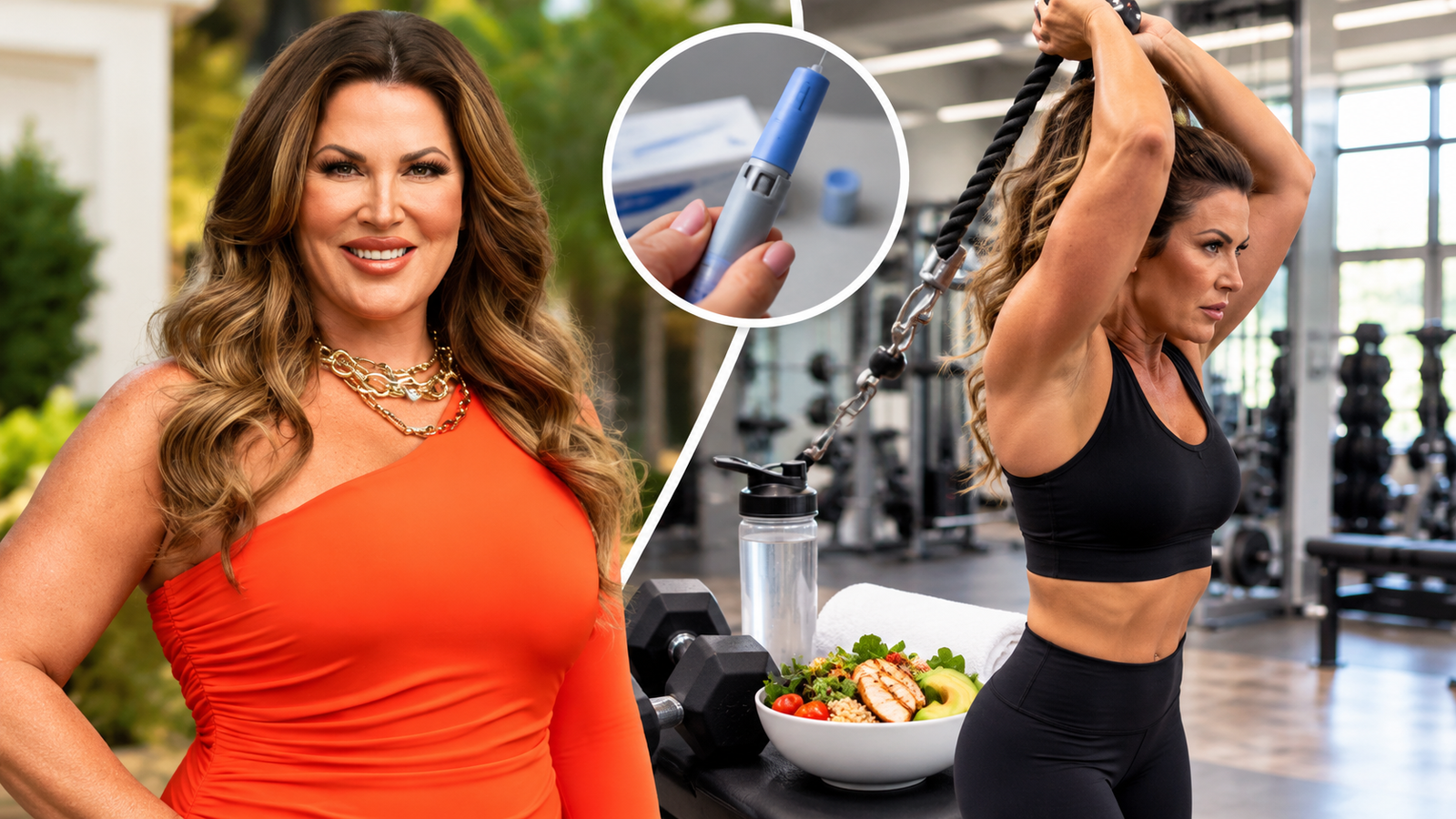
If you have spent any time scrolling through Bravo fan pages or Instagram comment sections, you have probably seen the debate. Did Emily Simpson lose weight because of Ozempic, or did she earn it in the gym? The truth, as it usually is with real people living real lives, sits somewhere in the middle.
Emily Simpson’s weight loss journey has become one of the most talked about transformations in Real Housewives of Orange County history, not because it happened overnight, but because she has been unusually honest about how messy and layered the process actually was. This article pulls together her actual timeline, her own words from interviews, and the parts of her story that most articles either skip over or get wrong.
Who Is Emily Simpson
Emily Simpson is an attorney, mother of three, and longtime cast member of The Real Housewives of Orange County. She joined the show in 2017 and quickly became known for her sharp humor, her candor about marriage and parenting, and her willingness to talk openly about her body, something many reality stars avoid.
Before her transformation, Emily had already been through a lot physically. She underwent hip replacement surgery in 2019 after years of joint pain, and she has spoken about gaining and losing weight multiple times throughout her time on the show. Her 2023 transformation was not her first attempt at getting healthier, but it was the one that finally stuck.
The Turning Point: Filming Season 17
Every transformation story has a moment that sparks change, and for Emily, that moment came at the end of filming Season 17 in November 2022. She has said that when the show’s producers sent her a candid photo taken during the title card shoot, she barely recognized herself.
Emily later admitted that the months of filming had taken a toll. Long hours, stress, and constant socializing had led to poor eating habits, skipped workouts, and a noticeable dip in her mental health. She described feeling depressed and disconnected from her usual routine, which is a relatable experience for anyone who has let self care slide during a demanding season of life.
That single photo became the wake up call that pushed her toward a doctor’s appointment, and eventually, toward a full lifestyle overhaul.
Emily Simpson’s Ozempic Use Explained
This is the part of her story that gets the most attention, so let’s address it directly and accurately.
During a routine physical, Emily’s doctor reviewed her bloodwork and suggested she try a GLP-1 medication to help jumpstart her weight loss. At the time, she has said she had barely heard of Ozempic, which had only recently gained FDA approval and was still relatively new to mainstream conversation.
She began taking it in December 2022. According to her own account, the medication was not a magic fix. It curbed her appetite significantly, which she credits with helping her break old habits around emotional eating and mindless snacking. However, she also experienced side effects, including nausea and low energy, which made everyday tasks like keeping up with three young children more difficult.
By her own estimate, Emily used Ozempic for roughly a month and a half, during which she lost between five and ten pounds. That is a meaningfully smaller window and a meaningfully smaller number than many headlines suggest.
Why She Stopped Taking Ozempic
Emily has been consistent in interviews about why she discontinued the medication. The lethargy and gassiness she experienced made it hard to keep pace with her workouts and her family responsibilities. Rather than pushing through the side effects, she chose to stop and shift her focus entirely to nutrition and exercise.
This decision is worth highlighting because it complicates the narrative that GLP-1 medications alone explain her results. Emily has repeatedly said the drug served as a short term kickstart, not the engine behind her long term transformation.
The Role of Exercise in Emily Simpson’s Weight Loss
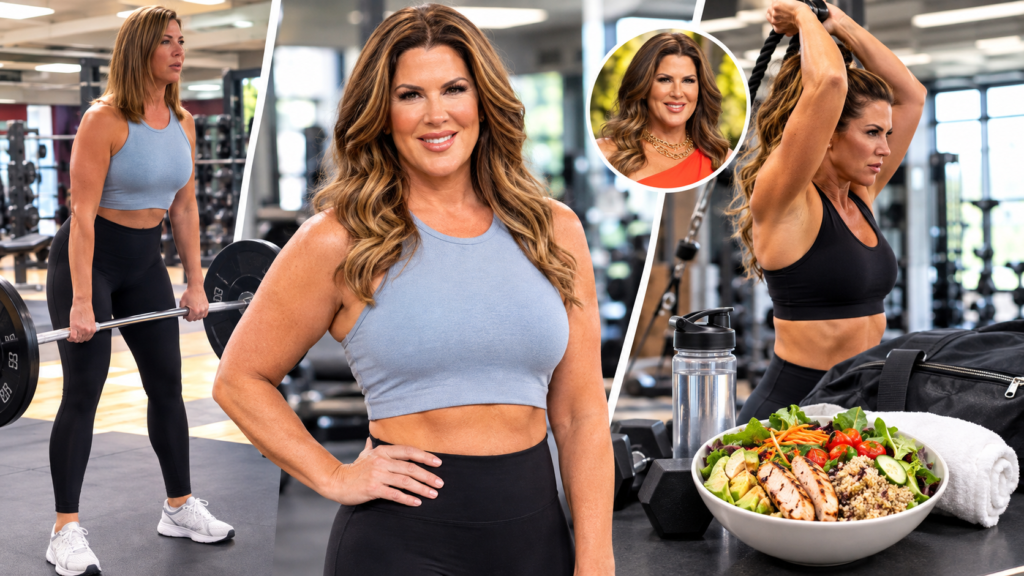
Once she stopped taking Ozempic, Emily leaned hard into fitness. She has talked openly about training seven days a week, often starting her mornings as early as 6 a.m. before her kids wake up.
Her workouts include a mix of strength training and combination style routines that blend resistance work with cardio bursts, such as pairing tricep extensions with glute focused movements. She works with a personal trainer, Paulina Stein, who has documented much of Emily’s progress through Instagram videos.
What stands out about this phase of her journey is the consistency. Emily has said more than once that people crediting Ozempic for her physique frustrates her precisely because it overlooks the discipline required to train daily for well over a year. Muscle definition, especially in the arms and glutes, does not come from appetite suppression. It comes from repeated, structured effort in the gym.
A Realistic Weekly Approach
For anyone inspired by this part of her story, the takeaway is not that you need to train seven days a week immediately. It is that consistency, even in smaller doses, compounds over time. Emily’s routine evolved gradually, and she has acknowledged that her current schedule reflects years of building a habit, not a sudden burst of motivation.
Diet Changes That Supported Her Transformation
Nutrition played a quieter but equally important role. While Emily has not published a detailed meal plan, she has spoken generally about cutting back on alcohol, reducing processed foods, and becoming far more conscious of portion sizes and ingredient quality after seeing the muscle definition Ozempic and lipo revealed.
She has described this shift as almost motivational in itself. Once she could see the results of her strength training, she wanted to protect that progress through better food choices, which created a positive feedback loop between the gym and the kitchen.
It is worth noting that Emily has not detailed specific macros, calorie targets, or a rigid diet protocol publicly, and any article claiming otherwise with exact meal plans is likely fabricating details rather than reporting them.
Plastic Surgery and Body Contouring
Emily has never hidden the fact that cosmetic procedures were part of her overall transformation, and this honesty is one of the more refreshing aspects of her story.
She underwent liposuction on her arms, an area she said had bothered her for years regardless of her weight. She has also spoken about a breast reduction and, more recently, a lower face and neck lift combined with breast implant removal, describing these choices as personal decisions tied to aging rather than an attempt to chase a certain body type.
Her stance has been consistent: exercise and diet can only do so much, and she does not feel the need to apologize for using medical procedures to address areas that did not respond to workouts alone.
Handling the Backlash and Body Shaming
Perhaps the most human part of Emily Simpson’s weight loss story is how she has responded to public criticism, which has come from both directions.
Some commenters accused her of relying entirely on Ozempic and downplayed her gym work. Others swung the opposite way, telling her she had become too thin. Emily addressed the second group directly on Instagram, writing that people should replace the word skinny with an acronym for fit as they can be, a response that fans found both funny and empowering.
This dynamic reflects a broader cultural moment. As GLP-1 medications became more common among celebrities, public scrutiny intensified, and outlets like Good Morning America have reported on the wave of judgment aimed at anyone whose body changes quickly, regardless of the actual method used. Emily’s experience is a clear example of that pattern playing out in real time.
Where She Stands Today
As of her more recent appearances and social media posts, Emily continues to prioritize strength training and has maintained her physique well beyond the initial weight loss phase. She has participated in lighthearted fitness content with fellow Housewives, including social media challenges that highlight her improved strength and flexibility compared to her castmates.
She has not announced any interest in competing in a fitness competition, citing concerns about the psychological toll of extreme dieting protocols required for that level of competition, a boundary that speaks to her broader focus on sustainability over extremes.
What Her Story Teaches Us About Weight Loss
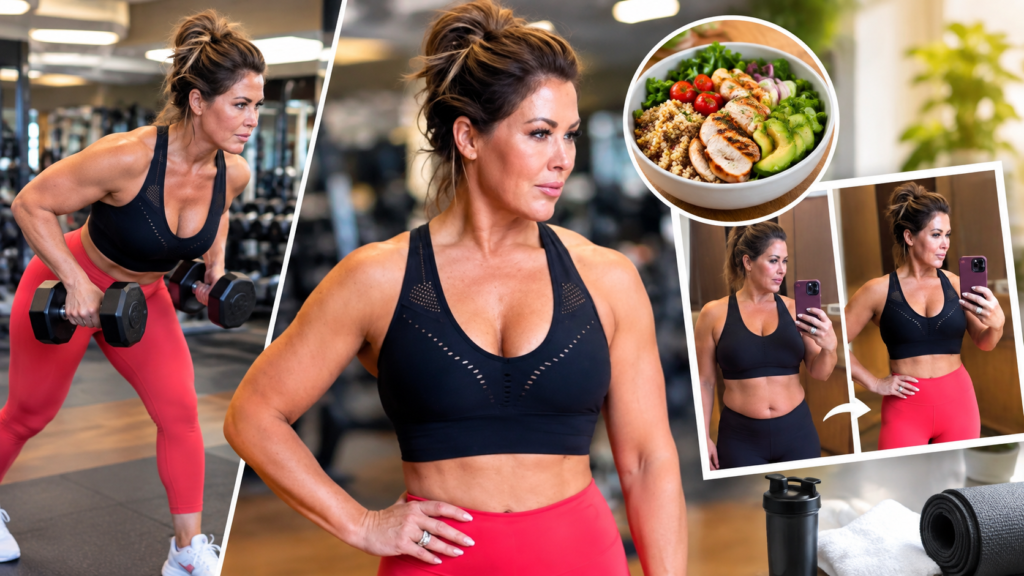
Stripped of the reality television context, Emily Simpson’s weight loss journey offers a few genuinely useful lessons.
- Medication can help start a process, but it rarely sustains long term change on its own.
- Consistency in training matters more than intensity, especially over a period of months or years.
- Being transparent about surgery, medication, and struggle tends to build more trust with an audience than pretending everything happened naturally.
- Body criticism does not disappear once you reach a goal weight. It often just changes direction.
- Sustainable results usually come from combining several tools rather than relying on a single solution.
These takeaways matter beyond the world of reality television. Anyone considering a similar path, whether that involves a GLP-1 medication, a new workout routine, or cosmetic procedures, should approach the decision the way Emily did: with input from a doctor, realistic expectations, and a willingness to adjust course if something is not working for their body.
Conclusion
Emily Simpson’s weight loss journey is not a simple before and after story, and that is exactly what makes it worth understanding. It involves a brief, doctor guided use of Ozempic, a genuine and demanding commitment to daily strength training, thoughtful dietary adjustments, and honest conversations about plastic surgery along the way.
Rather than crediting one single method, the most accurate way to describe her transformation is as a layered, evolving process that unfolded over more than a year and continues today. If there is one practical takeaway for readers inspired by her story, it is this: lasting change rarely comes from one decision. It comes from stacking small, consistent choices on top of each other, adjusting when something does not serve you, and being honest about the full picture rather than the highlight reel.
Frequently Asked Questions
Did Emily Simpson actually take Ozempic?
Yes. She has confirmed she used Ozempic for about a month and a half starting in December 2022, after her doctor suggested it during a routine appointment.
How much weight did Emily Simpson lose overall?
She has referenced losing around 40 pounds total between her lowest point around age 42 and her current physique at 47, though only a small portion of that came directly from her short term Ozempic use.
Did Emily Simpson get plastic surgery?
Yes. She has publicly discussed liposuction on her arms, a breast reduction, breast implant removal, and a lower face and neck lift as part of her overall body changes.
Why did Emily Simpson stop taking Ozempic?
She stopped because the side effects, including fatigue and nausea, made it difficult to keep up with her workouts and her responsibilities as a mother of three.
What does Emily Simpson do for exercise now?
She trains regularly with her personal trainer, Paulina Stein, focusing on strength based combination workouts that target multiple muscle groups, often early in the morning before her children wake up.