
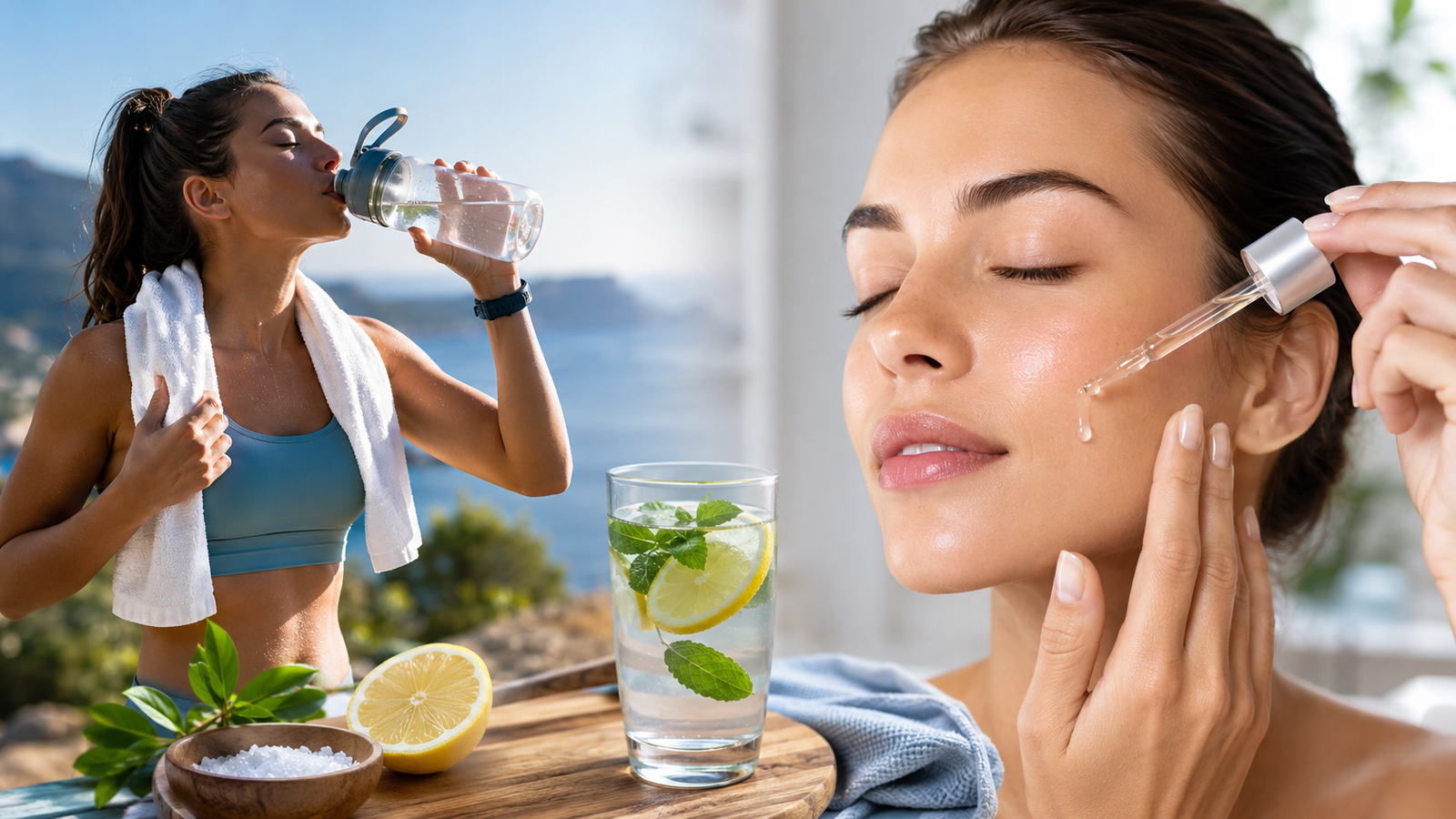
You reach for a glass of water after a workout, or you smooth on a hydrating serum after a long flight, and you expect to feel better right away. That expectation is exactly why the phrase instant hydration shows up in so many searches. People want to know if hydration can truly happen fast, and if so, how to make it happen for both the body and the skin.
The short answer is yes, but with some nuance. Your body and your skin absorb hydration on different timelines, through different mechanisms, and the fastest results come from understanding how each one actually works rather than guessing.
This guide breaks down the real science behind instant hydration, compares the most effective methods, and gives you practical steps you can use today, whether you are dehydrated from exercise, heat, travel, illness, or simply dry skin that needs a boost.
What Instant Hydration Really Means
Instant hydration is not a single product or a single process. It refers to any method that restores fluid and moisture levels quickly, whether that is inside the body through the bloodstream and cells, or on the surface through the skin barrier.
For the body, instant hydration usually means replenishing water and electrolytes fast enough to relieve symptoms of dehydration such as fatigue, headache, or muscle cramping. For the skin, it means delivering moisture into the outer layers quickly enough to reduce tightness, flaking, or dullness.
Both meanings share one thing in common. Nothing is truly instant in the sense of zero time passing, but with the right approach, the body and skin can feel noticeably better within minutes rather than hours. Understanding the biology behind that timeline is the key to choosing the right method.
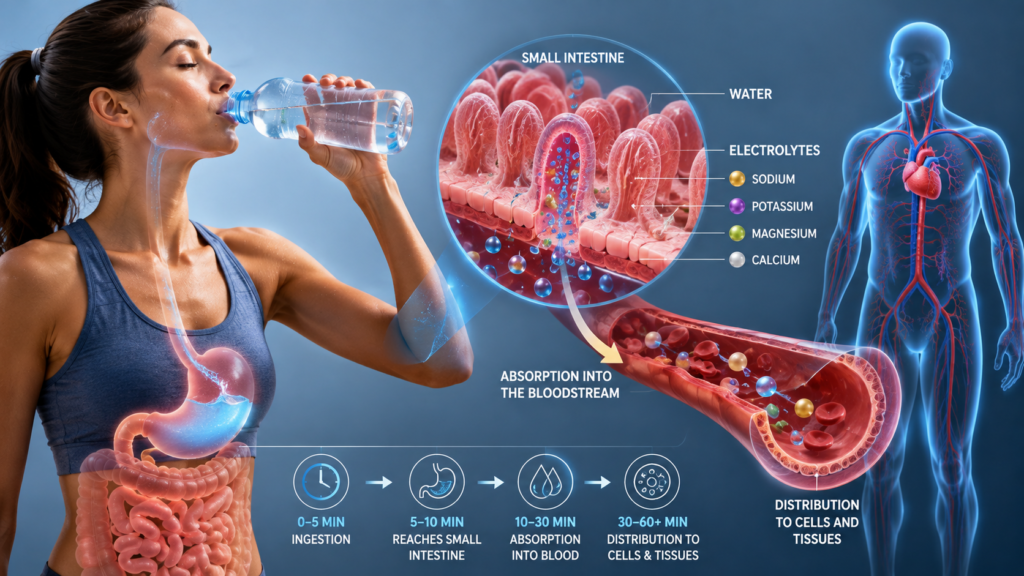
When you drink plain water, it travels from your stomach into your small intestine, where it gets absorbed into the bloodstream. This process typically begins within five to ten minutes, though full absorption and distribution throughout the body can take up to an hour or more depending on how much you drink and your hydration status beforehand.
Electrolytes change this timeline in an important way. Sodium, potassium, magnesium, and calcium help pull water across the intestinal wall more efficiently through a process called cotransport. This is the same principle behind oral rehydration therapy, which doctors have used for decades to treat dehydration from illness in both children and adults.
The Role of Electrolytes in Fast Hydration
Plain water alone can sometimes be absorbed more slowly, and in cases of heavy sweating or illness, it may even dilute the sodium levels already in your blood. Electrolytes solve this by giving water something to bind to, which speeds up absorption in the gut and helps your body retain the fluid rather than losing it quickly through urination.
This is why athletes, people working in heat, and those recovering from a stomach bug are often told to reach for an electrolyte drink instead of water alone. It is not a marketing gimmick. It reflects genuine digestive physiology.
How Long Does Hydration Really Take
Most people start to feel the effects of rehydration within fifteen to thirty minutes of drinking fluids, especially if electrolytes are involved. Full rehydration at the cellular level, where water is distributed to muscles, organs, and skin tissue, generally takes longer, often one to two hours for a significant fluid deficit.
So while you will not feel perfectly hydrated the second liquid touches your lips, the relief from symptoms like a dry mouth or mild headache can happen surprisingly fast, particularly with the right combination of water and minerals.
Signs You Need Hydration Right Now
Recognizing dehydration early makes it much easier to reverse quickly. Some of the clearest signs include:
- A dry or sticky feeling in the mouth
- Dark yellow urine or noticeably less frequent urination
- Headache or difficulty concentrating
- Fatigue that feels sudden rather than gradual
- Muscle cramps, especially after exercise or heat exposure
- Dizziness when standing up quickly
Thirst itself is actually a lagging indicator. By the time you feel thirsty, your body is often already mildly dehydrated. Paying attention to the other signs allows you to act sooner, which shortens how long it takes to feel normal again.
The Fastest Ways to Rehydrate Your Body
Not every hydration method works at the same speed. Here is how the most common options actually compare in real world use.
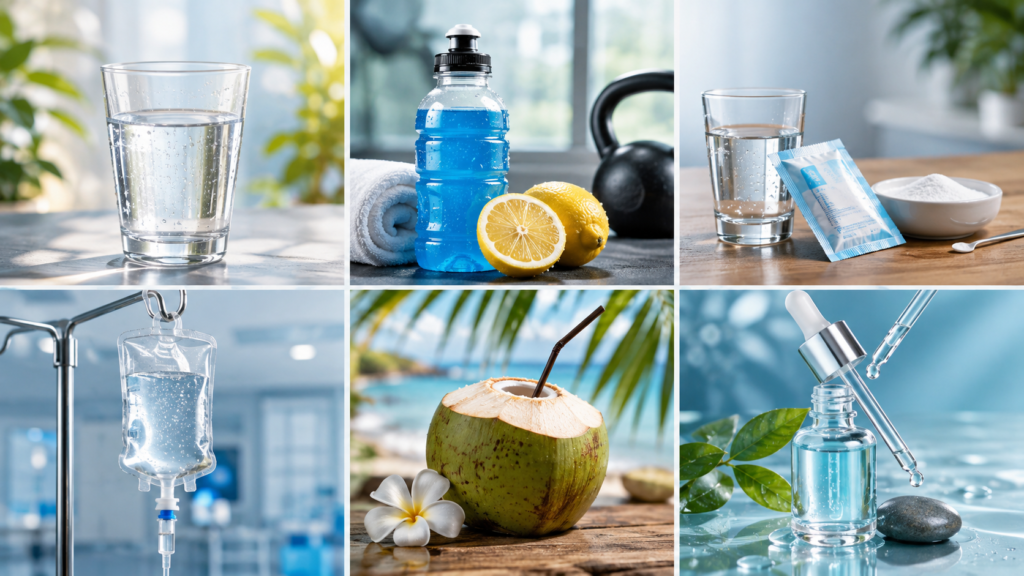
Water Alone vs Electrolyte Drinks
Plain water is essential and should always be your baseline. However, for moderate to severe dehydration, such as after intense exercise, prolonged heat exposure, or vomiting and diarrhea, electrolyte drinks tend to rehydrate you faster because of the sodium and potassium that pull fluid into your cells more efficiently.
If you are only mildly thirsty on a normal day, water is perfectly sufficient. Electrolyte drinks become more valuable as fluid loss increases.
Oral Rehydration Solutions and IV Therapy
Oral rehydration solutions, the kind used in hospitals and by aid organizations worldwide, are formulated with a precise ratio of salts and sugar to maximize absorption speed. They are considered the gold standard for treating dehydration caused by illness.
Intravenous, or IV, hydration therapy delivers fluids directly into the bloodstream, bypassing the digestive system entirely. This is genuinely the fastest method available, which is why it is used in medical emergencies and increasingly offered at wellness clinics. It is also the most invasive option and is not necessary for everyday dehydration that oral fluids can resolve.
Natural Options Like Coconut Water
Coconut water contains natural potassium and modest sodium, making it a reasonably effective and gentle way to rehydrate after light activity. It works more slowly than a formulated electrolyte drink because the mineral ratios are not optimized specifically for rapid absorption, but many people find it a pleasant, less processed alternative for everyday use.
Instant Hydration for Skin
The skin has its own version of dehydration, and it works differently from the body’s internal fluid balance. Skin hydration refers to the water content within the outer layer, called the stratum corneum, which affects how plump, smooth, and comfortable your skin feels and looks.
Unlike drinking water, which takes time to reach the skin through the bloodstream, topical hydration products can visibly improve the skin’s surface within minutes because they work directly where you apply them.
How Hyaluronic Acid and Hydrating Serums Work
Hyaluronic acid is one of the most common ingredients in hydrating serums because it can hold up to a thousand times its weight in water. When applied to slightly damp skin, it draws moisture from the environment and from deeper skin layers up into the surface, creating an immediate plumping effect.
Other ingredients like glycerin, panthenol, and ceramides work alongside hyaluronic acid to lock that moisture in place, preventing it from evaporating. This combination is why many hydrating serums are marketed with instant results, and in the case of surface smoothness, the claim is genuinely supported by how these ingredients function.
Building a Simple Hydration Routine for Skin
A few habits make a noticeable difference in how quickly and how long your skin stays hydrated.
- Apply serums to damp skin rather than fully dry skin, since humectants like hyaluronic acid need some moisture to draw from
- Follow a hydrating serum with a moisturizer that contains occlusive ingredients to seal moisture in
- Avoid overly hot water when washing your face, since it can strip the skin’s natural barrier
- Stay consistent, since skin hydration reflects both what you apply and your overall internal hydration over time
Internal and topical hydration are connected, even though they work through separate systems. Drinking enough water supports overall skin health, while topical products address the surface layer directly and immediately.
Comparing Hydration Methods at a Glance
| Method | Typical Speed of Relief | Best Suited For |
|---|---|---|
| Plain water | 15 to 60 minutes | Mild thirst, everyday maintenance |
| Electrolyte drinks | 10 to 30 minutes | Exercise, heat exposure, mild illness |
| Oral rehydration solution | 10 to 20 minutes | Vomiting, diarrhea, significant fluid loss |
| IV hydration therapy | Minutes | Medical emergencies, severe dehydration |
| Coconut water | 20 to 40 minutes | Light activity, gentle everyday rehydration |
| Hydrating serum with hyaluronic acid | Within minutes on skin surface | Dry, tight, or dull looking skin |
Who Needs Fast Hydration the Most
Certain groups benefit especially from understanding how to rehydrate quickly and effectively.
Athletes and anyone exercising in heat lose fluid and sodium rapidly through sweat, making electrolyte replacement important beyond just drinking water. Travelers, particularly on long flights, deal with low cabin humidity that dehydrates both the body and skin simultaneously. Older adults often have a reduced sense of thirst, which means they can become dehydrated without the usual warning signs, so proactive fluid intake matters more for this group. People recovering from illness involving vomiting or diarrhea lose fluids and electrolytes quickly and typically benefit most from an oral rehydration solution rather than water alone.
Even people with generally healthy routines can experience sudden dehydration from unusual heat, illness, or simply forgetting to drink enough during a busy day, so these strategies apply broadly, not just to extreme cases.
Common Hydration Mistakes That Slow You Down
A few habits quietly work against fast hydration, even when your intentions are good.
Drinking large amounts of plain water all at once during severe dehydration can actually dilute your blood sodium levels, a condition known as hyponatremia, which is why electrolytes matter in more serious cases. Relying on thirst alone as a signal means you often start rehydrating later than you should. Skipping moisturizer after a hydrating serum lets the water you just applied to your skin evaporate rather than stay locked in. Over caffeinating or drinking excessive alcohol without balancing fluid intake accelerates fluid loss rather than replacing it.
Being aware of these patterns helps you rehydrate more efficiently instead of working against your own efforts.
Conclusion
Instant hydration is not a myth, but it is also not magic. The body begins absorbing water within minutes, and electrolytes speed that process up considerably by helping fluid move efficiently through the digestive system and into your cells. The skin works on its own timeline, with hydrating ingredients like hyaluronic acid delivering visible plumping and smoothness almost immediately after application.
The fastest path to feeling properly hydrated combines a few simple principles. Choose electrolyte enhanced fluids when you have lost significant water through sweat, heat, or illness. Recognize the early signs of dehydration rather than waiting for thirst. Support your skin with hydrating serums applied to damp skin, followed by a moisturizer that locks the hydration in.
Understanding how your body and skin actually process hydration means you can respond faster and more effectively the next time you feel depleted, whether that depletion shows up as a headache after a long run or a tight, dry feeling on your face after a winter afternoon outside.
Frequently Asked Questions
Can you actually rehydrate instantly?
Not in a literal sense, but relief from mild dehydration symptoms can begin within fifteen to thirty minutes, especially with electrolyte enhanced fluids, and topical skin hydration can show visible results within minutes of application.
Is water or an electrolyte drink better for fast hydration?
Water is fine for everyday mild thirst, but electrolyte drinks rehydrate faster during exercise, heat exposure, or illness because sodium and potassium help your body absorb and retain fluid more efficiently.
Why does my skin still feel dry even though I drink enough water?
Skin hydration depends heavily on the outer skin barrier and topical moisture, not just internal fluid intake. A hydrating serum and moisturizer address the skin surface directly, which drinking water alone cannot fully do.
How much water should I drink to stay properly hydrated?
General guidance suggests around eleven and a half cups for women and about fifteen and a half cups of total fluids daily for men, though individual needs vary based on activity level, climate, and body size.
What is the fastest medical option for severe dehydration? I
ntravenous hydration therapy delivers fluids directly into the bloodstream and works faster than any oral method, which is why it is reserved for medical settings and cases of significant fluid loss.