
If you are searching for weather Lancaster information, chances are you need a quick answer to a simple question. Should you grab an umbrella, plan a weekend outdoors, or keep an eye on an approaching storm. This guide walks you through everything you need to know about checking Lancaster weather accurately, understanding what the numbers actually mean, and planning ahead with confidence.
Before diving in, it helps to clarify something most weather sites skip entirely. There are two well known cities named Lancaster in the United States, and the weather patterns in each are worlds apart.
Which Lancaster Are You Checking
This might seem like a small detail, but it changes everything about the forecast you should trust. Lancaster, Pennsylvania sits in the fertile farmland of the Susquehanna Valley, known for its Amish countryside and humid continental climate. Lancaster, California sits in the high desert of Los Angeles County, with dry heat, dramatic temperature swings, and far less rainfall.
If you typed weather Lancaster into a search bar without a state attached, most weather platforms will guess based on your location or browsing history. That guess is not always correct, so it is worth double checking the zip code or state before you commit to a forecast.
A simple habit fixes this instantly. Always search using the format Lancaster followed by the state abbreviation, such as Lancaster PA or Lancaster CA. This small step saves you from planning your day around the wrong city’s weather entirely.
How to Read a Live Forecast the Right Way
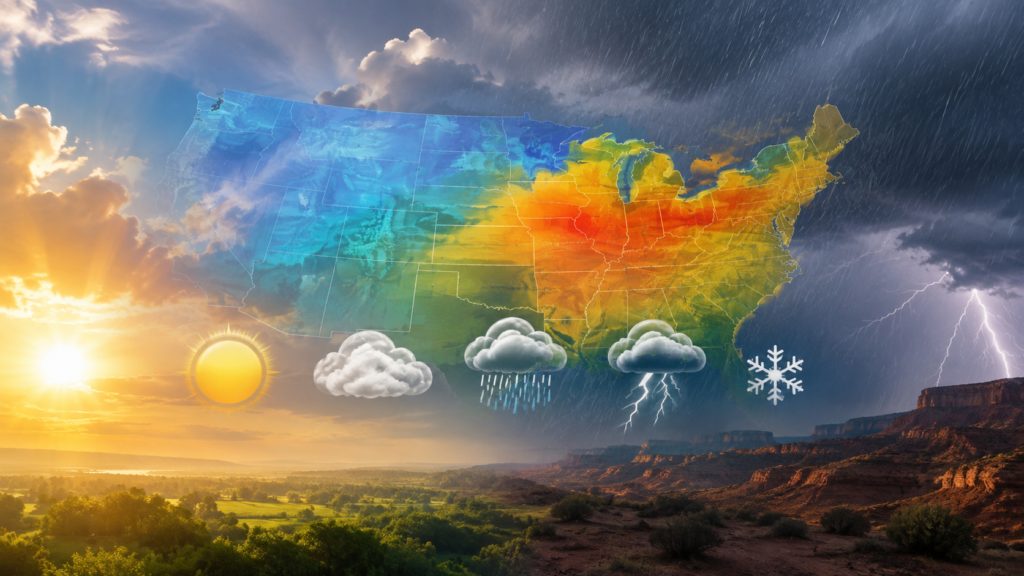
Live weather data updates constantly, pulling from local weather stations, satellites, and government monitoring networks. But not all numbers on a forecast page mean what people assume they mean.
Here is what actually matters when you glance at a live Lancaster weather update.
- Current temperature reflects the reading at the nearest official station, which might be several miles from your exact location.
- Feels like temperature accounts for wind chill or humidity, and it is often more useful than the raw number.
- Precipitation chance is a probability, not a guarantee. A 40 percent chance means rain is expected in 40 percent of similar weather setups, not that it will rain for 40 percent of the day.
- Wind speed and gusts matter more than most people realize, especially for outdoor plans or driving through open farmland or desert terrain.
Understanding these details turns a glance at a forecast into a genuinely useful planning tool, rather than a number you check and immediately forget.
Understanding Radar and What It Actually Shows
Weather radar looks intimidating at first, with its swirling greens, yellows, and reds, but the concept behind it is simple. Radar stations send out pulses that bounce off precipitation and send back a signal showing where rain, snow, or storms are currently located.
Green typically shows light rain, yellow and orange show moderate to heavy rain, and red or purple usually signals severe weather or intense thunderstorms. Watching radar over a 30 to 60 minute window gives you a much clearer sense of whether a storm is approaching, passing, or dissipating.
For both Lancaster locations, radar is especially useful during spring and summer months when fast moving storm cells can develop with little warning. Checking radar before heading outdoors, rather than relying only on the daily forecast summary, gives you a real time advantage.
Lancaster Pennsylvania Climate and Seasonal Patterns
Lancaster County, Pennsylvania experiences four distinct seasons, and each one brings its own weather personality.
Spring arrives with unpredictable swings, sometimes warm and sunny, other times cool and rainy within the same week. Late spring often brings the first thunderstorms of the year.
Summer is warm and humid, with average highs in the mid 80s Fahrenheit and occasional heat waves pushing temperatures into the 90s. Afternoon thunderstorms are common, especially in July and August.
Fall is arguably the most beloved season locally, with crisp air, colorful foliage across the farmland, and comfortable daytime temperatures that make it ideal for outdoor markets and countryside drives.
Winter brings cold temperatures, occasional snowfall, and the possibility of ice storms. Snow accumulation varies year to year, but residents typically see several measurable snow events between December and March.
Lancaster California Climate and Seasonal Patterns
Lancaster, California, located in the Antelope Valley, has a climate shaped by its high desert elevation and distance from coastal influence.
Spring brings mild temperatures and occasional wind events, since the region sits in a natural wind corridor. Wildflower blooms are common in nearby desert areas during a wet year.
Summer is hot and dry, with daytime highs frequently reaching the mid to upper 90s and sometimes exceeding 100 degrees Fahrenheit. Evenings cool down significantly due to low humidity and the desert’s rapid heat loss after sunset.
Fall offers a gradual cooldown, with warm days and increasingly crisp nights heading into November.
Winter is mild by comparison to much of the country, though nighttime temperatures can dip close to freezing. Rain is infrequent but not unheard of, and the surrounding mountains occasionally see snowfall that is visible from town.
How to Use a 10 Day Outlook Without Overtrusting It
A 10 day forecast is a helpful planning tool, but its accuracy decreases the further out you look. The first two to three days are generally reliable, days four through six offer a solid general trend, and anything beyond day seven should be treated as a rough estimate rather than a firm prediction.
Meteorologists build these forecasts using computer models that simulate atmospheric patterns, but small changes in those patterns can shift outcomes significantly over a week or more. This is true whether you are checking weather Lancaster PA or weather Lancaster CA.
A practical approach is to use the 10 day outlook for big picture planning, such as deciding whether a weekend trip looks promising, then checking back closer to the date for a more precise forecast.
Seasonal Planning Tips for Lancaster Residents and Visitors
Whether you live in Lancaster or are visiting for the first time, a few habits make weather planning easier throughout the year.
- Check the forecast the night before and again the morning of any outdoor plans, since conditions can shift overnight.
- Keep a light jacket in the car during spring and fall, since temperature swings between morning and afternoon can be significant in both regions.
- In Lancaster PA, plan farm visits, festivals, and outdoor markets around the forecast rather than the calendar date, since summer storms often arrive suddenly in the afternoon.
- In Lancaster CA, stay hydrated and avoid strenuous outdoor activity during peak summer afternoon heat, and plan for cooler evenings even after a hot day.
- Sign up for local weather alerts if you live in an area prone to severe storms, extreme heat, or winter ice, since early warnings genuinely make a difference.
Severe Weather Awareness in Both Regions
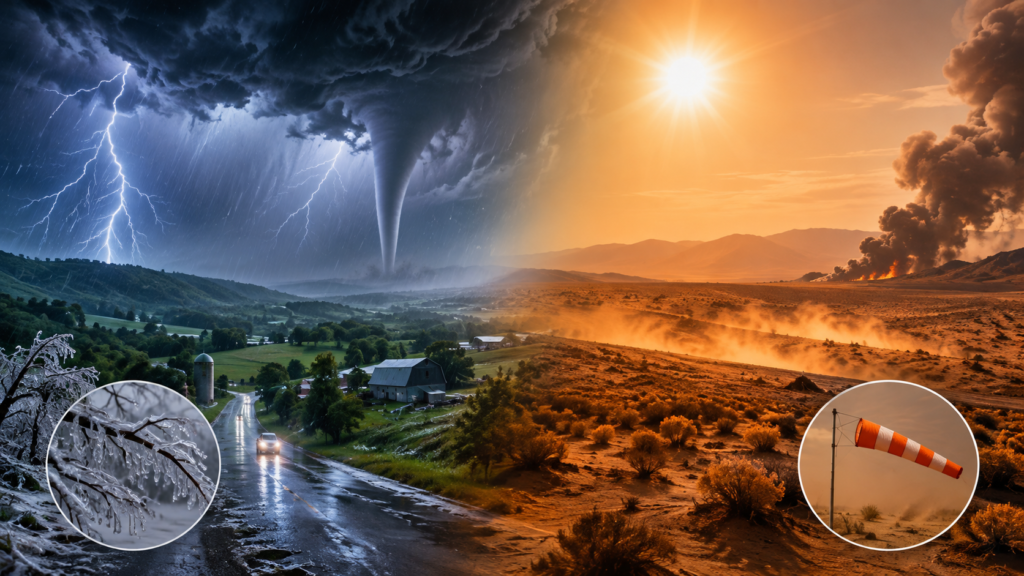
Severe weather looks different depending on which Lancaster you call home. In Pennsylvania, the primary concerns are thunderstorms with lightning, occasional tornado warnings during unstable spring and summer patterns, and winter ice storms that can make rural roads hazardous.
In California’s Antelope Valley, the bigger concerns tend to be strong wind events, occasional dust storms, extreme summer heat, and the risk of wildfire smoke drifting in from nearby regions during dry months.
Understanding the specific risks tied to your location helps you prepare appropriately rather than relying on generic advice that does not match your climate.
Air Quality and Pollen Considerations
Weather and air quality are closely connected, and both matter for people managing allergies or respiratory conditions. In Lancaster PA, tree pollen tends to peak in spring, grass pollen rises through early summer, and ragweed becomes the main concern in late summer and early fall.
In Lancaster CA, dust and dry conditions can affect air quality throughout the year, and wildfire season can bring temporary smoke related air quality drops during late summer and fall. Checking a combined weather and air quality forecast is especially useful for sensitive groups during these seasonal shifts.
Final Thoughts
Checking the weather Lancaster forecast does not need to be complicated, but it does help to know what you are actually looking at. Confirm which Lancaster you mean, understand how to interpret live conditions and radar, and treat longer range forecasts as a general guide rather than a guarantee.
Pennsylvania’s Lancaster brings humid summers, colorful autumns, and occasional winter snow, while California’s Lancaster offers dry desert heat, cool evenings, and mild winters. Knowing these seasonal patterns, paired with a habit of checking short term forecasts close to your plans, will keep you prepared no matter which season you are heading into.
Frequently Asked Questions
Is Lancaster PA or Lancaster CA weather more humid?
Lancaster PA has noticeably higher humidity year round due to its inland valley location, while Lancaster CA stays dry thanks to its high desert climate.
How accurate is a 10 day weather forecast for Lancaster?
The first three days are typically quite reliable, while days beyond seven should be treated as a general trend rather than an exact prediction.
Does Lancaster PA get significant snowfall in winter?
Yes, Lancaster County typically experiences several snow events each winter, though total accumulation varies from year to year.
Why does Lancaster CA get so cold at night even in summer?
Desert regions lose heat quickly after sunset due to low humidity and clear skies, which causes a sharp temperature drop even after a hot day.
What is the best way to track an approaching storm?
Checking live radar in 30 to 60 minute intervals gives a clearer, more real time picture of storm movement than relying on the daily forecast summary alone.