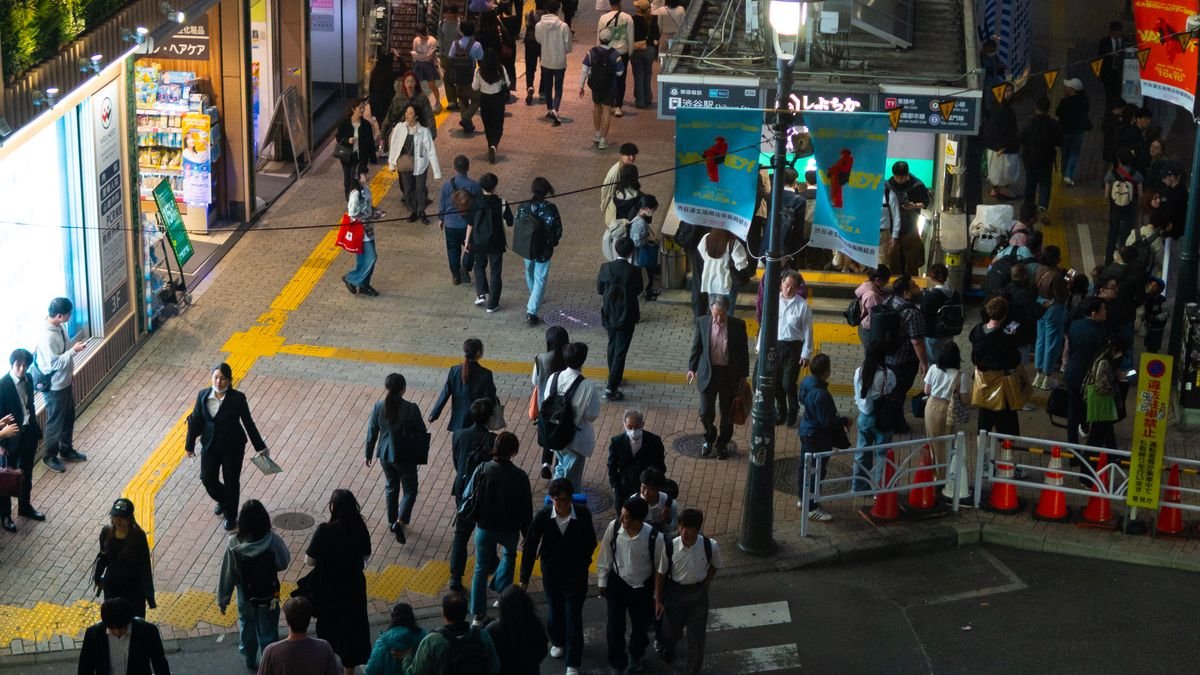
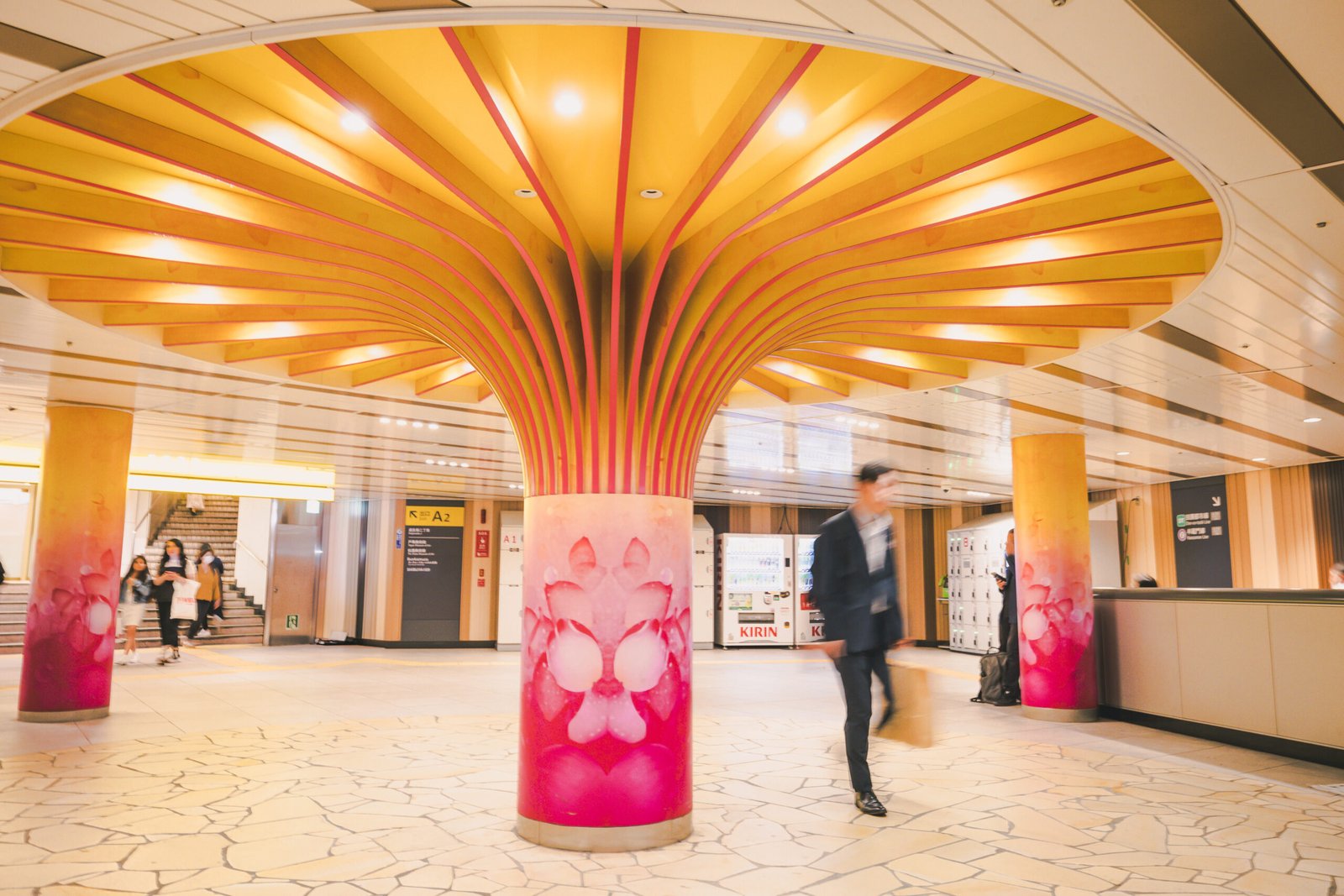
If this is your first trip to Japan, the moment you roll your suitcase into a giant station like Shinjuku or Tokyo, one question hits you fast: where do I put this thing while I explore. Learning how to use coin lockers in Japan stations solves that problem in about two minutes, and it usually costs less than a bowl of ramen.
Japan runs on trains, and Japanese stations run on coin lockers. They sit in long tidy rows near ticket gates, on underground concourses, and along shopping arcades attached to stations. Once you know the system, you can drop your bag, spend the day sightseeing with empty hands, and pick it up on your way to the hotel. This guide walks you through everything a first time visitor needs: the locker types, current prices, how to pay with coins or a Suica card, how to find an empty one in a packed station, and what to do when every locker is full.
Why Station Coin Lockers Are a Japan Travel Essential
Most Japan itineraries involve moving between cities with a big suitcase. Check in is usually at 3 in the afternoon, and check out is often at 10 in the morning. That leaves a long gap where your luggage has nowhere to live. Coin lockers fill that gap perfectly. Stash the bag at the station in the morning, explore the neighborhood, then collect the bag on your way to the next hotel.
Lockers are also ideal for day trips. Riding out from Tokyo to Kamakura or from Osaka to Nara with a full suitcase means dragging it through crowds and up station stairs. Ten seconds at a locker row removes the problem entirely. The system is safe, cheap, and everywhere, which is why seasoned Japan travelers plan their days around it.
How to Use Coin Lockers in Japan Stations Step by Step
There are two styles of locker in Japanese stations, and the steps differ slightly. Both are easy once you have seen the process once. Look at the locker doors first: the old style has a physical key sticking out of each door, while the new style has a central touch screen panel for the whole row.
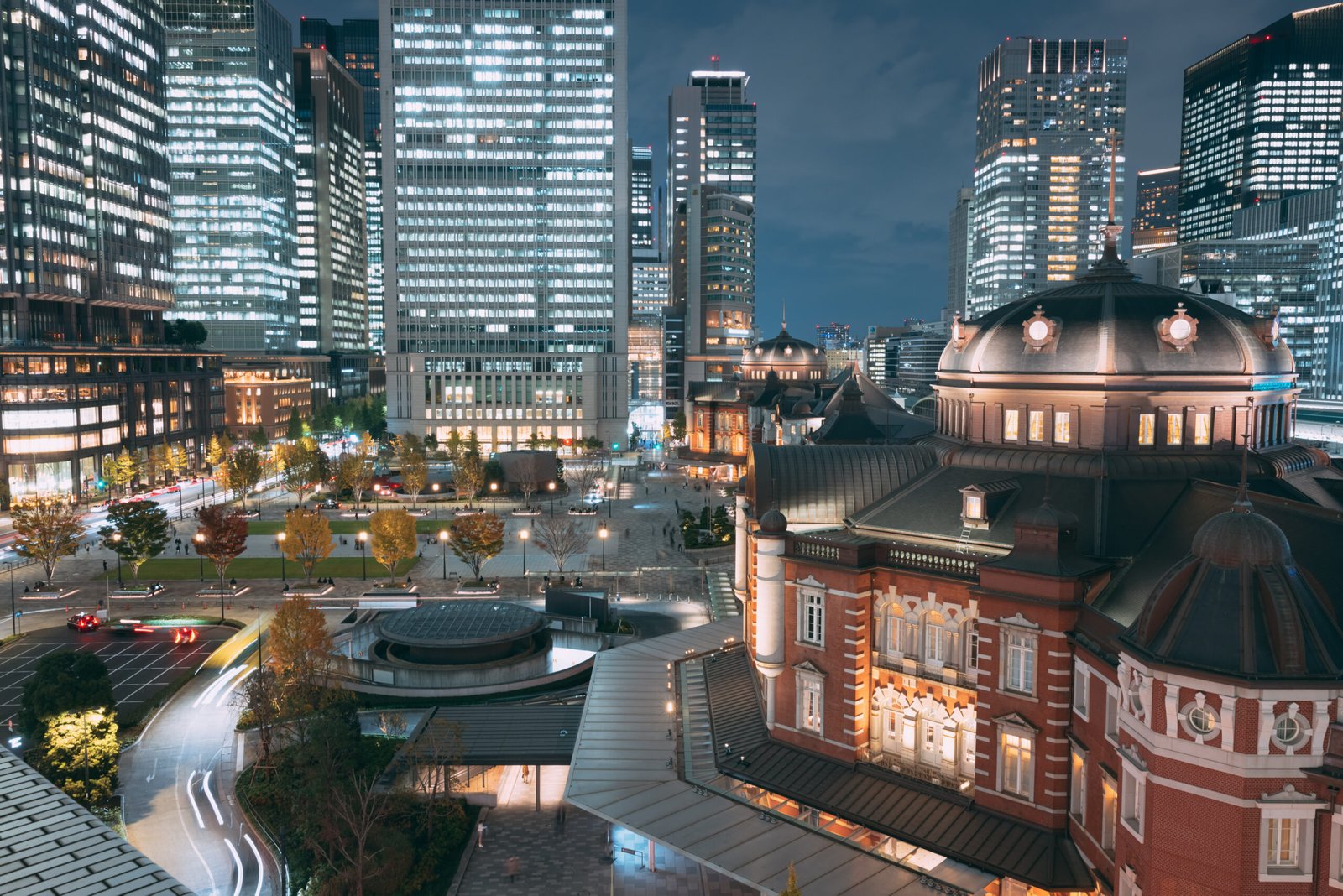
The classic key style locker
These are the originals, and they still survive in smaller stations and older corners of big ones. Find an empty locker with a key in the door. Open the door, place your bag inside, and close the door firmly. Now insert the exact fee in 100 yen coins into the slot on the door. Turn the key to lock it, pull the key out, and keep it somewhere safe like a zipped pocket.
To get your bag back, insert the key into the same door and turn it the other way. If you stayed past the first day, the key may refuse to turn until you feed in extra coins for the extra days. Pay the difference shown above the keyhole, then turn and open as normal.
The modern touch screen locker
Newer locker banks use one central panel for the whole row. Tap the screen and choose English first; most panels offer English, Chinese and Korean. Select deposit, then pick an empty locker from the list shown. The locker door pops open. Load your bag, close the door until it clicks, and return to the panel.
Choose your payment method: coins, notes, or an IC card like Suica, Pasmo or Icoca. If you pay with cash, the machine prints a receipt with a PIN code. If you tap an IC card, that card becomes your key, so guard it like a house key. Take a photo of the receipt as a backup. To retrieve the bag, tap the remove option on the panel, enter your PIN or tap the same IC card, and the door opens.
Locker Sizes and What They Cost in 2026
Locker prices in Japan depend on size, and most stations use three or four standard sizes. The figures below are the typical ranges at major JR and metro stations in Tokyo and Osaka. Small regional stations can be slightly cheaper, and airports slightly more expensive.
A small locker fits a backpack, a shopping bag or a tote. It usually costs 300 to 400 yen per day. A medium locker swallows a carry on suitcase or a large backpack, and runs 500 to 600 yen per day. A large locker takes a full size checked suitcase, priced around 700 to 900 yen per day. At the biggest stations you may also find extra large lockers for 1,000 to 1,200 yen per day, roomy enough for a large suitcase plus a daypack.
Before paying, open a candidate door and check that your bag actually fits. Large suitcases only fit large lockers, and big stations sell out of large sizes first. If the door will not close without forcing it, move up a size. A bag that stops the door closing properly will not lock, and the machine will not take your money.
How to Pay for a Locker: Coins, Bills and IC Cards
Key style lockers are old school: they take 100 yen coins only. Smaller coins and notes will not work, which is exactly why the lockers carry the name coin lockers. Before you travel, build a small stash of 100 yen coins. Convenience stores are happy to break a 1,000 yen note for you when you buy a drink, and station fare adjustment machines can also give you coins.
Touch screen lockers are far more flexible. They accept coins, 1,000 yen notes, and IC cards. Paying with a Suica or Pasmo card is the smoothest option: one tap locks the door, the same tap opens it later, and you never handle coins at all. One warning from experience: the card you tap to lock is the only card that opens the locker. If you travel with two IC cards, remember exactly which one you used.
If you are arriving from the airport with no IC card yet, grab one at the airport station before heading into the city. Digital Suica on a phone works at many newer locker banks too, as long as the reader supports mobile IC. When in doubt, coins always work, so keep a few in your pocket as a backup plan.
Finding an Empty Locker When the Station Is Packed
At major stations the lockers near the main ticket gates fill up by mid morning, especially on weekends and holidays. The trick is to walk a little further. Locker rows tucked down side corridors, near less used exits, or on basement shopping floors are often half empty while the main rows show a wall of red occupied lights.
Green lights mean empty, red lights mean taken, on most locker banks. At very large stations like Shinjuku or Tokyo, dedicated locker maps help: search for Coin Locker Navi or your station name plus locker map before you arrive. The JR East app also shows locker locations and live availability at many JR stations, which saves a lot of wandering.
Airport lockers are a special case. Narita and Haneda run their lockers around the clock, and they allow storage for up to eight days. If you land early and cannot check in until afternoon, the airport lockers let you start sightseeing immediately. Just remember the layout of the terminal, because identical locker rows in a huge airport are easy to lose track of. Note the terminal, the floor and the locker number on your phone before you walk away.
Time Limits and the Midnight Reset Rule
Most station lockers allow storage for up to three days. Leave a bag longer than that and station staff will open the locker, remove the contents, and move them to a lost property office. Getting them back involves paperwork and a fee, so set a phone reminder for your pickup day.
The pricing rule that catches visitors out is the midnight reset. Lockers charge by calendar day, not by 24 hour blocks. Put a bag in at 11 at night and collect it at 8 the next morning, and you have used two days of rental, not one. For short evening stops this can double the cost, so plan around it: store in the morning and collect in the evening of the same day whenever possible.
Overdue fees are collected when you open the locker. On key style lockers you feed the extra coins into the door before the key turns. On touch screen lockers you enter your PIN or tap your IC card and the panel shows the extra charge, which you pay on the spot. The system is forgiving as long as you pay; the real trouble only starts after the three day limit.
What to Do When Every Locker Is Full
It happens, especially at Kyoto Station on a Saturday or Shinjuku during cherry blossom season. You walk the whole locker zone and every light is red. Do not panic; you still have good options.
First, check the station information counter. Many large stations keep a staffed baggage room or know about overflow lockers in a nearby shopping arcade. Ask in simple English or show the phrase for luggage storage on your phone; station staff deal with this request every day. Second, look for luggage storage services like ecbo cloak, which let you book space in nearby cafes and shops through an app. These accept any bag size, which is handy when the only free lockers are too small.
Third, consider sending the bag ahead instead. Yamato Transport runs same day luggage delivery from major stations and airports to hotels, and many hotels accept bags at the front desk before check in. It costs more than a locker, but it removes the bag from your day completely. A fourth option for rail pass holders: ride one stop out to a quieter suburban station, use its empty lockers, and come back. It adds twenty minutes and often solves the problem.
Safety Tips and Common Mistakes to Avoid
Japan is one of the safest countries in the world for leaving luggage, and locker theft is extremely rare. Still, a few habits keep things smooth. Keep your passport, medication, valuables and anything you need during the day on your person, not in the locker. Lockers are for clothes, souvenirs and bulky gear.
Photograph your locker number, the receipt and the surrounding area before you leave. Stations can have dozens of identical locker rows, and after six hours of sightseeing they all look the same. If you use a key style locker, put the key in a zipped pocket or a neck pouch the moment you take it out; a lost key means a fee and a wait while staff open the door.
Double check the door is actually locked before walking away. Give it a firm pull. On touch screen lockers, wait for the confirmation screen before leaving the panel. And if anything confuses you, ask station staff rather than guessing. A quick question at the information desk beats a locked bag and a missed train.
Alternatives When Lockers Do Not Work for You
Lockers are brilliant for a day, but not for every situation. If you are moving hotels daily, luggage forwarding services will carry your bags from hotel to hotel overnight, so you travel with just a daypack. Ask your hotel front desk; they arrange this routinely and it usually arrives by the next afternoon.
For longer stays in one city, many business hotels and hostels will store bags for free after check out on your final day. This beats paying for another locker day. And if you are doing a side trip of two or three nights, some travelers leave the big suitcase at their main hotel in Tokyo or Osaka and travel light to Kyoto or the countryside, collecting it on return.
Connectivity makes all of this easier. Locker maps, storage apps and translation tools all need data, so sort out your phone connection when you land. Our guide to staying connected in Japan as a tourist covers pocket wifi, eSIMs and local SIM cards so your apps work the moment you step off the train.
Final Takeaways
Now that you know how to use coin lockers in Japan stations, your trip gets noticeably easier. Remember the essentials: spot the two locker styles, check the size before you pay, keep 100 yen coins or a charged IC card ready, and plan around the midnight reset so you do not pay for two days by accident. Photograph your locker details, keep valuables with you, and have a backup plan for the days when every locker is full.
Handled well, a coin locker turns a heavy travel day into a light one. Drop the bag, explore with empty hands, and let the station look after your luggage while Japan does the entertaining.
Frequently Asked Questions
How much do coin lockers cost in Japan?
Small lockers cost around 300 to 400 yen per day, medium lockers 500 to 600 yen, and large lockers 700 to 900 yen. Extra large lockers at major stations run 1,000 to 1,200 yen per day. Prices vary slightly by station.
Can I pay for Japanese coin lockers with a Suica card?
Yes, at modern touch screen lockers. Tap your Suica, Pasmo or Icoca to pay, and tap the same card to open the locker later. Older key style lockers accept 100 yen coins only.
How long can I leave luggage in a station locker?
Most station lockers allow up to three days of storage. After that, staff remove the contents to a lost property office. Note that fees reset at midnight, so an evening drop off and morning pickup counts as two days.
Are coin lockers in Japan safe?
Yes. Theft from station lockers is extremely rare. Still, keep your passport, medication and valuables with you, photograph your locker number and receipt, and make sure the door is firmly locked before you leave.
What should I do if all the lockers at a station are full?
Ask the station information counter about overflow storage, try a luggage storage app for nearby shops and cafes, walk to a quieter neighboring station, or send your bags to your hotel with a luggage delivery service.