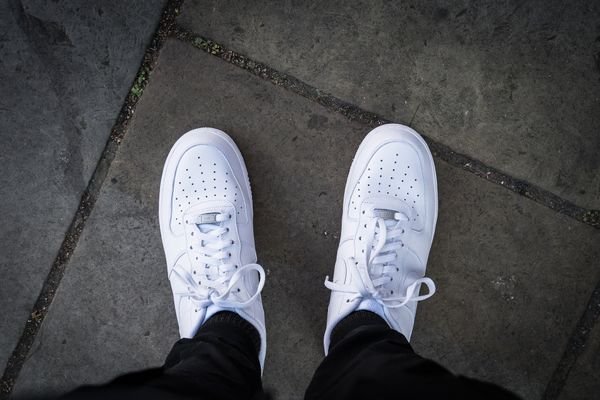
You love how they look on day one. Crisp, bright and clean, white sneakers go with everything you own. Then a few weeks pass and the edges start to tint. A faint yellow creeps along the sole, the canvas looks a little dingy, and suddenly a new pair feels old. If you want to know how to keep white sneakers from turning yellow, the good news is that the discoloration is not random. It comes from a handful of specific habits around washing, drying and storage, and every one of them is fixable. This guide breaks down why the color changes, what most people get wrong, and nine simple habits that keep your pair looking fresh far longer.
Why white sneakers turn yellow in the first place
The main culprit is a process called oxidation. The foam and rubber used in sneaker soles, especially the white EVA foam in most midsoles, reacts with oxygen and light over time. That chemical reaction shifts the material from bright white toward yellow. It happens to every pair eventually, even pairs that never leave the box, but heat and sunlight speed it up dramatically.
Sweat and body oils are the second trigger. Your feet produce moisture on every wear, and that moisture carries salts and oils into the fabric, the collar and the insole. If those residues sit in the material, they oxidize and leave yellow stains behind. This is why the toe box and the area around the ankle collar often yellow first.
The third cause is the one most people create themselves: washing and drying mistakes. Leftover soap or detergent that never fully rinses out can dry into a yellow film. Chlorine bleach is even worse, because it reacts with sweat residue and hard water minerals to create stubborn yellow patches. And drying wet sneakers in direct sun bakes all of these problems into the material at once.
How to keep white sneakers from turning yellow when you wash them
Washing is the moment when most yellowing begins, so it deserves the most care. The right approach is gentler than you think and takes only a few minutes of active effort.
Wash by hand with mild soap and cold water
Skip the washing machine. The agitation, heat and spin cycle are rough on adhesives and stitching, and they press dirt deeper into fabric instead of lifting it. Fill a basin with cold water, add a few drops of mild dish soap or a gentle laundry soap, and clean the uppers with a soft brush or an old toothbrush using light circular motions.
Cold water matters because heat opens up fibers and sets stains in place. Lukewarm is the warmest you should ever go. This is the same gentle approach we recommend in our safe hand washing method for caps, because the principle is identical: mild soap, cool water and patient hands beat harsh chemistry every time.
Rinse until the water runs completely clear
This is the step almost everyone rushes. Soap residue left behind in canvas, mesh or knit uppers dries into a stiff film that attracts dirt and turns yellow in light. After scrubbing, rinse the shoes under cool running water and keep going until the water sheets off with zero suds. Squeeze the uppers gently to push trapped soap out of the padding around the collar and tongue, then rinse again.
Skip bleach and harsh chemicals entirely
Bleach feels like the obvious fix for white shoes, but it is one of the fastest ways to yellow them. Chlorine bleach weakens fibers, reacts with sweat salts and minerals in hard water, and leaves a chemical residue that discolors under sunlight. Oxygen based cleaners are milder, but even those can yellow some materials if you leave them on too long or dry the shoes in sun afterward. Plain mild soap handles everyday dirt just fine, and that is all most pairs need.
Drying is where most yellowing actually starts
Here is the uncomfortable truth: many pairs do not yellow in the wash. They yellow on the porch afterward. Wet material plus heat plus UV light is the perfect recipe for oxidation, and the damage shows up days later as a yellow tint that was not there before.
Never dry white sneakers in direct sunlight
It is tempting to set wet shoes in the sun to speed things up, but UV radiation is one of the strongest yellowing triggers there is. The sun also heats the sole, and warm foam oxidizes faster than cool foam. Dry your sneakers indoors at room temperature, away from windows, radiators and heating vents. Good airflow helps, so a room with a fan running or a breezy hallway is ideal.
Stuff them with white paper and keep their shape
Before you set them aside, stuff each shoe loosely with white paper towels or plain white paper. The paper absorbs moisture from the inside, which shortens drying time and reduces the window when damp material can discolor. It also holds the toe box shape so the shoes do not crease as they dry. Never use newspaper or colored paper, because wet ink can transfer onto damp fabric and leave gray or yellow marks of its own.
Remove the laces and insoles to dry separately
Laces and insoles trap moisture against the shoe and slow everything down. Pull them out before drying. Laces can soak separately in mild soapy water and air dry on a towel. Insoles benefit from a wipe with a baking soda paste, then a full air dry before they go back in. Putting damp insoles back into a damp shoe is a shortcut to odor and discoloration, so give every part the time it needs.
Storage habits that stop yellowing over time
What happens between wears matters as much as washing. Sneakers spend most of their lives sitting somewhere, and poor storage quietly ages them even when you are not wearing them.
Keep them cool, dark and dry
Store white sneakers in a cool spot away from direct light. A closet shelf or a shaded cubby works well. Avoid windowsills, glass display shelves in sunny rooms and hot cars, because UV and heat team up to yellow soles faster than anything else. If you keep the original box, leave the lid slightly open or the box in a ventilated spot so moisture does not get trapped inside with the shoes.
Let each pair rest between wears
Wearing the same pair every single day never gives the materials a chance to fully dry out and recover. Moisture from your feet stays locked in the padding, and that constant dampness feeds both odor and yellowing. If you can, rotate between two pairs so each one gets at least a full day of rest. Your sneakers will last noticeably longer, and each pair will stay brighter.
Toss in silica gel packets
Those little packets that come in the box are genuinely useful. Silica gel absorbs ambient moisture inside a shoebox or storage bin, keeping the environment around your sneakers dry. Save the packets from new purchases and drop a couple into each box. Replace them when they feel saturated or every few months in humid climates.
Do not forget the soles, laces and collar
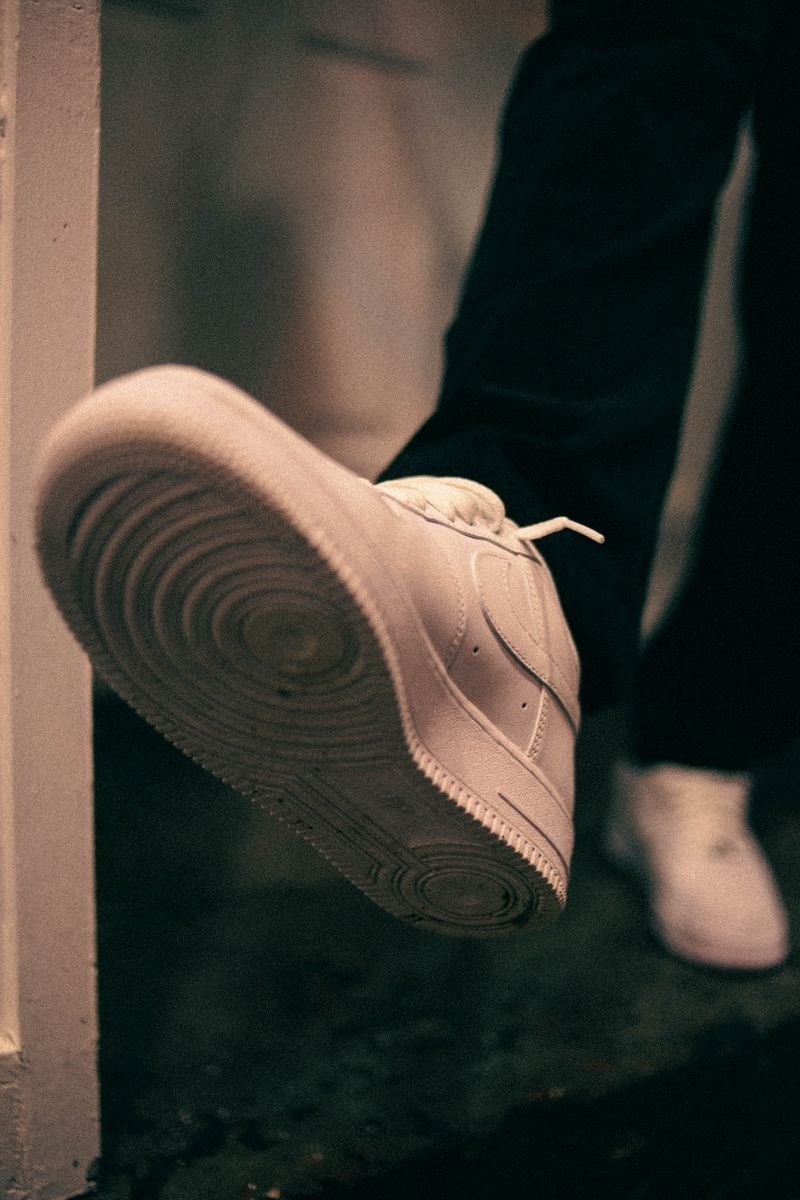
The upper gets all the attention, but the sole edge is usually the first part to show yellow. The textured rubber around the midsole collects grime in its grooves, and that grime oxidizes into a yellow tint. A melamine sponge, the kind sold as a magic eraser, lifts scuffs and surface dirt from rubber soles with just water and light pressure. Use it gently on textured areas and rinse the residue off when you finish.
Laces deserve their own routine because dingy laces make even clean shoes look tired. Soak white laces in warm water with a spoonful of baking soda for twenty to thirty minutes, then scrub lightly and air dry flat. You will be surprised how much brightness comes back. Collars and tongues pick up sweat and sunscreen, so wipe them with a damp cloth after heavy wear days instead of waiting for the stains to set.
Protect new sneakers before the first wear
The easiest yellowing to prevent is the kind that never starts. A fabric or sneaker protector spray applied to a brand new pair creates an invisible barrier that repels water, dirt and oils. Spray evenly from a few inches away, let the shoes dry fully, and reapply every few weeks or after each deep clean. The spray will not stop oxidation on its own, but it keeps the contaminants that accelerate yellowing from soaking in.
Two more habits are worth building from day one. Wipe your sneakers with a dry microfiber cloth after each wear to remove surface dust before it settles in. And choose your days: wearing white sneakers through rain, mud or dusty construction zones guarantees extra cleaning sessions that wear the materials down faster.
A quick weekly checklist to keep them bright
If a full routine sounds like too much, this short checklist covers the habits that make the biggest difference:
- Brush off surface dirt with a dry soft brush after every few wears
- Spot clean scuffs within a day so stains never set
- Wash only when needed, always by hand with cold water and mild soap
- Rinse until the water runs clear, then air dry indoors away from sun
- Rotate pairs so each one rests at least a day between wears
- Store in a cool, dark, ventilated spot with silica gel packets
- Reapply protector spray every few weeks
Conclusion
Learning how to keep white sneakers from turning yellow comes down to respecting what actually causes the color change. Oxidation, UV light, trapped sweat and soap residue do the damage, and bleach, hot water, machine washing and sun drying make it worse. The fix is a set of gentle habits: hand wash with mild soap and cold water, rinse thoroughly, dry indoors away from heat and sunlight, rotate your pairs and store them cool and dark. None of these steps takes more than a few minutes, but together they add months or even years of bright white life to your favorite pair. Start with the pair you are wearing right now, because the yellowing you prevent this week is the yellowing you never have to scrub out next month.
Frequently asked questions
Why do white sneakers turn yellow after washing?
The most common reason is residue. Soap or detergent that does not fully rinse out dries into a film that yellows in light. Drying wet shoes in direct sunlight is the other big cause, because UV and heat accelerate oxidation in the sole foam. Cold water, thorough rinsing and indoor drying solve both problems.
Can bleach whiten yellow sneakers?
No, and it usually makes things worse. Chlorine bleach reacts with sweat salts and minerals in water to create new yellow stains, and it weakens fibers at the same time. Stick with mild soap, baking soda paste for stubborn spots and a melamine sponge for rubber soles.
Does sunlight whiten or yellow white shoes?
Sunlight yellows them. While a brief spell of gentle light is sometimes suggested for drying, direct sun exposure is one of the strongest triggers for oxidation in white foam and rubber soles. Always dry white sneakers indoors at room temperature.
How should I store white sneakers to prevent yellowing?
Keep them in a cool, dark, dry place with good ventilation, such as a closet shelf rather than a sunny windowsill. Let each pair rest a day between wears, keep silica gel packets in the box to absorb moisture and avoid sealed plastic bags that trap humidity.
Can already yellowed sneakers be saved?
Surface yellowing from dirt or soap residue often lifts with a baking soda paste, thorough rinsing and a melamine sponge on the soles. Deep yellowing inside aged foam, where the material itself has chemically changed, is usually permanent. That is why prevention habits matter so much more than rescue attempts.