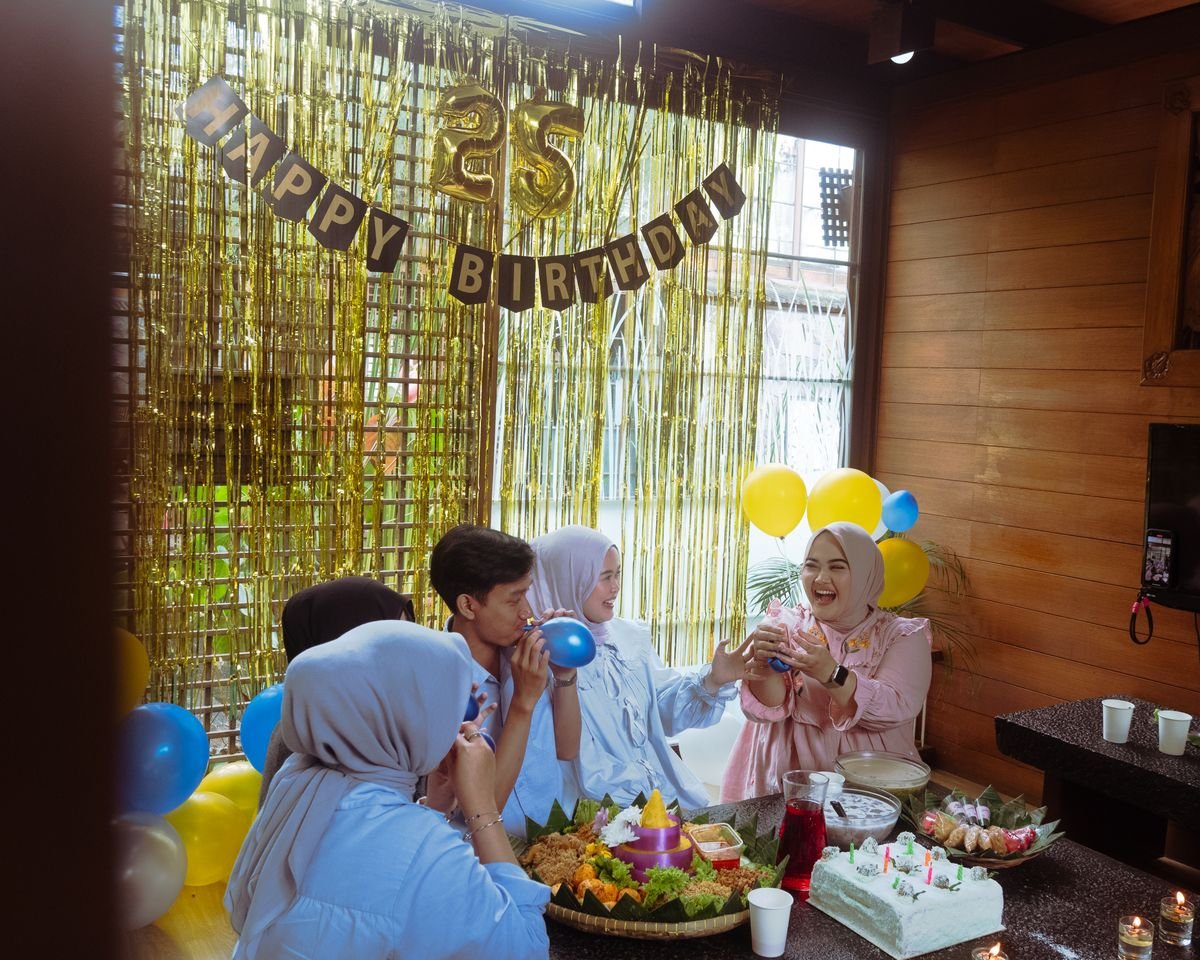
It is two weeks before your best friend turns thirty. You want a party that feels like a celebration, not a compromise. You also have a small living room, a busy week, and about one hundred and fifty dollars to spend. That tension is the whole story of a home birthday party for adults. Spend too much and the night feels stressful. Spend too little in the wrong places and the night feels thin. Get the balance right and nobody remembers what you spent. They remember laughing in your kitchen, eating well, and staying longer than planned. If you are learning how to plan a low cost birthday party for adults at home, this guide gives you a complete plan: a worked budget for twelve guests, a food plan that fills people up, decor that costs almost nothing, and a day plan that keeps you out of the kitchen when guests arrive.
The plan below is built around three decisions. First, the guest list sets every other cost, so it comes before shopping. Second, food and drink take the largest share of the budget, because hungry guests notice a short table long before they notice plain decor. Third, one strong theme, carried through in two or three visible places, does more than a dozen small decorations scattered everywhere. Follow that order and a low cost party stops feeling like a cut down version of an expensive party. It feels like a party with a clear idea.
Start With the Guest List, Not the Shopping List
Every dollar in a party budget is really a dollar per guest. Twelve guests at one hundred and fifty dollars is twelve dollars and fifty cents per person for food, drink, decor, and cake combined. Twenty guests at the same total is seven dollars and fifty cents per person, and the food plan changes completely. Decide the number first, then build the plan to fit it. For a home party, twelve is a sweet spot. It fills a living room without crowding it, it fits around one table or two small ones, and it keeps conversation in one group instead of splitting into clusters that never mix.
Invite people who know each other, or who will enjoy meeting each other. A low cost party lives or dies on atmosphere, and atmosphere comes from guests who talk, play, and help. Invite one or two natural connectors, the friends who introduce people and keep a conversation moving. If the guest of honor has a close friend who loves to host, ask that person to arrive early and stay close to the door for the first half hour. New arrivals relax faster when a familiar face greets them at once.
Send invitations early and keep them simple. A group message or a free digital invitation with the date, the start time, the address, and one line about food is enough. Ask guests to reply by a set date, and ask about allergies in the same message. Knowing about a nut allergy or a gluten free guest on day one is far cheaper than rebuilding a menu the night before. If you want guests to bring something, name one thing, such as a bottle or a bag of ice, and keep it optional. A party that asks every guest to bring a dish is a potluck, and there is nothing wrong with a potluck, but it should be planned as one from the start, not rescued into one at the last minute.
How to Plan a Low Cost Birthday Party for Adults at Home on 150 Dollars
A budget that lives only in your head will drift. Write it down, in four lines, before you buy anything. The split below is a starting point for twelve adults, with room to shift ten dollars from one line to another as prices in your area dictate. It assumes you already own plates, cups, and basic kitchen tools, and that you borrow or reuse decor where you can.
Food, sixty five dollars. This covers a filling main spread, snacks, and the small extras that make a table feel generous, such as lemons for drinks and a bowl of something salty. Drink, thirty dollars. This covers a large batch drink, sparkling water, ice, and coffee or tea, with guests welcome to bring a bottle if they wish. Cake, twenty five dollars. This covers a store bought cake dressed up at home, or the ingredients for a simple homemade cake with frosting and candles. Decor and supplies, thirty dollars. This covers balloons, a banner, candles, napkins, and any single statement item, such as a photo backdrop made from items you already own. The total is one hundred and fifty dollars, and the buffer is your discipline. If food comes in under budget, move the saving to decor or to a better cake. If decor tempts you, remember that guests eat the food and photograph the cake. They rarely photograph a balloon on its own.
Keep receipts in one envelope or one notes app list as you shop. Check the running total after each shop, not at the end. If a line goes over by ten dollars, take ten dollars from another line the same day, while you still have choices. The most common budget leak is a second shopping trip for forgotten items, each one adding a few dollars of extras. A single written shopping list, checked against the menu before you leave, is the cheapest party tool you own.
Pick One Theme That Costs Almost Nothing
A theme is not a costume requirement or a color code that guests must obey. It is a short idea that tells you what to buy, what to play, and what to skip. Good low cost themes use things you already own or can borrow. A movie night theme uses a borrowed projector or a television, popcorn, and a trivia round about the guest of honor. A taco night theme uses one menu, bright napkins, and a playlist, and it needs almost no decor beyond the table itself. A decade theme, such as the year the guest of honor turned eighteen, uses a playlist and a photo display, both free.
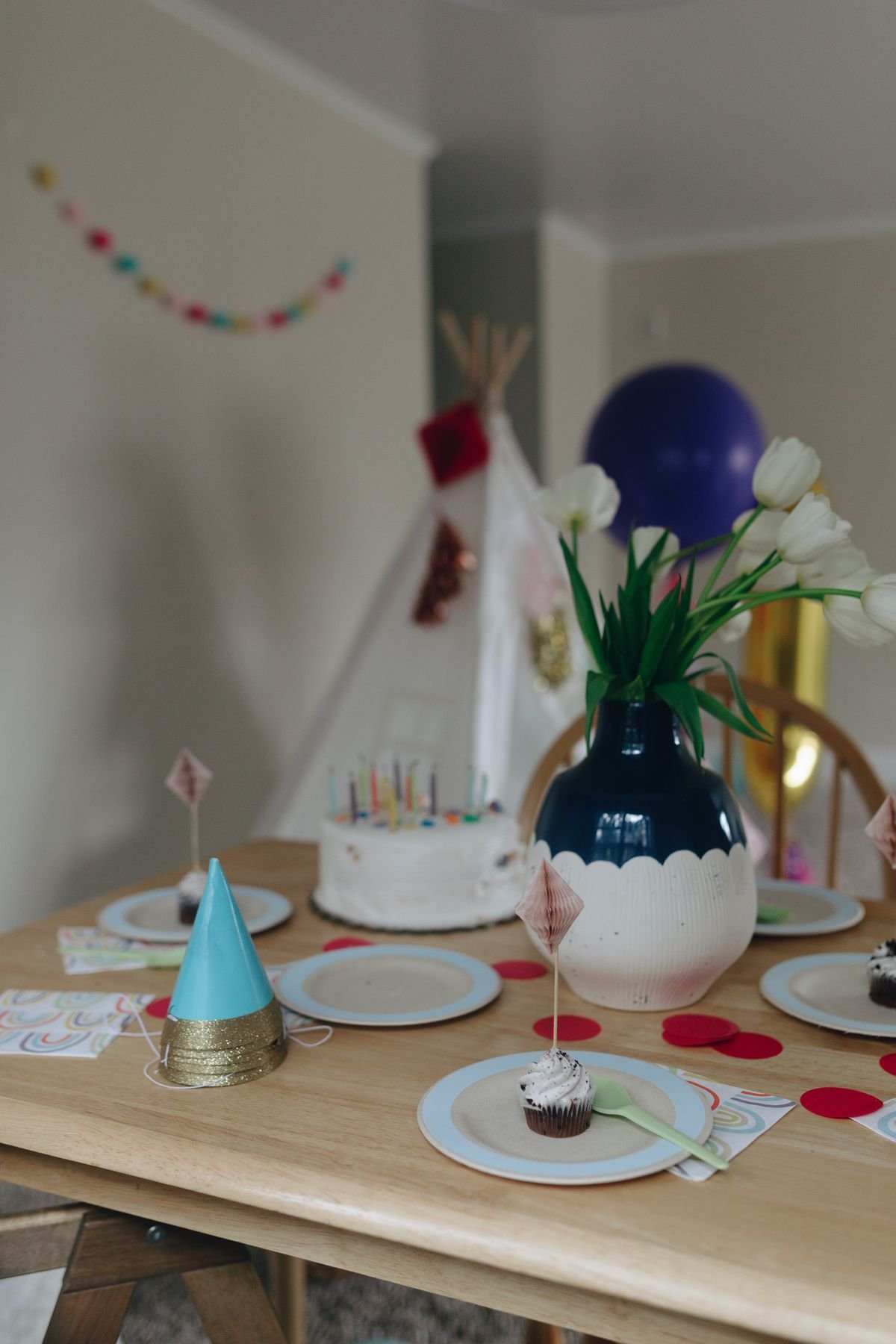
Carry the theme in two or three visible places only. A banner over the food table, a playlist that starts before guests arrive, and one photo spot are enough. A photo spot can be a clean wall, a borrowed string of lights, and a few printed photos of the guest of honor taped in a row. Guests will use it all night, and it costs less than a pack of balloons. Skip the theme if it forces you to buy a full set of matching plates, cups, and cutlery. Matching paper goods look tidy in a photo and cost a surprising amount for items that go straight into recycling. Plain white or solid color plates, reused from your kitchen or bought once and washed, look better and cost nothing extra.
Choose music early and test it at party volume. A playlist that is too quiet makes a room feel empty. A playlist that is too loud makes conversation hard. Set the volume so two people can talk comfortably at normal volume while music plays in the background, then leave it alone. If you plan a trivia round or a game, build the playlist around it, with upbeat songs for arrival, calmer songs for food, and livelier songs again after cake. Music is the cheapest atmosphere you can buy, and it is free if you already have a streaming account.
Food That Fills Twelve Adults Without a Big Bill
Adults remember a party by whether they ate well and whether they had to wait for food. A low cost menu should be filling, easy to serve, and mostly made ahead. The safest shape is one main dish that scales well, two sides, one snack bowl that never empties, and a cake. Anything more adds work and cost without adding much joy.
A taco bar is hard to beat for cost and crowd pleasing power. Seasoned ground beef or shredded chicken, tortillas, rice, beans, shredded lettuce, cheese, salsa, and lime feed twelve generously for a modest sum, and guests build their own plates, which solves most allergy and preference problems at once. A pasta bake with a green salad and garlic bread does the same job in colder weather. A chili pot with cornbread and toppings works the same way, and it improves when made the day before. Choose one main dish and commit to it. Two main dishes double the shopping, the cooking, and the leftovers, and guests rarely eat both.
Make the snack bowl a permanent fixture. Tortilla chips with salsa, popcorn with salt, or roasted chickpeas keep early arrivals happy while the main food finishes, and they give people something to do with their hands during conversation. Put the snack bowl where people gather, not hidden in a corner. Refill it once, early, and then let it run down naturally as the main food takes over. A bowl that is always full at the end of the night means you bought too much. A bowl that empties during the first hour means the main food was late. Aim for the middle.
Serve food in a way that keeps you free. A buffet line along a counter or a table against a wall lets guests serve themselves and keeps the kitchen clear. Label the dishes with small cards, especially if a dish is spicy, contains nuts, or is gluten free. Keep hot food hot with a slow cooker or a low oven, and keep cold food cold by putting bowls on ice or by bringing out small amounts and refilling. Food safety is part of hospitality, and a simple rule covers most of it. Hot food stays hot, cold food stays cold, and anything that has sat out for two hours at room temperature goes back in the fridge or goes away.
Drink Without a Bar Bill
Drink is where home parties often overspend, because a full bar feels generous and costs a fortune. A batch drink solves the problem. One large pitcher or punch bowl, made ahead and refilled once, looks abundant and costs a fraction of individual drinks. Lemonade with mint, iced tea with lemon, or a simple punch of juice, sparkling water, and sliced citrus all work. Put the batch drink in the most visible spot, with a ladle or a pitcher, cups beside it, and ice in a separate bowl so the drink does not water down.
Add sparkling water, still water, and ice, and you have covered every guest who does not drink alcohol. Add coffee and tea for later in the night, with milk and sugar beside them. If guests offer to bring alcohol, welcome it and say thank you. A bottle or two from guests, plus your batch drink, is plenty for twelve people. Do not buy a full range of spirits, mixers, and garnishes for a home party. Most of it will sit half used, and the money is better spent on food.
Plan ice properly, because running out of ice is the most common drink failure at a home party. Buy more than you think you need, keep it in a cooler or in freezer bags, and use one bag for drinks and one bag for chilling anything that needs to stay cold. If your freezer is small, ask a guest to bring a bag of ice as their contribution. It is a useful, welcome, and genuinely helpful gift to a host.
The Cake Decision: Buy It, Dress It, and Make It Yours
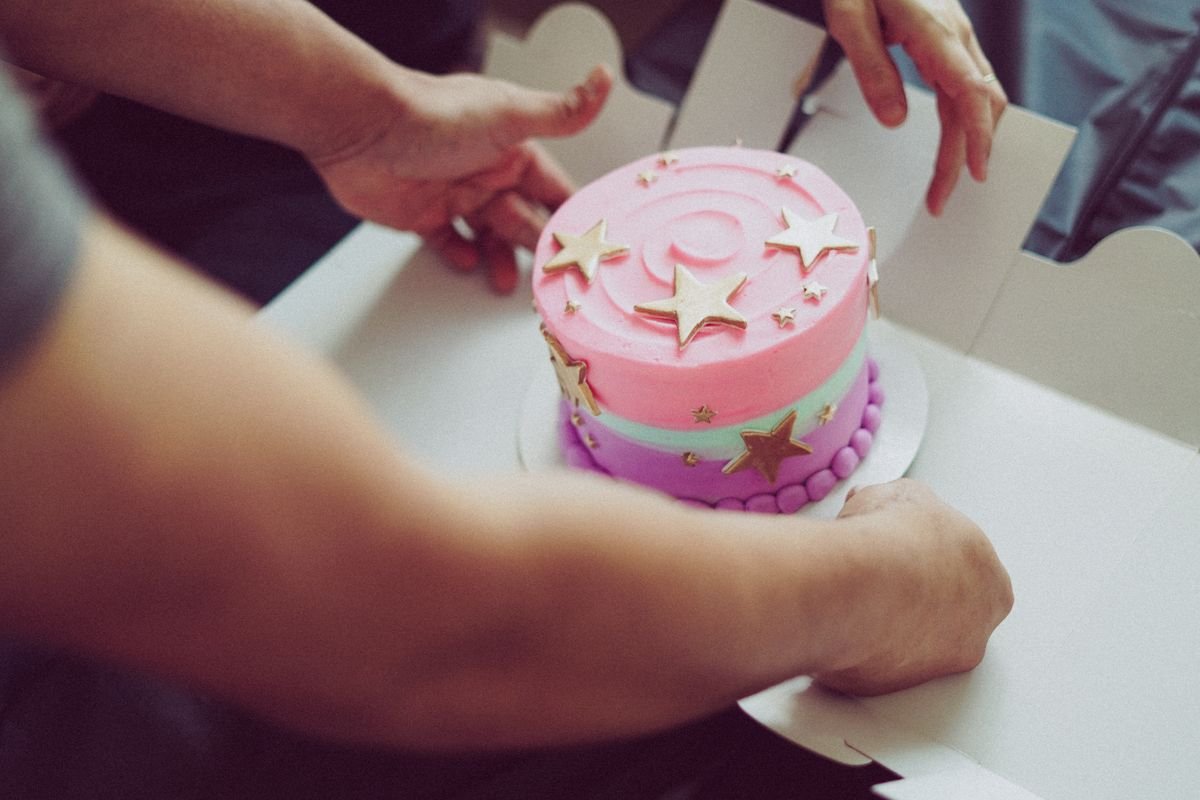
Cake is the centerpiece of a birthday party, and it deserves a real share of the budget. A store bought cake is often the best value for twelve guests, because a bakery cake is sized correctly, frosted neatly, and ready to serve. Dress it up at home with fresh berries, a few candles, a simple topper, or a handwritten card beside it. The dressing up takes five minutes and turns a plain cake into a personal one.
If you bake, choose a cake you have made before, or a simple one layer cake with a reliable frosting. A birthday is not the night to test a new recipe. Bake the day before if you can, frost it the morning of the party, and keep it covered and cool until serving. A simple chocolate or vanilla cake, well frosted and well presented, beats an ambitious cake that leans, cracks, or tastes of stress. Add candles that match the theme if you have them, and keep a lighter or matches in a known spot so you are not hunting for them while guests sing.
Cut the cake with a plan. A twelve guest cake should be cut into twelve generous slices, with a little extra for seconds. Use a warm, dry knife, wipe it between cuts, and serve cake on small plates with forks that are ready beside the cake. If a guest cannot eat cake, have a small alternative ready, such as fruit or a gluten free cookie, so nobody watches everyone else eat. That small kindness is remembered far longer than the cake flavor.
Decor That Looks Generous for Thirty Dollars
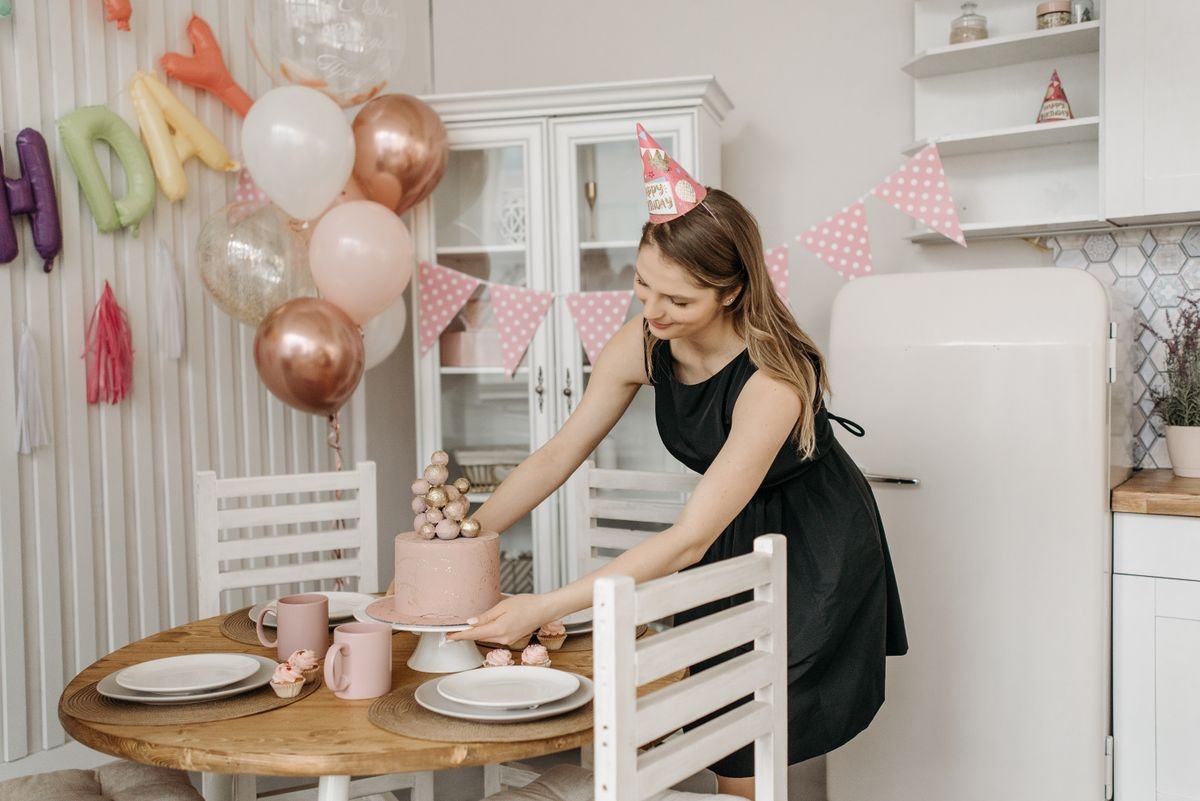
Decor works best when it is big, simple, and in one place. A banner over the food table, a cluster of balloons in one corner, and a clean, well lit photo spot will photograph better than small decorations spread thinly across every surface. Buy balloons in one or two colors that match the theme, blow them up the day of the party, and group them in odd numbers. A single bunch in a corner looks deliberate. Single balloons dotted around a room look like leftovers.
Borrow before you buy. String lights, a cake stand, a punch bowl, extra chairs, and a folding table are all items friends are happy to lend for one night. Ask early, collect them the day before, and return them clean the next day. A borrowed cake stand lifts a plain cake into a centerpiece. A borrowed string of lights turns a plain wall into a backdrop. A borrowed folding table turns a crowded kitchen into a buffet that actually works.
Use what your home already gives you. A clean tablecloth or a plain sheet, a vase of grocery store flowers or greenery cut from a garden, and candles you already own can carry a whole room. Clear clutter from the party rooms the day before, so guests see space, not stuff. A tidy room with one strong focal point feels more generous than a crowded room with decorations on every surface. If you have a spare room that can hold coats and bags, use it. A coat pile on a bed is fine. A coat pile on the only free chair is not.
Activities That Keep Adults Talking
Adults at a home party need one shared activity, not a full schedule. A single game or ritual, placed at the right moment, gives strangers something to do together and gives friends something to laugh about later. A trivia round about the guest of honor, with ten questions and a small prize, works for almost any group. A photo challenge, where teams recreate an old photo of the guest of honor, works when guests are playful. A simple card game or board game, set up on a side table for anyone who wants it, works when guests prefer to dip in and out.
Time the activity for the natural lull, usually after food and before cake, when energy dips and people are looking for a reason to stay. Keep it short, twenty minutes at most, and let people opt out without comment. The host should play, but should not run the whole game alone. Ask a confident friend to read the questions or keep score, so you can stay free to refill food, answer the door, and talk to guests who arrive late.
Leave space for plain conversation. The best home parties are the ones where people talk, and talking needs comfortable seats, a drink within reach, and a room that is not too loud. Arrange seats in small groups of three or four, not in one long line facing a television. Put the music low enough for talk, the food where people can reach it without crossing the room, and the cake where everyone can see it. If guests are still talking an hour after cake, the party worked. Let it run, and do not rush cleanup while people are still enjoying themselves.
A Day Plan That Keeps You Calm
The day of the party should feel like a series of small jobs, not one long emergency. The plan below assumes a party that starts at seven in the evening. Shift the times to fit your start time, but keep the order. The order is what protects you.
In the morning, clear the party rooms, set up tables and chairs, and put out the photo spot. Make the batch drink and chill it. Frost the cake if you baked it, or collect the store bought cake and keep it cool. In the afternoon, cook the main dish, set up the buffet with plates and labels, and blow up balloons. Shower, change, and eat a proper meal. A host who has not eaten is a host who will be tired and short tempered by nine o clock, and no party needs that.
One hour before guests arrive, set out snacks, fill the ice bowl, light candles or switch on string lights, and start the playlist. Put coats and bags in their spot, put a trash bag in a discreet corner, and clear the kitchen sink. Fifteen minutes before, do a final walk through as if you were a guest arriving for the first time. Can you find the food, the drinks, and a seat without asking? Can you use the bathroom without passing through a mess? Fix anything that fails that test, then stop working. When the first guest arrives, your job changes from setup to hosting, and hosting means being present, not perfect.
After the party, cleanup is easier if you set it up during the party. A trash bag in a corner, a tub for dirty dishes, and a box for borrowed items mean the end of the night is a ten minute job, not an hour of hunting. Thank guests as they leave, by name, and tell the guest of honor what you enjoyed most about the night. The next day, return borrowed items, store leftovers properly, and write down what worked and what you would change. That short note is the secret to a better party next time, and it costs nothing.
Common Mistakes That Cost Money and Joy
The first mistake is inviting too many people for the space and the budget. A crowded room with too little food feels worse than a smaller room with plenty. The second mistake is buying decor before the menu is set. Decor is fun to shop for, and it is easy to spend thirty dollars on items that add nothing to the night. The third mistake is cooking too many dishes. One main dish, done well, beats three dishes done in a rush.
The fourth mistake is starting the party hungry, tired, and still cooking. Guests can feel a stressed host, and they start helping in ways that make the host feel worse. Eat, rest, and finish cooking before the door opens. The fifth mistake is letting the phone become the party. Photos are wonderful, and a photo spot helps, but a host who films everything misses the party they planned. Take a few photos early, then put the phone away and be present.
The final mistake is comparing a home party to a hired venue. A home party is not a smaller version of a venue party. It is a different kind of party, with its own strengths. It is personal, it is relaxed, and it lets the guest of honor be surrounded by people who know them, in a place that feels like home. Lean into those strengths. A handwritten card, a favorite song, a story told well, and a table full of good food will beat a hired room every time, at a fraction of the cost.
Conclusion
Knowing how to plan a low cost birthday party for adults at home is really knowing how to spend on the things guests feel and save on the things they will not remember. Set the guest list first, give food and drink the largest share of one hundred and fifty dollars, carry one theme through two or three visible places, and follow a day plan that leaves you free when guests arrive. Borrow what you can, make the cake personal, give guests one shared activity, and let conversation do the rest. Do that, and your party will feel generous, warm, and personal, not cheap. The best proof will be the simplest one. Guests will stay, they will eat well, and they will ask when you are doing it again.
For a related take on hosting on a tight budget, see the guide to planning a staff party on a small budget, which uses the same budget first approach for a work celebration. And if the party means clearing a room first, the guide to decluttering a spare room fast gives a ninety minute plan for making space before guests arrive.
Frequently Asked Questions
How much should a home birthday party for adults cost?
A home party for twelve adults can work well at one hundred and fifty dollars, split across food, drink, cake, and decor. The exact total depends on your area and on what you already own, but a written budget with four lines keeps spending honest.
What is the cheapest filling food for an adult birthday party?
A taco bar, a pasta bake, or chili with cornbread feeds twelve generously at a low cost per person. Choose one main dish, add two sides and a snack bowl, and let guests serve themselves from a buffet.
How many guests should I invite to a party at home?
Twelve guests is a good number for most living rooms. It fills the space without crowding it, keeps food costs manageable, and keeps conversation in one group. Match the guest count to your space and your budget before you shop.
Do I need a theme for an adult birthday party?
No, but one simple theme helps every decision, from food to music to decor. Carry it in two or three visible places, such as a banner, a playlist, and a photo spot, and skip matching paper goods that add cost without adding joy.
How far ahead should I plan a low cost birthday party?
Two weeks is enough for most home parties. Send invitations in the first week, shop and borrow in the second week, and follow a day plan that finishes setup an hour before guests arrive.