

Learning how to plan a staff party on a small budget is one of the most useful skills a small business owner or team manager can pick up. A great party boosts morale, thanks people for their hard work and gives everyone a shared memory to talk about for months. The good news is that none of that requires a big spend. What it does require is a bit of planning, a dash of creativity and a willingness to ask your team to muck in.
This guide walks you through every part of the process, from setting your budget and finding a free venue to food, games, decorations and the fiddly UK money bits like tax and insurance. Everything here is written with small UK teams in mind, so expect pound sterling prices, UK high street ideas and advice that works whether you have six staff or sixty.
A simple formula to plan a staff party on a small budget
Before you book anything or buy anything, write down three things: how many people are coming, how much you can spend per head and what the party is actually for. A thank you lunch for ten people needs a very different plan from a summer social for fifty.
For a genuinely small budget party, most UK small businesses spend somewhere between £10 and £30 per head. Below £10 you are looking at an in office lunch with supermarket food, which can still be lovely. Around £20 to £30 per head gives you room for a pub back room, a bit of catering and simple decorations.
Once you have your number, split it into pots: food and drink, venue, decorations, entertainment and a small contingency of about 10 percent for the things you forgot. Writing the pots down stops the classic mistake of spending half the budget on a cake and having nothing left for drinks.
Build a tiny planning team
You do not need a committee of twelve. One person in charge plus two or three volunteers is plenty for most small business parties. Give each person a clear job, such as food, games or decorations, and agree a deadline for each one. If you are the boss, resist the urge to take every job yourself, because asking colleagues to contribute is half the fun and a big part of how you keep costs down.
Pick a date that suits everyone
Send a quick poll with two or three date options and go with the one that works for the most people. Avoid the last Friday before Christmas unless you want to pay peak prices, and give everyone at least three weeks notice. A lunchtime party on a Thursday is often cheaper and easier than an evening event, and nobody has to arrange childcare.
Pick a venue that costs nothing
The single biggest way to keep a staff party cheap is to hold it somewhere free. Your own office, shop floor after hours or meeting room costs nothing and means you can decorate the day before. Rearrange the desks, push the tables together for a buffet and borrow a speaker for music.
If your workplace is too small, consider the alternatives. Many pubs will let you reserve a back room for free if everyone buys their own drinks, and some community halls charge as little as £30 to £50 for an evening. A park picnic in summer is completely free, and a colleague with a big garden might be happy to host if you handle the food and the clean up.
Questions to ask any venue
Before you commit, check a few practical details. Is there a minimum spend or a room hire fee. Can you bring your own food and drink. What time do you need to be out by, and who is responsible for cleaning up. A free venue that charges £200 for cleaning is not a free venue.
Feed everyone well without hiring caterers
Food is where budgets usually explode, so this is where smart planning pays off. Professional catering for twenty people can easily cost £300 or more, but a great party spread can cost a fraction of that if you buy well and share the cooking.
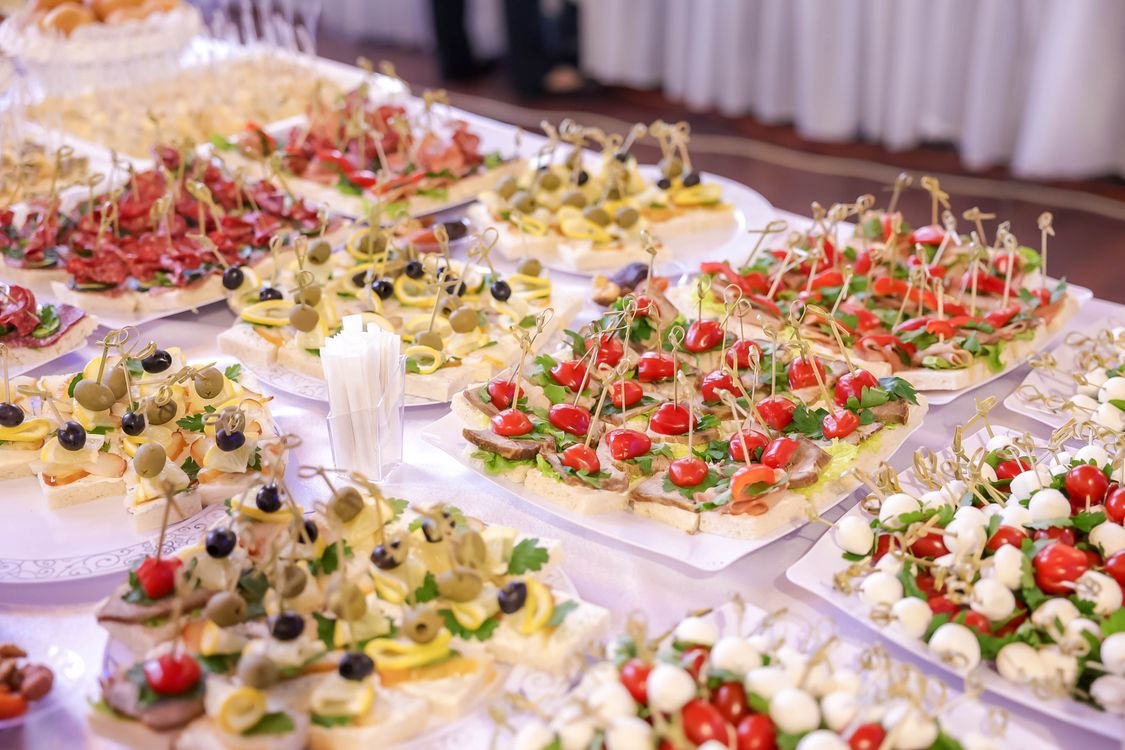
A supermarket sweep is your best friend here. Aldi, Lidl, Tesco and Asda all do party platters, finger sandwiches, sausage rolls and crisps at prices that beat any caterer. A realistic buffet for twenty people can come to £80 to £120 if you shop the own brand ranges and buy a couple of days ahead to catch the reductions.
Go potluck if your team is up for it
Asking everyone to bring a dish is the oldest trick in the book and it works brilliantly. Set up a simple shared list so you do not end up with fourteen plates of sausage rolls, and label everything for allergies. You provide the main items, such as pizzas from a supermarket deal, and colleagues fill in the gaps with salads, desserts and nibbles. It saves money and it gives everyone something to talk about.
Drinks without the bar bill
Alcohol is the second biggest budget eater. You do not have to ban it, but you can be sensible. Buy wine, beer and soft drinks from a cash and carry or a supermarket multi buy deal rather than paying pub prices, and set out jugs of water and squash alongside. A simple punch bowl made from fruit juice, lemonade and sliced fruit looks festive and costs pennies per glass. If your venue has a bar, agree a free drink limit per person with the pub in advance.
Entertainment that costs next to nothing
Games and activities are what turn a nice lunch into a party people remember, and the best ones are free. A pub quiz about your team and your company costs nothing to run and gets even quiet colleagues involved. Ask everyone to submit one fun fact about themselves in advance and turn it into a quiz round.

Other crowd pleasers include a mini awards ceremony with silly categories like best email sign off or most likely to reply all, a Secret Santa style gift exchange with a £5 limit, and a photo booth corner with props made from cardboard. Karaoke on a free phone app can carry a whole evening if your team is brave enough. The rule of thumb is simple: activities beat expensive extras every time.
Music for free
A shared playlist that everyone adds songs to costs nothing and doubles as a talking point. One phone connected to a borrowed Bluetooth speaker is all the sound system you need for a small room. If you want background music while people eat and chat, there are plenty of free ad supported streaming playlists to choose from.
Decorate on a shoestring
Decorations set the mood, but you should never spend more than about 10 percent of your budget on them. Balloons, streamers and fairy lights from B and M, The Range or Poundland can transform a meeting room for under £30. Buy a couple of tablecloths in your company colours and the whole thing looks intentional rather than thrown together.
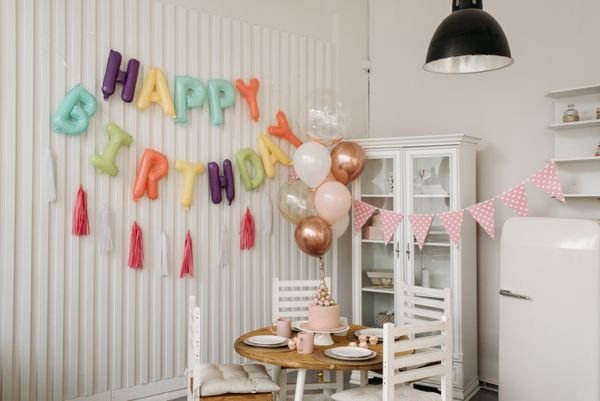
Reuse and borrow wherever you can. Christmas decorations from the office cupboard, fairy lights from a colleague’s loft and printed photos of the team from the year just gone make brilliant, personal decor that costs nothing. If you have a theme, keep it simple: one colour scheme or one silly idea is far more effective than a bit of everything.
Ask the team to help
A decoration afternoon the day before the party is a great morale booster in itself. Put on some music, hand out the balloons and let people get creative. Many hands make light work, and it saves you paying for a decorator or doing it all alone at nine at night.
Invites, RSVPs and the guest list
Keep the invite simple and send it early. An email or a message in your team chat with the date, time, place and what to bring is all you need. Ask people to reply by a clear date so you know how much food to buy. If you already run a small business newsletter, it can double as a fun way to send the invite and build a bit of excitement.
Think about plus ones and families. Inviting partners can make an evening party feel more generous, but it doubles your headcount and your food bill. For a small budget event, it is perfectly fine to keep it to staff only. Just say so clearly on the invite so nobody is guessing.
Keep it inclusive so everyone feels welcome
The cheapest party in the world is a failure if half the team feels left out. Offer non alcoholic options that are just as appealing as the booze, and make sure there is food for vegetarians, vegans and anyone with allergies or religious dietary needs. A quick message asking about requirements when you send the invite solves most problems before they happen.
Think about timing too. An evening event can exclude parents and anyone with caring responsibilities, while a lunch event can exclude part time staff who do not work that day. There is no perfect answer, but asking the team and rotating the timing each year shows you care. Keep games and activities optional and low pressure so nobody feels put on the spot.
The UK money bits: tax, insurance and licences
A quick word on the less exciting stuff, because getting it wrong can be expensive. In the UK, HMRC lets employers spend up to £150 per head per year on staff parties, including VAT, without it counting as a taxable benefit, as long as the event is open to all employees. Go over £150 and the whole amount becomes taxable, not just the excess. Keep your receipts and, if in doubt, check with your accountant.
For insurance, check your business policy covers social events on your premises. Most do, but it is worth a two minute call to confirm. If you are selling alcohol you would need a licence, but simply giving staff a glass of wine at a free party does not. And if you are hiring an external venue, read the contract for damage deposits and cleaning charges before you sign anything.
A timeline that keeps you sane
Good parties are planned backwards from the date. Four weeks out, confirm the budget, the venue and the planning team. Three weeks out, send the invites and start the food and decoration lists. Two weeks out, confirm numbers, buy anything that needs ordering online and assign the games. The week of the party, do the supermarket shop, print any quiz sheets and decorate the day before if you can.
On the day itself, arrive early, set out the food last so it stays fresh, and nominate one person to be in charge of music and another to keep the games moving. After the party, do a quick debrief with your planning team: what worked, what cost too much and what you would do differently. Write it down somewhere, because future you will be grateful. If planning tasks feel overwhelming, a simple prioritisation method like the Eisenhower matrix works just as well for party jobs as it does for business jobs.
What to skip when money is tight
Not everything needs to happen. If the budget is really tight, skip the printed invites, the hired photographer and the fancy cake. Nobody remembers the napkins. What people remember is being thanked, laughing with colleagues and feeling that the company actually cares about them.
Similarly, do not stretch to things that add stress. A complicated theme that needs weeks of preparation, an outdoor event with no wet weather backup or entertainment that needs rehearsing will all cost you more in worry than they are worth. Simple, warm and well organised beats ambitious and chaotic every single time. And if your party is the Christmas one, it pays to fold the planning into your wider seasonal prep, as covered in our guide to preparing your small business for Christmas.
Conclusion
Learning how to plan a staff party on a small budget comes down to a few simple principles. Set a clear per head budget and split it into pots, choose a free venue, feed people cleverly with supermarket buys or a potluck, and lean on free entertainment like quizzes and awards. Decorate simply, invite everyone properly, keep the event inclusive and stay on the right side of the £150 per head tax rule.
The takeaways are straightforward. First, activities matter more than spending, so put your energy into games and atmosphere rather than expensive extras. Second, sharing the work with a small planning team saves both money and stress. Third, planning backwards from the date with a simple timeline keeps everything calm. Do those three things and your team will remember a brilliant party, not a bargain one.
Frequently asked questions
How much should a small business spend on a staff party per person?
Most UK small businesses spend between £10 and £30 per head for a budget friendly staff party. Under £10 works for an in office lunch with supermarket food, while £20 to £30 per head comfortably covers a pub back room, a decent buffet and simple decorations.
What is the cheapest way to feed staff at a party?
A potluck where everyone brings a dish is the cheapest option, followed by a supermarket buffet from Aldi, Lidl, Tesco or Asda. For twenty people, a good spread of finger food, crisps and dips can cost £80 to £120 if you shop own brand ranges.
Are staff parties tax deductible in the UK?
Staff entertainment is generally an allowable business expense, and HMRC allows up to £150 per head per year for annual staff events without it becoming a taxable benefit for employees. Keep receipts and speak to your accountant if you are unsure.
What are good free games for a staff party?
A pub quiz about your team, a mini awards ceremony with silly categories, a £5 Secret Santa exchange and a DIY photo booth corner all cost little or nothing. Karaoke with a free phone app and team trivia rounds also work brilliantly for small groups.
How far in advance should you plan a staff party?
Three to four weeks is ideal for a small budget party. That gives you time to poll the team on dates, book a venue, send invites and buy decorations without paying rush delivery charges. For December dates, start even earlier as venues and pubs book up fast.