
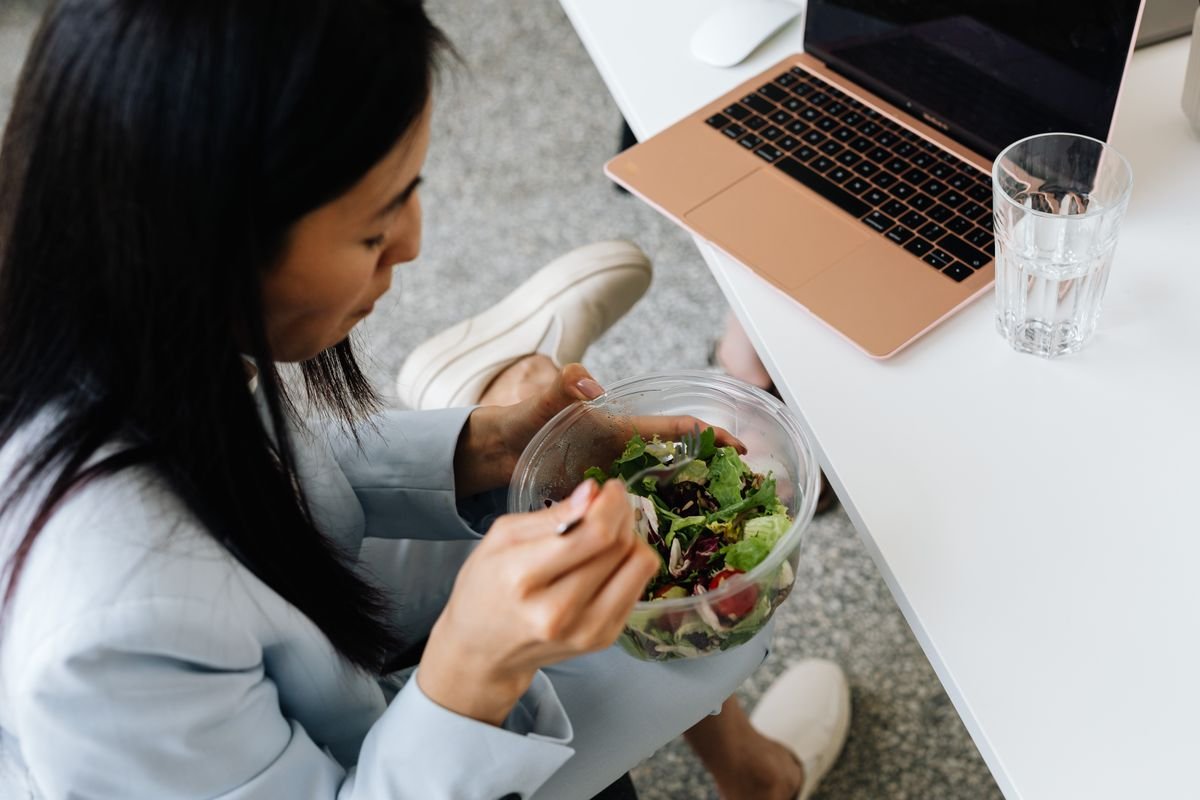
It is 2:15 in the afternoon and Daniel is staring at a spreadsheet that made perfect sense at ten in the morning. The numbers blur. His eyelids feel heavy. He has already had coffee, and a second cup feels like a bad idea, because last time it kept him awake until one in the morning. He is not lazy and he is not unwell. He is in the afternoon dip, the natural fall in alertness that hits most people after lunch. If you want to know how to stop feeling sleepy after lunch at work without coffee, the fix is not willpower. The fix is a small set of changes to lunch, light, movement, and task order that work with your body instead of fighting it.
This guide gives you a calm, practical plan that fits a real workday. You will learn why the dip happens, what kind of lunch keeps energy steadier, how a short walk after eating helps more than another coffee, when a short nap helps and when it hurts, and how to arrange your afternoon so the hardest work does not land in your sleepiest hour. The story is simple. Your body has a rhythm, lunch can deepen the dip or soften it, and a few timed moves can carry you through the afternoon without caffeine. No single tip in this guide is magic. Together, timed to the clock, they make the afternoon feel different.
Why You Feel Sleepy After Lunch
The afternoon dip is built into human biology. Alertness naturally falls in the early afternoon, roughly between one and four, even in people who slept well and ate lightly. It is part of the daily rhythm that also makes you sleepy late at night. Lunch does not create the dip, but a large heavy meal can deepen it. Digestion draws blood flow and energy toward the gut, blood sugar rises and then falls after a meal rich in refined carbohydrate, and a warm, still office with dim light tells your body it is rest time. Add a short night of sleep, and the dip becomes a crash.
Sleep debt is the most common hidden cause. If you slept six hours last night, or you woke several times, the afternoon will feel harder, whatever you eat. Caffeine masks that debt in the morning and charges interest in the afternoon. Dehydration adds to the problem. Even mild dehydration can bring tiredness and poor focus, and many people drink little water before lunch, then drink coffee, which does not replace water. Sitting still for hours adds a third factor. Long sitting slows circulation and lowers arousal, so the body drifts toward rest. Light matters too. A dim office, or a desk far from a window, gives the brain little signal that it is daytime and time to stay alert.
None of this means something is wrong with you. It means your afternoon needs a different design. The rest of this guide builds that design, starting with the meal that sets the tone for the afternoon.
Build a Lunch That Keeps Energy Steadier
A lunch that keeps you alert is built from protein, fiber, and healthy fat, with carbohydrate in a moderate portion. Think grilled chicken or tofu with vegetables and brown rice, a bean and vegetable soup with whole grain bread, or a salad with eggs, beans, cheese, and olive oil. Protein and fiber slow digestion, so blood sugar rises gently and falls gently, instead of spiking and crashing. Fat adds staying power, so you feel full without feeling stuffed. You do not need a perfect meal. You need a balanced plate, eaten at a sensible pace, with water beside it.
Portion size matters as much as food choice. A very large lunch, even a healthy one, can leave you heavy and sleepy. Eat until you are satisfied, not stuffed, and leave a little room. If you are often starving by lunch, eat a small morning snack with protein, such as yogurt or nuts, so you do not arrive at lunch ravenous and eat far more than you need. Speed matters too. Eating quickly while answering email can lead to overeating and a heavier feeling after. Take twenty minutes away from your screen if you can, chew slowly, and notice when you feel full. That short break is not lost time. It is part of the plan.
Meals heavy in white bread, pasta, white rice, fried food, and sugary drinks are the most likely to deepen the dip. They digest quickly, blood sugar rises fast, and the fall that follows can feel like sudden tiredness. That does not mean you must give up foods you enjoy. It means pairing them well helps. Pasta with vegetables and protein behaves differently from pasta alone. A sandwich on whole grain bread with protein and salad behaves differently from a sandwich on white bread with little filling. A sugary drink with lunch adds a fast rise and a fast fall, so water, sparkling water, or unsweetened tea with lunch usually leaves you steadier.
Alcohol at lunch, even one drink, can deepen afternoon sleepiness for many people, so save it for after work. A very salty lunch can leave you thirsty and sluggish, so drink water through the afternoon. If you skip lunch entirely, the afternoon can be worse, not better. Hunger brings low energy, poor focus, and a tendency to grab sugary snacks at three in the afternoon, which starts the spike and crash cycle again. A steady lunch, eaten calmly, is the foundation. Everything else in this guide works better on top of it.

Move After Eating: The Strongest Coffee Free Tool You Have
A short walk after lunch is the single most reliable coffee free move in this guide. Ten to fifteen minutes of easy walking, ideally outdoors in daylight, helps digestion, steadies blood sugar after eating, and wakes the body through movement and light. Research on breaking up sitting time has found that short bouts of light walking after meals lower blood sugar and insulin compared with sitting through the afternoon, and walking beats standing still for that effect. The research measured blood sugar, not alertness directly, so it does not prove a walk will end every slump. But it fits everyday experience. People who walk after lunch usually feel more awake than people who return straight to a chair.
Make the walk easy to do. Put shoes you can walk in by the door, choose a route that takes ten minutes, and go straight after eating, before you sit down again. A walk around the block, a loop of the office building, or a stroll to a park bench all count. Walk at a comfortable pace. You do not need to sweat. If you cannot leave the building, walk stairs, walk corridors, or walk in place by your desk for a few minutes. Even a short walk inside beats no walk at all. If you work from home, walk to the end of your street and back, or walk around your home while listening to a short podcast. The habit matters more than the route.
Keep moving in small doses through the afternoon. Stand and stretch every thirty to sixty minutes. Roll your shoulders, stretch your neck, stand while you take a call, or refill your water bottle. These micro breaks break the long sit that deepens sleepiness. A walking meeting, for a one to one catch up that does not need a screen, can turn a sleepy slot into a useful one. If you have a standing desk, alternate standing and sitting, and take a short walk when you feel the dip deepen. Movement is not a punishment for being sleepy. It is the signal your body needs to stay in daytime mode.
Use Light and Fresh Air to Tell Your Brain It Is Daytime
Light is a powerful alertness signal. A desk near a window, a walk outdoors, or a bright room helps the body hold its daytime rhythm. A dim corner, a screen as the only light, and a warm stuffy room do the opposite. If you can, sit near natural light in the afternoon, open blinds, and step outside for a few minutes after lunch. Even on a cloudy day, outdoor light is usually far brighter than office light, and that brightness helps. If your office is dark in winter, a bright desk lamp in the afternoon can help, although it is not a substitute for daylight and it is not a medical treatment. Keep it simple. More light, more air, a cooler room.
Fresh air and temperature matter too. A warm, still room makes sleepiness worse. Open a window if you can, or step out for air. Keep the room cool rather than warm. If you work from home, open a window for a few minutes after lunch, or work in the brightest room for the afternoon. Small changes to light and air are easy to dismiss, but they change how the afternoon feels. Daniel, from the start of this guide, moved his desk nearer the window and started taking his post lunch walk outside. The spreadsheet at 2:15 did not become exciting, but it stopped blurring. That is the kind of change to aim for. Not a transformation, just a clearer head.
Try a Short Nap, Only If Your Workplace Allows It
A short nap can help, if you can take one and if you keep it short. A nap of ten to twenty minutes, early in the afternoon, can restore alertness without leaving you groggy. Set an alarm, lie back in a quiet spot, or rest your head at your desk if that is acceptable where you work. A car, a break room couch, or a quiet meeting room can work. Wake at the alarm, stand up, stretch, and drink water. Many people feel a little groggy for a few minutes after a short nap, then clearer than before. That brief grogginess is normal and it passes.
Do not nap for an hour or more in the middle of a workday if you can avoid it. A long nap can leave you groggy, disrupt night sleep, and make the evening harder. Do not nap late in the afternoon, close to the end of work, because it can push bedtime later and deepen the next day dip. If napping at work is not possible, or it feels awkward, skip it. The walk, light, and task timing in this guide carry most of the benefit, and a nap is a bonus, not a requirement. Some workplaces now offer nap rooms or quiet rooms. If yours does, use it without apology. A short rest is a work tool, not a sign of laziness, when it helps you do better work in the hours that follow.
A coffee nap, where you drink coffee and then nap for twenty minutes before the caffeine takes effect, is sometimes suggested, but it is not part of this guide, because this guide is about staying alert without coffee. If you do drink coffee, time it early in the afternoon rather than late, so it does not damage night sleep. A late coffee may feel helpful at four in the afternoon and cost you sleep at midnight, which makes the next afternoon worse. That cycle is the one to break.

Arrange Your Afternoon So the Hard Work Does Not Land in the Dip
You cannot remove the dip, but you can plan around it. Put demanding work, creative work, and important decisions in the morning, when alertness is usually higher. Save routine work, email, filing, and simple admin for the early afternoon trough, roughly one to four. This is not about doing less work. It is about matching work to energy. A task that takes an hour of struggle at 2:30 may take thirty minutes at 10:30. Planning that way is good management, not avoidance.
Use a simple priority check before lunch. List the three tasks that matter most for the afternoon, and put them in order. The Eisenhower matrix method for prioritizing tasks helps here, because it separates urgent work from important work, and it stops a noisy inbox from deciding your afternoon for you. Then work on one task at a time in focused blocks of twenty five to fifty minutes, with a short movement break between blocks. Multitasking through the dip, with email, chat, and a document all open, usually means none of them gets proper attention and all of them feel harder.
Meetings in the early afternoon are a known sleepiness trap. If you must attend, stand for part of it, take notes by hand, ask a question early, or suggest a walking meeting for a small group. If you schedule meetings, avoid stacking three long meetings in a row after lunch. Leave a gap for a walk, water, and a stretch. For solo work, try batching admin tasks into one afternoon window instead of scattering them through the day. One window for email, one for filing, one for routine calls. Batching reduces switching, and switching is tiring when energy is low. The afternoon becomes a steady run of simple tasks, and the morning stays free for the work that needs a sharp mind.
Water, Snacks, and Small Resets That Help
Keep water at your desk and sip through the afternoon. Dehydration can feel like tiredness, and many people realise at three in the afternoon that they have drunk almost nothing since morning. A full bottle, refilled at lunch and again mid afternoon, is a simple system. If plain water bores you, add lemon, mint, or cucumber. Herbal tea or sparkling water can help too. Avoid sugary drinks and energy drinks in the afternoon. They may lift you briefly and drop you lower, and they can disturb night sleep if they contain caffeine or a large amount of sugar.
A small afternoon snack can steady energy if lunch was light or early. Choose protein with fiber or healthy fat, such as Greek yogurt with berries, apple slices with peanut butter, a handful of nuts with fruit, or cheese with whole grain crackers. Avoid a large sugary snack, a pastry, or a chocolate bar on its own, which can bring a quick lift and a quick fall. Chewing gum, especially mint gum, can help some people feel more alert for a short while, through jaw movement and sensory stimulation. Chew for five to ten minutes when drowsiness hits, but do not chew all afternoon, which can strain the jaw and lose its effect.
Small resets help when the dip deepens suddenly. Splash cold water on your face and wrists, stretch tall with arms overhead, take five slow deep breaths, or step outside for two minutes of daylight. These resets do not replace sleep, lunch, or movement, but they can break a wave of sleepiness long enough to finish a task or reach your walk. Use them as bridges, not as the whole plan. A splash of cold water plus a walk beats either one alone, and both beat sitting still and hoping the sleepiness passes.
Fix the Night Before, Because the Afternoon Starts There
The most powerful fix for afternoon sleepiness happens the night before. Most adults need seven to nine hours of sleep, at regular times, to feel alert through the afternoon. A regular wake time, even at weekends, steadies the body clock. A wind down routine, with screens dimmed, lights lowered, and caffeine stopped by early afternoon, helps sleep come more easily. A cool, dark, quiet bedroom helps sleep stay deep. These are familiar tips, and they are familiar because they work, when they are done consistently rather than once.
Watch caffeine timing closely. Caffeine lingers in the body for many hours, so a coffee at five in the afternoon can still affect sleep at midnight. If you drink coffee, keep it to the morning and early afternoon, and notice how late coffee affects your sleep. Alcohol before bed may help you fall asleep, but it can fragment sleep and leave you tired the next afternoon, so limit it on work nights. A heavy late meal can disturb sleep too, so eat dinner earlier when you can, and keep it lighter than lunch if evening eating often leaves you restless.
If you use a phone in bed, set a limit that you can actually keep. A short wind down with a book, a shower, or quiet music is easier to repeat than a strict rule you abandon after two nights. Keep a notepad by the bed for worries and next day tasks, so your mind can let go of them. Sleep is not a luxury to fit around work. It is the fuel for the afternoon. A week of regular sleep will do more for the dip than any afternoon trick, and it will make the lunch, walk, and light tips in this guide work better too.

How to Stop Feeling Sleepy After Lunch at Work Without Coffee: A Clock Based Plan
Here is the whole guide as a clock based plan you can try tomorrow. At 12:30, eat a balanced lunch away from your screen, with water, at a calm pace. At 1:00, take a ten to fifteen minute walk outdoors in daylight, or walk inside if you cannot go out. At 1:30, return to routine work, email, filing, or simple admin, in focused blocks with short movement breaks. At 2:30, stand, stretch, refill water, and step outside for a few minutes of light. At 3:30, have a small protein snack if you are hungry, chew gum for a few minutes if it helps, and do a cold water reset. At 4:30, review the day, list the top three tasks for tomorrow morning, and tidy your desk. The plan is not rigid. Move times to fit your job, but keep the order. Lunch, walk, light work, movement, snack, review. That order carries you through the dip without caffeine.
Try the plan for five workdays before you judge it. One day can be thrown off by a bad night, a heavy lunch, or a long meeting. Five days show a pattern. Note each afternoon, in one line, how sleepy you felt from one to ten, what you ate, whether you walked, and how you slept. After five days, you will see your own pattern. Perhaps walking matters most for you. Perhaps lunch portion matters most. Perhaps sleep timing matters most. Use that pattern to adjust. The best plan is the one you will actually do, and the one that fits your job, your commute, and your home life.
When Sleepiness After Lunch Needs Medical Attention
Most afternoon sleepiness is normal and responds to sleep, lunch, movement, and light. See a doctor if sleepiness is persistent and severe despite regular sleep, if you fall asleep during conversations, driving, or meetings, if you snore loudly and wake gasping, if you feel very tired most days for several weeks, or if sleepiness comes with other symptoms such as weight change, mood change, or heavy daytime sleepiness that interferes with work and safety. These can be signs of a sleep disorder or another health condition that needs proper assessment. This guide gives general information only. It is not medical advice, and it does not replace a clinician who can take your history and examine you. If you drive for work, or operate machinery, take sleepiness seriously and seek advice promptly, because safety comes first.
Do not start supplements, stimulants, or sleep medicines on the basis of a general guide. Some products marketed for energy can disturb sleep, raise blood pressure, or interact with medicines. If you think a medicine you take is making you sleepy in the afternoon, talk to the clinician who prescribed it, rather than stopping it on your own. A simple conversation with a doctor, with a note of your sleep times, lunch pattern, and afternoon scores from your five day log, can save months of guessing. Most people will not need that conversation, because the plan in this guide will be enough. But knowing when to ask is part of taking the problem seriously.
Conclusion: A Calmer Afternoon Without Another Coffee
Learning how to stop feeling sleepy after lunch at work without coffee is about design, not discipline. Eat a balanced lunch at a calm pace, walk after eating, use daylight and fresh air, keep water close, and put routine work in the dip while saving demanding work for the morning. Fix the night before with regular sleep and an early caffeine cutoff, and use a short nap only if it fits your workplace and your day. Try the clock based plan for five workdays, keep a one line log, and adjust to your own pattern. The afternoon dip will still exist, because it is part of being human. But it does not have to run your afternoon. With lunch, movement, light, and timing working together, the hours after lunch can feel steady, clear, and calm, without another coffee and without the restless night that follows it.
Frequently Asked Questions
Why do I feel sleepy after lunch even when I sleep well?
Alertness naturally dips in the early afternoon as part of the daily body rhythm, and a large or carbohydrate heavy lunch can deepen it. Light, movement, and task timing help even on well slept days. If sleepiness is severe and persistent despite good sleep, talk to a doctor.
Will a walk after lunch really help more than coffee?
A ten to fifteen minute walk after lunch helps digestion, steadies blood sugar, and adds movement and daylight, which together usually lift alertness without disturbing night sleep. Coffee can lift alertness too, but late coffee can damage the next night sleep and deepen the next day dip.
What is the best lunch to avoid the afternoon slump?
A moderate portion built from protein, fiber, and healthy fat, with carbohydrate in a sensible portion, such as chicken or tofu with vegetables and whole grains, or soup with beans and bread. Avoid very large meals, heavy fried food, and sugary drinks at lunch, and drink water with the meal.
Is it okay to nap at work in the afternoon?
A short nap of ten to twenty minutes early in the afternoon can help if your workplace allows it. Set an alarm, wake promptly, and avoid long or late naps, which can leave you groggy and disturb night sleep. If napping is not possible, the walk, light, and task timing plan still helps.
When should I see a doctor about afternoon sleepiness?
See a doctor if sleepiness is persistent and severe despite regular sleep, if you fall asleep during conversations or driving, if you snore loudly and wake gasping, or if tiredness interferes with work and safety for several weeks. This guide is general information, not medical advice.