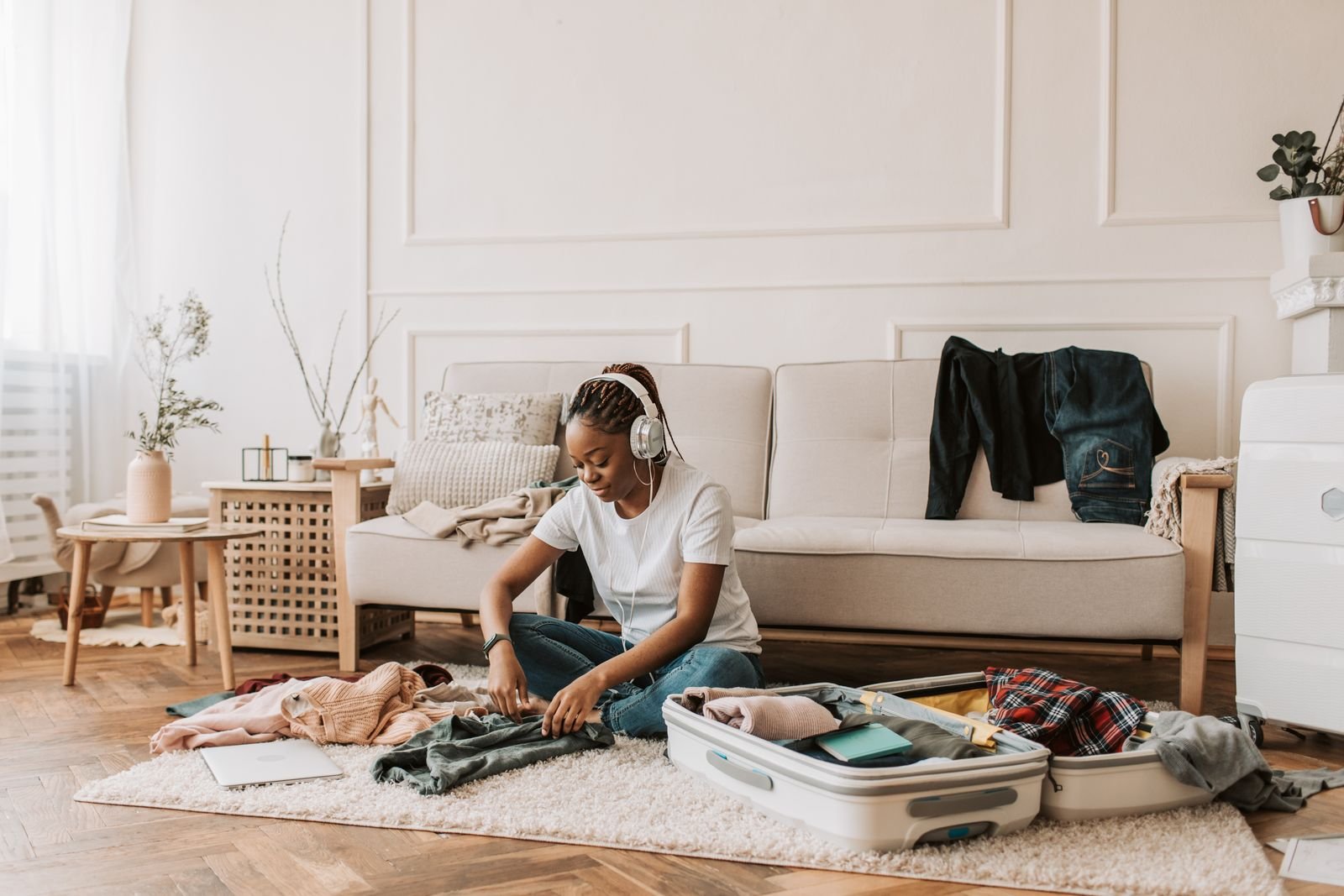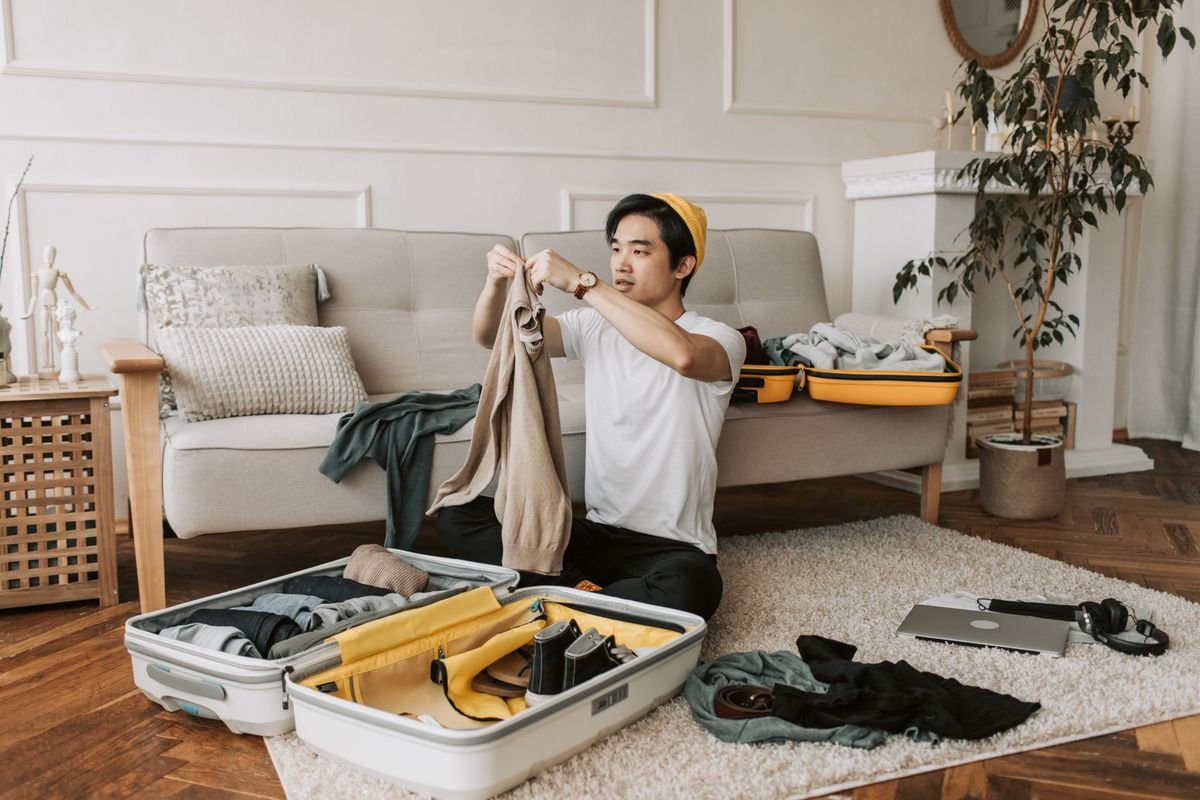
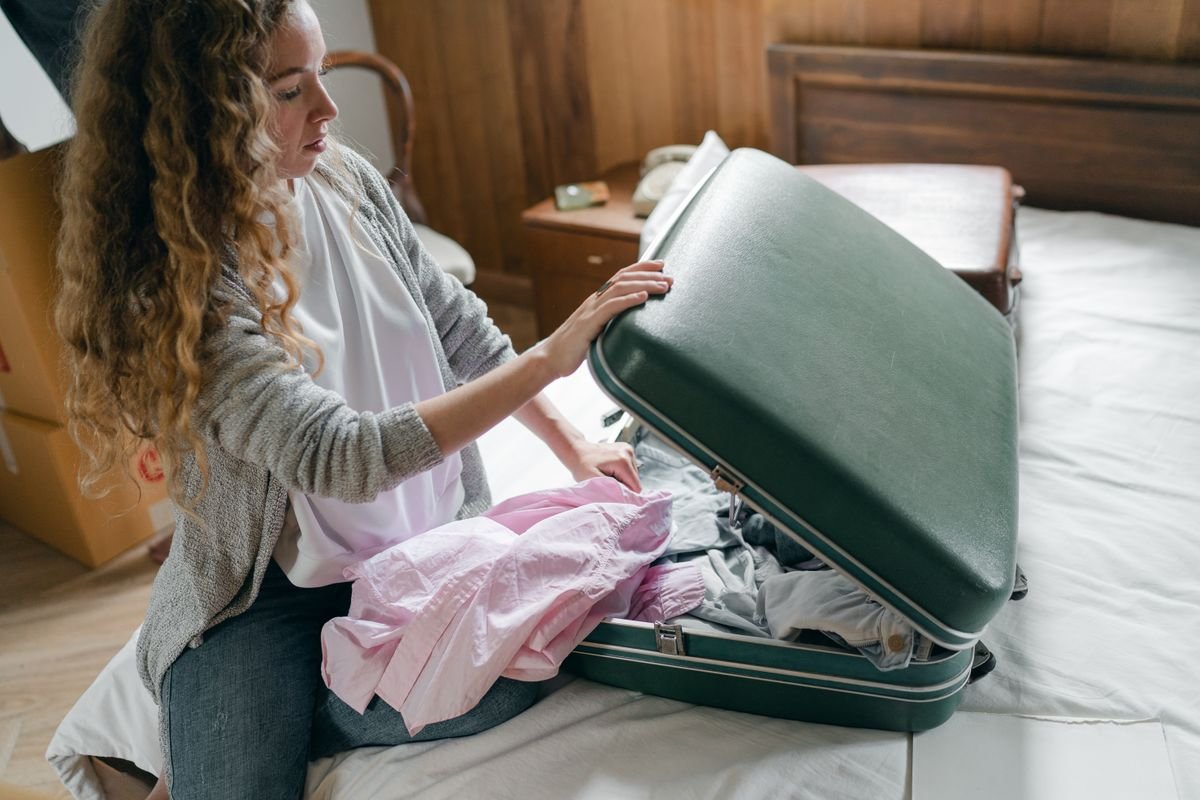
For years, my weekend trips started the same way. I packed a large suitcase, paid a checked bag fee at the airport, and then stood at the carousel on arrival, watching other bags go round while my weekend waited. By the time my bag appeared, the light had changed, the taxi line had grown, and the relaxed feeling I had hoped for was already fading. Learning how to pack light for a weekend trip without checking a bag changed all of that. Now I travel for a weekend with one bag, walk straight out of the airport, and start the trip the moment I land.
The change was not about buying expensive gear or learning a clever trick. It was about making fewer, better choices before I left home. A weekend is short. You need clothes for two nights, a small wash kit, a phone charger, and a little room for the things you pick up along the way. Everything else is usually a just in case item that stays folded in the bag and comes home unworn. Once I accepted that, packing became calmer, faster, and far more enjoyable.
This guide follows the same simple method I use now. It starts with outfits, not items. It gives you a worked plan for two nights. It covers shoes, toiletries, tech, and what to wear on the plane. It also covers the honest moments, like a bag that will not close, and what to do when that happens. If you follow it, you should be able to leave home with one carry on bag and a personal item, and return without wishing you had packed differently.
Start With a Color Palette, Not a Pile of Clothes
Most overpacking starts in the wardrobe, not at the suitcase. We open the doors, see clothes we like, and add them one by one. Before long we have five tops, three pairs of trousers, and nothing that quite works together. A color palette fixes that problem at the start. Pick one base color, one second color, and one accent color, and let every item earn its place by working with the others.
For a weekend in the US, a palette of navy, white, and tan works in almost every season and setting. Navy trousers go with a white shirt, a navy top goes with tan shoes, and a tan jacket ties the whole set together. In warmer weather, swap navy for a softer dark blue and add a light shirt. In cooler weather, keep the same palette and add a layer, rather than adding a whole new set of clothes in a new color. The palette is the plan, and the clothes simply follow it.
Once the palette is set, plan outfits, not items. Ask yourself what you will wear on Friday evening, Saturday daytime, Saturday evening, and Sunday before you travel home. That is four outfits, and some pieces will appear in more than one of them. A shirt worn under a jacket on Saturday can be worn on its own on Sunday. Trousers worn for dinner can be worn again the next day with a different top. When every piece works in at least two outfits, the bag gets lighter without the trip feeling limited.
Before you put anything in the bag, lay the outfits out on the bed in the order you will wear them. Look at the whole set together. If one item only works with one other item, and nothing else, leave it out. If a color stands alone and matches nothing, leave it out. This one check, done on the bed rather than inside a stuffed bag, saves more space than any packing gadget ever will.
How to Pack Light for a Weekend Trip Without Checking a Bag: The Two Night Plan
A worked plan makes the idea real, so here is a simple two night plan built around the navy, white, and tan palette. Adjust the weights and fabrics for the weather, but keep the structure. The aim is comfort during the day, a smarter look in the evening, and nothing left over that you never wore.
On Friday, travel in your smartest daytime outfit. Wear dark trousers, a comfortable top, and your main pair of shoes. Add a light jacket that also works in the evening. You arrive looking presentable, you have already worn one full outfit, and your bag holds only what remains. Friday evening needs no change, unless you want to swap the top for a fresher one from the bag. A clean shirt and the same trousers can feel like a new outfit when the jacket and shoes stay the same.
On Saturday daytime, wear a casual top with the same trousers or a second pair if the weather calls for it. Keep the look relaxed and practical, with shoes you can walk in for hours. Saturday evening is the moment for your smartest top, the one that lifts the whole outfit. Wear it with the dark trousers, add the jacket, and change small details like a scarf or a watch. You look ready for dinner without packing a separate evening outfit from scratch.
On Sunday, wear the remaining top with trousers you have already worn, or with the second pair if you packed one. Keep the outfit comfortable for travel, since you will be heading home. Pack the Friday and Saturday clothes as you go, so the bag is almost ready before you leave for the airport. If the weekend away is for a celebration, a little extra planning helps the whole trip feel special, and you may enjoy reading how to plan a low cost birthday party for adults at home for ideas that keep the celebration simple and relaxed. The point is the same in both cases: plan the moments, then pack only for those moments.
Shoes: One Pair Worn, One Spare at Most
Shoes take more space than almost anything else in a weekend bag, and they are where most people overpack. The rule that changed my packing was simple: wear one pair, pack one spare at most, and often pack none at all. Shoes are heavy, bulky, and hard to fit around. Two extra pairs can fill a carry on bag before a single shirt goes in.
Choose the pair you wear for comfort and versatility. It should work for walking during the day and still look fine at dinner. Clean leather shoes, smart trainers in a plain color, or neat walking shoes all work, depending on the trip. Wear them on the plane, so they take no room in the bag at all. If you need a spare pair, make it light and flat, such as simple sandals in summer or light slip on shoes for indoors. Pack them at the bottom of the bag, with socks tucked inside to save space.
Before you add a second pair, ask a direct question: will I really change my shoes, or do I just like the idea of having a choice? For a two night trip, the answer is usually no. One good pair, worn well, is more comfortable than three pairs competing for space. Your feet will thank you, and your bag will close with room to spare.
Toiletries Under the Liquid Limit, Plus Solid Swaps
Toiletries cause more airport stress than they should, mainly because we pack full size bottles out of habit. For a weekend, you need very little, and small containers are more than enough. Most major US carriers allow a carry on bag about 22 by 14 by 9 inches, and the liquid rule for the cabin is just as clear: each container must be small, and all of them must fit in one clear quart size bag. Decant what you need into small travel size bottles, label them if it helps, and leave the large bottles at home.
Solid alternatives make this even easier. A solid shampoo bar, a solid conditioner bar, and a bar of soap take no liquid allowance at all, last for many trips, and never leak in a bag. A solid deodorant and a small solid moisturiser bar can replace several bottles. If you prefer liquids, take only the products you use every day, in the smallest amount that will last two nights. A weekend is not the time to try a new skincare routine with five new products.
Pack toiletries in one small pouch at the top of the bag, so you can lift it out quickly at security. Keep medicines, contact lens supplies, and anything you need during the flight in your personal item, not buried in the main bag. Count the pouch before you zip it: cleanser, moisturiser, toothpaste, deodorant, and any daily essentials. If an item is not on that short list, it is a candidate for leaving behind.
Rolling, Packing Cubes, and a Bag That Stays Neat
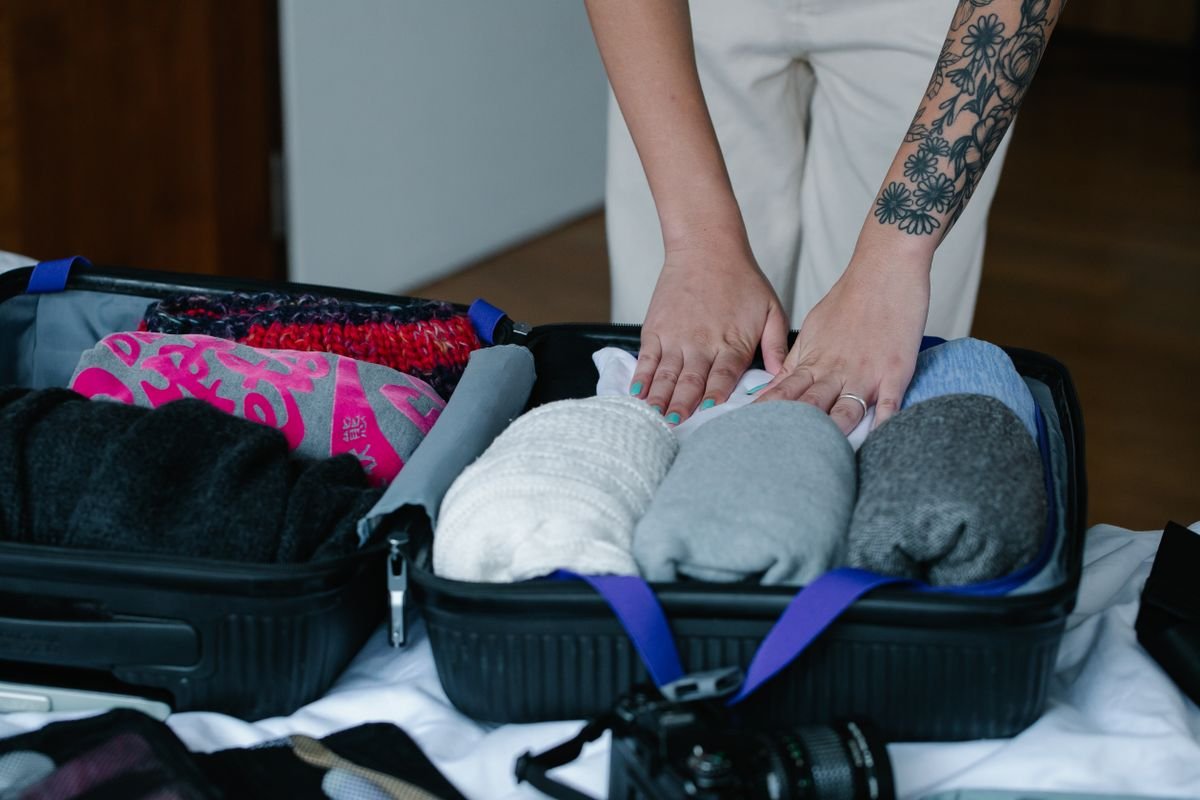
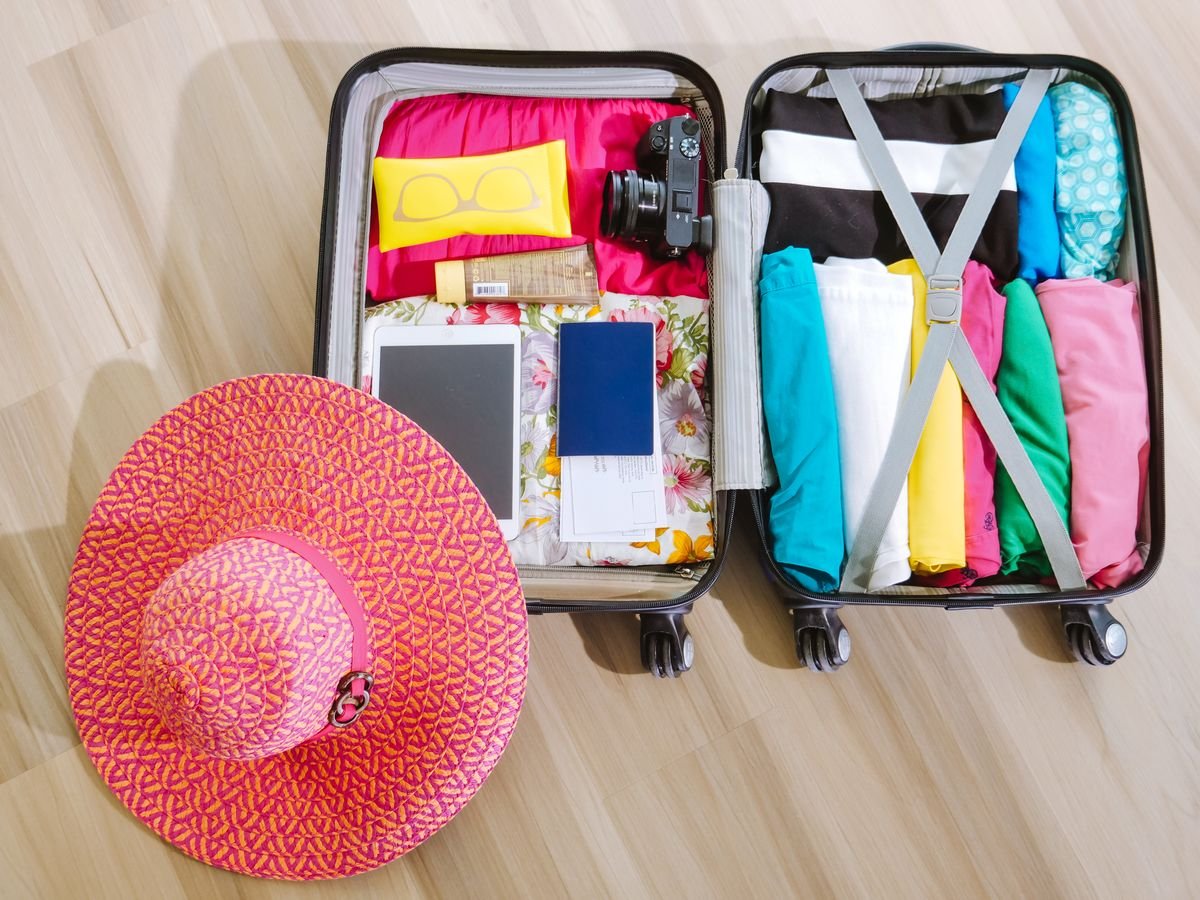
Rolling clothes is not magic, but it does help for a weekend bag. Soft tops, tees, and casual trousers roll well and fill the corners of a bag neatly. Stiffer shirts and jackets fold better, since rolling can crease them in odd places. Use both methods: roll the soft items, fold the structured items, and place the folded items on top so they stay smooth.
Packing cubes are worth trying if your bag often turns into a jumble by Saturday. Use one cube for tops, one for bottoms and nightwear, and one for underwear and socks. Cubes do not create space on their own, but they stop you from unpacking everything to find one shirt. They also make the take it out test, explained later in this guide, much easier, because you can lift out a whole cube and see at once what is inside it.
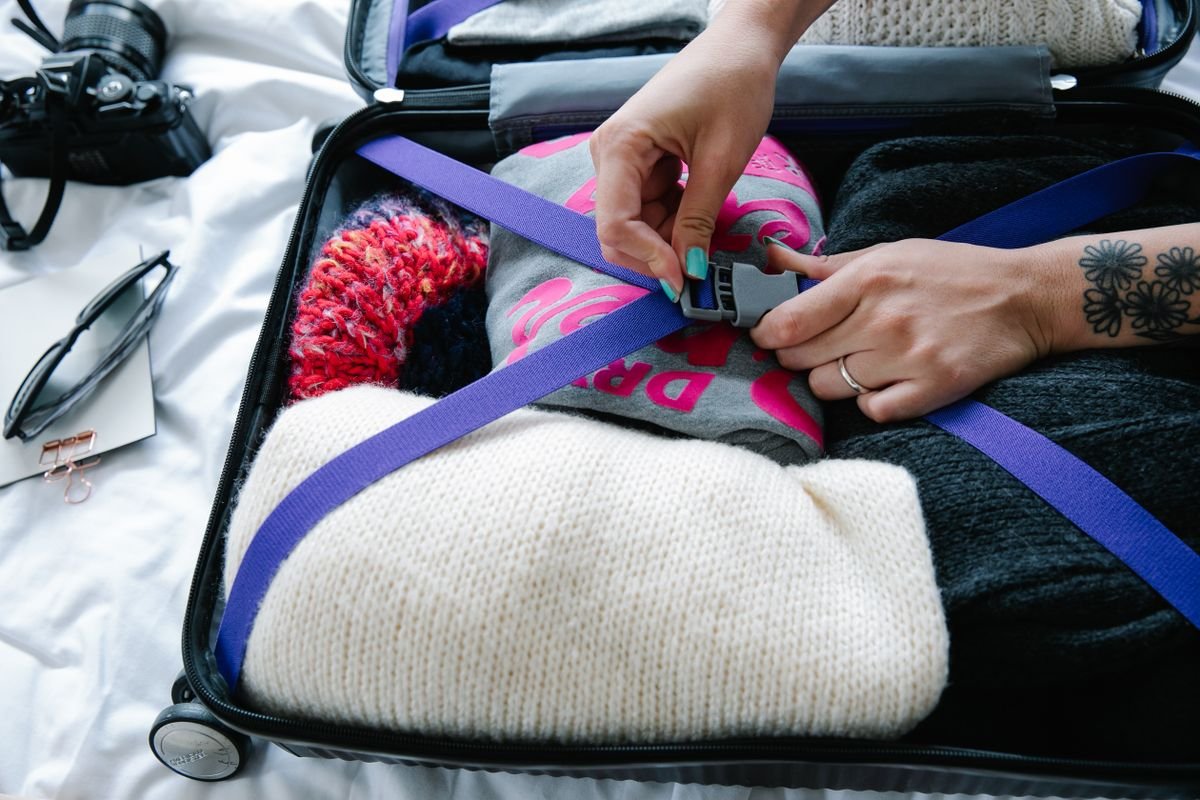
Pack in layers, heaviest at the bottom near the wheels, soft items around the edges, and fragile or smart items on top. Fill small gaps with socks, belts, and chargers in a pouch. A bag packed in layers stays balanced when you lift it into the overhead bin, and it unpacks in a sensible order at the hotel. When you arrive, you can lift out one cube at a time, rather than tipping the whole bag onto the bed.
The Tech Kit and Your Personal Item
Tech is another area where a weekend bag grows quietly. Chargers, cables, headphones, a tablet, a camera, and a portable battery can add weight and tangle in minutes. For two nights, keep the tech kit small and purposeful. A phone charger, one cable that charges your main devices, and headphones are the core kit for most travelers. Add a tablet or e reader only if you will truly use it, and leave the laptop at home unless work genuinely requires it.
Your personal item is your best friend on a carry on only trip. Use a small backpack, tote, or messenger bag that fits under the seat in front of you. Put your phone, wallet, passport or ID, boarding pass, headphones, a book or tablet, snacks, and a water bottle you can fill after security in this bag. Keep valuables and medicines here too, so they stay with you at all times. The main bag holds clothes and toiletries. The personal item holds everything you need during the journey itself.
Before you leave, charge everything, coil cables neatly with a small tie or pouch, and test that one cable charges each device you are taking. A single multi tip cable can replace three separate cables. Keep the tech pouch in the same place in your personal item every trip, so packing it becomes a habit, not a fresh decision each time.
What to Wear on the Plane
What you wear on the plane is part of your packing plan, not an afterthought. Wear your bulkiest items: your main shoes, your jacket, and your heaviest top or layer. This frees a surprising amount of room in the bag, keeps you warm on a cool cabin, and means you arrive in an outfit you can wear straight out of the airport.
Choose soft, comfortable layers that you can add or remove as the cabin temperature changes. A breathable top under a light jacket or cardigan works well. Avoid tight, stiff, or fussy clothes that feel uncomfortable after an hour in a seat. Wear trousers with a little stretch, socks that stay comfortable, and shoes you can slip off and on easily at security. Comfort on the plane is not about looking casual. It is about arriving fresh enough to enjoy the first evening.
Keep a small comfort set in your personal item: a scarf that doubles as a light blanket, lip balm, a small bottle of water bought after security, and a snack. These small comforts make a short flight pleasant without adding a separate bag. When you land, you are already dressed for the day, your jacket is on, and your main bag is still light enough to carry with ease.
A Dinner Ready Outfit Trick Without a Second Bag
Many travelers pack a whole second outfit for dinner, when a few smart swaps would do the same job. The trick is to build your daytime outfit so it can become an evening outfit with two changes only. Start with good trousers and a well fitting top in your palette. For dinner, change the top to your smartest one, add your jacket, and change small details. That is it. No second pair of trousers, no second pair of shoes, and no extra bag needed.
Fabric choice matters here. Choose tops in fabrics that resist wrinkles and still look smart after a day in a bag. Dark colors hide travel marks better than pale colors, which is why a navy or dark top is a good dinner choice. A simple watch, a neat belt, and clean shoes complete the look. People notice the overall impression, not whether you changed every single item.
If dinner is the main event of the weekend, give it one special item, and only one. That could be a smarter shirt, a dressier top, or a light jacket that elevates everything else. Pack that one item carefully, on top of the other clothes, so it stays smooth. One special item feels like a treat. A whole second outfit feels like extra weight you carry for one meal.
The Take It Out Test Before You Zip
Before you zip the bag, do the take it out test. Take out every item, one by one, and ask yourself three questions. Will I wear this on this trip? Does it work with at least two other items in the bag? Can I manage without it if it stays home? If the answer to any question is no, leave the item out. This test is best done calmly, the evening before you travel, not in a rush on the morning of departure.
The test often reveals a pattern. We pack for imaginary weather, imaginary plans, and imaginary versions of ourselves. We pack a formal shirt for a dinner that will be casual, a second jacket for a chill that never comes, and a book we never open. Taking items out is not about deprivation. It is about trusting the plan you made on the bed, and giving yourself a bag you can actually carry with ease.
After the test, zip the bag and lift it. Walk around the room with it. Lift it onto a bed or a chair, as you would lift it into an overhead bin. If it feels heavy or awkward now, it will feel worse in a busy airport. Take out one more item, even if it is a favorite. A lighter bag is a kinder travel companion than a favorite item you wear once.
What to Do If the Bag Will Not Close
Even with a good plan, there are trips when the bag simply will not close. Do not force the zip, sit on the bag, or add a second bag in a panic. Stop, open the bag fully, and take everything out. A bag that will not close is telling you the plan needs a small change, not that you need a bigger bag.
First, remove the just in case items. These are usually the extra top, the second jacket, the extra shoes, or the book you added at the last minute. Second, check for bulky items that could be worn instead of packed. Your jacket and your main shoes belong on you, not in the bag. Third, repack in layers, with cubes if you use them, and fill the gaps with small soft items. Often the same clothes fit easily once they are packed in order, rather than pushed in as a pile.
If the bag still will not close, choose one outfit to simplify. Swap a bulky item for a lighter one in the same color, or drop the second pair of trousers and wear one pair twice with different tops. For a weekend, this trade is almost always worth it. Arriving with a bag that closes, lifts easily, and fits the overhead bin is far better than arriving with a bag that strains at the seams and slows you down at every step.
Walk Out, Bag in Hand
Learning how to pack light for a weekend trip without checking a bag is less about packing skill and more about deciding what a weekend truly needs. A clear color palette, four planned outfits, one good pair of shoes, a small wash kit, a simple tech kit, and clothes you wear on the plane will cover almost every two night trip. The rest is usually extra weight, extra worry, and extra time at the carousel.
On your next weekend away, try the method in full. Lay out the outfits, do the take it out test, wear your bulkiest items, and walk through the airport with one bag. Notice how different the trip feels when you step off the plane and keep walking, past the carousel, out into the city, with your weekend already in your hand. That feeling, calm, light, and ready, is the real reward for packing light, and once you have felt it, you will not want to go back to a checked bag for a weekend again.
Frequently Asked Questions
Can I really manage a weekend with one carry on bag?
Yes, for most two night trips you can. Plan four outfits from a small color palette, wear your bulkiest shoes and jacket, and keep toiletries and tech to a small kit. The bag stays light because every item works in more than one outfit.
How many shoes should I pack for a weekend trip?
Wear one versatile pair and pack one light spare at most. For many trips, one good pair is enough. Extra shoes fill a bag fast, so choose comfort and versatility over choice.
What size bag works for a carry on only weekend?
Most major US carriers allow a carry on bag about 22 by 14 by 9 inches, plus a personal item that fits under the seat. Check your airline before you travel, since exact limits can vary, and pack to the smaller limit if you fly with more than one carrier.
How do I keep clothes fresh for a second wear?
Air clothes overnight, hang them up on arrival, and pack fabrics that resist wrinkles. Wear a fresh top with trousers you have already worn, and save your smartest top for the evening when you want to look your best.
What should I do if I want to bring things home?
Leave a little space in your bag on the way out, or pack a light foldable tote inside the main bag. Use it for souvenirs and gifts on the way home, and keep valuables and fragile items in your personal item for the journey.