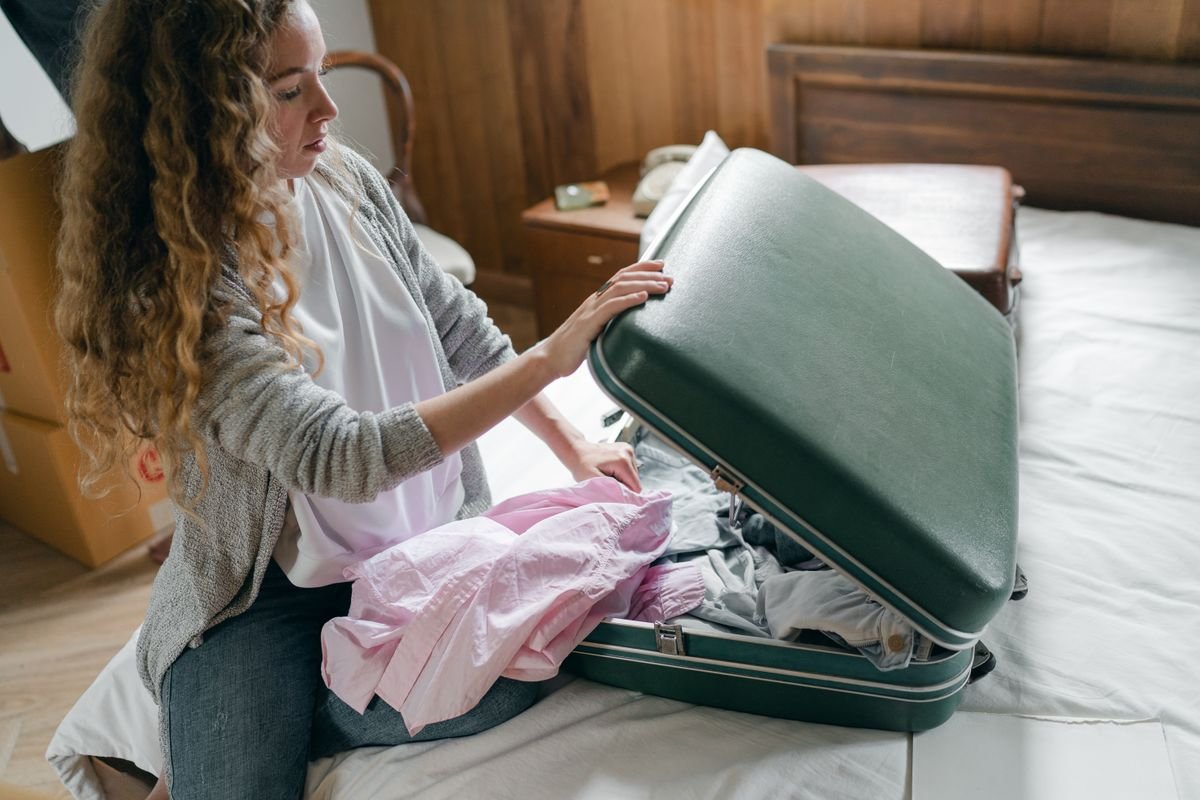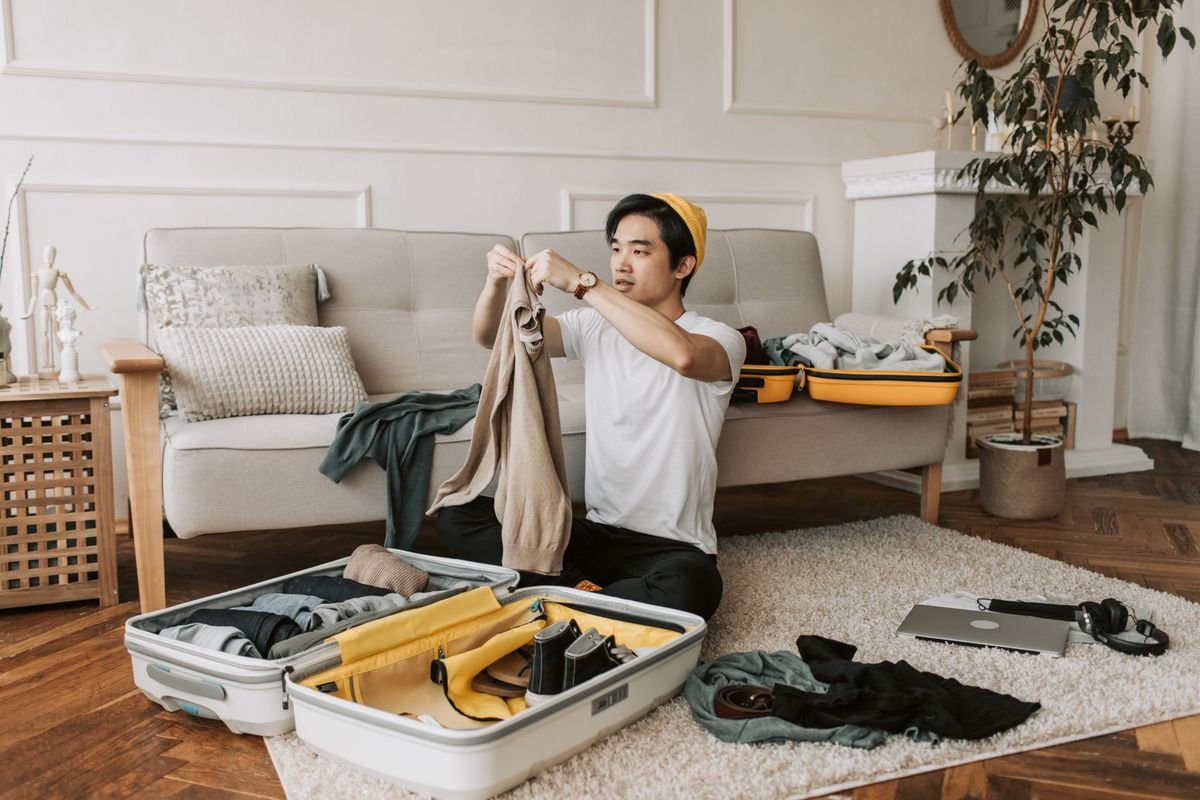
Most business travelers do not lose a meeting because of a bad idea. They lose confidence because of a creased shirt, a soft collar, and a suit jacket that looks like it slept in a bag. If you have ever opened a carry on in a hotel room and felt your shoulders drop, you know the feeling. The good news is that wrinkle free travel is not luck. It is a system, and once you learn it, you can repeat it on every trip.
This guide shows you how to pack business clothes in a carry on without wrinkles, from fabric choice to folding to the ten minute arrival routine that makes you look meeting ready. You will learn a small capsule that mixes and matches, step by step methods for suits, shirts and trousers, a layout that protects your clothes in transit, and quick fixes for the crease that still slips through. It works for a two night trip and for a full working week with laundry in between.
The Consultant Who Stopped Ironing in Hotel Rooms
Daniel was a management consultant who flew twice a month for client work. For years, his first hour in every hotel followed the same pattern. He unpacked slowly, hung everything up, plugged in the iron, and pressed one shirt after another while his notes waited on the desk. By the time he left for the meeting, he felt rushed and a little tired, even before the work began.
The change did not come from buying a bigger bag. It came from changing the order of his decisions. He started choosing fabrics that recover well, packing fewer pieces that work together, and folding each item with a purpose instead of stuffing it in at the last minute. Within three trips, the iron stayed in the closet. His suit came out smooth, his shirts held their shape, and he used that first hotel hour to review his talking points and settle into the city.
That is the real benefit of a good packing system. It does not just protect cloth. It protects your time and your focus. When your clothes are ready, your mind is free to focus on the client, the conversation, and the outcome you want from the meeting. setting boundaries with clients
Start With Fabric and a Small Capsule
Folding skill matters, but fabric matters more. A cotton shirt with no stretch will crease if you look at it the wrong way. A wool blend suit, a wrinkle resistant shirt, and a well chosen pair of trousers will forgive a long flight and still look sharp at the end of the day. You do not need an expensive wardrobe. You need the right few pieces.
Choose Fabrics That Travel Well
Look for wool blends for suits and trousers. Wool naturally springs back, breathes well, and holds a clean line after hours in a bag. A blend with a small amount of stretch adds comfort on a flight without making the fabric look casual. For shirts, choose cotton blends, performance cotton, or fabrics labeled wrinkle resistant or no iron. They still need good folding, but they recover much faster than pure stiff cotton.
Avoid linen for short business trips unless you love its relaxed look. Linen creases by design, and no packing method will keep it smooth through a flight. Avoid very thin cotton that shows every fold, and avoid heavy fabrics that add bulk and weight to a small bag. Test a piece at home before you trust it on a trip. Fold it, place a book on it for an hour, then hang it up. If the creases drop out in twenty minutes, it is a travel winner.
Build a Capsule That Mixes and Matches
A business capsule is not about owning less for the sake of it. It is about owning pieces that work together so you can create several outfits from a small number of items. For a trip of three to five days, one suit in navy or charcoal, two shirts, two pairs of trousers, one tie if you need it, and one pair of shoes will cover most meetings. Add a knit polo or a second shirt for a casual dinner, and you are set.
Keep the color palette tight. Navy, charcoal, white, light blue, and one accent color make mixing easy. A white shirt works with both trousers. A light blue shirt softens a dark suit for a second day meeting. Dark trousers hide travel marks better than light ones, and a single belt and a single pair of dress shoes keep the bag light. Every item should match at least two other items. If a piece only works with one outfit, leave it at home. prioritizing tasks with the Eisenhower matrix
Pack clothes you have already worn and liked. A trip is not the time to test a new shirt that pulls at the shoulders or trousers that need a belt you forgot. Familiar clothes fit predictably, fold predictably, and let you move through a meeting without adjusting cuffs or waistbands.
Pack Suits, Shirts and Trousers Without Creases
Creases form where fabric is pressed sharply, folded tightly, or left under weight for hours. The goal is not to avoid folds entirely. The goal is to make folds soft, round, and supported, so they fall out quickly. Two methods do this best for business clothes: bundling and careful flat folding.
Use the Bundle Method for Your Suit
Bundling wraps your clothes around a soft core, so there are no sharp edges inside the bundle. It works well for a suit jacket, shirts, and trousers together, and it keeps everything compact in a carry on. Use a small pouch of socks or underwear as the core, or roll a soft knit top into a firm bundle.
- Lay your suit jacket face down on a flat surface, with the sleeves straight out to the sides.
- Fold one side of the jacket over the core, then fold the other side over it, so the jacket wraps smoothly around the center.
- Place a shirt face down on top of the jacket, fold the sleeves in, and fold the sides over the core in the same way.
- Add trousers last, laying them flat and folding them over the bundle, so the outer layers protect the inner layers.
- Place the whole bundle flat in your bag, with nothing heavy on top of it.
The bundle should feel firm but not tight. If you have to force the bag closed, the bundle is too large or the core is too big. Take one item out and repack. A relaxed bundle travels better than a compressed one, because tight pressure creates the deep creases you are trying to avoid.
Fold Shirts So Collars and Cuffs Stay Sharp
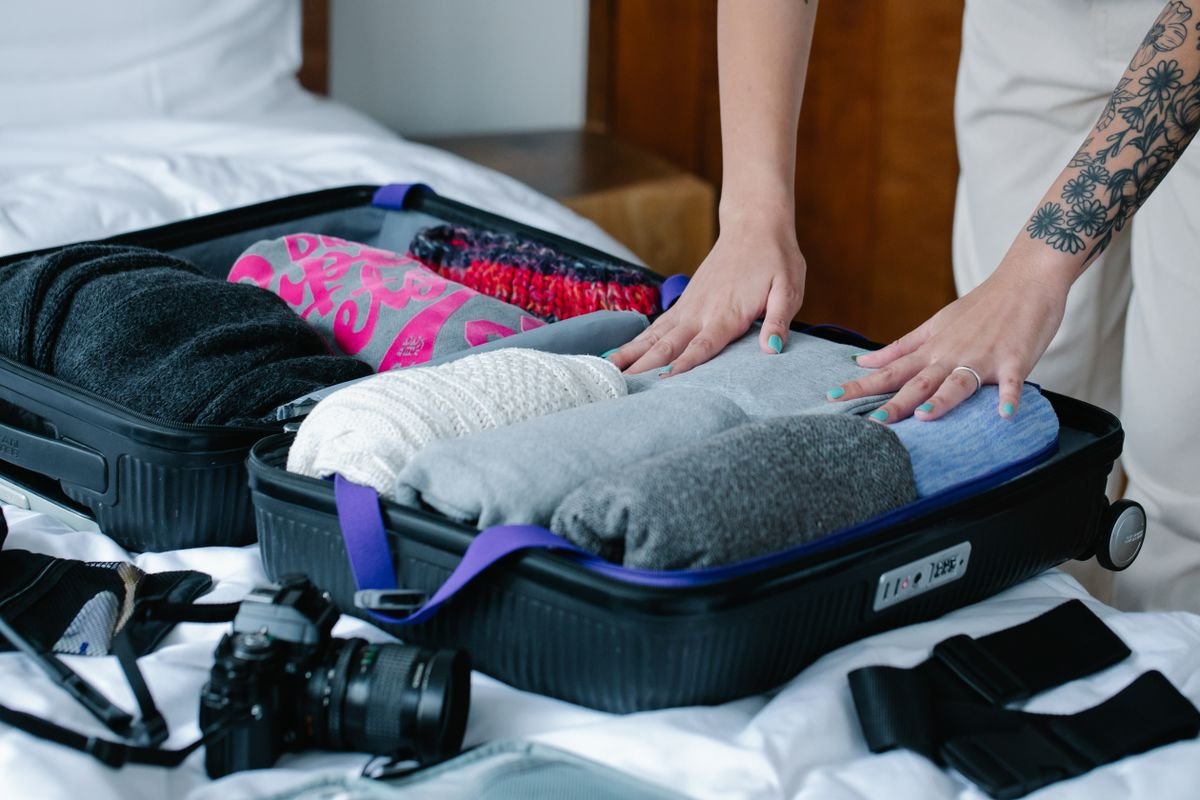
Start by buttoning the shirt fully, including the top button and the cuffs. Buttoning keeps the front flat and stops the placket from twisting in the bag. Lay the shirt face down, smooth it gently with your hands, and fold each sleeve back across the body at a soft angle. Do not press a hard edge into the sleeve. A slight curve at the fold helps the crease fall out later.
Fold one side of the shirt toward the center, then fold the other side over it. Fold the body up once from the bottom, so the shirt forms a neat rectangle about the size of your packing cube or the width of your bag. Place tissue paper or a dry cleaning bag between layers if you have them. The slippery surface lets layers slide instead of pressing into each other, which reduces friction creases.
Protect the collar by keeping it flat and supported. Do not fold a shirt so the collar bends backward. If you use a collar support or the cardboard insert that came with the shirt, keep it for travel. It weighs almost nothing and saves the shape that frames your face in a meeting.
Fold Trousers Along Their Natural Crease
Trousers are easier than most people think, if you respect the crease that is already pressed into them. Lay the trousers flat, match the front and back creases, and fold them in half lengthwise so the legs lie neatly together. Smooth the fabric from waist to hem with your palm, then fold the trousers in half once more, or in thirds if your bag is short.
Place trousers on top of the bundle or in a flat layer, never at the bottom under shoes and toiletries. Weight is the enemy of smooth trousers. If you can, hang trousers as soon as you arrive, even if you plan to change later. Gravity does quiet work while you shower and prepare, and many light creases will drop out on their own.
Lay Out Your Carry On Like a System
How you place clothes in the bag matters as much as how you fold them. A good layout keeps business clothes flat, supported, and away from hard objects. It also makes unpacking fast, so you are not pulling shirts out from under shoes at midnight.
Start with a flat base. Place shoes in bags at the sides or the bottom corners of the suitcase, away from your shirts. Put heavy items like a toiletry kit and chargers in a separate compartment or along the edges, not on top of your suit. Your bundle or folded shirts should sit in the main flat section, with nothing pressing down on the collar area.
Use one or two packing cubes for small items, but do not overuse them for business clothes. Cubes are great for socks, underwear, belts, and casual tops. For suits and dress shirts, a flat layer often travels better than a cube packed tight. If you do use a cube for a shirt, choose a large one and fold the shirt loosely, so the fabric has room to breathe.
Fill gaps with soft items. A rolled tie inside a shoe, socks inside shoes, and a soft scarf around a bundle all stop clothes from shifting during the flight. Movement creates friction, and friction creates creases. A bag that is full but not overstuffed protects clothes better than a half empty bag where everything slides around.
Keep one complete outfit easy to reach. If your flight is delayed or your hotel check in is late, you may need to change quickly. Place your meeting shirt and trousers near the top of the bag, with your tie and belt close by. That small choice removes stress on the days when travel does not go to plan.
Follow an Arrival Routine That Saves the First Hour
The first fifteen minutes in your hotel room decide how your clothes look for the rest of the trip. Do not leave unpacking until just before you need to dress. Unpack as soon as you arrive, even if you only have a few minutes before dinner or a call.
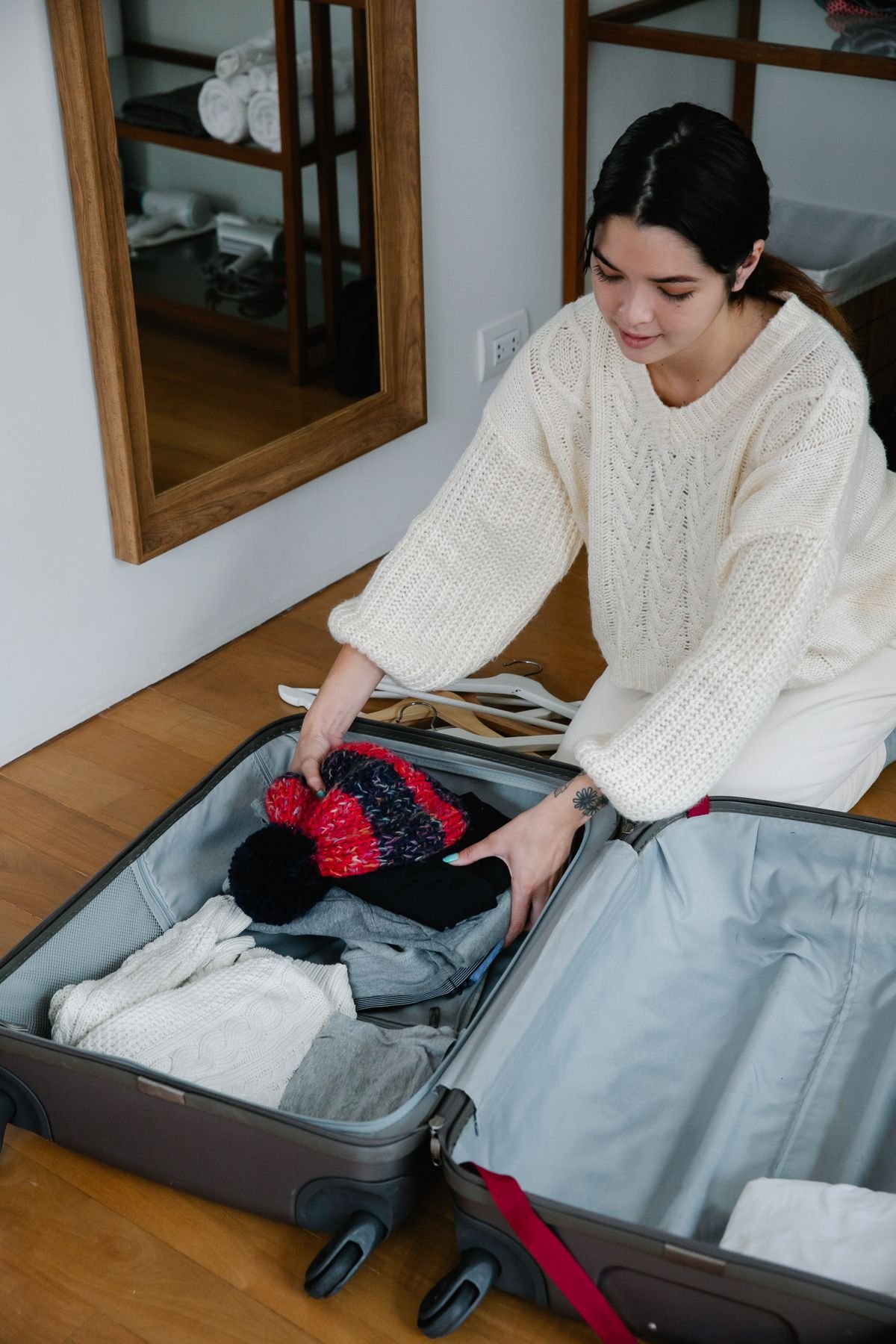
Hang your suit, shirts, and trousers immediately. Button shirts, zip trousers, and let them hang on sturdy hangers, not thin wire ones that leave marks on shoulders. Open the closet door or hang items near airflow if you can. Close the bathroom door if you take a hot shower, and let the steam work gently on the hanging clothes for a few minutes. Do not hang clothes inside a steamy bathroom for long, because damp fabric can pick up new wrinkles as it dries.
Shake each garment lightly before hanging it. Hold it by the shoulders or waistband, give it two or three gentle shakes, and smooth the main panels with your hands. This simple step releases many travel folds before you even think about steam or pressing. Then leave the clothes alone while you freshen up, review your notes, and prepare for the meeting. Most light creases will soften in that time.
Plan your outfits for the trip on arrival, not each morning. Hang tomorrow’s outfit together, with the shirt, trousers, tie, belt, and shoes in one place. Morning decisions become faster, and you avoid pulling a fresh shirt from the bag at the last minute and finding a crease you had no time to fix.
When a Crease Still Appears
Even with the best system, a crease will sometimes appear. A long delay, a tight connection, or a bag checked at the gate can undo careful packing. Do not panic. Most creases can be fixed in five minutes with tools you already have in a hotel room.
A travel steamer is the best investment for frequent business travelers. It is light, fast, and gentle on wool and cotton blends. Hold it a few inches from the fabric, move it slowly downward, and let gravity pull the cloth smooth. Steam the front and back of a shirt, then hang it for two minutes before dressing. For a suit, steam lightly and avoid pressing the lapels flat, because lapels should keep their natural roll.
If you do not have a steamer, use the shower method. Hang the garment in the bathroom, close the door, and run a hot shower for five to eight minutes with the fan off. Do not get the clothes wet. The warm moist air relaxes fibers, and most creases will soften. Afterward, hang the garment in the main room to dry fully before wearing it.
- For a collar crease, smooth the collar flat with damp hands and let it dry in shape.
- For a trouser crease that has gone soft, hang the trousers by the waistband and smooth the front crease line with your fingers.
- For a sleeve crease, hang the shirt and gently pull the sleeve straight, then smooth the fold line outward.
- For a small spot crease, press it with a warm hair dryer from a short distance while smoothing the fabric with your other hand.
Use a hotel iron only when you need a crisp finish, and always use low to medium heat with a pressing cloth or a clean pillowcase between the iron and your suit. Never iron a suit jacket directly on the outside fabric. Press from the inside when you can, and keep the iron moving so you do not create shine. A few careful passes are better than pressing hard in one place.
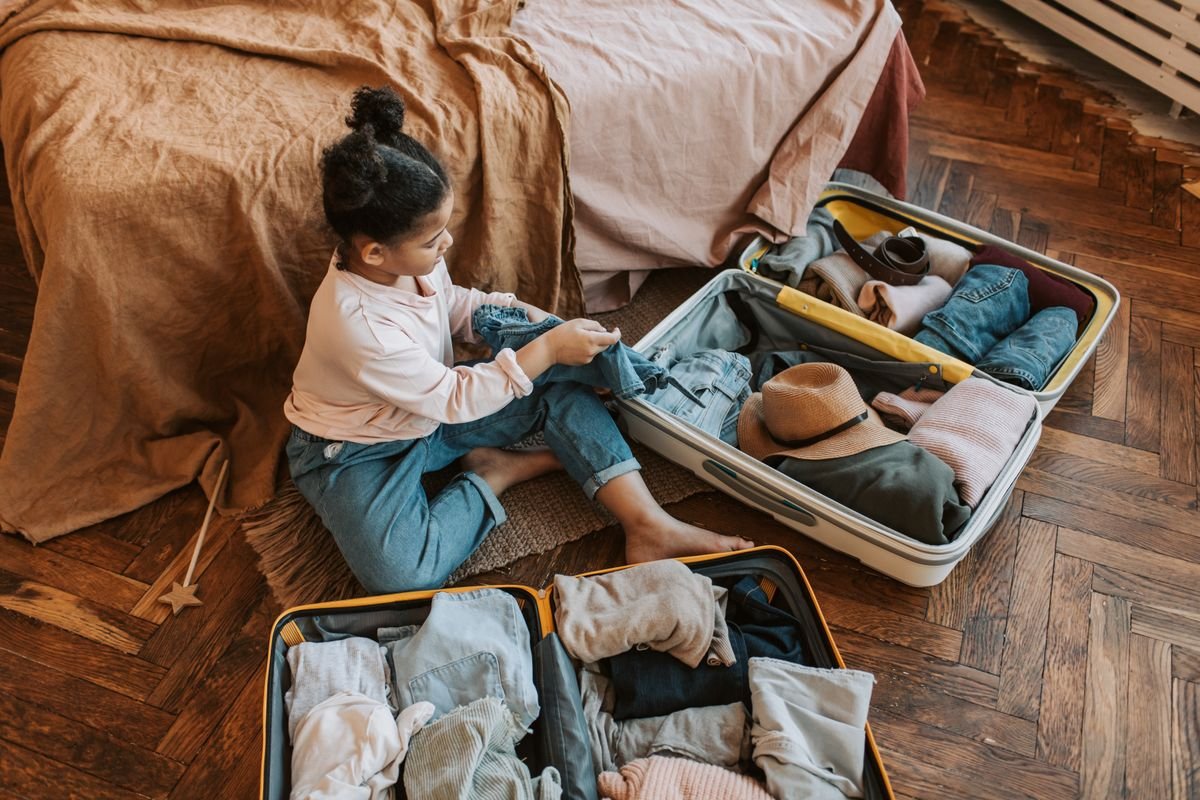
A wrinkle release spray can help for light creases on shirts and trousers. Spray lightly, smooth the fabric, tug it gently into shape, and let it dry. Do not soak the fabric, and test the spray on a hidden area first if you are using it on a new garment. It will not fix deep creases, but it is perfect for the last minute touch up before you leave the room.
What to Leave Behind
Good packing is also about what you choose not to bring. Extra outfits create extra bulk, extra weight, and extra pressure on the clothes you actually need. If you are unsure about an item, ask whether it earns its place by matching at least two outfits and surviving a day of meetings without fuss. If the answer is no, leave it at home.
Leave bulky sweaters, extra shoes, and backup outfits that duplicate what you already packed. One pair of dress shoes, polished before you leave, will serve a whole trip. One belt in a neutral color works with every outfit in a tight capsule. Laundry services in most business hotels can refresh a shirt overnight, which is often cheaper and lighter than packing three extra shirts you will not wear.
Travel light, but travel ready. A carry on that closes easily, unpacks in minutes, and keeps your suit smooth is worth more than a larger bag filled with choices you never use. The system in this guide gives you that freedom, trip after trip.
Conclusion: A Sharp Arrival Is a Repeatable Habit
Learning how to pack business clothes in a carry on without wrinkles is not about one clever fold. It is about a chain of small choices that work together. Choose fabrics that recover well. Build a capsule where every piece matches. Bundle or fold with soft edges, not sharp pressure. Lay out your bag so business clothes sit flat and protected. Unpack on arrival, hang everything at once, and fix the last crease with steam, not stress.
Start with your next trip. Pick one suit, two shirts, and two pairs of trousers that travel well, and pack them using the bundle method. Follow the arrival routine, and notice how much calmer your first hotel hour feels. When you walk into a meeting looking sharp and feeling prepared, people notice the confidence before they notice the clothes. That is the real payoff of packing well, and it is available on every trip you take from now on. That is how to pack business clothes in a carry on without wrinkles, trip after trip.
Frequently Asked Questions
Can I pack a full suit in a carry on without wrinkles?
Yes, if you choose a wool blend suit and use the bundle method or careful flat folding. Keep the suit flat in the bag, avoid heavy items on top of it, and hang it as soon as you arrive so light creases can drop out.
What is the best way to fold dress shirts for travel?
Button the shirt fully, lay it face down, fold the sleeves in softly, and fold the sides toward the center. Fold the body up once into a neat rectangle, protect the collar, and place the shirt flat on top of your other clothes.
Should I roll or fold business clothes?
Fold business clothes for meetings, and roll only casual items like knit tops and underwear. Rolling can work for casual cotton, but folding and bundling protect the structure of suits, dress shirts, and trousers much better.
How do I remove wrinkles without an iron in a hotel?
Use a travel steamer if you have one, or hang the garment in a steamy bathroom for a few minutes. Shake it gently, smooth the main panels by hand, and let it hang in fresh air until it is fully dry before dressing.
How many business outfits fit in a carry on?
A well planned capsule gives you three to five outfits from one suit, two shirts, and two pairs of trousers. Keep colors tight so pieces mix and match, and use overnight laundry for longer trips instead of packing extra outfits.