
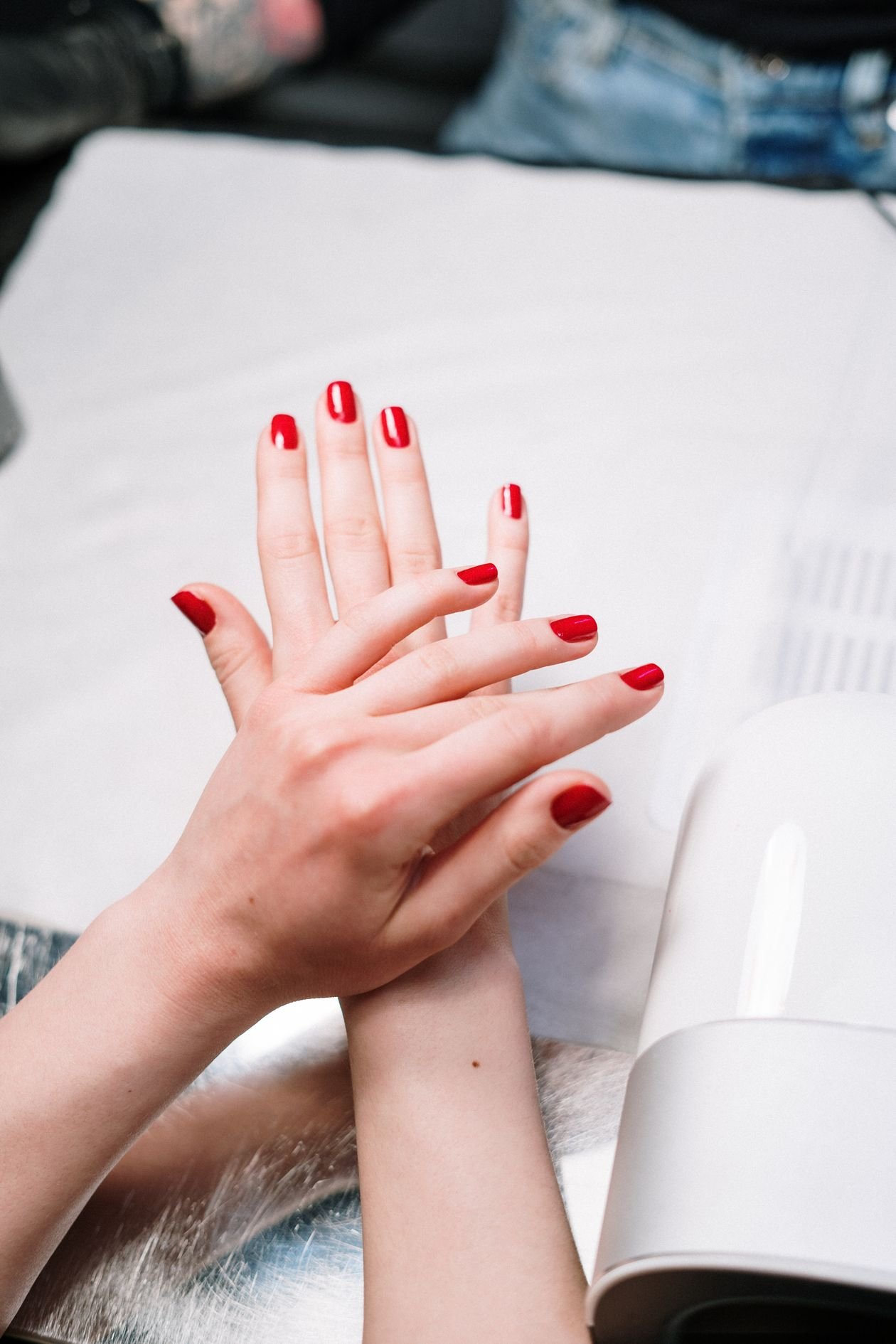
You tried bitter polish, you hated the taste, and you still catch yourself biting your nails during meetings, while reading, or late at night in front of the television. The polish failed because it only punished the bite after it happened, and it did nothing about the urge that came before it. If you want to learn how to stop biting nails without bitter polish, you need a plan that works on the urge itself, not just on the taste of your fingertips.
Nail biting, often called onychophagia by researchers, is one of the most common body focused habits. It usually starts in childhood, survives into adult life, and thrives on autopilot. Most people do not decide to bite. They notice they have already bitten. That is why willpower alone rarely works, and why bitter polish so often disappoints. The habit loop has three parts: a trigger, the biting itself, and a brief sense of relief. Break any one part of that loop and the habit starts to weaken. This guide shows you how, using methods backed by behavioral research rather than bad taste.
How to Stop Biting Nails Without Bitter Polish by Understanding Your Triggers
Before you try any technique, spend one week simply noticing. Keep a small notebook or a note on your phone, and every time you catch yourself biting, write down what you were doing, where you were, and how you felt. Boredom, stress, concentration, and tiredness are the most common triggers, but your personal pattern matters more than any general list.
Most people discover their biting clusters around a few situations. It might be during long video calls, while waiting for a page to load, while watching television in the evening, or while reading difficult material. Once you know your top two or three situations, you can place your defenses exactly where the habit actually happens, instead of fighting it everywhere at once.
Also notice the physical warning signs that come just before a bite. Many people run a finger along a nail edge, pick at a rough cuticle, or raise a hand toward their mouth without thinking. Those tiny movements are your early warning system. Catching the habit at the finger check stage is far easier than stopping it once a nail is already between your teeth.
Use Habit Reversal Training, the Method With the Best Evidence
Habit reversal training is the behavioral method with the strongest research support for nail biting, and it does not involve any polish at all. It has three steps, and they work best together. The first step is awareness training, which is the week of noticing described above. The second step is a competing response. The third step is social support, which simply means telling someone you trust what you are doing so they can remind you kindly when they notice.
A competing response is an action that makes biting physically impossible for a short time. When you feel the urge, or catch your hand moving toward your mouth, do the competing response instead for at least one minute. Good options include pressing your fingertips firmly together, making a fist and holding it for thirty seconds, sitting on your hands, or gripping a stress ball. The action should be discreet enough to use at work, and incompatible with biting, so you cannot do both at once.
Practice the competing response deliberately several times a day, even when you feel no urge. That rehearsal matters, because in the real moment the urge arrives fast and the old habit is already wired in. A response you have practiced dozens of times is far more likely to win than one you only thought about once. Studies of habit reversal training have reported large reductions in biting within six to eight weeks for people who practice consistently.
Physical Barriers That Work Better Than Taste
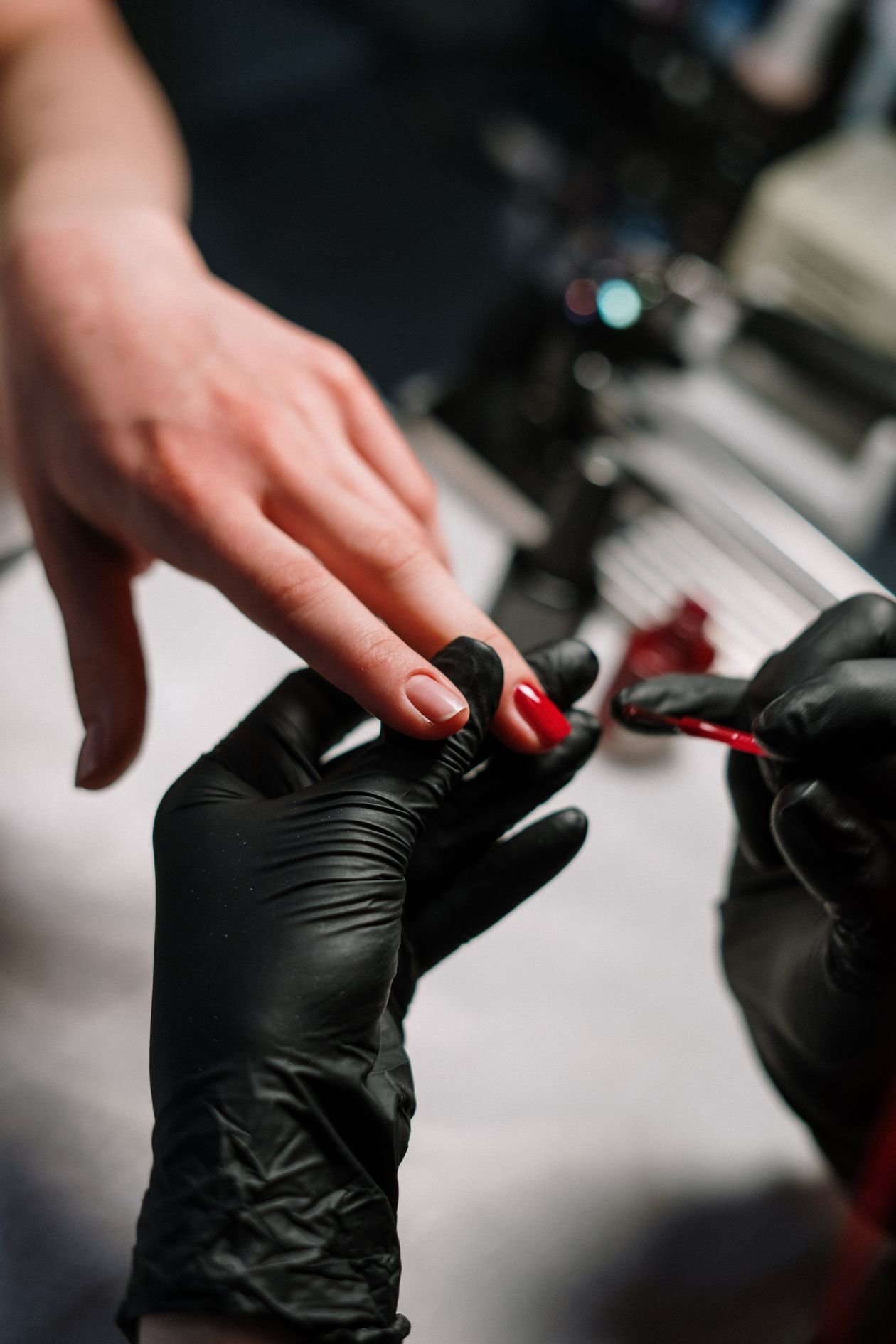
Physical barriers succeed where bitter polish fails because they interrupt the habit before it starts, and they do not rely on willpower in the moment. Press on nails are one of the most effective barriers. They cover the natural nail completely, they look good, and they remove the rough edges that invite picking. Many people find that wearing them for several weeks breaks the cycle, and the urge fades even after they are removed.
Shorter term barriers help too. Keep your nails trimmed very short and filed smooth, since short nails offer less to bite and fewer rough edges to catch on. File a rough edge the moment you notice it, and carry a small nail file so you can fix it anywhere. A single snag left alone can trigger an entire evening of picking, while a thirty second file stops the loop before it starts.
For high risk times, such as television in the evening, try finger covers, thin cotton gloves, or simple adhesive bandages on the two or three fingers you bite most. You do not need to wear them all day. Wearing them only during your worst trigger window is often enough, and it keeps the method practical for work and social life.
Replace the Sensation Instead of Fighting It
Nail biting often serves a sensory need. Your hands want something to do, and your mouth wants oral stimulation, especially during boredom or concentration. Giving that need a harmless outlet removes much of the urge without a battle of willpower. Chewing gum is the simplest substitute, and it works well during reading, driving, and desk work.
For your hands, keep a small fidget tool where biting usually happens. A smooth worry stone, a textured fidget cube, a stress ball, or a short length of silicone chew jewelry all give your fingers a job. Place the tool next to your keyboard, on your nightstand, or in your coat pocket, wherever your trigger situations occur. The tool only works if it is within reach in the moment, so position matters more than which tool you choose.
Knitting, drawing, or any craft that keeps both hands busy is a powerful evening substitute. Many former biters report that their habit faded fastest once their hands had a regular evening occupation. The goal is not to stay busy every waking minute. It is to cover the specific hours when biting used to happen on autopilot.
Fix the Nails Themselves So There Is Less to Pick At
Damaged nails invite more biting, and the cycle feeds itself. A nail with a torn edge, a ragged cuticle, or a painful hangnail practically asks to be picked at. Breaking that cycle means giving your nails regular care, even while they are still short. Moisturize your hands and cuticles daily, especially after washing, since dry cuticles crack and create new picking targets.
Use a gentle nail strengthener or a clear base coat if you like, not as a bitter deterrent but as a smooth protective layer that makes the nail surface less tempting. A clear coat also makes progress visible. As your nails grow, you can see the white tips lengthen, and that visible progress becomes its own motivation. Take a photo of your nails each week so you can see change that is too slow to notice day by day.
Book a professional manicure if that helps you protect the result. A manicure is not vanity spending in this context. It is a commitment device. People are far less likely to bite nails they have just paid to have cared for, and the smooth finish removes the rough edges that trigger picking. Even one manicure a month can anchor the whole routine.
Handle Stress and Boredom, the Two Biggest Drivers
Techniques fail when the underlying driver stays untouched. If stress drives your biting, stress tools belong in the plan. Box breathing is a simple one. Breathe in for four seconds, hold for four, breathe out for four, hold for four, and repeat four times. It takes barely a minute, it can be done anywhere, and it interrupts the tension that often precedes a biting episode.
Short movement breaks help too. Standing up, stretching, or walking around the room for two minutes changes your physical state enough to break the autopilot loop. Pair the break with your competing response, and you have a two part reset you can use at work without drawing attention.
Boredom needs a different answer. If biting happens mostly when your hands are idle, plan for idle moments in advance. Keep a book, a puzzle, or a fidget tool by your usual evening seat. People who only try to resist boredom biting, without giving their hands an alternative, usually lose. People who plan the alternative in advance usually win.
What to Do When You Slip
A slip is not a failure, and treating it as one is the fastest way to abandon the whole plan. Almost everyone trying to stop biting slips, often several times in the first month. What matters is the speed of recovery, not the fact of the slip. When you catch yourself, stop, use your competing response for a minute, file any rough edge, and move on without a lecture to yourself.
Look at the slip as data, not as defeat. Ask what situation it happened in, and whether your barrier or substitute was missing from that situation. Adjust the plan for that situation specifically. If evening television keeps producing slips, move the fidget tool to the television chair. If work calls are the problem, keep the stress ball by the phone. Small, specific adjustments beat grand resolutions every time.
Track your progress in weeks, not days. A week with fewer episodes than the week before is progress, even if it was not a perfect week. Many people need six to eight weeks of consistent practice before the urge fades noticeably, and that timeline is normal. Patience here is not passive waiting. It is steady repetition of a method that research shows works.
When to Get Extra Help
Most nail biting responds to the methods above, but some cases need professional support. Seek help if biting causes frequent bleeding, infections, or persistent pain, if nails or surrounding skin are severely damaged, or if the habit comes with intense anxiety that does not respond to basic stress tools. A therapist trained in habit reversal training can tailor the method to your pattern, and a doctor can check for skin infection or nail damage that needs treatment.
Children who bite need a gentler version of the same plan, with no shaming and no punishment. Shaming a child for biting usually increases the anxiety that drives the habit. Awareness games, competing responses framed as a fun challenge, and rewards for bite free days work far better than scolding or bitter products, which children often experience as punishment.
Conclusion
Learning how to stop biting nails without bitter polish means changing the habit loop instead of punishing the bite. Notice your triggers for a week, practice a competing response until it is automatic, use physical barriers during your worst windows, give your hands and mouth a harmless substitute, and care for your nails so there is less to pick at. Handle stress and boredom directly, recover fast from slips, and measure progress in weeks. Follow that plan steadily and your nails will have the chance to grow that bitter polish never gave them.
Frequently Asked Questions
Why does bitter polish fail for so many people?
Bitter polish only punishes the bite after it happens, and the taste fades with time and washing. It does nothing about the trigger or the urge that came before the bite, so the habit loop stays intact.
How long does habit reversal training take to work?
Many people notice real improvement within six to eight weeks of consistent practice, with the competing response used every time the urge appears. Progress is gradual, and slips along the way are normal.
Are press on nails a good way to stop biting?
Yes, for many people they are one of the most effective barriers. They cover the natural nail completely, remove rough edges, and protect new growth for several weeks while the urge fades.
Should I keep my nails short while trying to stop?
Yes. Short, smoothly filed nails offer less to bite and fewer rough edges to trigger picking. File any snag immediately, and carry a small file for that purpose.
When should I see a professional about nail biting?
Seek help if biting causes bleeding, infection, or persistent pain, if skin or nails are severely damaged, or if anxiety driving the habit does not respond to basic stress tools.
For more everyday habit guides, see how to stop doomscrolling before bed without deleting apps and how to stay hydrated while working a desk job.