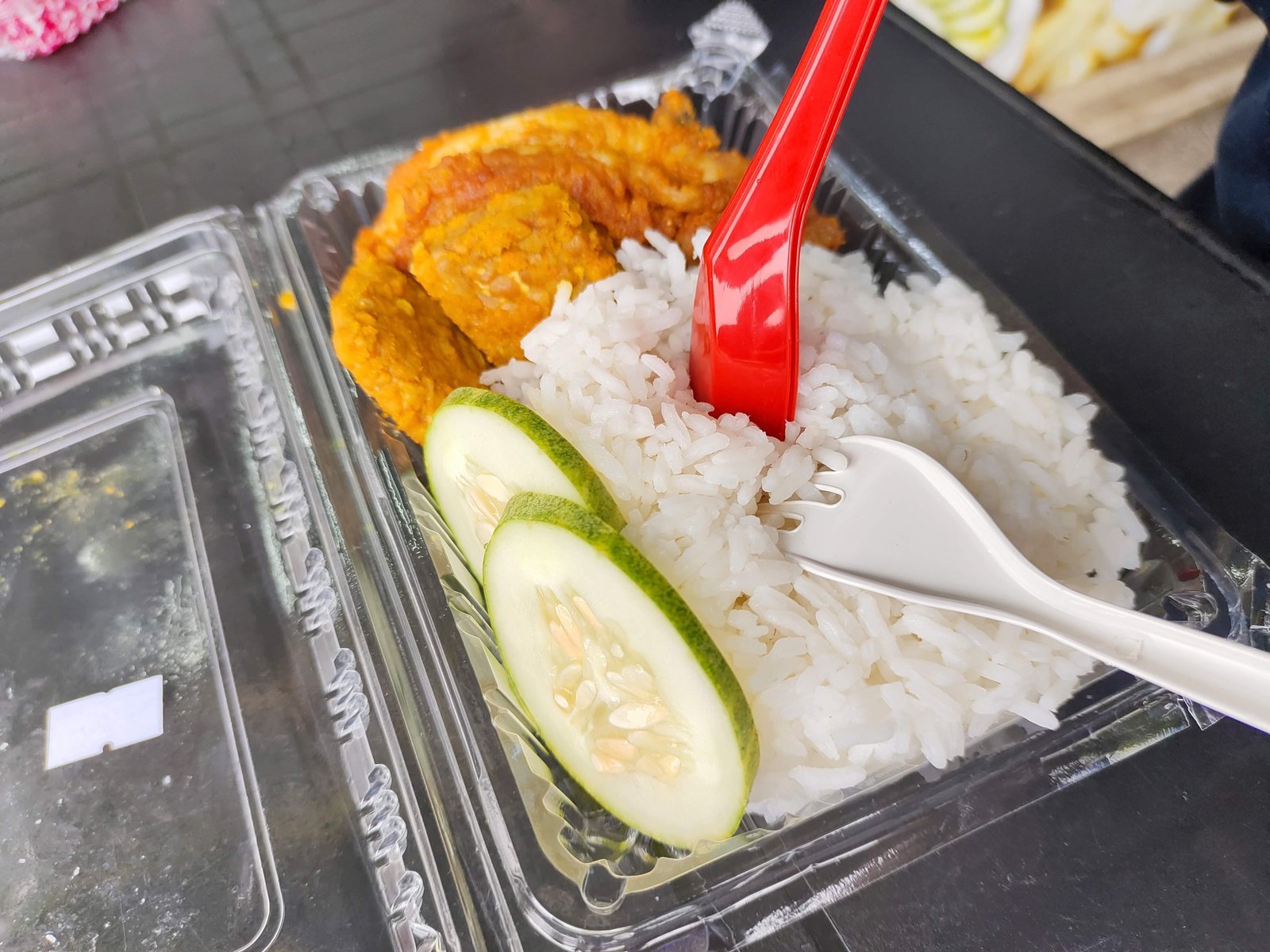
Meal prep sounds simple until you try it for a small household. Most guides assume a family of five, a huge fridge, and a whole Sunday free for cooking. If you cook for one or two people, those plans leave you with ten identical lunches, a fridge full of containers, and a lot of food you never finish. Learning how to plan a weekly meal prep routine for a small household means scaling everything down, choosing meals that actually reheat well, and building a rhythm you can repeat without burning out.
This guide gives you that routine. You will plan five days of meals in about twenty minutes, shop once, cook in a single session of about ninety minutes, and end the week with food you still enjoy on Thursday. No giant batches, no wasted containers, and no eating the same dinner four nights in a row.
Why Small Household Meal Prep Needs a Different Plan
Small households face a different math problem than large families. A recipe that serves six gives a couple three full meals from one dish, which sounds efficient until day three, when nobody wants that dish again. Food waste rises, appetite drops, and the whole routine falls apart.
The fix is to think in components, not finished meals. Instead of cooking five complete dinners, you cook a few building blocks: one or two proteins, one or two grain bases, a tray of roasted vegetables, and one sauce or dressing. Those blocks combine into different meals across the week, so Tuesday dinner does not taste like a repeat of Monday dinner, even though both came from the same Sunday session.
Small fridges add another constraint. A small household fridge cannot hold a week of large containers, so portion size matters. Use shallow containers that stack, label each one with the dish and the date, and keep the oldest food at the front. If a container will not be eaten within four days, freeze it on prep day rather than hoping it survives the week.
How to Plan a Weekly Meal Prep Routine for a Small Household in 20 Minutes
Start with your calendar, not a recipe book. Look at the week ahead and mark the nights you will eat out, work late, or cook fresh. Most small households need prepped food for three to five meals, not seven. Planning for the meals you actually need is the single biggest waste saver in this routine.
Next, pick your building blocks. Choose two proteins that reheat well, such as roasted chicken thighs, lentils, tofu, or canned beans. Chicken thighs stay juicier than breasts after reheating, and lentils hold their texture for days. Add one grain base, such as rice or quinoa, and one tray of roasted vegetables, such as sweet potatoes, carrots, and peppers.
Then pick one sauce that changes the flavor of everything it touches. A lemon and herb dressing, a peanut sauce, or a simple tomato sauce can turn the same chicken and rice into three different meals. Variety comes from sauces and toppings, not from cooking five separate main dishes.
Write the plan on one page. List each day, the meal you will eat, and which prepped block it uses. Keep the plan visible on the fridge so nobody has to guess what is for dinner. A plan you cannot see is a plan you will not follow.
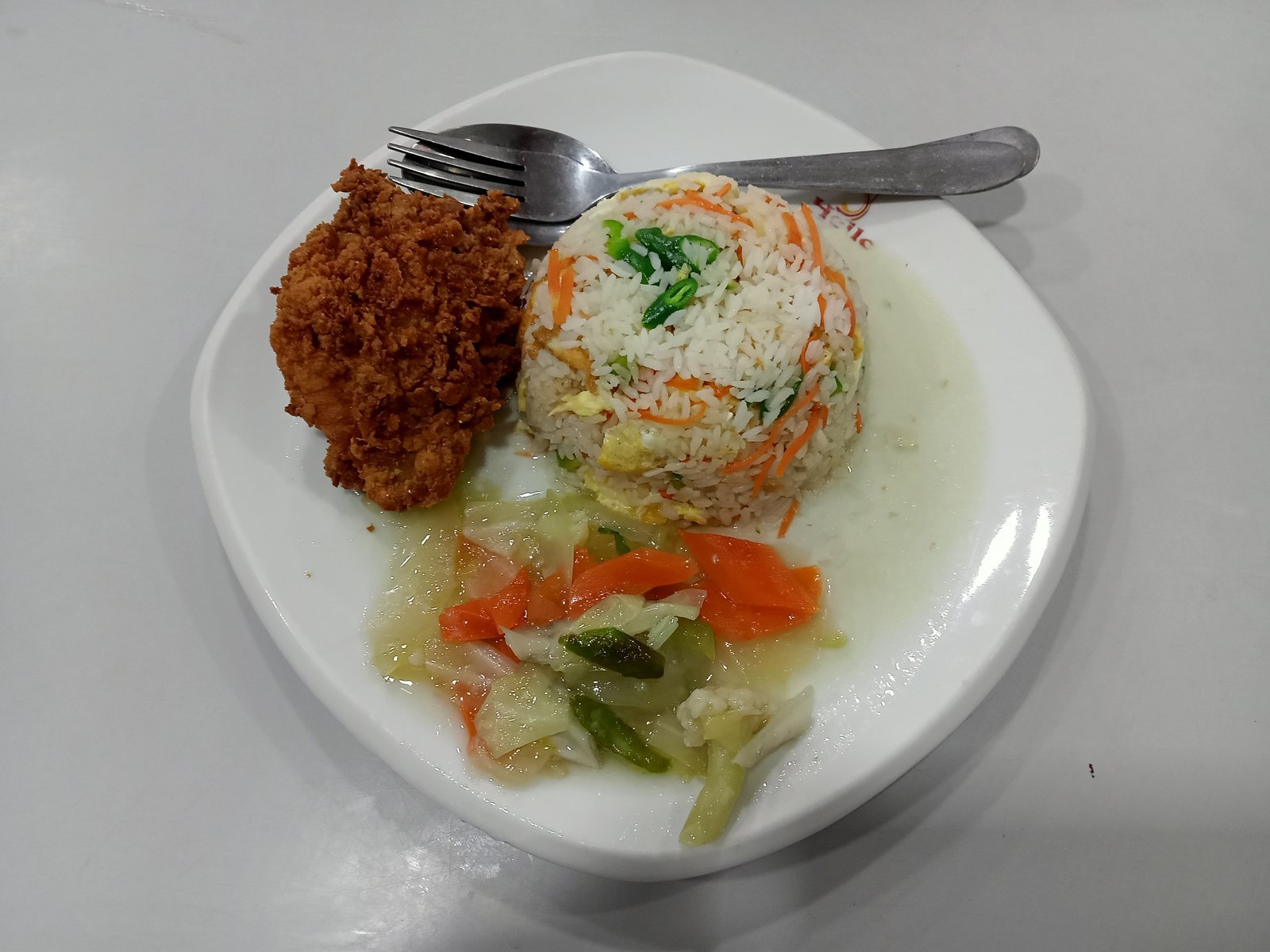
The One Shopping Trip Rule
One shopping trip per week keeps costs down and stops impulse buying. Build your list from the plan, grouped by store section: produce, protein, grains, and pantry. Check what you already have before you leave, especially oils, spices, and grains, since buying duplicates is a quiet budget drain for small households.
Buy overlapping ingredients on purpose. If Monday uses sweet potatoes and Wednesday uses them too, you buy one bag and use it twice. Overlapping ingredients shrink the list, cut waste, and make shopping faster. Aim for a list of about fifteen to twenty items, not forty.
Buy fresh produce in small amounts. A small household rarely needs a five pound bag of anything. Smaller bags cost a little more per pound, but they cost far less overall when nothing gets thrown away. For herbs, buy one bunch and plan two meals that use it, so it does not wilt unused in the crisper drawer.
The 90 Minute Sunday Cook Session
Set aside about ninety minutes once a week, ideally on Sunday afternoon. Start the grain first, since rice or quinoa cooks with almost no attention while you work on everything else. While the grain cooks, get a tray of vegetables into the oven. While the vegetables roast, cook your proteins on the stove.
Work in this order and the session feels calm rather than chaotic. The oven and the stove do most of the work, and you are mostly chopping, seasoning, and packing. Use the last ten minutes to make your sauce, portion everything into containers, and label each one.
Keep the session to three cooking tasks at most. A grain, a tray of vegetables, and one or two proteins is plenty. Trying to cook five dishes in one session is how small household prep turns into an exhausting chore that nobody repeats the following week.
Mix and Match Meals That Stay Interesting All Week
Here is how one set of building blocks becomes five different meals. Roasted chicken thighs, rice, roasted sweet potatoes and peppers, and a lemon herb dressing can turn into a grain bowl on Monday, a wrap with salad leaves on Tuesday, a soup with added stock and beans on Wednesday, a stir fry style plate with a different sauce on Thursday, and a salad topper on Friday.
Lentils work the same way. A pot of seasoned lentils becomes a warm bowl with rice on one day, a soup with broth and vegetables on another, and a filling for wraps or stuffed peppers later in the week. Changing the sauce, the base, or the topping is enough to make each meal feel new.
Keep one fresh element for each meal. A handful of salad leaves, a sliced cucumber, a squeeze of lemon, or a sprinkle of fresh herbs lifts a reheated meal and stops it tasting tired. Fresh toppings take seconds and make the biggest difference to whether you actually enjoy Thursday dinner.
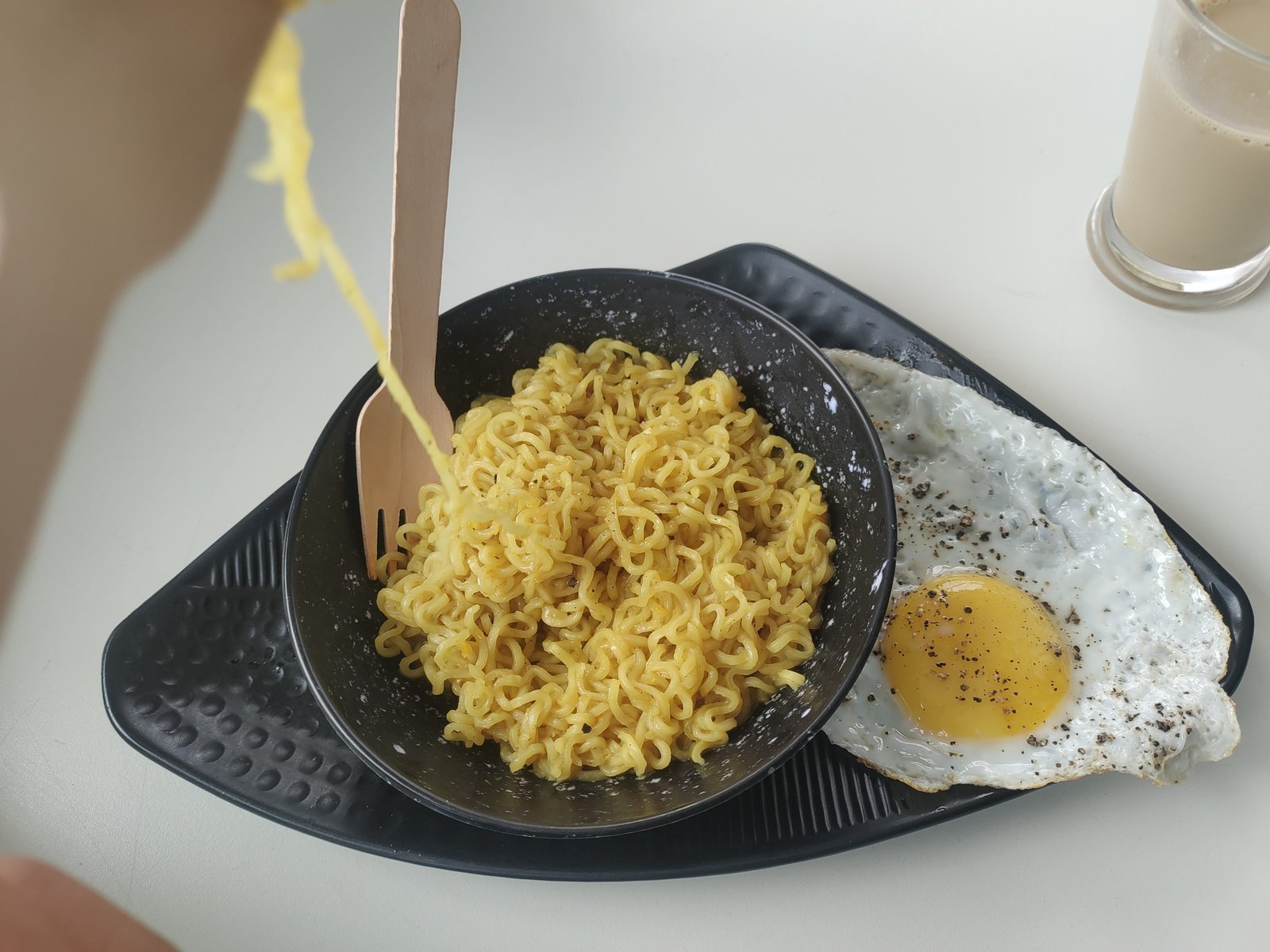
Storage Rules That Keep Small Household Food Safe
Food safety rules are simple and worth following exactly. Cool cooked food quickly, within about two hours of cooking, and refrigerate it in shallow containers so it cools evenly. Keep your fridge at or below 40 degrees Fahrenheit. Most cooked meals stay good in the fridge for three to four days.
That four day limit shapes the whole routine. Food prepped on Sunday covers Monday through Wednesday comfortably, and Thursday food should come from a Wednesday top up session of about fifteen minutes, or from the freezer. A small Wednesday refresh, such as cooking a fresh grain and a quick vegetable, keeps the second half of the week as good as the first.
Label every container with the dish and the date it was cooked. Eat the oldest food first, and freeze anything you will not eat within four days. Frozen portions are your backup plan for busy weeks, and they beat takeout on both cost and nutrition.
How to Reheat Prepped Meals So They Taste Fresh
Reheating well is a skill, and it matters as much as cooking well. Reheat grains with a splash of water so they steam back to life instead of drying out. Reheat proteins gently, on medium heat, and stop as soon as they are hot through, since overcooking is what makes reheated chicken dry and tough.
Keep sauces and dressings separate until serving time. A dressing added at the table keeps salads crisp and grain bowls bright, while the same dressing mixed in on Sunday would have gone soggy by Tuesday. Pack dressings in small jars so they are easy to grab.
Use the right container for reheating. Glass containers go from fridge to microwave without transferring food, and they do not stain or hold odors the way some plastic containers do. If you use plastic, check that it is marked safe for microwave use, and never microwave a container with a sealed lid.
A Sample Week for a Household of Two
Monday: grain bowl with roasted chicken, rice, roasted vegetables, and lemon herb dressing. Tuesday: wraps with lentils, salad leaves, cucumber, and the same dressing. Wednesday: soup made from leftover lentils, stock, and roasted vegetables, served with bread.
Thursday: fresh top up session. Cook a new batch of rice, roast a quick tray of vegetables, and serve with chicken or lentils from the freezer. Friday: salad bowls with whatever blocks remain, plus fresh toppings and a new sauce if you have time. This pattern gives you five home cooked dinners from one main session and one short refresh.
Adjust the pattern to your household. A household of one can halve the quantities and still follow the same structure. A household of two with different tastes can keep the same blocks and vary the sauces, so each person builds the meal they prefer from shared ingredients.
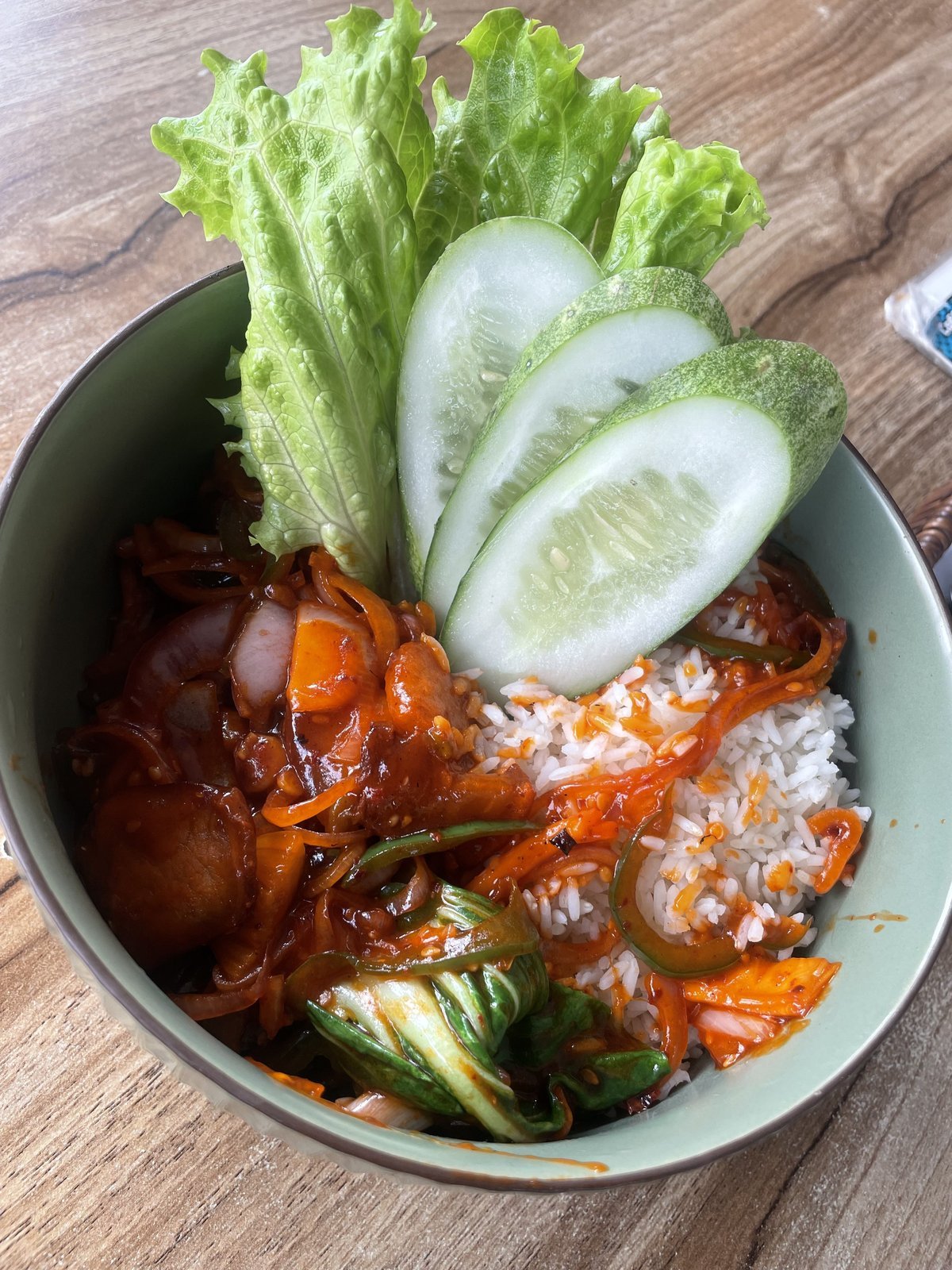
Common Small Household Meal Prep Mistakes
Cooking too much is the most common mistake. A small household does not need a full size batch of every dish. Halve recipes, freeze the extra portions on prep day, and treat the freezer as part of the plan rather than a place where leftovers go to be forgotten.
Prepping only one dish is another trap. Eating the same meal five times is boring, and boredom is what ends most meal prep routines. Components and sauces give you variety without extra cooking, so always prep at least two proteins or one protein plus one hearty plant based block.
Skipping labels causes waste too. Unlabeled containers get pushed to the back of the fridge and forgotten until they are unsafe to eat. A strip of tape and a pen solves the problem in seconds, and it makes the whole week run smoother.
Finally, do not aim for perfection. A week where you prep three meals is still a win over a week with none. Build the habit with a small, repeatable routine, and expand it only when the current version feels easy.
Budget Tips for Small Household Prep
Meal prep saves money for small households mainly by cutting waste and takeout, not by buying in bulk. Track your grocery spending for two weeks before and after starting the routine, and you will usually see the savings in fewer impulse purchases and fewer thrown away ingredients.
Choose affordable proteins for at least one block each week. Lentils, beans, and eggs cost far less than meat, keep well, and add variety to the week. Use meat as one block, not every block, and let plant based blocks carry the rest of the week.
Shop seasonal produce when you can. Seasonal vegetables cost less, taste better, and store better than out of season imports. Build your vegetable tray around what looks fresh and affordable that week, rather than forcing a fixed list.
Conclusion
Planning a weekly meal prep routine for a small household works when you scale it to real life. Plan only the meals you will actually eat, cook components instead of finished dishes, shop once with overlapping ingredients, and refresh midweek so Thursday food tastes as good as Monday food.
Start this Sunday with one grain, one tray of vegetables, two proteins, and one sauce. Label everything, eat the oldest food first, and freeze what you will not finish in four days. That simple routine is enough to cut waste, save money, and make weeknight dinners something you look forward to.
Frequently Asked Questions
How many meals should a small household prep each week?
Plan for three to five meals, based on your calendar. Prep for the nights you will actually eat at home, and leave room for eating out or cooking fresh, so nothing sits uneaten.
How long does prepped food last in the fridge?
Most cooked meals last three to four days in a fridge kept at or below 40 degrees Fahrenheit. Freeze anything you will not eat within four days, and label every container with the cooking date.
What meals reheat best for small household prep?
Grains, roasted vegetables, lentils, beans, and chicken thighs reheat well. Keep sauces separate until serving, and add a splash of water when reheating grains so they stay moist.
Do I need special containers for meal prep?
No. Shallow, stackable containers with tight lids are enough. Glass containers reheat well and do not hold odors, while small jars work perfectly for sauces and dressings.
How do I stop eating the same meal all week?
Prep components instead of finished dishes, and change the sauce, base, or topping each day. One set of blocks can become bowls, wraps, soups, and salads across the week.
For a calmer workday alongside your meal routine, see how to stay hydrated while working a desk job.