You sit down at your desk with a coffee and the best intentions. By noon you have had two more coffees and maybe a few sips of water. By late afternoon your head aches, your focus drifts, and you blame the workload. Often the real culprit is simpler. You are mildly dehydrated. If you want to learn how to stay hydrated while working a desk job, you do not need a complicated routine or an expensive gadget. You need a small set of habits that fit into a workday that is already full.
Desk work hides dehydration well. Air conditioning dries the air around you. Screen work absorbs your attention so completely that thirst signals get ignored for hours. Meetings and deadlines make bathroom breaks feel like interruptions, so many people quietly drink less to avoid them. The result is a slow slide into low energy, headaches, and foggy thinking that feels like tiredness but is often just thirst. This guide builds a practical desk job hydration system: how much water you really need, habits that make drinking automatic, and drink choices that support focus instead of sabotaging it.
Why Desk Workers Get Dehydrated
Most desk workers do not lose water through sweat the way outdoor workers do. They lose it through neglect. When you are focused on a screen, the urge to drink fades into the background. Coffee becomes the default drink because it is part of the work ritual, and water only appears at lunch, if it appears at all. Over a full day, that pattern leaves a real shortfall.
Office air makes it worse. Air conditioning pulls moisture from the air, and heated offices in winter do the same. You may not feel thirsty, but your body is still losing water with every breath. Mild dehydration, even at just 1 to 2 percent of body weight, can impair concentration, short term memory, and mood. That is why a glass of water sometimes clears a foggy afternoon faster than another coffee.
There is also a social reason people drink less at work. Nobody wants to leave a meeting every half hour, and some people limit fluids to avoid bathroom trips during long calls. The fix is not to drink huge amounts at once. It is to sip steadily, so your body absorbs water gradually and bathroom trips stay normal.
How Much Water You Really Need
The familiar advice of 8 glasses a day is a useful starting point, but real needs vary with body size, climate, activity, and diet. The US National Academies suggest a daily adequate intake from all beverages and foods of about 3.7 liters for men and about 2.7 liters for women. That includes water in food, tea, coffee, and other drinks, not just plain water from a bottle.
For most desk workers, aiming for 6 to 8 cups of fluid during the workday, plus water with meals and in the evening, lands close to the target without forcing it. A simpler check works just as well. You are likely drinking enough if you rarely feel thirsty and your urine is light yellow. Dark yellow urine, frequent headaches, dry lips, and afternoon fatigue are all signs to drink more.
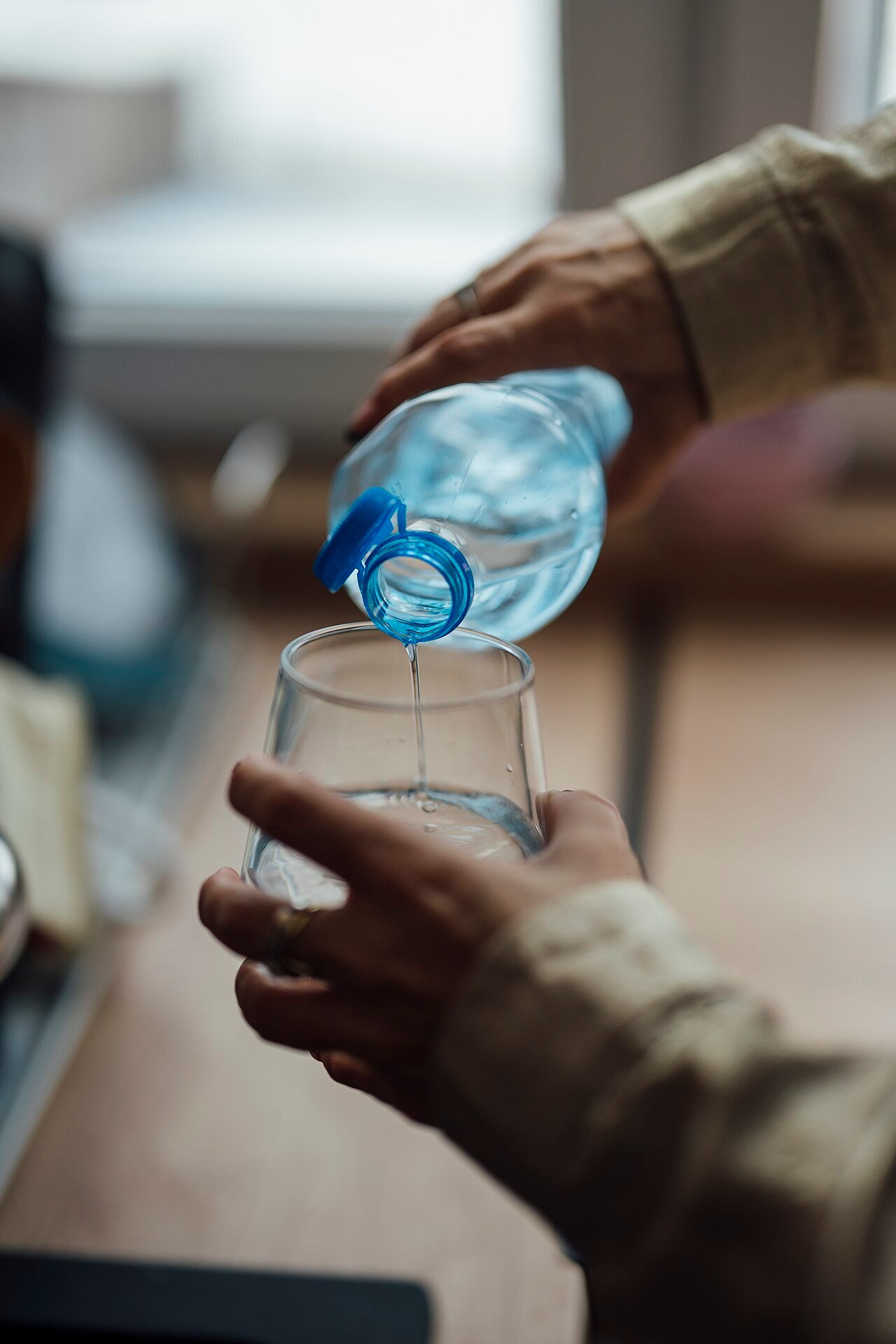
Do not try to catch up by drinking a liter in one go. Large gulps pass through quickly and send you to the bathroom without hydrating you well. Small, steady sips across the day absorb better and keep your energy level steadier. Think of hydration as a slow drip, not a flood.
Build a Desk Hydration System That Runs Itself
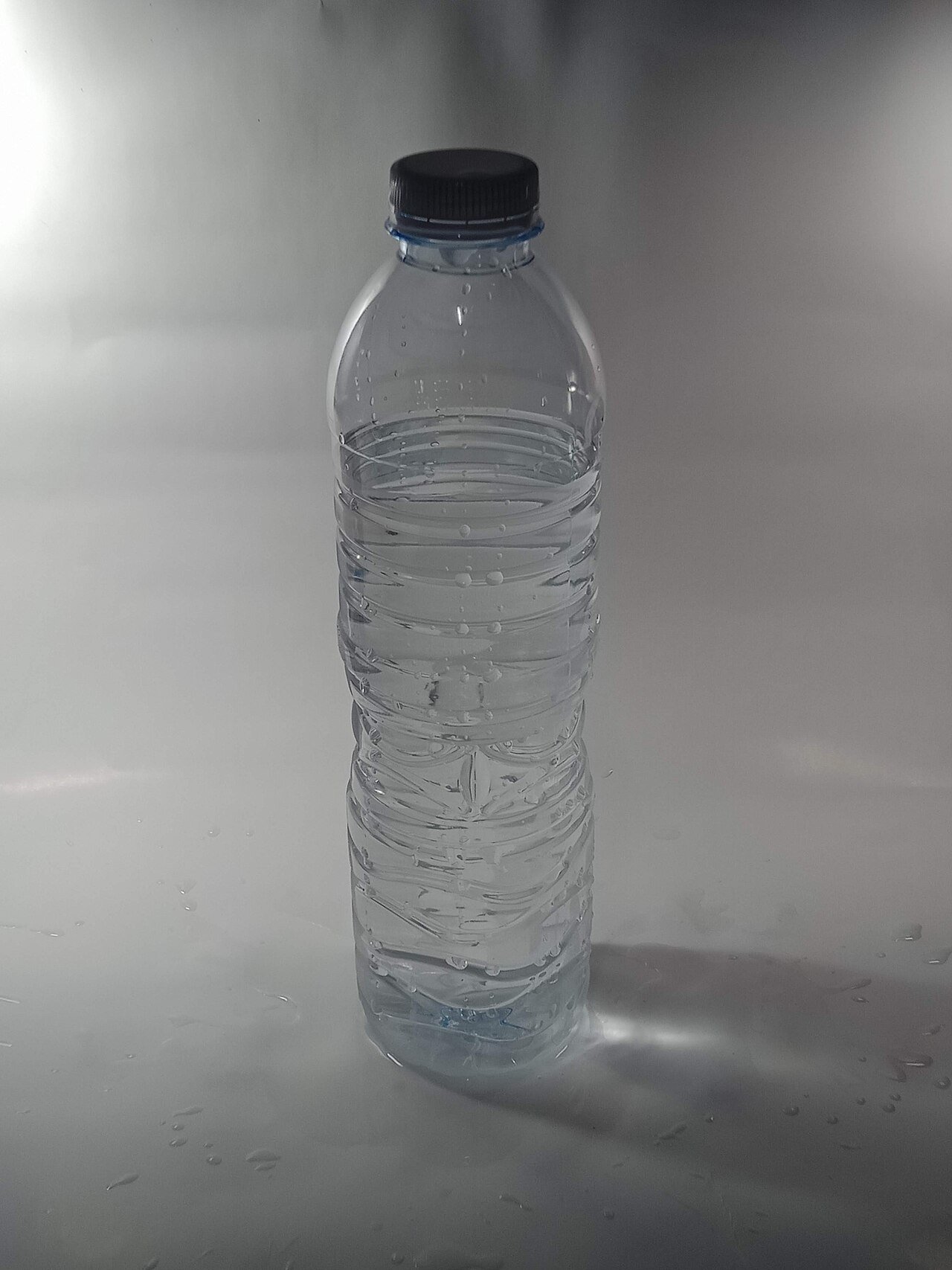
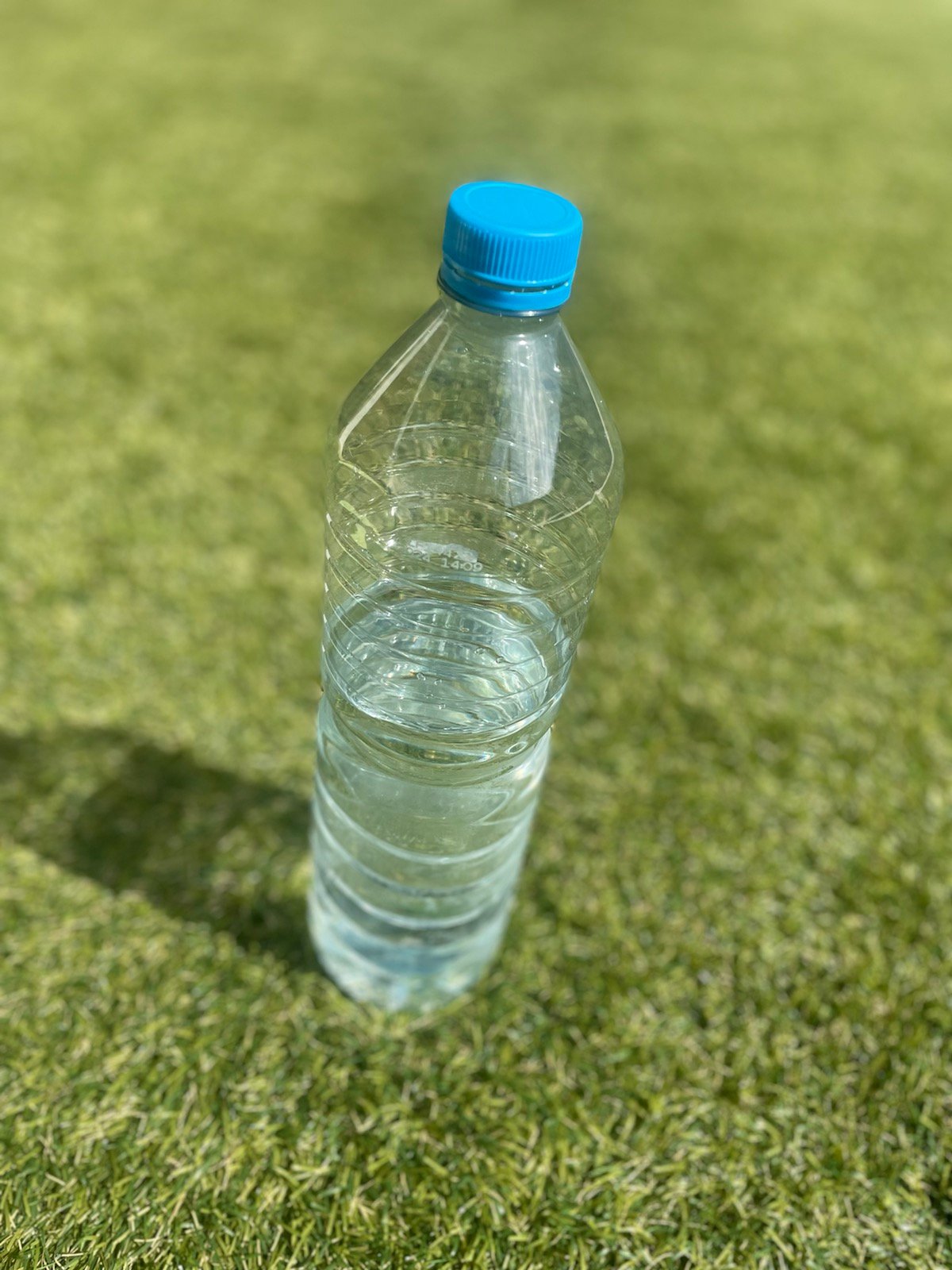
The single most effective change is keeping a large, visible water bottle on your desk, right where you can see it. If the bottle sits in a bag or a drawer, you will forget it. If it sits next to your keyboard, you will reach for it without thinking. A bottle that holds about 1 liter gives you a clear target: finish it by lunch, refill it, and finish it again by the end of the workday.
Next, link sips to habits you already have. Drink a glass of water when you sit down in the morning, before your first coffee. Take several sips before each meeting and after each bathroom break. Refill your bottle every time you stand up to stretch or make a hot drink. These small links, known as habit stacking, turn hydration into part of your work rhythm instead of another task to remember.
Set one gentle reminder if you still forget. A phone alarm at the top of each hour, or a simple note on your monitor, is enough. Take 4 or 5 swallows when it sounds, which is roughly 150 to 200 milliliters. Over an 8 hour workday, that alone adds more than a liter. Keep the reminder friendly, not nagging, or you will start ignoring it.
Make refills easy. If the nearest water point is far away, you will skip refills. Keep a spare bottle, or fill a jug at the start of the day so refills take seconds. If you work from home, put the bottle on your desk, not in the kitchen. Remote workers often drink less than office workers, because there are no natural trips to a shared water cooler to prompt a drink.
Smart Drink Choices for a Workday
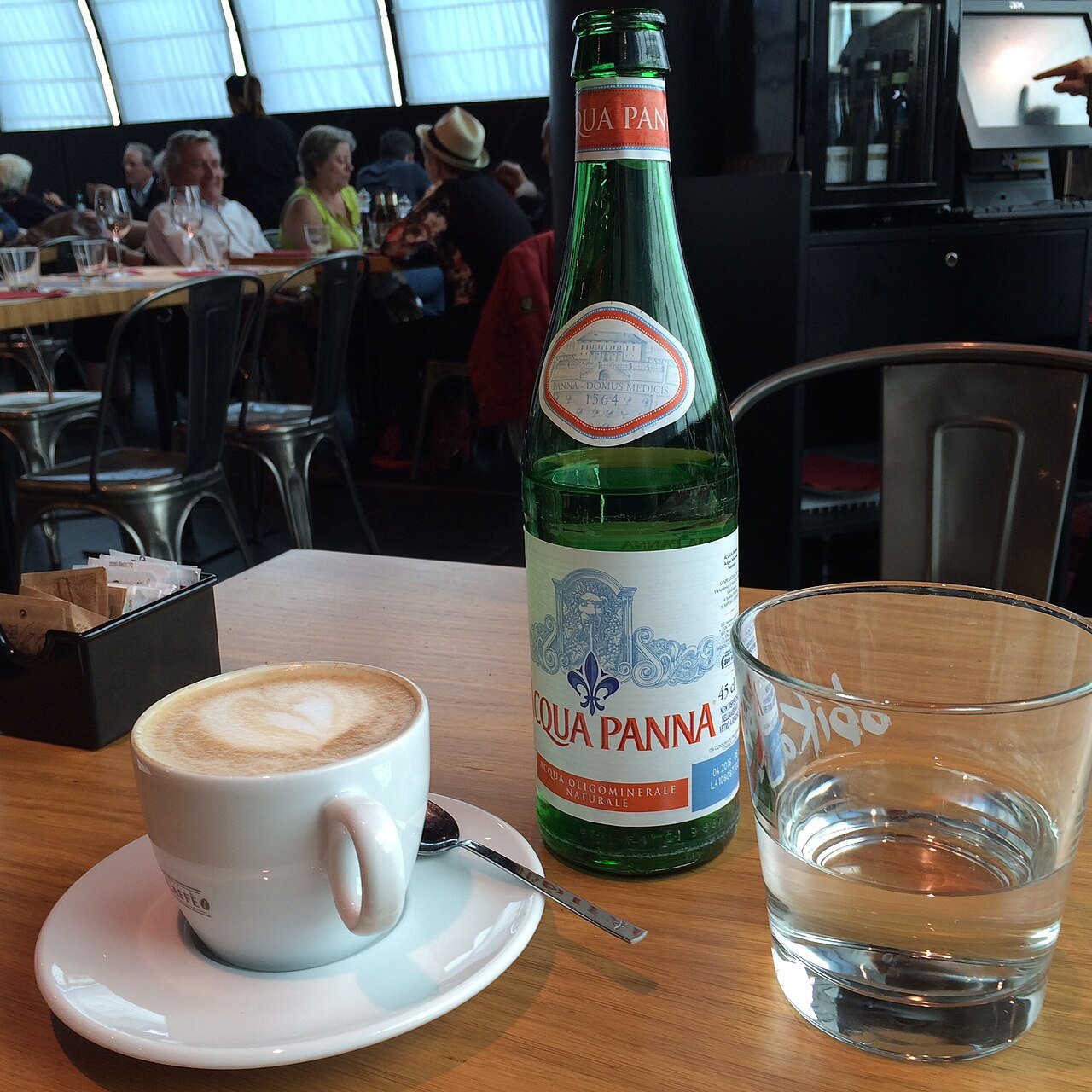
Water should be your main drink, but it does not have to be your only drink. Coffee and tea both count toward your daily fluid intake, and moderate caffeine is fine for most healthy adults. The problem starts when coffee replaces water entirely. Try a simple rule: one glass of water before each coffee, and one glass of water for every two coffees after that.
Flavor can help if plain water bores you. A slice of lemon, cucumber, or mint, or a splash of fruit juice in sparkling water, makes drinking more appealing without adding much sugar. Be cautious with sweetened drinks and energy drinks. They add sugar and calories, and the sugar crash later in the day can feel worse than the dehydration you were trying to fix.
Hydrating foods help too. Cucumber, melon, berries, yogurt, and soups all contain water that counts toward your intake. A piece of fruit with your afternoon snack is an easy way to top up fluids and steady your energy at the same time. For most desk work, you do not need sports drinks or electrolyte products. Save those for heavy exercise, illness, or very hot conditions.
Hydration, Focus, and the Afternoon Slump
The afternoon slump is often treated as a caffeine problem, but dehydration plays a large part. As the day goes on, a small fluid shortfall builds into headaches, slower thinking, and low mood. A glass of water and a short walk often restore focus better than a third coffee, and they do it without harming your sleep that night.
Caffeine timing matters here. A coffee late in the afternoon can still be in your system at bedtime, which harms sleep, and poor sleep makes the next day’s focus worse. If you feel the slump after 3 in the afternoon, reach for water first and save caffeine for the morning. Your evening self will thank you, and your next morning will start sharper.
Screen fatigue and dehydration often arrive together, because both build up during long unbroken stretches at a desk. Pairing water with movement breaks solves both at once. Stand up, refill your bottle, look away from the screen for a minute, and take a few sips. That tiny reset, repeated through the day, protects both your eyes and your energy.
For more on protecting your evenings from screen habits, see our guide on how to stop doomscrolling before bed without deleting apps, which pairs well with a calmer end to the workday. If work stress follows you home, our guide on how to set boundaries with clients helps you close the day properly. And for planning a workday that leaves room for breaks, our guide on how to prioritize tasks using the eisenhower matrix shows how to protect time for the habits that matter.
Common Mistakes That Keep Desk Workers Dehydrated
The first mistake is waiting until you feel thirsty. Thirst is a late signal, which means you are already mildly dehydrated by the time it arrives. Drink on a schedule, not on thirst alone. The second mistake is replacing water with coffee all day. Coffee counts as fluid, but too much caffeine brings jitters and poor sleep, which make the next day harder.
The third mistake is drinking almost nothing, then drinking a huge amount at once. Your body cannot use a sudden flood efficiently, and the extra bathroom trips make you drink even less the next day. Steady sips win every time. The fourth mistake is keeping water out of sight. A bottle in a bag is a bottle forgotten. Visibility is the cheapest hydration tool you own.
The fifth mistake is ignoring the signs. If you get headaches most afternoons, feel foggy after lunch, or notice dark urine, treat those as data, not as random bad days. A week of steady sipping is often enough to show whether hydration was the missing piece.
Conclusion
To learn how to stay hydrated while working a desk job, make water visible, sip steadily, and link drinking to habits you already have. Keep a large bottle on your desk, finish it by lunch, and refill it for the afternoon. Drink a glass before your first coffee, sip before meetings, and refill whenever you stand up. Choose water first, enjoy coffee in moderation, and add hydrating foods to your snacks. The takeaways are simple: do not wait for thirst, do not flood your system at once, and do not let coffee replace water. A week of steady sipping can lift your focus, ease your headaches, and make the afternoon slump much smaller.
Frequently Asked Questions
How much water should I drink during a workday?
Most desk workers do well with 6 to 8 cups of fluid during the workday, plus water with meals and in the evening. Light yellow urine and rare thirst are good signs you are drinking enough.
Does coffee count toward hydration?
Yes, coffee and tea both count toward daily fluid intake. The problem is when coffee replaces water entirely. Drink a glass of water before each coffee to keep the balance right.
Why do I get headaches at my desk in the afternoon?
Afternoon headaches often come from mild dehydration, screen strain, and long unbroken sitting. A glass of water, a short movement break, and time away from the screen often help more than another coffee.
Do I need electrolyte drinks for desk work?
Usually not. Plain water is enough for typical desk work. Electrolyte drinks help after heavy exercise, illness, or work in high heat, but they are not needed for a normal office day.
What if I forget to drink water at work?
Keep a visible bottle on your desk, link sips to existing habits like meetings and breaks, and set one gentle hourly reminder. Visibility and habit links work better than willpower alone.