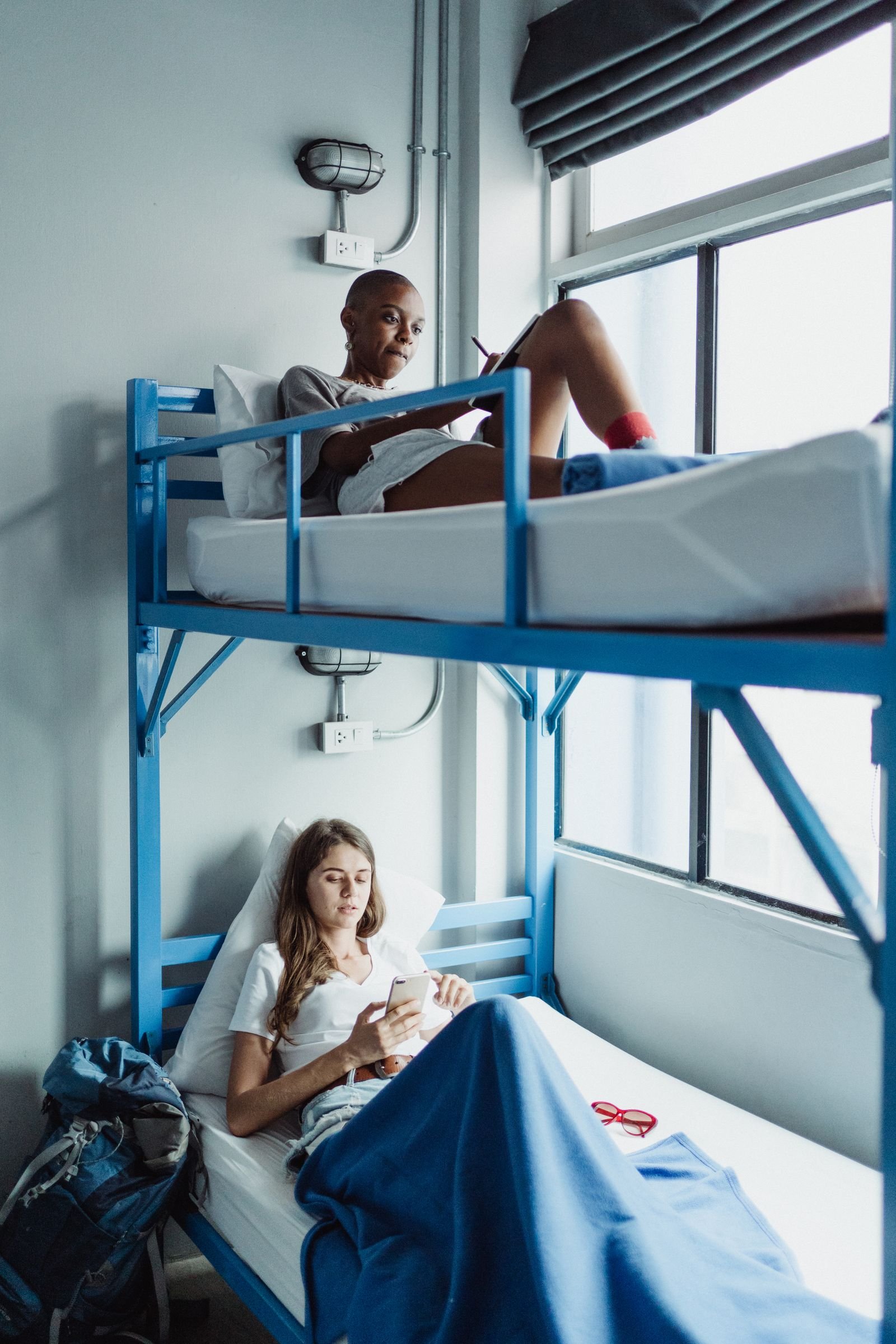
It was my first night in a hostel dorm, in a six bed room above a busy street in Edinburgh. The bed cost £18, the room was clean, and I was tired after a full day of walking. Then the lights went on at 1 in the morning, someone came back from a night out, and the man in the bunk across the room started to snore like a tractor. I stared at the ceiling for two hours and decided that hostel sleep was simply not for me.
I was wrong. By the third night of that trip I slept for seven solid hours in the same kind of room, and I have slept well in dorms ever since. The difference was not luck. Learning how to sleep comfortably in a hostel dorm bed is a skill, and it rests on three simple things: choosing the right hostel and the right bunk, carrying a small sleep kit, and following a calm routine before bed. Get those three right and a shared room can give you a genuinely good night of sleep for a fraction of hotel prices.
Why Dorm Sleep Feels So Hard at First
Your brain is the first problem. Researchers at Brown University found that when people sleep in an unfamiliar place, one half of the brain stays partly alert through the night, as if it is keeping watch. This is often called the first night effect, and it explains why the first night in a new bed so often feels restless, even when you are exhausted.
A dorm adds three more challenges on top of that watchful brain. First comes noise. Doors open, zips rattle, phones buzz, and someone always snores. Second comes light. A phone screen, a corridor lamp, or a roommate arriving late can flood a dark room in seconds. Third comes temperature and comfort. Dorm rooms run warm or cold with little warning, and hostel mattresses are often thinner than the one you have at home.
None of this means dorm sleep is a lost cause. It means you need a plan that deals with noise, light, and comfort before you climb into bed, rather than hoping the room stays quiet. The rest of this guide is that plan, built from what actually works on real trips.
Pick the Right Hostel Before You Book
Good dorm sleep starts before you arrive, when you are still choosing where to stay. Read recent reviews and search them for the word noise. If several guests in the last few months mention thin walls, a bar downstairs, or parties in the common room, believe them and book elsewhere. A hostel with clear quiet hours, usually from around 10 in the evening until 8 in the morning, is a strong sign that sleep is taken seriously.
Room size matters more than most first time dorm guests expect. A four bed dorm costs a few pounds more per night than a twelve bed dorm, but it means fewer people coming and going, fewer alarms in the morning, and a much better chance of a quiet room. If your budget allows it, pay the extra few pounds for the smaller room on nights when you need real rest, such as before an early train or a long walk.
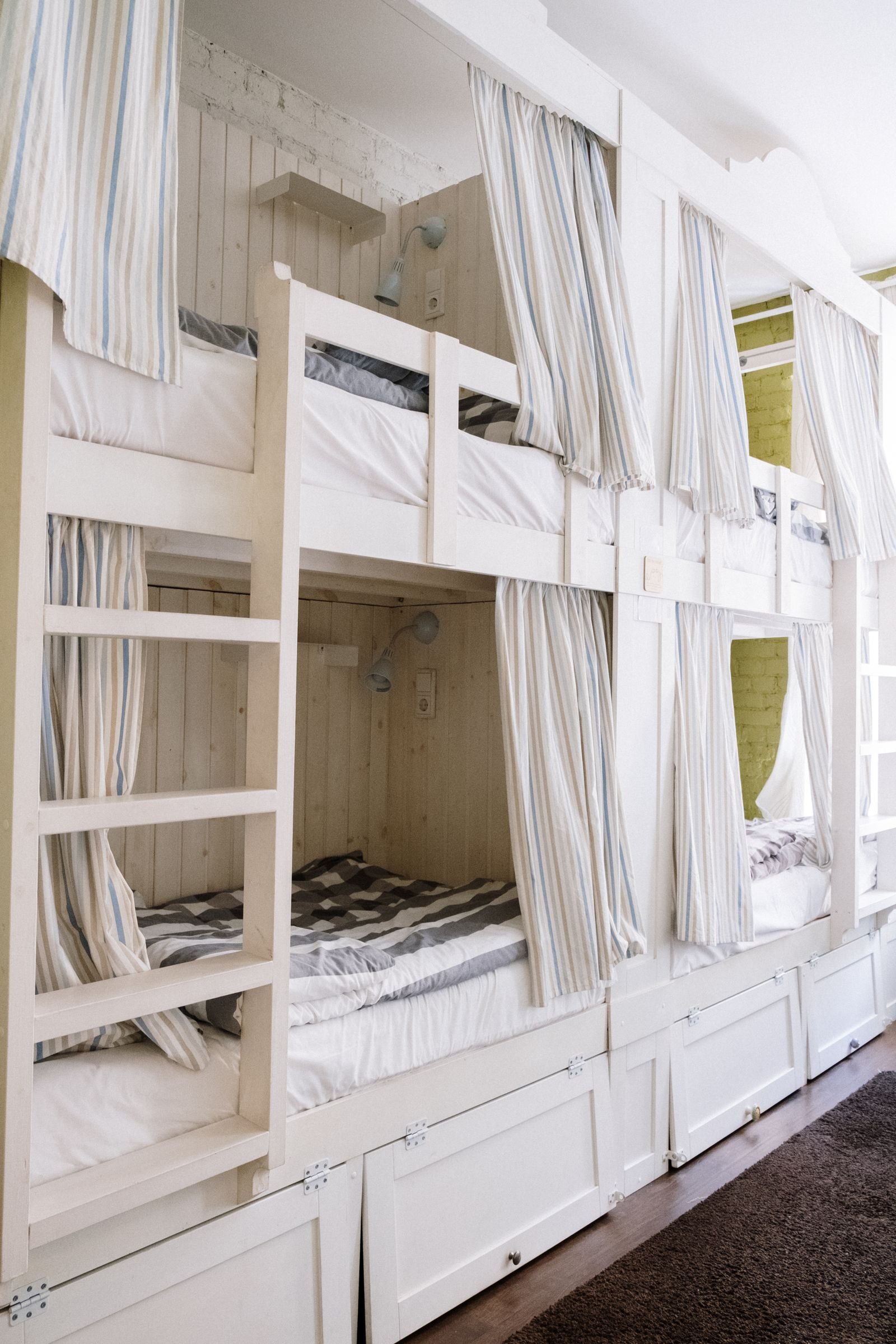
Look for pod style beds or bunks with privacy curtains, a reading light, and a power socket for each bed. These small features make a big difference, because they let you control your own light and keep your phone charged without crossing the room in the dark. Female only dorms are widely available in the UK and across Europe, and many solo travellers find they sleep better in one. Check that lockers are included or available for a small deposit, so your bag is safe and out of the way while you sleep.
Location matters too. A hostel on a quiet side street will almost always be easier to sleep in than one above a pub, even if the pub hostel looks more fun in the photos. Save the lively hostel for a night when you plan to stay out late yourself, and choose the quiet one when sleep is the priority.
How to Sleep Comfortably in a Hostel Dorm Bed Starts With Your Bunk
Once you arrive, your bunk is the single biggest choice you can still control. If you can choose, ask for a bottom bunk in a corner, away from the door and away from the bathroom. The bottom bunk is easier to get in and out of at night, it stays cooler because warm air rises, and your movements will not shake the frame and wake the person above you. A corner spot means fewer people walking past your head.
The top bunk has its own fans. It feels more private, it is further from the floor and the draughts, and nobody will sit on your bed by mistake. The trade off is the climb, the ladder at 3 in the morning, and the heat that gathers near the ceiling in summer. If you sleep hot, take the bottom bunk. If you value privacy and you are a confident climber, the top bunk can work well.
Arrive early in the day if you can. Hostels usually let you choose your bed when you check in, and the best bunks go first. When you check in, ask the staff which bunks are quietest. They know their own building, and a quick question often gets you a bed away from the door, the stairs, or the noisy pipes. If your bed is next to the air conditioning unit or under a bright corridor light, ask to move. Staff would much rather move you at 4 in the afternoon than at 2 in the morning.
Set Up Your Bunk Like a Small Room of Your Own
Before you settle in for the night, take five minutes to arrange your bunk. Put your water bottle, phone, and earplugs within easy reach so you do not need to climb down in the dark. Hang a light scarf or a travel towel from the bunk above to make a simple curtain if your bed has none. Keep your shoes and bag tidy so nobody trips over them at night. This small ritual also tells your brain that this little space is yours, and that signal alone helps many travellers relax.
Build a Small Sleep Kit That Fits in One Pouch
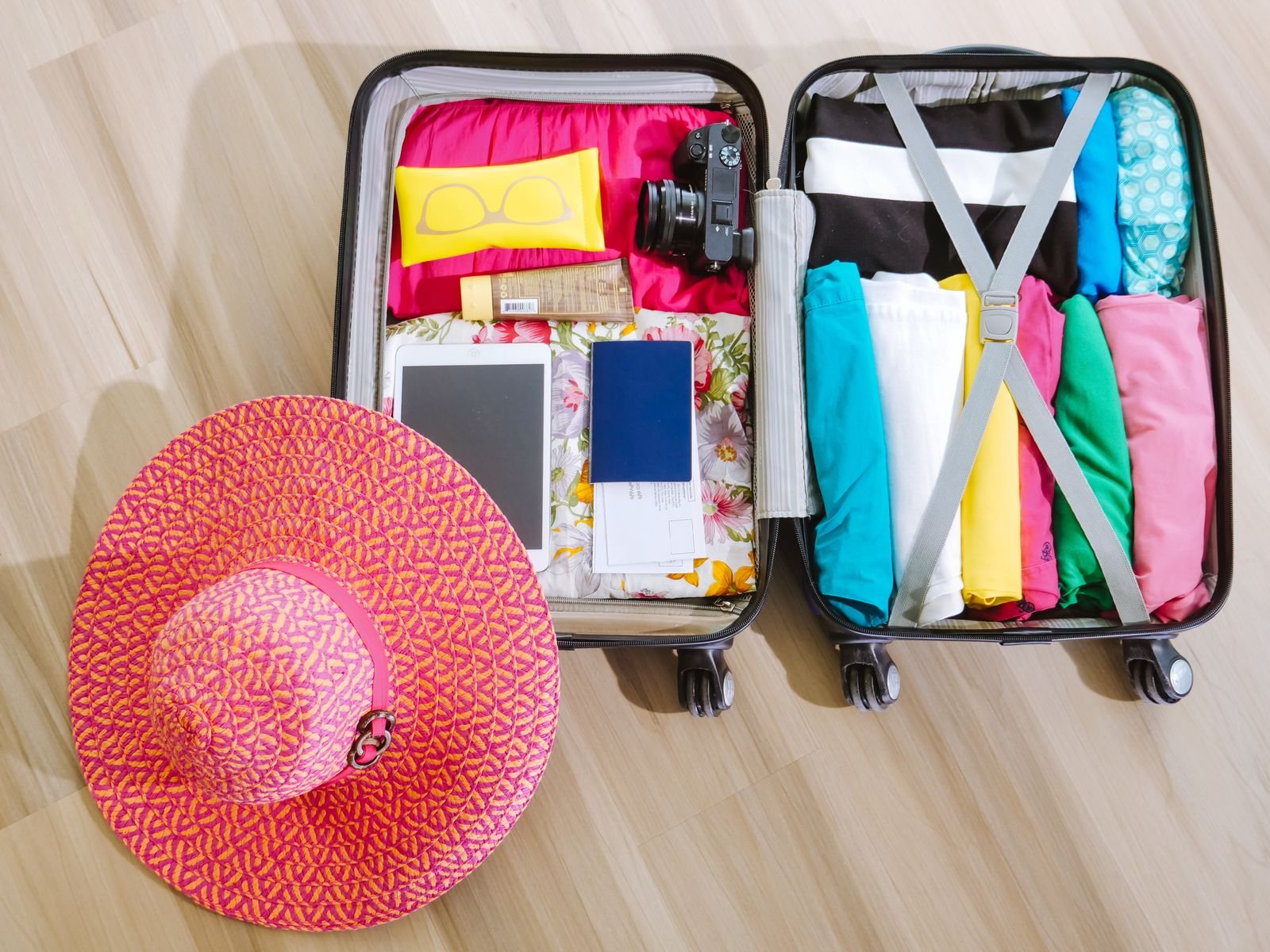
The most useful thing you can pack for a dorm is a sleep kit that fits in a single small pouch. It costs less than £15 in total, it weighs almost nothing, and it solves the two biggest dorm problems, noise and light, in one go. Pack it where you can reach it easily, ideally in the same pouch as your wash bag, so you are never digging through your main bag after lights out. Our guide to packing toiletries for a carry on trip shows how to keep liquids tidy, and the same pouch system works well for your sleep kit.
Earplugs come first. Foam earplugs are cheap, they block a lot of sound, and you can buy a pack of several pairs for a couple of pounds at any chemist. Roll them, push them gently into place, and let them expand. Silicone earplugs suit side sleepers better because they sit flat against the ear and do not press into the pillow. Try both types at home before your trip so you know which one you can sleep in. Bring spares, because earplugs are small and easy to lose, and a spare pair in your wallet has saved many nights.
An eye mask comes second. Choose a contoured mask that cups over your eyes rather than pressing flat on your eyelids. It should block light fully when you look towards a lamp, and the strap should be adjustable so it stays put without giving you a headache. A silk or soft cotton mask is kinder on skin and easier to wash on a long trip.
Add a white noise app on your phone and a pair of comfortable headphones or small earbuds. A steady sound like rain or a fan masks the sudden noises that wake you, such as doors and voices, far better than silence does. Keep the volume low, just enough to smooth out the background, and set a sleep timer so the sound fades after an hour. A thin sleep sack or silk liner is worth packing too. It adds warmth on cold nights, it feels cleaner than a bare mattress on warm nights, and it folds down to the size of a paperback.
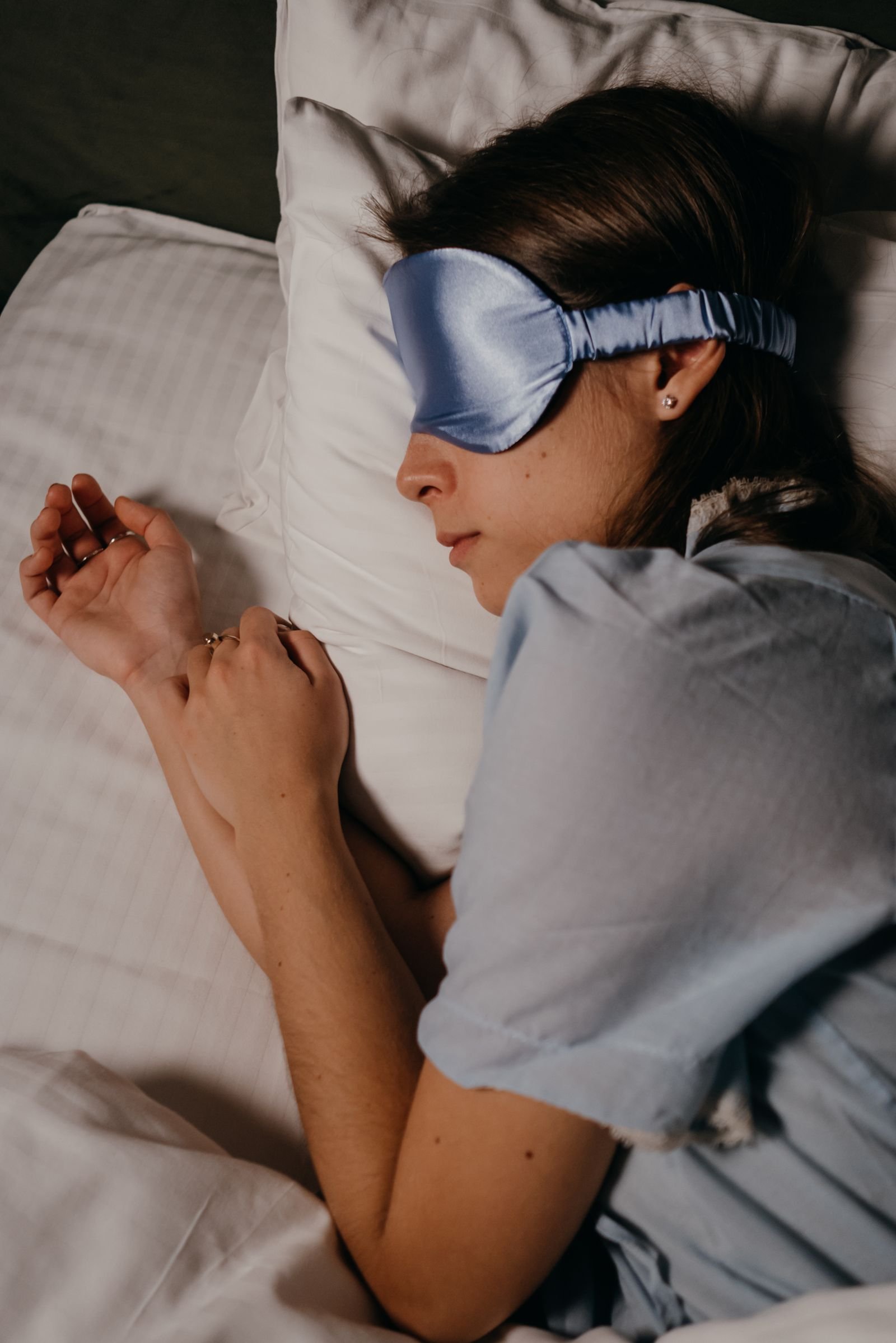
What Your Sleep Kit Should Contain
- Foam or silicone earplugs, plus one spare pair
- A contoured eye mask that fully blocks light
- Headphones or earbuds with a white noise app and a sleep timer
- A light sleep sack or silk liner for warmth and comfort
- Warm socks and a small torch for night trips to the bathroom
A Calm Routine That Tells Your Body It Is Bedtime
Gear alone is not enough. Your body needs a clear signal that the day is over, and that signal matters even more in a strange room. Build a simple routine and repeat it every night of your trip, even on nights when you have been out late. The routine does not need to be long. Twenty minutes is enough.
Start with a warm shower. It relaxes your muscles and the drop in body temperature afterwards naturally makes you feel sleepy. Change into comfortable sleep clothes, something you would not mind being seen in on a trip to the bathroom at night. Lay out your clothes and your day bag for the morning so you will not need to rustle through your luggage while others are sleeping.
Then put the screens away. Scrolling in bed keeps your brain alert and the blue glow can delay sleep, which is why cutting screen time before bed helps so much. If you want a fuller plan for this, read our guide on how to reduce screen time before bed. A paperback book, a podcast at low volume through one earbud, or a few pages of a travel journal all work better as a final activity. Keep the light low and your voice down, and let the room settle with you.
Set your alarm to vibrate and keep your phone close to your pillow so you wake on time without waking the whole room. If you have had a late night with screens, our advice on how to sleep better after late night screen work can help you recover the next night. Avoid caffeine after mid afternoon and skip a heavy meal close to bedtime. A cup of herbal tea or warm milk from the hostel kitchen is a gentler way to end the day.
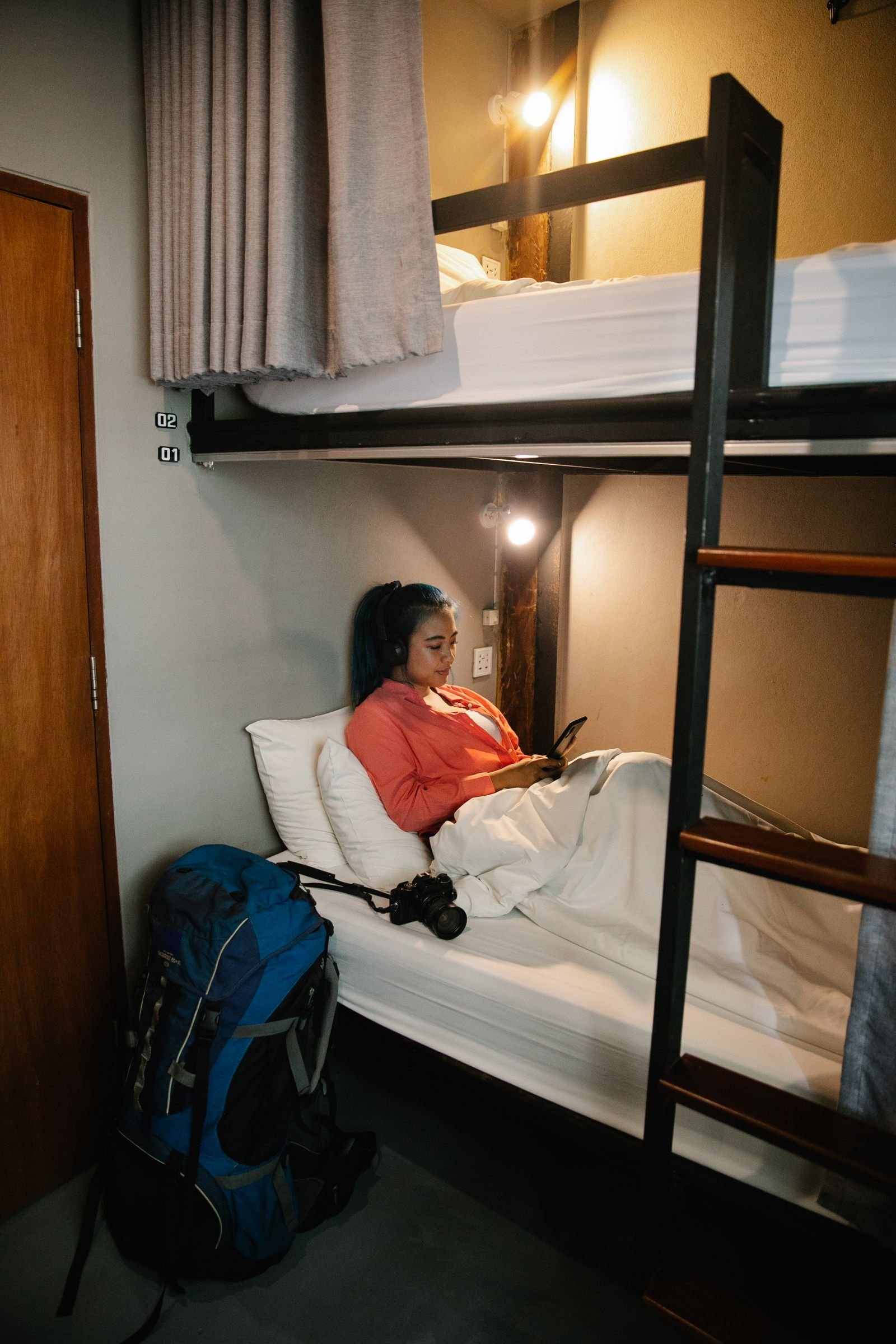
Dorm Manners That Help Everyone Sleep
Sleep in a dorm is a shared project. The people around you are dealing with the same noise and light that you are, and a little courtesy goes a long way. Use headphones for music, videos, and calls, and take calls in the corridor or the common room. Keep your voice low after quiet hours begin, and if you come back late, get ready for bed as quietly as you can.
Pack your bag for the morning before you turn in. The loudest sound in many dorms is not snoring, it is someone packing a rucksack at 6 in the morning, zips and plastic bags and all. Put the things you need in the morning in a small bag by your bed, and leave the main packing until you are in the corridor. If you need light during the night, use your phone torch on its lowest setting or the small reading light at your bunk, never the main ceiling light.
Talk to your roommates. A friendly word at check in makes everything easier later. If you are a light sleeper, say so with a smile and ask them to keep it down after midnight. Most people are happy to help, and many will warn you about their early alarm in return. If someone is snoring loudly, earplugs and white noise will usually do the job. If the noise is a party spilling into the room, a polite word or a quick visit to reception is fair and reasonable.
What to Do When You Still Cannot Sleep
Some nights will still go wrong, and that is normal. If you have been lying awake for more than half an hour, get up rather than tossing and turning. Go to the common room, read for a while, or make a warm drink. Lying in bed feeling frustrated only teaches your brain to link the bunk with being awake. Return to bed when your eyes feel heavy, and keep the lights low on the way back.
Ask reception for help if the problem is the room itself. Staff can often lend you earplugs, move you to a quieter bed, or suggest a smaller dorm for the next night. If one bad night would ruin an important day, such as an early flight, consider booking a private room for that one night only. It costs more, but one good night can be worth it before a long journey.
A short note on sleep aids. In the UK, melatonin is available only on prescription, so do not expect to buy it over the counter at a chemist. If you are considering any sleep aid, speak to a pharmacist or your GP first, and try it at home before you travel so you know how it affects you. For most travellers, earplugs, a mask, and a steady routine do the job without any extra help.
A Simple Checklist for Your First Dorm Night
- Book a smaller dorm in a quiet hostel with clear quiet hours
- Arrive early and choose a bottom bunk in a corner away from the door
- Pack earplugs, a contoured eye mask, headphones, and a sleep sack
- Shower, change, and lay out your morning bag before bed
- Put screens away twenty minutes before you want to sleep
- Set a vibrating alarm and keep your phone by your pillow
- Be quiet after lights out and pack your main bag in the corridor
Conclusion
Learning how to sleep comfortably in a hostel dorm bed is mostly about preparation, not toughness. Choose a quiet hostel and a smaller dorm, pick a bottom bunk in a corner, and carry a small kit with earplugs, a mask, and white noise. Add a calm twenty minute routine, pack your bag the night before, and treat your roommates the way you would like to be treated after midnight. Do those things and your first night in a dorm can feel almost as restful as your own bed at home, at a price that leaves more money for the trip itself. Sleep well, and enjoy the morning.
Frequently Asked Questions
Is it safe to sleep in a hostel dorm bed?
Yes, dorm beds in reputable hostels are safe for most travellers. Choose hostels with good recent reviews, secure lockers, and staff on site at night. Keep valuables in a locker or in a small bag close to you while you sleep.
What should I pack to sleep in a hostel?
Pack foam or silicone earplugs, a contoured eye mask, headphones with a white noise app, a light sleep sack, warm socks, and a small torch. The whole kit fits in one small pouch and costs less than £15.
Is a top bunk or a bottom bunk better for sleeping?
A bottom bunk suits most sleepers because it is easier to climb in and out of, it stays cooler, and your movements will not shake the bed above. A top bunk suits people who want more privacy and do not mind the ladder.
How do I block out snoring in a hostel dorm?
Use foam or silicone earplugs together with a white noise app played at low volume through comfortable earbuds. This combination masks sudden sounds and steady snoring far better than either one alone.
Can I sleep in a hostel if I am a light sleeper?
Yes, light sleepers can sleep well in dorms with the right setup. Book a smaller dorm, choose a quiet hostel, bring earplugs and a mask, and follow a calm bedtime routine. If one night goes badly, ask staff to move you to a quieter bed.