
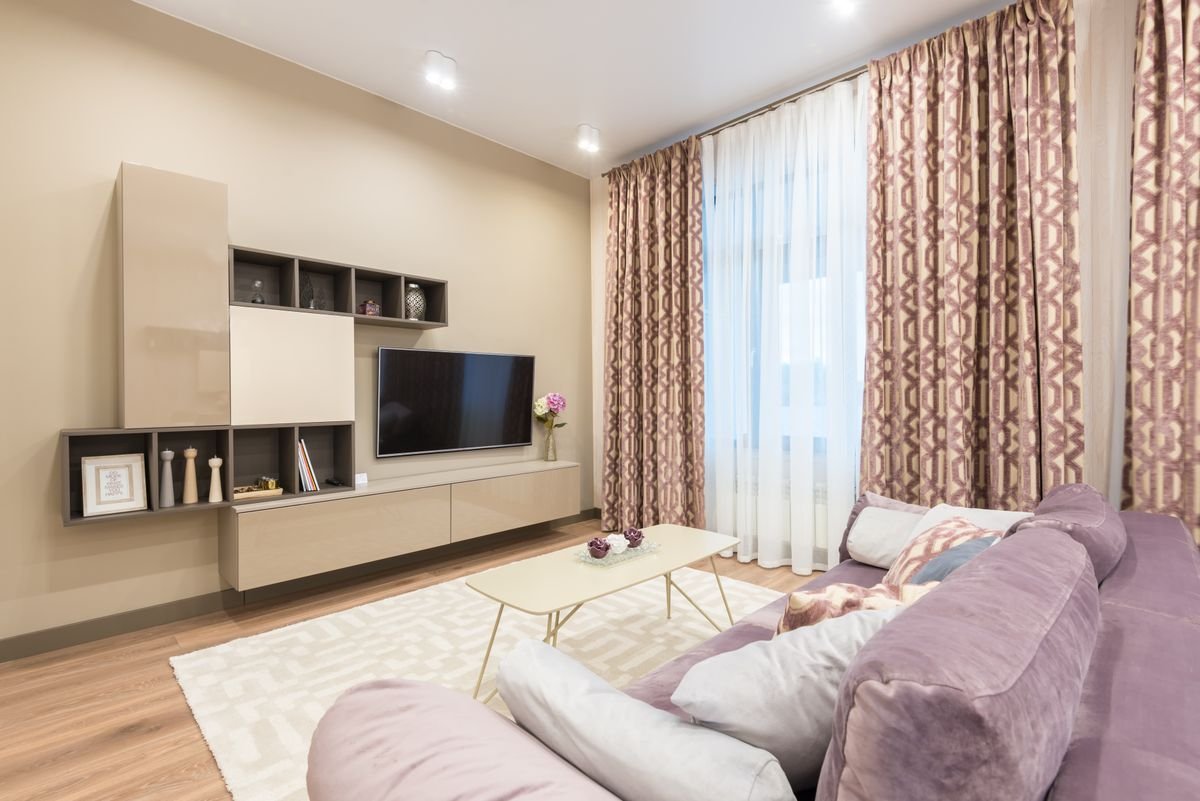
When Sara moved into her first apartment in Chicago, the living room was the part she loved least. It was not ugly. It was just small, and every piece of furniture she owned seemed to crowd in on her. The sofa touched the coffee table. The bookshelf blocked half the window. By seven in the evening the room felt like a hallway with a television in it, and she had friends coming over on Friday.
She had no budget for a renovation and her lease did not allow one anyway. So she spent one weekend changing how the room worked instead of how it was built. By Friday night the same room felt open, calm, and twice its size. Nothing structural had changed. The walls were the same. The floor was the same. What changed was the layout, the light, and the furniture doing the work.
That is the promise of this guide. If you want to know how to make a small living room feel bigger without renovating, you do not need a contractor. You need a plan, a tape measure, and a weekend. This article gives you all three, in the order that matters most.
Why a Small Living Room Feels Cramped
A room feels small for reasons that have little to do with square footage. Your eye reads a room by following lines: the line of the floor, the line of the ceiling, the line where furniture stops and open space begins. When those lines are broken every few feet by bulky furniture, dark corners, and clutter, your brain concludes the room is tiny.
Most small living rooms suffer from the same four problems. Furniture is pushed flat against every wall, which leaves a dead zone in the middle. Large dark pieces block the light from the window. Too many small objects compete for attention, so nothing reads as calm. And the walkways are squeezed, so moving through the room feels like navigating an obstacle course.
The good news is that all four problems are fixable without tools, paint, or permission from a landlord. The fixes below are ordered by impact. Start at the top and work down, and stop when the room feels right. Many readers find the first three changes alone transform the space.
Step 1: Clear the Floor and Open the Walkways
Before you buy anything or move a single piece of furniture, take everything out of the living room that does not belong there. Coats on the chair, boxes by the door, the stack of magazines on the floor, the laundry basket that has lived in the corner for a month. A small room cannot afford to store things that belong elsewhere.
Next, walk the room the way you actually use it. The path from the door to the sofa, from the sofa to the kitchen, from the couch to the window. Each main path needs at least 30 inches of clear space. If you have to turn sideways to pass the coffee table, the table is in the wrong place or it is the wrong table.
This single step costs nothing and it changes how the room feels immediately. Sara started here. She moved the laundry basket to the bedroom, returned the coats to the closet, and shifted the coffee table six inches to the left. The room did not get bigger. It stopped feeling like a corridor.
Step 2: Float the Furniture and Pick One Focal Point
The most common mistake in a small living room is pushing every piece of furniture flat against the walls. It seems logical, because it leaves the middle open. In practice it makes the room look like a waiting area, with a dead patch of floor in the center and a ring of furniture around the edges.
Pull the sofa four to eight inches away from the wall. That small gap creates a shadow line that your eye reads as depth, and the room instantly feels more intentional. If you have space behind the sofa, a narrow console table or a slim shelf there turns the gap into a feature instead of wasted space.
Then choose one focal point and arrange everything around it. In most living rooms the focal point is either the window or the television, not both. Pick one. Angle the seating toward it. When every chair faces a different direction, the room feels scattered. When everything faces one point, the room feels settled and larger, because your eye has one place to rest.
If the television is the focal point, size it to the room. A screen that fills the whole wall dominates a small space and makes the wall feel closer than it is. A good rule is to sit about one and a half times the screen width away from it. Measure before you buy, and remember that a smaller screen on a slim mount often looks better than a huge screen on a bulky stand.
Step 3: Let the Window Do the Heavy Lifting
Natural light is the cheapest way to make a small living room feel bigger, and the window is where it comes from. Yet in most small rooms the window is the most neglected feature. Curtains hang at the wrong height, furniture blocks the lower half, and the glass itself is rarely cleaned.
Start by clearing the window completely. Move the bookshelf, the plant stand, and the chair that blocks the light. Wash the glass inside and out. You will be surprised how much brighter the room becomes from this alone.
Then hang the curtains high and wide. Mount the rod four to six inches below the ceiling and extend it four to eight inches past each side of the window frame. When the curtains are open, they should sit on the wall, not over the glass. This makes the window look larger and the ceiling look taller, and it costs nothing if you already own the rod.
Choose light, simple curtains in a single color close to the wall color. Heavy patterned drapes chop a small window into pieces. Sheer or light cotton panels let daylight through while still giving privacy in the evening. If you rent and cannot drill, tension rods inside the frame or removable adhesive hooks hold light curtains perfectly well.
For more on getting light right at home, see our guide on how to improve video call lighting at home, which covers warm bulbs and layered light in detail.
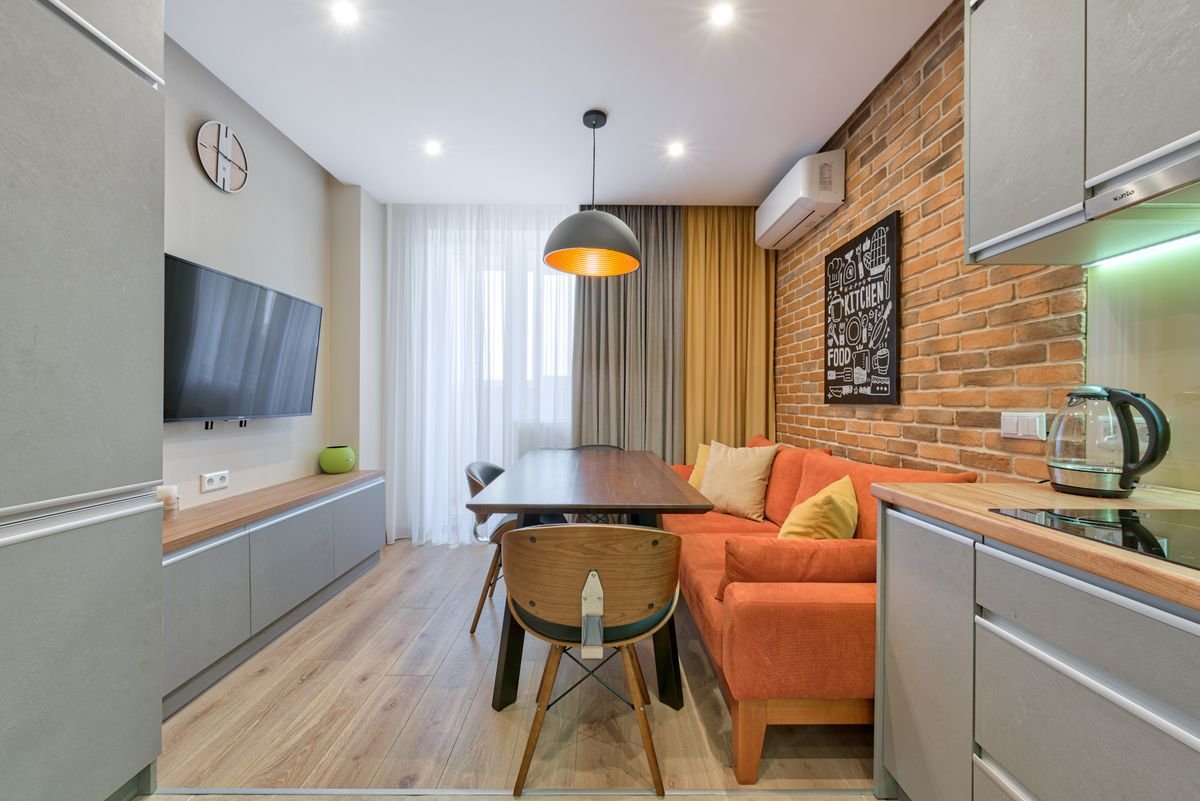
Step 4: Use One Large Mirror Instead of Many Small Ones
A mirror is the oldest trick for making a small room feel bigger, and it works because it does two things at once. It bounces light around the room, and it gives your eye a second view of the space, which your brain reads as extra depth.
One large mirror does this far better than five small decorative ones scattered around. Aim for a single mirror at least 30 by 40 inches, hung or leaned across from the window or beside it, so it catches daylight and throws it back into the room. A mirror that faces a blank wall only doubles the blank wall, so placement matters more than size.
Leaning a large mirror against the wall is renter friendly, needs no drilling, and looks intentional in a small room. If you prefer to hang it, use a proper picture hook rated for the weight and check the wall type first. Secondhand mirrors are easy to find for 20 to 40 dollars at thrift stores and online marketplaces, and a simple wood or black frame suits almost any style.
Keep the mirror clean. A dusty mirror reflects dull light and draws attention to itself for the wrong reason. A quick wipe once a week is enough.
Step 5: Paint with Light, Even If You Cannot Paint
Color changes how big a room feels because your eye notices contrast. When the walls, trim, and ceiling are all different colors, your eye stops at every edge, and the room reads as a set of small surfaces. When they are close in tone, the edges soften and the room reads as one continuous space.
If you own your home, painting the walls, trim, and ceiling the same soft light color is the single highest impact change you can make. Warm white, soft oat, or pale greige all work. Avoid stark cold white, which can feel clinical in a small room, and avoid dark accent walls, which pull one wall toward you and shrink the space.
If you rent and cannot paint, you can get most of the same effect without touching the walls. Choose large furniture and textiles in one calm palette. A light sofa, a rug in a similar tone, and curtains close to the wall color create the same unbroken flow. Add color in small doses instead: two cushions, one throw, one piece of art. The room stays calm and the color still shows up.
Whatever you do, keep the palette to three colors at most. A small room with seven competing colors feels busy. A small room with one calm base and one accent feels designed.
Step 6: Choose Furniture You Can See Under
Furniture that sits flat on the floor creates heavy blocks that stop your eye. Furniture on legs lets your eye travel underneath and keep going, so the floor reads as one continuous surface and the room feels larger.
Look for sofas, chairs, and consoles with at least four to six inches of visible space underneath. A slim tapered wood leg or a slim metal leg is enough. This is one reason mid century style furniture works so well in small rooms: it was designed for apartments, and it shows the floor.
Scale matters as much as legs. One well chosen loveseat often serves a small room better than a full three seat sofa that swallows the wall. A loveseat seats two comfortably and leaves breathing room around it, which instantly makes the floor feel larger. If you need extra seating for guests, add a lightweight chair that can be pulled in when needed and tucked away otherwise, rather than a second bulky sofa that lives in the room permanently.
Apply the same rule to the coffee table. A glass or acrylic top lets your sightline travel straight through it, so the floor stays visible. A solid chunky table chops the room in half. If glass is not practical with kids or pets, a slim wood table with an open lower shelf gives a similar lightness.
Step 7: Get the Rug Right
A rug that is too small is one of the most common mistakes in a small living room. A tiny rug floating in the middle of the floor like an island, with all the furniture pushed out around its edges, actually makes the room look smaller, not bigger.
The rule is simple: at minimum, the front legs of every seating piece should land on the rug. In most small rooms that means a rug around 5 by 8 feet or 8 by 10 feet, depending on the seating layout. Measure the seating area, then buy the rug to fit the furniture, not the other way around.
One large rug also beats several small ones. Multiple small rugs chop the floor into zones and make the room feel fragmented. A single rug in a light, low contrast pattern unifies the space. If your budget is tight, a plain low pile rug in a warm neutral costs far less than a patterned one and does the same job.
Leave a border of bare floor, around 6 to 12 inches, between the rug edge and the wall. That frame of floor makes the rug look intentional and the room look finished.
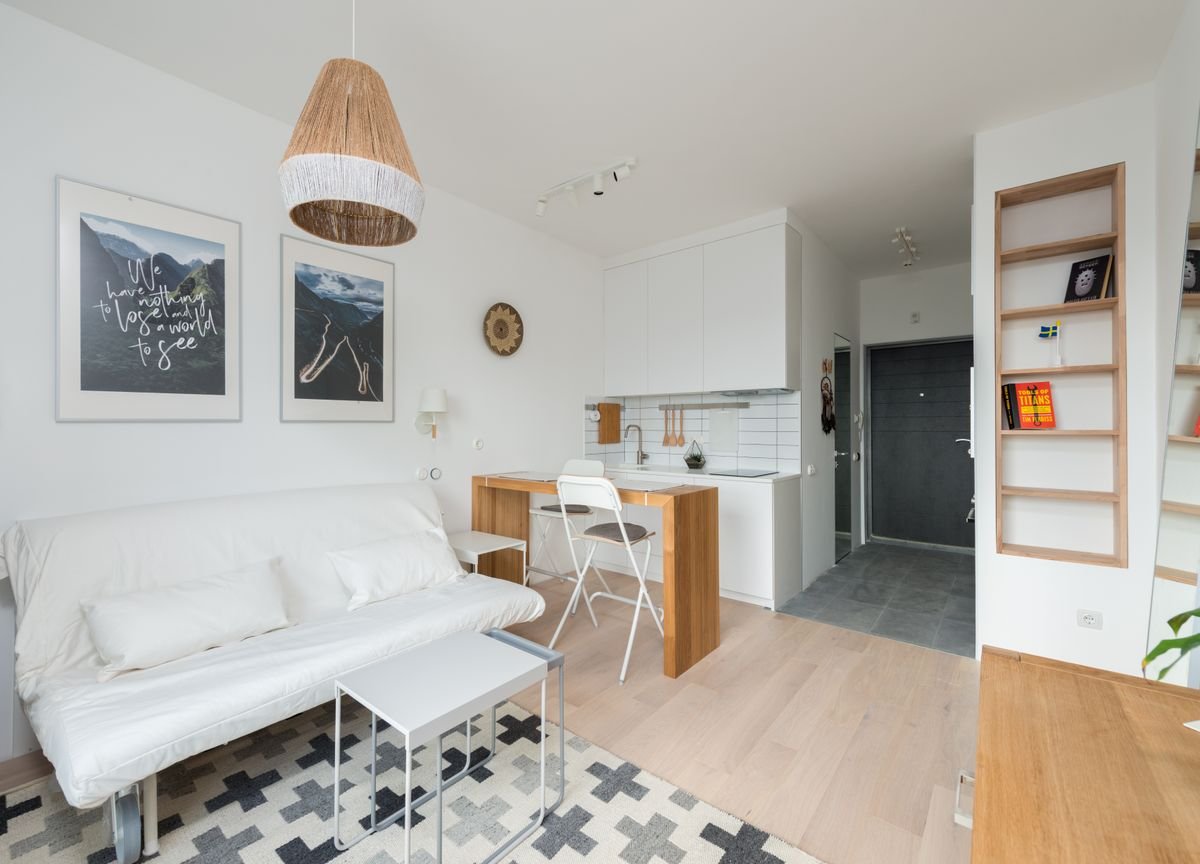
Step 8: Layer the Lighting
A single harsh ceiling light flattens a small room and highlights its limits. It throws one pool of light in the middle and leaves the corners dark, which makes the walls close in. Layered light does the opposite: it lights the edges of the room and lets your eye travel all the way to the walls.
Three layers are enough. Start with ambient light, a ceiling fixture on a dimmer or a soft floor lamp that washes the room. Add task light where you actually sit and read, a table lamp or an adjustable floor lamp beside the chair, with a warm bulb around 2700K. Then add one accent light, a small lamp on a shelf or a picture light above art, that draws the eye to something worth looking at.
Keep the bulbs warm and consistent. Mixing cool white overhead light with warm lamps makes the room feel unsettled. If your ceiling fixture is too bright, a dimmer switch is a cheap fix that changes the mood of the room entirely, and most landlords allow one if you ask.
Light the corners. A small room feels smallest in its dark corners, so a floor lamp in the far corner or a small table lamp on a sideboard pushes the walls outward in the most literal sense: you can see them.
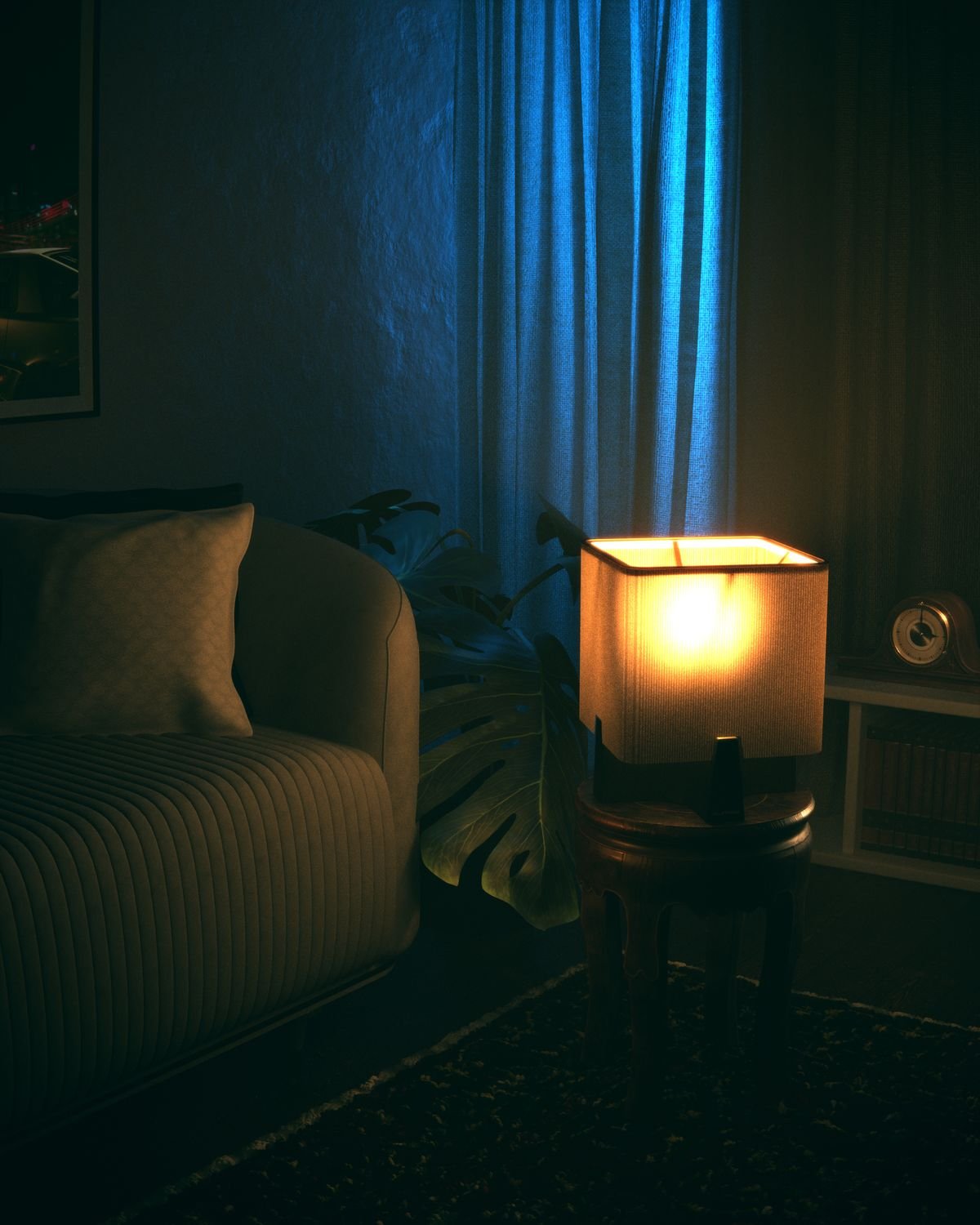
Step 9: Give Everything a Home and Keep Surfaces Clear
Clutter shrinks a room faster than any furniture choice. Every object on a surface is a visual stop sign, and a small room covered in objects feels crowded even when the furniture is right.
Pick one closed storage piece and use it properly. A storage ottoman that doubles as a coffee table hides blankets, chargers, and board games inside. A slim cabinet or a lidded basket by the sofa holds the things you reach for daily. The goal is not a showroom. It is a room where the things you use have a place to go when you are done with them.
Then set a simple rule for surfaces: each one holds three things at most. The coffee table holds a book, a candle, and a coaster. The sideboard holds a lamp, a plant, and a small tray. Anything more goes into storage. This takes five minutes a day to maintain and it keeps the room feeling open between deep cleans.
If your living room also has to hold a workspace, a hobby, or kids toys, give each job a zone instead of letting it spread. A single corner with a chair and a small table can become a reading spot without taking over the room, as our guide on how to create a reading nook in a small bedroom shows. The same corner logic works in a living room: one defined spot beats a hobby spread across every surface.
The Weekend Plan: What to Do in What Order
Here is the whole project as a weekend, in the order that gives the fastest visible change. You can stop after any step and still have a better room.
Friday evening, one hour: clear the room. Remove everything that belongs elsewhere, wash the window, and open the walkways. Measure the seating area and the window, and write the numbers down.
Saturday morning, two hours: float the sofa off the wall, pick your focal point, and rearrange the seating around it. Hang the curtains high and wide. Lean or hang the mirror across from the window.
Saturday afternoon, one hour: swap in layered lighting. Move a lamp to the dark corner, change the bulbs to warm white, and clear the surfaces down to three items each.
Sunday, one hour: buy only what the room still needs. Usually that is one thing: a rug in the right size, a storage ottoman, or a secondhand mirror. Measure first, buy second, and keep the receipt.
Total time is about five hours spread across a weekend. Total cost can be zero if you only rearrange what you own, or 100 to 300 dollars if you add a rug, a mirror, and a lamp from secondhand or budget stores.
Budget Tiers: What to Spend at Each Level
Zero dollars: rearrange the furniture, clear the window, move the mirror you already own, declutter the surfaces, and open the walkways. This alone changes how the room feels, and it is where everyone should start.
Under 50 dollars: add a pair of light curtains on a high rod, a warm bulb set, and a thrift store mirror. Buy secondhand first. Mirrors and lamps are among the easiest things to find used, and they do not wear out.
100 to 300 dollars: add the right size rug and a storage ottoman that doubles as a coffee table. These are the two purchases that change the room most, and they are worth buying new if you cannot find them used, because they take daily wear.
Over 300 dollars: only spend this if the room still needs it after the steps above. A loveseat in the right scale or a slim console are the purchases that make sense at this level. Never buy a large sectional for a small room just because it is on sale. A bargain that eats the whole floor is not a bargain.
Mistakes That Make a Small Living Room Feel Smaller
The first mistake is buying furniture before measuring. A sofa that looked fine in the store can swallow a small room whole. Measure the wall, measure the door it has to pass through, and tape the outline on the floor before you order anything.
The second mistake is choosing many small pieces instead of fewer larger ones. Six small chairs, three side tables, and a collection of tiny shelves chop the room into fragments. Four or five well chosen pieces serve the room better: a sofa or loveseat, one chair, a coffee table, one lamp, and one storage piece.
The third mistake is blocking the window with tall furniture. A bookshelf in front of the window steals the light that makes the room feel open, and it makes the wall feel closer. Move tall pieces to a solid wall and let the window stay clear.
The fourth mistake is the gallery wall that covers every inch. A few framed pieces in one area add personality. Art on every wall with no breathing room makes the walls feel like they are closing in. Leave at least one wall mostly empty. Empty space is not wasted space in a small room. It is what lets the room breathe.
Small space living rewards the same discipline everywhere in a home. The hostel guide on how to sleep comfortably in a hostel dorm bed makes the same point for shared rooms: fewer pieces, each earning its place, beats more stuff every time.
Conclusion: How to Make a Small Living Room Feel Bigger Without Renovating in One Weekend
Sara did not renovate. She moved the sofa eight inches, hung the curtains near the ceiling, leaned a thrift store mirror across from the window, and bought a rug that actually fit the seating area. Her friends arrived on Friday and asked if she had redecorated. She had, in a sense. She had just done it with a tape measure instead of a contractor.
That is the takeaway, and it is how to make a small living room feel bigger without renovating: start with layout, then light, then furniture. Clear the walkways, float the sofa, pick one focal point, open the window, hang one large mirror, and choose pieces you can see under. Do it in that order, spend only on what the room still needs, and measure before you buy anything.
Your living room does not need more square footage. It needs fewer obstacles between your eye and the walls. Give it a weekend, and it will give you a room you actually want to spend time in.
Frequently Asked Questions
How do I make a small living room feel bigger without renovating?
Start with layout: pull furniture off the walls, clear the walkways, and pick one focal point. Then open the window, hang curtains high and wide, add one large mirror across from the window, and layer warm lighting. These changes cost little or nothing and make the biggest visible difference.
What color makes a small living room look bigger?
Light, warm neutrals make a small room feel larger, especially when the walls, trim, and large furniture are close in tone. Warm white, soft oat, and pale greige work well. Keep the palette to three colors at most and add stronger color in small doses like cushions and art.
Where should I hang a mirror in a small living room?
Hang or lean one large mirror across from the window or beside it, so it catches daylight and bounces it back into the room. Avoid facing a mirror at a blank wall, because it only doubles the blank wall. A mirror at least 30 by 40 inches works far better than several small ones.
What size rug should I use in a small living room?
Choose a rug large enough that the front legs of every seating piece land on it. In most small rooms that means around 5 by 8 feet or 8 by 10 feet. One large rug unifies the room, while several small rugs chop the floor into pieces and make it feel smaller.
Can I make a rental living room feel bigger without painting or drilling?
Yes. Rearrange the furniture, clear the window, use a leaning mirror, hang light curtains on a tension rod or removable hooks, and layer lamps. A rug in the right size and a storage ottoman also change the room with no permanent changes, and everything moves out with you when the lease ends.