
Picture the scene. It is past midnight, your laptop screen is still glowing, and you have just sent the last email of a long working day. You close the lid, brush your teeth, climb into bed, and then nothing happens. Your mind replays unfinished tasks, tomorrow’s meetings, and that one message you wish you had worded differently. Sleep feels hours away even though your body is exhausted. If this sounds familiar, you are not alone, and learning how to sleep better after late night screen work can change how your whole next day feels.
This is a common problem for people who work from home, run small businesses, or finish freelance projects in the evening. Screens keep the brain alert in two ways. Bright light tells the body that it is still daytime, and stimulating work keeps the mind busy long after the screen goes dark. The good news is that you do not need a perfect routine or expensive gadgets to fix it. You need a short, repeatable wind down that tells your brain the working day is over. This guide gives you exactly that, built around three simple moves: close the day on paper, dim your surroundings, and calm your body before bed.
Why late night screen work steals your sleep
Your body runs on an internal clock that takes its cues from light. Bright screens in the evening push that clock later, which delays the natural feeling of sleepiness. That is why you can feel wide awake at 1am even after a tiring day. It is not a lack of willpower. It is a timing signal, and it can be reset with steadier evening habits.
The second problem is mental arousal. Work messages, deadlines, and social media all demand decisions and reactions. When you jump straight from that stimulation into bed, your brain has no time to power down. Lying awake then becomes stressful in itself, because you start worrying about not sleeping, which keeps you awake even longer. Breaking this loop is the real goal of a wind down routine.
The third problem is the bedroom itself. If your laptop lives on the bedside table and your phone charges beside your pillow, your bedroom doubles as an office. Your brain stops associating the room with rest. Small changes to light, temperature, and where devices sleep at night can rebuild that association surprisingly quickly.

Step one: close the day on paper before you shut the laptop
The most powerful wind down habit costs nothing and takes about five minutes. Before you close your laptop, take a sheet of paper and write down everything still buzzing in your head. Unfinished tasks, people you need to reply to, ideas you do not want to forget. Get them out of your head and onto the page. This is sometimes called a brain dump, and it works because your brain stops rehearsing things it knows are safely recorded.
Next, pick just three priorities for tomorrow and write them at the top of the page. Not ten tasks, just three. This gives tomorrow a clear starting point, so you are less likely to lie awake planning the whole day in detail. It also gives you permission to stop. The work is parked, not abandoned, and you know exactly where to pick it up in the morning.
Finally, make the closing of the laptop a small ritual. Save your files, close your tabs, and shut the lid with intention. Say to yourself, out loud if it helps, that the working day is done. It sounds simple, but rituals matter. Without a clear ending, work bleeds into the night in your mind even after the screen is off. With one, your brain gets a signal it can learn to recognise: work is finished, rest begins now.
What to write in your evening brain dump
- Any task you promised someone that is still unfinished
- Any email or message you need to send tomorrow
- Any worry or idea that keeps circling in your head
- Your top three priorities for the next working day
Keep the list short and honest. This is not a second to do list to stress over. It is a parking lot for thoughts, and its whole purpose is to let you leave them there until morning.
Step two: dim the lights and cool the room
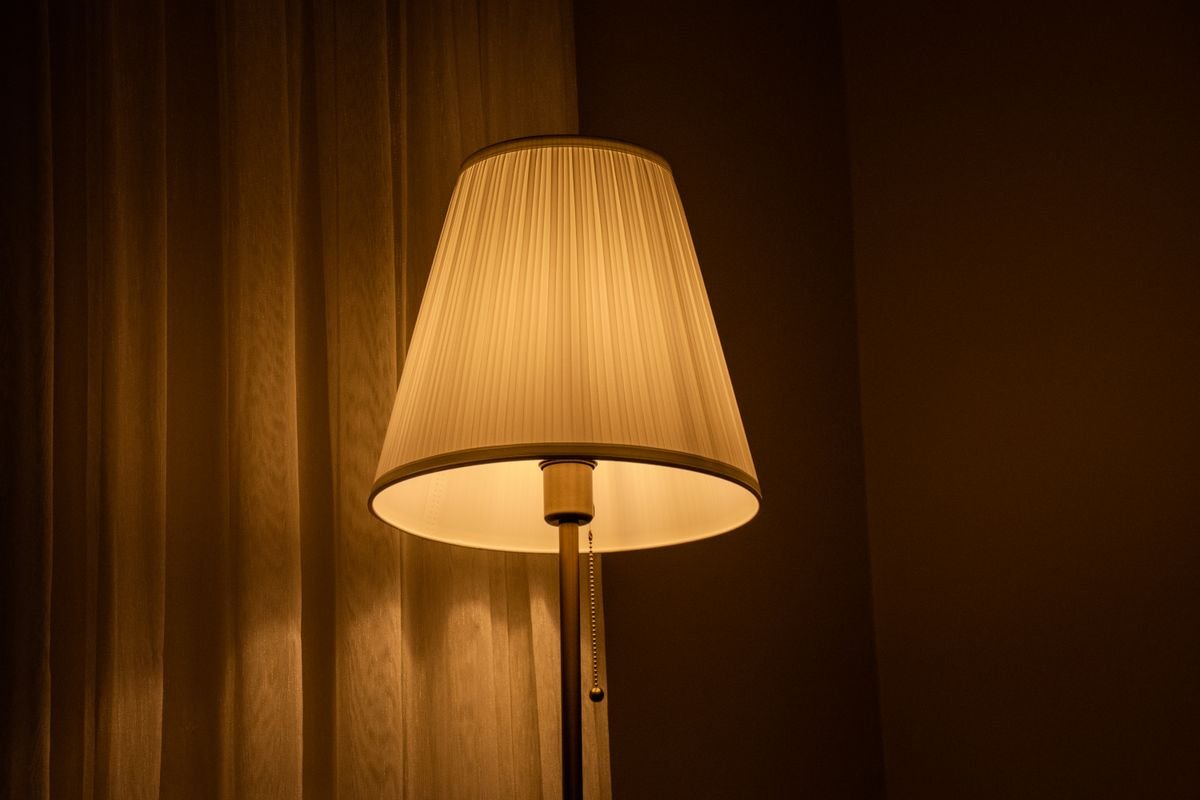
Light is the strongest signal your body uses to decide whether it is day or night. After late screen work, the fastest way to nudge that signal is to lower the light around you. Switch off the bright ceiling light and use a small lamp with a warm bulb instead. A warm toned lamp costs less than £20 in most UK high street shops, and it changes the feel of a room immediately. Dim light tells your body that night has arrived, even if your working day ran long.
Turn your phone screen brightness right down, and switch on its night mode or warm colour setting. Night mode alone will not fix your sleep, and no filter can undo hours of bright scrolling, but dimmer and warmer light is still a step in the right direction. The bigger win is to stop scrolling altogether in the last half hour before bed. Put the phone to charge outside the bedroom, or at least across the room, so checking it takes real effort rather than a reflex.
Temperature matters too. Most people sleep best in a cool room, roughly 18 to 20 degrees. Open a window for a few minutes, turn the heating down in the bedroom, or use a lighter duvet. A cool, dark, quiet room is a powerful sleep cue on its own, and it costs nothing to arrange. If street light leaks through your curtains, a simple sleep mask does the same job as blackout curtains for a fraction of the price.
A calmer bedroom in five minutes
- Switch the ceiling light off and use one warm lamp only
- Charge your phone outside the bedroom overnight
- Open the window briefly to cool the room down
- Close the curtains fully or use a sleep mask
- Keep the bedroom tidy enough that it feels restful, not like an office

Step three: calm the body before bed
After a long evening at a screen, your body may still be in work mode: shoulders tense, jaw tight, breathing shallow. A warm shower or bath is one of the quickest ways to change that state. Warm water relaxes the muscles, and the gentle drop in body temperature afterwards mimics the natural cooling that happens before sleep. Ten minutes is plenty, and it doubles as a clear boundary between work time and rest time.
Next, try slow breathing for a few minutes. Sit on the edge of the bed, breathe in through your nose for a count of four, then breathe out slowly for a count of six. Repeat for about three minutes. Longer exhales help the body shift out of alert mode, and the counting itself gives a busy mind something quiet to focus on. If slow breathing feels uncomfortable or makes you dizzy, just breathe normally and focus on making each breath a little slower and deeper than the last.
Finally, read something gentle on paper for ten to fifteen minutes. A novel, a magazine, or a book of short essays all work well. Paper reading gives your eyes a rest from screens and gives your mind a low stimulation activity to drift with. Avoid thrillers, work books, or anything that sparks new ideas at this hour. The aim is a gentle landing, not another thing to think about.
A simple 45 minute routine you can actually keep
Knowing what to do is easy. Doing it on a tired night is the hard part, so keep the routine short and fixed. Here is a 45 minute version that works even after a very late finish. Adjust the timings to fit your evening, but keep the order the same, because the order is what trains your brain to expect sleep.
- Minute 0 to 5: brain dump on paper and pick tomorrow’s top three tasks
- Minute 5 to 10: close the laptop, tidy the desk, and switch the ceiling light off
- Minute 10 to 25: warm shower, change into night clothes, and cool the bedroom
- Minute 25 to 40: paper book, gentle stretching, or quiet music with the lights low
- Minute 40 to 45: slow breathing in bed, lights out, and no more screens
If you only have fifteen minutes, do the short version: brain dump, dim lights, slow breathing. Consistency beats perfection here. A short routine done every night trains your brain far better than a long routine done once a week. After a week or two, you will notice the routine itself starts to feel sleepy, which is exactly the point. The routine becomes the cue.
What to do when you still cannot sleep
Some nights, even a good routine is not enough, and lying awake worrying about it only makes things worse. If you have been awake for about twenty minutes, get up. Go to another room, keep the lights low, and read something dull or listen to quiet music until you feel sleepy again. Then return to bed. This breaks the link between your bed and frustrated wakefulness, and it works better than staring at the ceiling.
Do not reach for your phone during a wakeful spell. It is tempting, because it feels like a distraction, but bright light and stimulating content will push sleep further away. If your mind is racing with work thoughts, write them on the paper by your bed and deal with them in the morning. The note is your promise to your brain that nothing important will be forgotten.
Also, resist the urge to watch the clock. Checking the time repeatedly turns a wakeful spell into a maths problem about how little sleep you will get, and that stress alone can keep you up. Turn the clock face away, focus on slow breathing, and let sleep arrive in its own time. One poor night will not ruin your health, and the calmer you stay about it, the sooner it passes.
The morning after a late night
How you start the next morning shapes the next night too. Get daylight as early as you can, even if it is just standing by a window with a cup of tea or stepping outside for a few minutes. Morning light anchors your internal clock and helps you feel sleepy at a sensible hour that evening. It is one of the simplest and most reliable sleep habits there is.
Keep caffeine to the morning if you can. A coffee at 3pm is still partly active in your system at bedtime, which makes the next late night even harder to recover from. Drink water through the day, eat a proper lunch rather than skipping meals, and take a short walk if possible. Movement and daylight together do more for afternoon energy than another coffee ever will.
Most importantly, do not try to catch up with a very long lie in. Sleeping until noon after a late night feels good in the moment, but it pushes your clock even later and makes the following night harder. Get up within an hour or so of your usual time, even if you feel tired, and protect the next evening’s wind down instead. Recovery is a two night project, not a one morning fix.
How to sleep better after late night screen work: a calmer end to the day
Learning how to sleep better after late night screen work is not about buying special products or following a rigid system. It comes down to three habits that anyone can start tonight: close the day on paper so your mind can let go, dim the lights and cool the room so your body gets the night time signal, and calm the body with a warm shower and slow breathing before bed. Together, these steps turn a frantic finish into a gentle landing.
Start small. Tonight, try just the brain dump and the dim lights. Tomorrow, add the warm shower. Within a week, you will have a routine that feels natural rather than forced, and your mornings will start to feel easier too. Good sleep is not a luxury for people with quiet evenings. It is a practical tool for anyone who works late, and it is built in the last 45 minutes of the day, not wished for in the middle of the night. Take those minutes seriously, and your body will thank you for them.
Note for the editor: internal links to related Earth Magazines posts can be added here where topically relevant, for example to articles on desk wellbeing, healthy work habits, or morning routines.
Frequently asked questions
How long before bed should I stop working on a screen?
Aim for at least 30 to 45 minutes of screen free time before bed. If your work runs very late, even fifteen minutes of dim light and paper reading is far better than going straight from laptop to bed.
Does night mode on my phone actually help me sleep?
Night mode helps a little by warming the screen colour and cutting bright light, but it is not a complete solution. Dim brightness, fewer notifications, and putting the phone down altogether matter much more than any filter setting.
What if I have to work late every night for my job?
Keep the routine short and fixed so it survives busy weeks. A five minute brain dump, dim lights, and slow breathing can fit into almost any evening, and doing the same steps nightly trains your brain to expect sleep even after late finishes.
Is it bad to read work emails in bed?
Yes, because it teaches your brain to associate bed with work and alertness. Keep work out of the bedroom where possible, and if a message truly cannot wait, deal with it in another room with the lights low, then return to bed only to sleep.
When should I seek professional help for poor sleep?
If poor sleep lasts for several weeks despite steady habits, or if you notice loud snoring, long pauses in breathing, or daytime sleepiness that affects your safety at work or while driving, speak to your GP. This article offers general wellbeing tips, not medical advice.