Searching for motorcycle gear near me usually means one thing: you need real protection, and you need it from a place you can trust. Maybe you just bought your first bike. Maybe your old jacket finally gave out after years of hard riding. Either way, you want a shop nearby where you can try things on, ask real questions, and walk out ready to ride safely.
This guide is built for exactly that moment. Instead of just pointing you toward a store locator, it walks you through what actually matters when choosing gear and choosing the shop that sells it. By the end, you will know how to evaluate any motorcycle gear shop near you, what questions to ask the staff, and how to pick gear that fits your riding style, your budget, and your safety needs.
Why Finding the Right Motorcycle Gear Near Me Matters
Riding gear is not an accessory. It is the layer between your skin and the pavement if something goes wrong. A helmet that fits poorly or a jacket without proper armor can turn a minor spill into a serious injury.
That is why so many riders prefer shopping locally instead of ordering blind online. A local shop lets you:
- Try on multiple sizes and brands before committing
- Get fitted properly for a helmet, which is something that should never be guessed
- Ask staff about break in periods, sizing quirks, and comfort for long rides
- Walk out the same day with gear you can use immediately
The convenience of shopping nearby is real, but the bigger value is fit and fitting expertise. Two jackets from different brands in the same labeled size can fit completely differently. That is something no online size chart can fully solve.
What to Look for in a Local Motorcycle Gear Shop
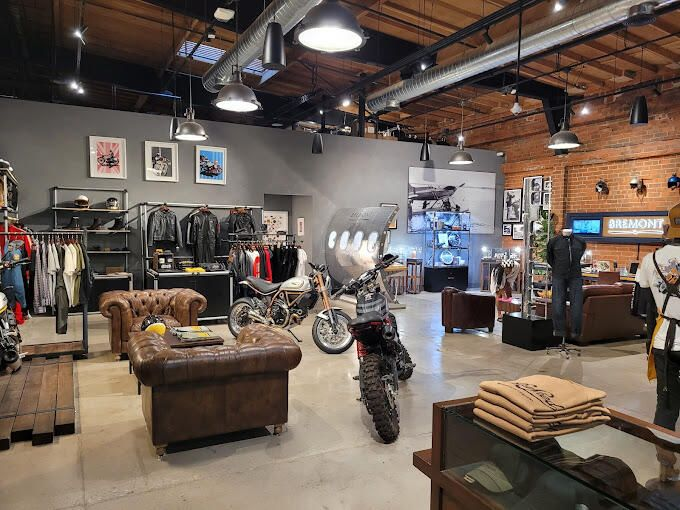
Not every shop that sells motorcycle gear is equally helpful. When you are evaluating options near you, a few signs separate a great shop from an average one.
Knowledgeable Staff
Look for staff who ride themselves. Riders selling to riders tend to give more honest, practical advice rather than pushing whatever is on sale that week. Ask them what they personally wear and why.
Brand Variety
A good shop carries a range of brands across price points, not just one house label. This lets you compare protection levels, materials, and fit across options like Alpinestars, Icon, Dainese, Shoei, HJC, and Scorpion EXO.
Try Before You Buy Culture
The best shops encourage trying gear on, walking around in it, and even sitting on a bike in store if possible. If a shop rushes you through fitting, that is a signal to keep looking.
Return and Exchange Policy
Gear fit can feel different after actually riding in it. A shop with a fair return or exchange policy on unworn gear shows confidence in what they sell and respect for the buyer.
Service Beyond the Sale
Some shops offer helmet fitting adjustments, minor repairs, or advice on maintaining gear over time. That kind of ongoing support is worth more than a slightly lower price elsewhere.
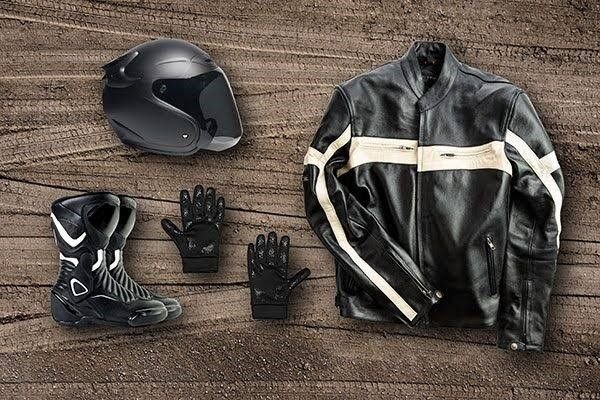
Essential Gear Every Rider Should Own
If you are building a gear collection from scratch, prioritize items in this order based on protection value.
Helmet
Your helmet is non negotiable. Full face helmets provide the most coverage, while modular helmets offer flexibility for riders who want to flip up the chin bar at stops. Whichever style you choose, fit is everything. A helmet that shifts or feels loose after a few minutes of wear is the wrong helmet, regardless of how good it looks.
Jacket
Motorcycle jackets are built from leather, textile, or a mesh blend for hot weather. Leather offers strong abrasion resistance, textile often adds weatherproofing and pockets for armor, and mesh keeps riders cool in summer while still including armor at the shoulders and elbows.
Gloves
Gloves protect your hands, which are among the first body parts to hit pavement in a fall. Look for reinforced palms, knuckle protection, and a snug fit that still allows full control of the clutch and throttle.
Pants or Riding Jeans
Reinforced riding jeans with aramid fiber lining or dedicated riding pants with armor at the knees and hips offer far more protection than regular denim, which shreds quickly in a slide.
Boots
Ankle support matters more than most new riders expect. Proper motorcycle boots protect against impact, crush injuries, and burns from hot exhaust pipes, and they offer better grip on foot pegs than sneakers or casual shoes.
Understanding Safety Ratings Before You Buy
One area many riders overlook is what safety certifications actually mean. This is where a good local shop earns its value, but it helps to walk in already informed.
DOT Certification
DOT, or Department of Transportation, is the minimum legal standard for helmets sold in the United States. It is based on manufacturer self certification, which means quality can vary between brands.
ECE Certification
ECE is a European standard that involves independent third party testing. Many experienced riders consider ECE rated helmets a strong benchmark for verified protection.
Snell Certification
Snell certification involves additional voluntary testing beyond DOT requirements, often focusing on impact protection across multiple hit scenarios. Helmets with Snell certification typically undergo more rigorous evaluation.
CE Rated Armor
For jackets, pants, and gloves, look for CE rated armor at the shoulders, elbows, knees, and hips. This rating confirms the padding meets recognized impact absorption standards rather than being simple foam padding for comfort alone.
Understanding these ratings helps you ask sharper questions in store and avoid gear that looks protective but has not been properly tested.
In Store vs Online: Choosing the Right Shopping Method
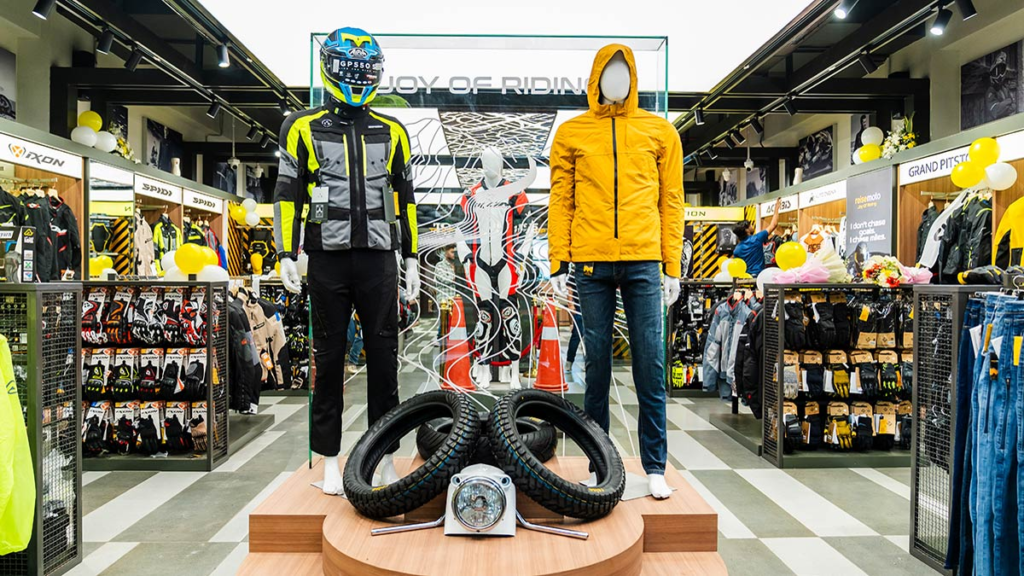
Both shopping methods have a place, and many riders end up using a mix of both depending on the item.
Shop in person for:
- Helmets, since fit varies so much by head shape
- Boots, since sizing differs significantly between brands
- Jackets and pants if it is your first time buying that brand
Shop online for:
- Reordering gear you already know fits well
- Accessories like grips, tools, or maintenance products
- Comparing prices after you already know your correct size
A smart approach is to visit a local shop first to get properly fitted, note the exact brand and size that works, then decide whether to buy in store or compare pricing online for future purchases.
How to Choose Gear Based on Your Riding Style
Not all riders need the same gear, and a shop worth trusting will ask about your riding habits before recommending anything.
Commuters
Commuters benefit from versatile gear that works in changing weather, often textile jackets with removable liners and gloves that balance warmth with dexterity for city traffic.
Sport Riders
Sport riders typically prioritize leather suits or jackets built for aggressive riding positions, along with gear that offers maximum abrasion resistance for higher speed riding.
Touring Riders
Touring riders often need gear built for comfort across long hours in the saddle, including ventilated jackets, weatherproofing, and boots designed for walking comfortably at rest stops.
Beginners
New riders should focus on fundamentals: a well fitted helmet, a solid jacket with armor, proper gloves, and sturdy boots. Advanced or specialized gear can come later as riding experience grows.
Questions to Ask Before You Buy
Walking into a shop prepared with the right questions can save you money and prevent buying gear that does not suit your needs.
- What certification does this helmet carry, and how does it compare to others in this price range?
- Does this jacket include removable armor, and can it be upgraded later?
- How does this brand tend to fit compared to others you carry?
- What is your policy if gear does not feel right after a short ride?
- What gear do your own staff personally use, and why?
Asking these questions signals to staff that you are serious about protection, not just style, which often leads to more thoughtful recommendations.
Budgeting for Motorcycle Gear
Quality gear is an investment, but it does not need to break the bank right away.
- Helmets: Reliable options exist across a wide price range, and a mid tier certified helmet is often safer than an expensive one bought without proper fitting.
- Jackets: Entry level textile jackets with certified armor offer solid protection for new riders before upgrading to premium materials later.
- Gloves and boots: These tend to be the most affordable category, so it makes sense to prioritize quality here early on.
If budget is tight, prioritize helmet and gloves first, since hands and head injuries are among the most common and most serious outcomes in motorcycle accidents.
Caring for Your Gear So It Lasts
Buying the right gear is only half the equation. Proper care keeps it protective for years.
- Clean leather jackets with dedicated leather conditioner, not household cleaners
- Air dry textile gear rather than using a dryer, which can damage waterproof membranes
- Replace helmets after any significant impact, even if damage is not visible
- Store gloves and boots away from direct sunlight to prevent material breakdown
A local shop can often advise on maintenance products specific to the brands they carry, which is another reason building a relationship with a nearby store pays off over time.
Final Thoughts
Finding motorcycle gear near me does not have to mean settling for the first shop that shows up in a map search. Take the time to evaluate staff knowledge, brand selection, and fitting culture before deciding where to spend your money.
Prioritize protection first, comfort second, and style last. A helmet, jacket, gloves, and boots that fit properly and carry real safety certifications will serve you far better than gear chosen on looks alone.
Whether you end up shopping in store, online, or a combination of both, the goal stays the same: ride with confidence, knowing your gear was chosen with care rather than convenience alone.
Frequently Asked Questions
How do I know if a motorcycle helmet fits correctly?
A properly fitted helmet should feel snug without pressure points, stay in place when you shake your head, and not shift when you push it from side to side.
Is it better to buy motorcycle gear in store or online?
In store shopping is best for items like helmets and boots where fit varies by brand, while online shopping works well once you already know your correct size and brand preference.
What is the most important piece of motorcycle gear to buy first?
A properly certified helmet should always be the first purchase, followed closely by gloves, since head and hand injuries are among the most common in motorcycle accidents.
Do I need different gear for different seasons?
Yes, many riders keep mesh or ventilated gear for summer and insulated or waterproof gear for cooler and wetter months to stay protected and comfortable year round.
How often should motorcycle gear be replaced?
Helmets should be replaced after any impact or roughly every five years, while jackets, gloves, and boots should be replaced once padding compresses, materials crack, or armor no longer sits correctly.