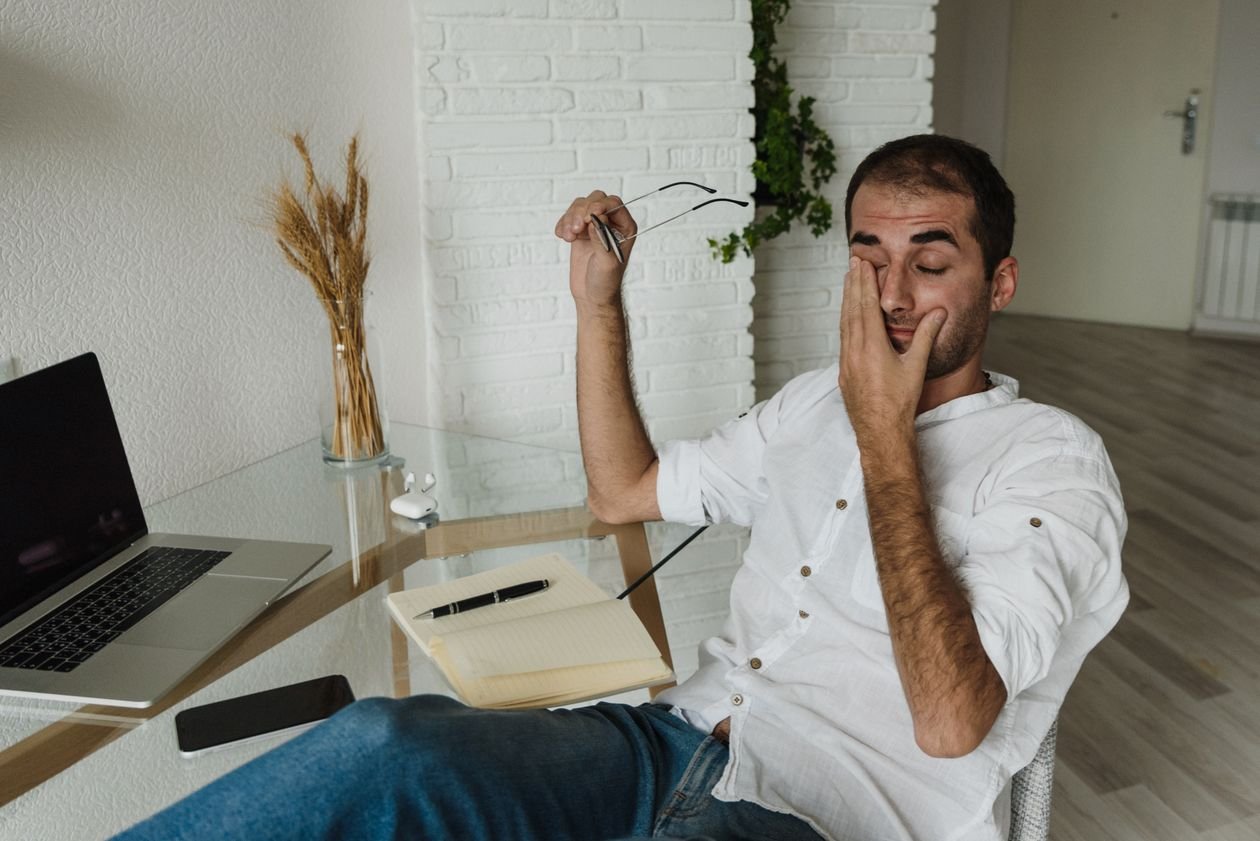
An eyelid that will not stop fluttering can drive you to distraction, especially when it strikes in the middle of a workday or just as you are trying to fall asleep. If you are searching for how to stop eye twitching fast, the good news is that most cases are harmless and settle with simple self care. Doctors call this common eyelid spasm myokymia, and it is usually your body’s way of telling you that you are tired, stressed, over caffeinated or staring at a screen for too long. Below you will find nine practical remedies that can calm a twitching eye quickly, plus the causes behind it, prevention habits and the warning signs that mean you should book a GP appointment.
What Causes Eye Twitching in the First Place
In the vast majority of cases the twitch comes from an overexcited eyelid muscle, the orbicularis oculi, and a short list of everyday triggers. Stress and tiredness sit at the top of that list, which is why twitches love to appear during busy weeks and late nights.
Caffeine is another classic culprit. That third or fourth coffee pushes your nervous system into a more excitable state, and the tiny muscles around your eyes are often the first to show it.
Screen strain plays a growing role. Hours of focused screen time cut your blink rate dramatically, leaving the surface of the eye dry and irritated, which can set off the eyelid muscle.
Dry eyes, dehydration, eye allergies and even a mild magnesium shortfall can all contribute. Certain medicines, including some antihistamines and stimulants, list twitching among their side effects, so it is worth checking the leaflet if your twitch started after a new prescription.

9 Fast Remedies to Stop Eye Twitching
These remedies are ordered roughly from the quickest relief to the longer fixes you can start today. Try them in sequence and give each one a fair chance to work.
1. Apply a warm compress
Soak a clean flannel in warm (not hot) water, wring it out and lay it over your closed eye for five to ten minutes. The warmth relaxes the eyelid muscle and encourages the tiny oil glands along the lid margin to release oils that stabilise your tear film. Many people feel the twitch ease before the flannel cools. Repeat two or three times across the evening if needed.

2. Use lubricating eye drops
If your eyes feel gritty or dry, preservative free artificial tears can calm the irritation that is feeding the twitch. Look for drops labelled for dry eye at Boots or Superdrug; a standard bottle costs around five pounds and lasts for weeks. Tilt your head back, pull the lower lid down gently and let one drop fall in, then blink slowly a few times. Avoid redness relieving drops for this purpose, as they can irritate with repeated use.

3. Follow the 20 20 20 rule
Every twenty minutes, look at something at least twenty feet away for twenty seconds. This simple rhythm resets your blink rate and gives the focusing muscles a rest. Set a quiet timer on your phone until it becomes a habit. If your work keeps you glued to a screen all day, voice dictation can give your eyes a genuine break while you keep working; our guide to using voice typing to write faster walks through the setup step by step.
4. Massage the eyelid gently
With clean hands, use a fingertip to make slow, light circles over the closed eyelid for about thirty seconds. Keep the pressure feather light; the goal is to soothe the muscle, not press on the eyeball. Some people find that alternating this with the warm compress works even better.
5. Cut back on caffeine today
You do not need to quit coffee forever, but halving your intake for a day or two often settles a twitch surprisingly quickly. Swap your afternoon coffee for herbal tea or decaf and skip energy drinks entirely. Many twitch sufferers notice an improvement within forty eight hours of cutting back.
6. Hydrate properly
Dehydration makes nerves more excitable, and the delicate muscles around the eye feel it first. Aim for six to eight glasses of water across the day, more if you have been drinking coffee or sitting in air conditioning. Keep a bottle on your desk so you actually remember.
7. Rest your eyes in darkness
Close your eyes and sit quietly for five minutes in a dim room. No phone, no peeking. This short reset is one of the fastest ways to stop an active twitch, because it removes every visual demand at once. Pair it with slow breathing and you tackle stress and eye fatigue together.
8. Try slow breathing exercises
Stress fuels twitching, so calming your nervous system helps directly. Breathe in through your nose for four counts, hold for four, then breathe out slowly for six. Repeat for two minutes. It sounds almost too simple, but this pattern lowers the muscle tension that keeps the eyelid firing.
9. Check your screen setup
Position your monitor about an arm’s length away with the top of the screen at or just below eye level, and match the brightness to the room around you. Glare from a window behind you forces constant squinting, which tires the eyelid muscles. An overdue eye test can also be the hidden cause; if you are squinting to read, book a check with your optician.
What Not to Do When Your Eye Is Twitching
- Do not rub the eye hard. Vigorous rubbing irritates the surface and can make the spasm worse, besides raising the risk of infection from your hands.
- Do not keep piling on caffeine or energy drinks to push through tiredness; they feed the twitch.
- Do not reach for someone else’s prescription eye drops or steroid drops. Only use plain lubricating drops bought for dry eyes.
- Do not panic and assume the worst. Health anxiety ramps up stress, which is itself a trigger, so staying calm is genuinely part of the treatment.
How to Prevent Eye Twitching in the Long Term
- Keep a consistent sleep schedule. Seven to nine hours of genuine rest is the single best prevention, and a regular bedtime trains your body to wind down. If you are a heavy sleeper who struggles to get up on time, our guide to making your iPhone alarm louder for heavy sleepers can help you protect a steady wake time.
- Build screen breaks into your day, not just during a twitch. The 20 20 20 rule works as a permanent habit, and an evening walk away from all screens helps your eyes recover.
- Manage the big three triggers together: sleep, stress and stimulants. Regular exercise, daylight in the morning and a caffeine cut off after midday make twitches far less likely.
- Stay on top of eye health with an eye test every two years, or sooner if your vision changes.
When to See a GP About Eye Twitching
Most twitches fade within days or a couple of weeks, but book a GP appointment if the twitch lasts more than two weeks, if your eyelid closes fully with each spasm, if twitching spreads to other parts of your face, or if you notice redness, swelling, discharge, vision changes or a drooping eyelid. These signs are uncommon, but they deserve a professional check rather than more home remedies.
The Bottom Line: How to Stop Eye Twitching Fast for Good
To recap, learning how to stop eye twitching fast comes down to calming an overexcited eyelid muscle: a warm compress and lubricating drops for immediate relief, the 20 20 20 rule and proper rest for the underlying strain, and less caffeine, more water and better sleep to stop it coming back. Try the remedies in order, give the quick fixes an hour or two to work, and keep the prevention habits running in the background. In the rare case that the twitch lingers or spreads, your GP can rule out anything more serious and point you toward the right treatment. Your eyes do a remarkable amount of work every day; a twitch is usually just their way of asking for a break.
Frequently Asked Questions
Why does my eye keep twitching?
Usually a mix of tiredness, stress, too much caffeine, screen strain or dry eyes overstimulating the eyelid muscle. Address the triggers above and most twitches settle on their own.
How long does eye twitching normally last?
Most episodes last a few days and stop once you rest and cut back on stimulants. If yours passes the two week mark, see your GP.
Can lack of sleep cause eye twitching?
Yes, it is one of the most common triggers. Even one or two short nights can be enough to start a twitch in sensitive people.
Does magnesium help eye twitching?
There is no strong clinical proof that magnesium supplements stop twitching, but a balanced diet with leafy greens, nuts, seeds and wholegrains supports healthy muscle function. Do not start high dose supplements without speaking to a pharmacist or your GP first.
Is eye twitching a sign of something serious?
Almost never on its own. It becomes worth checking when it lasts for weeks, spreads beyond the eyelid, or comes with vision changes, drooping or weakness; those are the GP triggers listed above.