
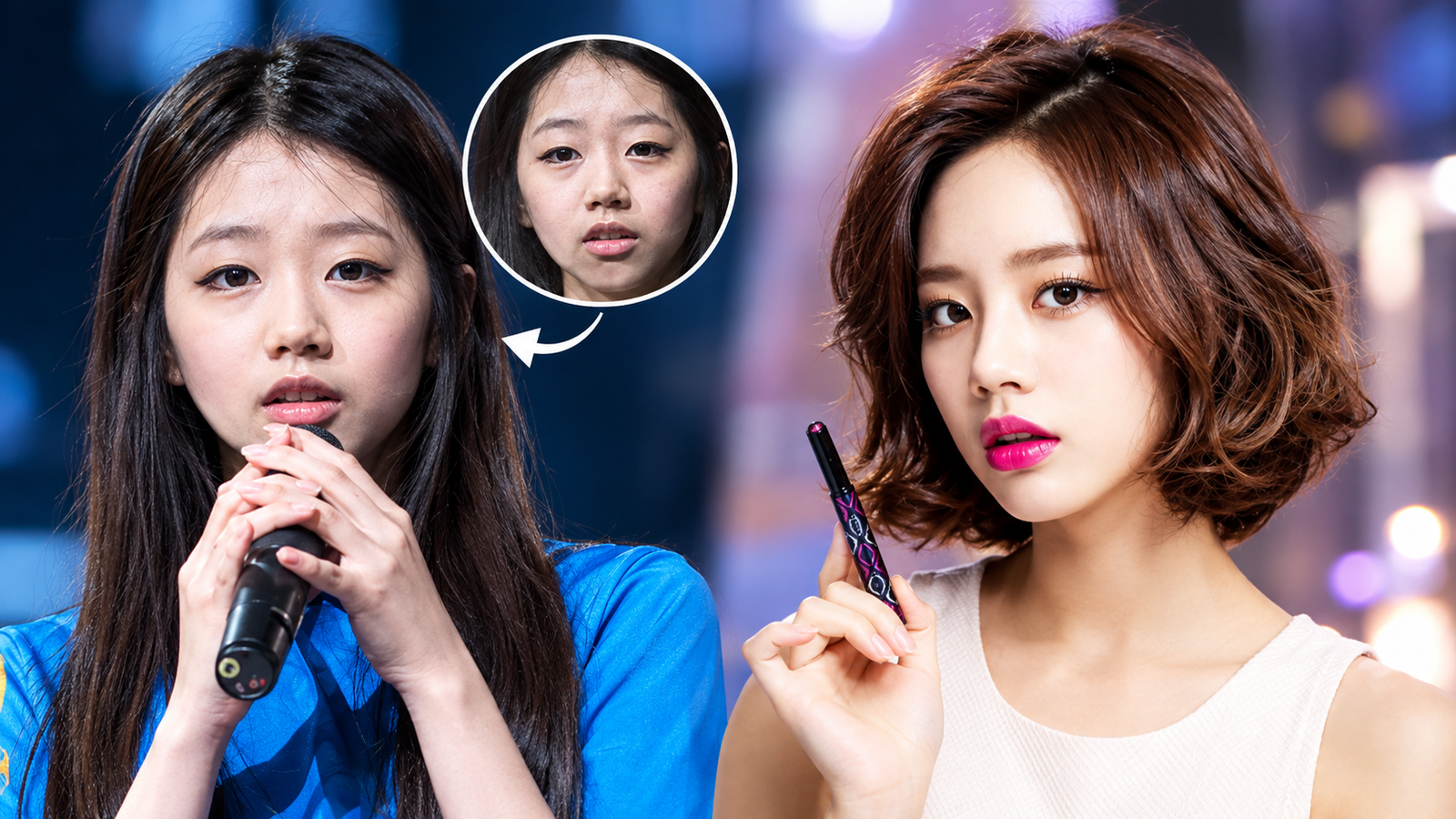
If you have spent any time in K-pop fan communities, you have probably run into a debate that never really goes away. Someone posts a comeback photo, another person points out that a jawline looks different, and within minutes the comment section splits into two camps: those calling it natural growth and those insisting it is surgery. Kpop plastic surgery is one of the most searched, most argued about, and most misunderstood topics in the entire fandom.
This article is not here to speculate about specific faces or play detective with old photos. Instead, it looks at what idols have actually said in their own words, why South Korea has built such a large and normalized cosmetic surgery industry, and what all of this really tells us about the pressures behind the stage lights. By the end, you will understand the difference between confirmed admissions and fan speculation, the most common procedures involved, and why this conversation is shifting in 2026.
Why Kpop Plastic Surgery Is Such a Big Search Topic
Korean pop culture runs on visuals as much as it runs on music. Idols are marketed as complete packages, and appearance is treated as seriously as vocal training or choreography. That intensity naturally spills into how fans talk about idols’ faces over time.
Add to that South Korea’s reputation as a global hub for cosmetic procedures, and it is easy to see why kpop plastic surgery has become shorthand for an entire cultural conversation. It touches on beauty standards, the entertainment industry’s business model, personal choice, and the sometimes uncomfortable relationship between fans and the people they admire.
Most people searching this term fall into one of two groups. Some want to know which specific idols have talked openly about getting work done. Others are curious about the bigger picture: why this is so common in Korea, what procedures are involved, and whether the stigma around it is changing. This article covers both.
The Idols Who Have Openly Talked About Their Procedures
Speculation gets most of the attention online, but a growing number of idols and Korean celebrities have chosen to speak plainly about their own experiences. Their honesty is worth highlighting because it cuts through a lot of the noise.
Jessi
Rapper and solo artist Jessi has been one of the most consistently open voices on this topic. She has discussed rhinoplasty, double eyelid surgery, and other procedures on Korean variety shows, often with humor rather than defensiveness. Her attitude has been summed up in her own blunt logic: she paid for it herself, so there is no reason to hide it.
Kwanghee
Former ZE:A member Kwanghee has built part of his public persona around talking openly about his surgeries. Rather than treating the subject as taboo, he jokes about it on variety programs and has become something of an informal spokesperson for normalizing the conversation in the industry.
Lee Hyori
Veteran singer Lee Hyori has spoken about receiving Botox and trying laser lifting treatments as she got older, framing her choices around the unfair pressure placed on women in entertainment to look permanently youthful. Her honesty adds an important angle that is often missing from younger idols’ stories: the specific pressure of aging in a visually driven industry.
RM of BTS
Not every procedure fits neatly into the beauty category. In 2018, RM underwent surgery to correct a deviated septum, a medical issue affecting his breathing rather than a purely cosmetic choice. His agency addressed it directly at the time, and the calm, matter of fact way it was handled offered a useful contrast to the secrecy that usually surrounds this subject.
Smaller but Meaningful Admissions
Other idols, including members of groups like DAY6 and P1Harmony, have mentioned minor procedures such as filler or corrective treatments during livestreams and fan interactions, often in a casual tone rather than a formal announcement. These smaller, low key admissions may end up doing more to normalize the topic than any dramatic reveal, simply because they treat cosmetic work as an ordinary part of life rather than a scandal.
The Most Common Procedures in Korean Cosmetic Surgery
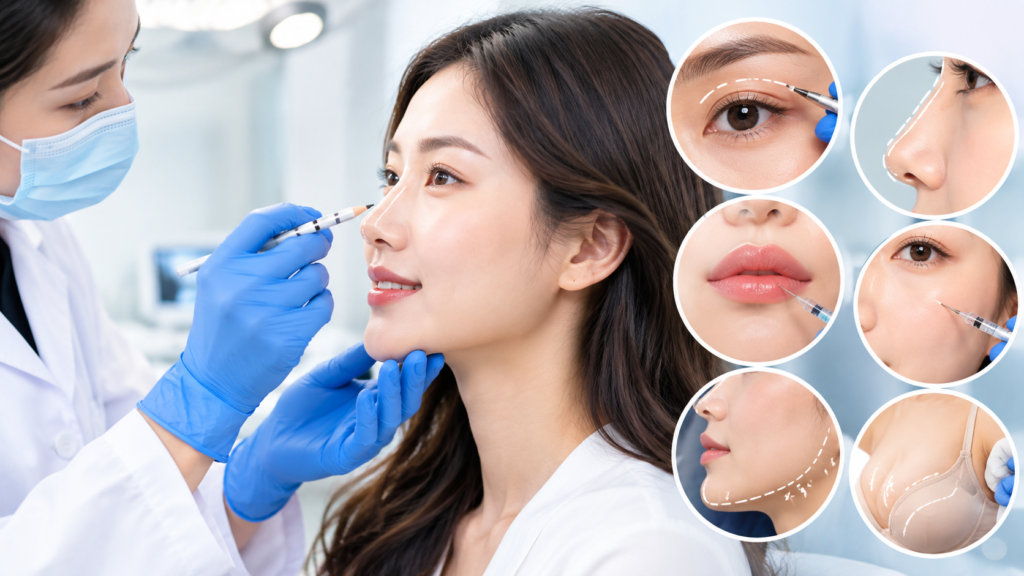
Understanding kpop plastic surgery requires understanding which procedures are actually common in Korea, since the reality is often narrower and more specific than the rumors suggest.
- Double eyelid surgery, also called blepharoplasty, creates a visible crease in the upper eyelid. It is widely considered the most common cosmetic procedure in the country, for both men and women.
- Rhinoplasty reshapes the nose, typically adding height or refining the tip to create a more defined profile.
- V line jaw surgery narrows and reshapes the jawline for a smaller, more tapered lower face, a look strongly associated with Korean beauty standards.
- Facial fillers and Botox are used for subtler, non surgical adjustments such as jaw slimming, cheek volume, or reducing fine lines, and are far more common and less invasive than people often assume.
These procedures show up repeatedly in interviews and admissions precisely because they reflect a specific, recognizable set of beauty ideals rather than a random mix of treatments.
Why South Korea Has Such High Rates of Cosmetic Surgery
South Korea is frequently cited as having one of the highest rates of cosmetic surgery per capita in the world. Seoul’s Gangnam district in particular has become known internationally as a concentrated hub of clinics, sometimes referred to informally as the beauty belt.
Several factors help explain this. Korean society places significant weight on first impressions in professional and social settings, and appearance is often discussed as openly as education or career choices. Cosmetic surgery is also less stigmatized on a general cultural level than in many Western countries, even though attitudes toward celebrities specifically getting it done can be more complicated.
The entertainment industry amplifies all of this. When idols are presented as visual ideals from a young age, and when appearance becomes tied to a company’s marketing strategy, it creates strong incentives, both direct and indirect, for young performers to consider cosmetic adjustments before they ever admit anything publicly.
Rumors Versus Confirmed Surgery: Why the Line Keeps Blurring
One of the biggest problems with how kpop plastic surgery gets discussed online is the constant blending of confirmed facts and pure speculation. Fan theories often rely on comparing debut photos to recent ones, without accounting for weight changes, makeup techniques, contouring, growth during puberty, or simply better lighting and photography over the years.
This matters because unconfirmed claims can follow an idol for years, regardless of whether they are accurate. A responsible way to approach this topic is to separate the two categories clearly:
- Confirmed cases are situations where the idol, their agency, or credible reporting has explicitly acknowledged a procedure.
- Speculated cases are based on fan observation alone, with no public confirmation from the person involved.
Both categories are part of the conversation, but treating them with the same certainty is misleading. Good coverage of this topic should always be transparent about which is which.
The Pressure Behind the Curtain: Trainees, Companies, and Beauty Standards
What often gets lost in the entertainment angle is the very real pressure young trainees face before they ever debut. Some entertainment companies have historically been associated with encouraging trainees to consider cosmetic changes as part of debut preparation, particularly around eyelids, noses, or jawlines.
This is rarely framed as forced surgery. It is usually described more subtly, through comments about camera readiness, comparisons to other trainees, or company feedback during evaluation periods. For a teenager hoping to debut after years of unpaid training, that kind of feedback can feel like an unspoken requirement rather than a suggestion.
This context matters because it shifts the conversation away from simple vanity and toward a more honest discussion about an industry that places enormous value on a narrow visual standard, often before a performer is old enough to fully weigh that decision on their own.
Is the Stigma Actually Fading?
There is a genuine shift happening, even if it is gradual. A decade ago, Korean media often used phrases like accused of surgery when discussing celebrities, language that treated cosmetic work as something shameful to be caught doing.
Today, more idols and public figures are choosing to address it directly, on their own terms, often with humor or simple honesty rather than defensiveness. Jessi’s blunt confidence, Kwanghee’s comedic approach, and RM’s calm medical explanation all represent different versions of the same trend: treating cosmetic procedures as a personal choice rather than a hidden flaw.
Fan reactions have shifted too. Idols who speak openly about their procedures are frequently praised for their honesty rather than criticized, which suggests that at least among younger, more online fan communities, transparency is becoming more valued than secrecy.
What This Means for Fans and Casual Observers

If you are researching kpop plastic surgery out of curiosity rather than judgment, a few practical takeaways can help you engage with the topic more thoughtfully.
- Treat unconfirmed speculation with appropriate skepticism, especially when it is based purely on side by side photo comparisons.
- Recognize that natural aging, weight changes, makeup skill, and even camera technology can dramatically change how someone looks over several years.
- Understand that admitting to a procedure, whether cosmetic or medical, takes a level of openness that not every public figure is comfortable with, and that discomfort deserves respect rather than pressure.
- Remember that the pressure behind these decisions often says more about industry standards than it does about any individual idol.
Approaching the topic this way keeps the conversation grounded in facts rather than gossip, while still acknowledging that this is a legitimate and interesting part of understanding K-pop culture.
Conclusion
Kpop plastic surgery sits at the intersection of celebrity curiosity, cultural context, and industry pressure, which is exactly why it generates so much ongoing conversation. Idols like Jessi, Kwanghee, Lee Hyori, and RM have each approached the subject differently, but their willingness to speak about it openly has done more to shift public perception than years of rumor ever could.
At the same time, it is worth remembering that South Korea’s high rates of cosmetic surgery reflect broader cultural and economic factors, not just choices made by individual celebrities. Double eyelid surgery, rhinoplasty, and V line jaw procedures remain the most common treatments, and understanding them helps separate informed discussion from baseless speculation.
The next time this topic comes up in a fan community or comment section, the most useful thing you can bring to the conversation is not another before and after photo, but a clearer sense of what has actually been confirmed, why the industry creates the pressure it does, and why more idols seem willing to talk about it honestly than ever before.
Frequently Asked Questions
What does kpop plastic surgery actually refer to?
It generally describes the trend of cosmetic procedures, most commonly double eyelid surgery, rhinoplasty, and jaw contouring, that have become closely associated with Korean idols and Korean beauty standards more broadly.
Which K-pop idols have confirmed getting plastic surgery?
Jessi, Kwanghee, and Lee Hyori are among the most openly discussed examples, along with RM of BTS, whose 2018 surgery addressed a medical breathing issue rather than a purely cosmetic goal.
Why is plastic surgery so common in South Korea?
A combination of cultural attitudes toward appearance, a highly developed and competitive cosmetic surgery industry centered in areas like Gangnam, and the entertainment industry’s emphasis on visual presentation all contribute to higher rates of cosmetic procedures compared to many other countries.
Are entertainment companies actually involved in idols getting surgery?
Some companies have been associated with encouraging trainees to consider certain procedures before debut, though this is usually described through feedback and expectations rather than any formal requirement.
Is it fair to speculate about an idol’s plastic surgery based on photos alone?
It is important to treat photo based speculation cautiously, since natural aging, weight changes, makeup techniques, and lighting can all significantly change someone’s appearance without any surgical involvement.