There is a particular frustration that arrives with every empty jam jar. The jar itself is perfect. Thick glass, a solid lid, just the size you need for the sugar or the buttons or the dried lentils. You peel the label, feeling optimistic, and there it is: a sticky grey film of glue that clings to the glass like it has signed a tenancy agreement. Hot water and a scourer barely touch it. This guide shows you how to remove sticky labels from jars UK readers can rely on, with nine tested methods that use things already in the kitchen cupboard. No special solvents, no scratched glass, and no sticky residue left to attract dust.
Why Jar Labels Stick So Stubbornly
Understanding the enemy helps. Most food jar labels use a pressure sensitive adhesive, a glue designed to stay put in damp warehouses and on cold supermarket shelves. Warmth softens it, which is why a label sometimes peels off beautifully on a hot day and fights you in winter. Paper labels are easier because water can soak through the paper to reach the glue. Plastic or coated labels are waterproof, so soaking alone does nothing and you need oil or heat to dissolve the adhesive from the side.
The residue you see after peeling is usually the adhesive layer left behind once the paper tears away. It attracts dust and lint, which is why a jar can look clean, then develop a grubby ring after a week in the cupboard. Getting the glue off completely matters if you plan to store food in the jar, because leftover adhesive can trap crumbs and old moisture.
Before You Start: Peel the Label Properly
Do not reach for a knife or a scourer yet. The first peel decides how much work follows, so it pays to do it well. Fill the jar with very hot water from the tap, not boiling water from the kettle, and leave it standing for two or three minutes. The heat works from the inside out and softens the glue. Then peel slowly from one corner, pulling the label back on itself at a low angle rather than yanking it upwards.
If the label is the plastic kind with a glossy film, pick at the film layer first and peel it off, because it acts as a raincoat that stops water and pastes reaching the glue underneath. Once the bulk of the label is off, you are left with the sticky patch, which is what the methods below are for.
Method 1: The Hot Soapy Water Soak
This is the classic for a reason and it works on most paper labels with water soluble glue. Fill the sink or a washing up bowl with hot water and add a good squirt of washing up liquid. Push the jars down so they are fully submerged and leave them for at least thirty minutes. An hour is better for labels that have been on the jar for years.
After soaking, most of the label should slide off when you rub it with a cloth. For the sticky film that remains, sprinkle a little bicarbonate of soda onto a damp sponge and rub gently in small circles. The bicarb gives just enough gentle abrasion to lift the last of the glue without scratching the glass. Rinse the jar in clean hot water and check it while it is still wet, because residue you can barely see dry will show up clearly under water.
Method 2: The Oil and Bicarbonate Paste
This is the method refill shops and zero waste bloggers swear by, and in testing it beats plain soaking on stubborn glue. Mix one tablespoon of cooking oil, rapeseed or sunflower are ideal, with one tablespoon of bicarbonate of soda and a drop of washing up liquid to form a thick paste. Smear it generously over the sticky patch with your fingers.
Leave the paste for ten minutes. The oil dissolves the adhesive while the bicarb adds mild grit. Then rub with a soft cloth or an old tea towel in gentle circles and watch the glue lift in soft rolls. Rinse under hot water with washing up liquid to cut the oiliness. If a faint tacky spot survives, repeat once more rather than scrubbing harder. Two gentle rounds always beat one aggressive session that leaves the jar cloudy with micro scratches.
Method 3: The Sodium Percarbonate Trick
If you have sodium percarbonate in the house, sold as laundry bleach or oxy powder in most supermarkets, you own the easiest jar label remover there is. Fill the sink with hot water, stir in a generous scoop, and lower the jars in. Then walk away for an hour.
This method feels like a magic trick. The oxygen based cleaner breaks down both paper and adhesive at once, and you will often find the labels floating free in the water when you return. Any faint glue film left behind wipes away with a cloth. Rinse thoroughly before using the jar for food. It is also brilliant for batches, so if you have a whole shelf of jars to process, this is the method to choose.
Method 4: The Hairdryer Trick
For jars you cannot easily soak, or when you only have one label to shift, heat is your friend. Plug in a hairdryer and set it to a medium heat. Hold it a few centimetres from the label and move it slowly across the surface for about two minutes. The adhesive softens and the label peels away in one piece more often than you would expect.
Work on the edges first, lifting a corner with a fingernail or an old loyalty card, then keep the heat on the glue line as you pull. If a thin film of glue stays behind, a dab of cooking oil on a cotton pad removes it. This method leaves no water mess and is ideal for jars with metal lids you do not want to rust.
Method 5: White Vinegar and Warm Water
White vinegar deserves its place in the cleaning cupboard. Mix equal parts white vinegar and warm water in a bowl and stand the jar in it, sticky side down, for twenty minutes. The mild acid loosens water based adhesives surprisingly well. For a stronger effect, soak a cloth in undiluted white vinegar, press it onto the residue, and leave it for ten minutes before rubbing.
Vinegar has a second benefit. After the glue is gone, a quick wipe with white vinegar leaves the glass streak free and sparkling, which is why this method pairs so well with a final rinse. The smell fades as the jar dries, so your rice will not taste of chip shop.
Method 6: Lemon Juice for Light Residue
For faint stickiness rather than a full glue patch, a lemon does the job. Cut a lemon in half, squeeze the juice over the sticky area, and sprinkle on a little fine salt. Leave it for five minutes, then rub with the cut side of the lemon in gentle circles. The citric acid dissolves light adhesive and the salt gives gentle abrasion. Rinse well.
This is a lovely method for wine bottles and sauce jars where only a whisper of glue remains after the main label came off cleanly. It smells pleasant too, which is more than can be said for most cleaning jobs.
Method 7: Rubbing Alcohol or a Splash of Vodka
Rubbing alcohol, sold cheaply at chemists, dissolves many synthetic adhesives that laugh at water and oil. Dampen a cotton pad, press it on the residue for a minute, then rub. The glue usually melts away almost immediately. A splash of cheap vodka works in the same way if you have a dusty bottle at the back of the cupboard.
Use this in a ventilated room and keep it away from flames, as you would with any alcohol. Rinse the jar well afterwards. This method is particularly good on the clear plastic labels used on posh condiments and craft beer bottles.
Method 8: The Dishwasher Tablet Soak
A single dishwasher tablet can rescue a badly glued jar. Cover the bottom of the jar with a little hot water, drop in half a tablet, and leave it for an hour. The enzymes in the tablet are designed to break down food residue and they make short work of label glue too. For the outside of the jar, dissolve a tablet in a bowl of hot water and soak as normal.
This is a handy trick for sticky lids as well. Metal lids often have glue under the label that rusts if soaked too long in plain water, but the tablet solution works faster so the lid spends less time wet. Dry lids thoroughly straight away to keep them rust free.
Method 9: The Freezer Trick for Stubborn Spots
Sometimes cold succeeds where heat fails. Pop the clean, empty jar in the freezer for two hours. Some adhesives turn brittle when frozen and can be flicked off with a fingernail or a plastic card once the jar comes out. Let the jar return to room temperature before filling it with hot water, since a big sudden temperature change can crack glass.
This method rarely works alone on a full label, but it is excellent for the last stubborn flecks that survive every other method. Think of it as the finishing move rather than the main event.
Rinse Away the Oily Film
Whichever method you choose, finish properly. Oil based methods leave a film that will go rancid if ignored, and paste methods leave a fine bicarb dust in the corners. Wash every jar in hot water with washing up liquid, scrub the rim and the thread where the lid screws on, and rinse until the water runs clear and the glass squeaks.
Hold the jar up to the light and look through it. Any remaining residue shows up as a dull patch against the shine. If you spot one, a quick rub with a vinegar dampened cloth finishes it. Dry jars upside down on a clean tea towel so no water spots form inside.
What to Avoid
A few common approaches do more harm than good. Metal scrapers and razor blades scratch glass, and the scratches then trap grime forever. Steel wool has the same problem and can leave tiny metal flecks that rust. Boiling water straight from the kettle poured into a cold jar can crack it, especially thinner glass, so stick to hot tap water.
On plastic jars and tubs, skip the acetone and nail polish remover, which can melt or cloud the plastic. Go easy with citrus oils on printed designs or painted lids, because they can lift colour. And never mix cleaning products, particularly anything containing bleach, with vinegar or other acids.
Put Your Clean Jars to Work
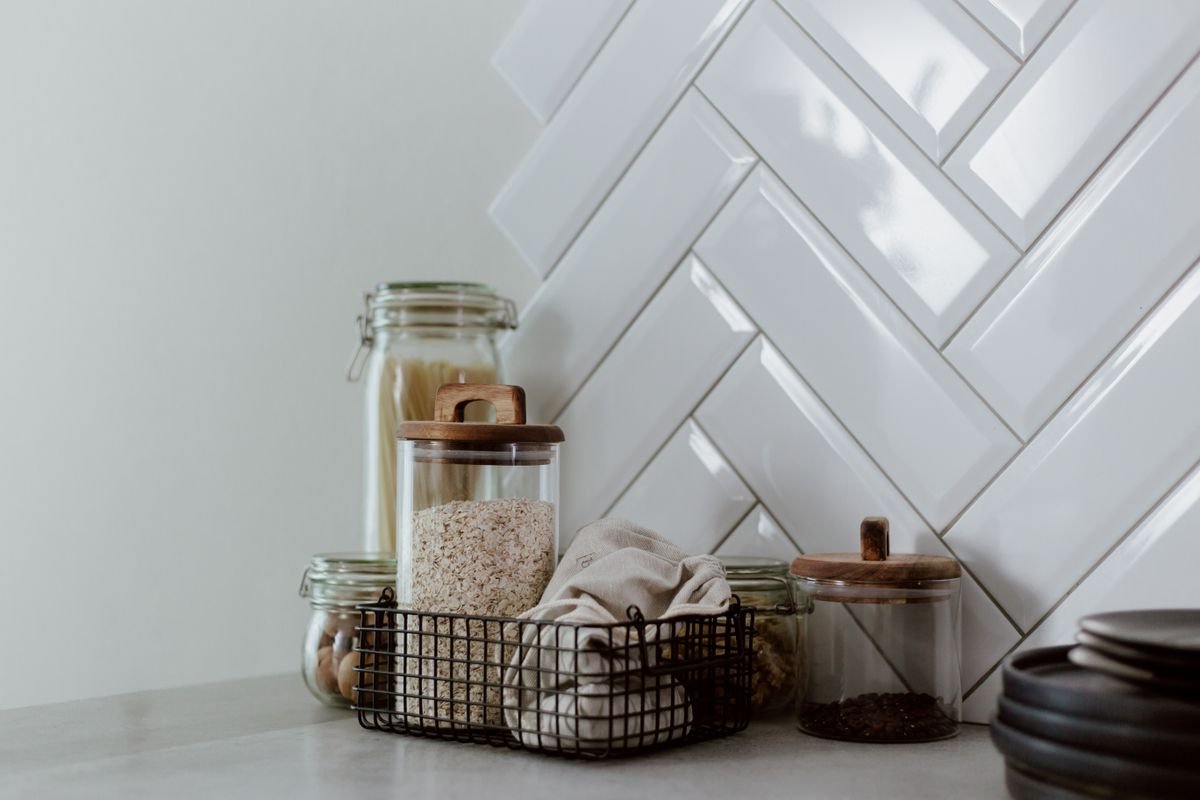
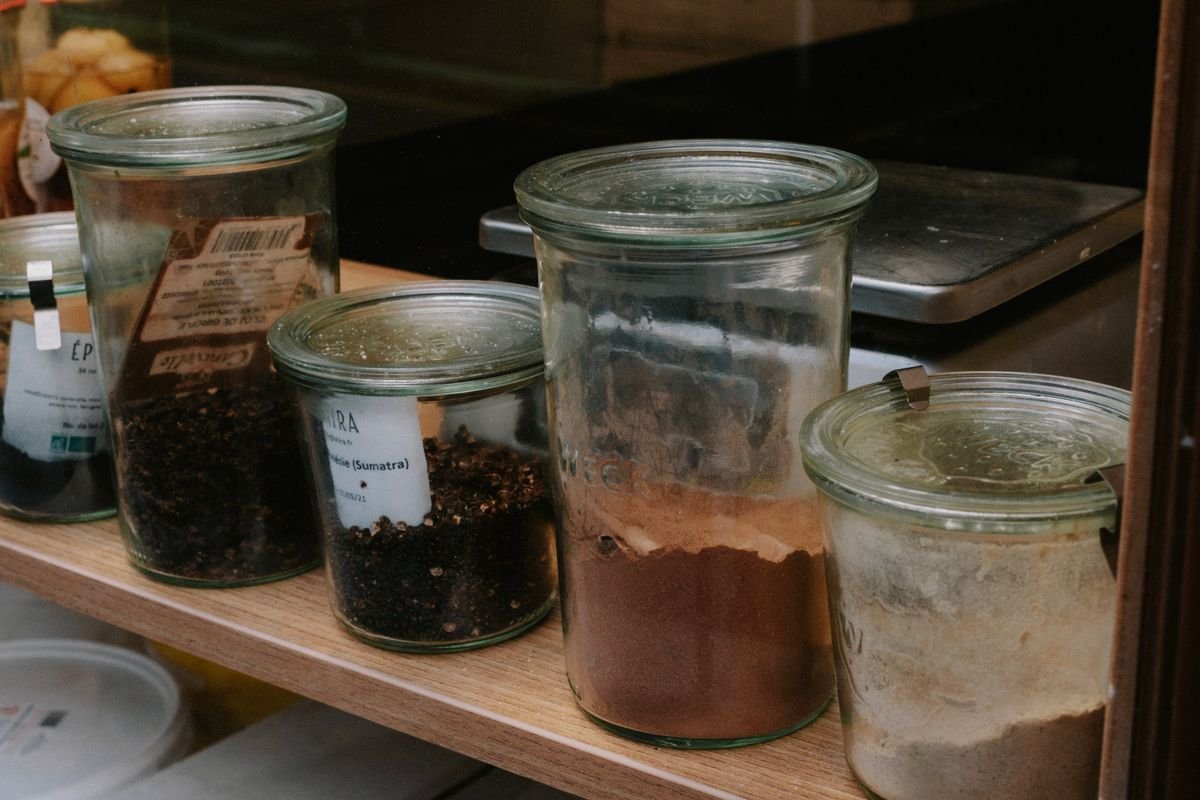
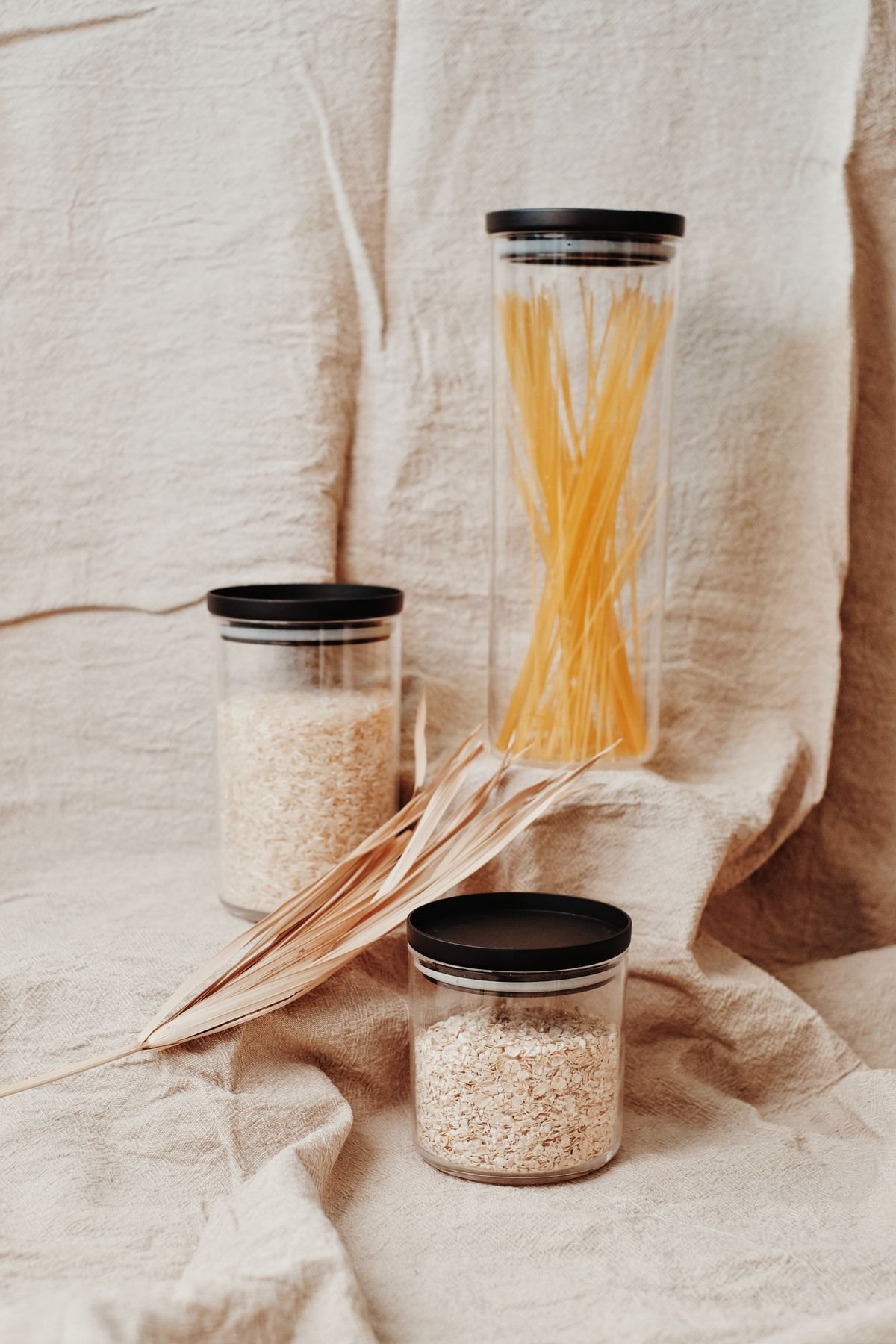
Once the glue is gone, a clean glass jar is one of the most useful objects in the house. Decant dried pasta, rice and lentils into jars and you can see at a glance what needs replacing, which cuts food waste and stops you buying a third bag of basmati. Small jars are perfect for buttons, screws, hair grips and the mysterious drawer of batteries. If a spare room clearout has left you with craft supplies or odds and ends, labelled jars turn the chaos into something that looks intentional.
Organisation is a habit that transfers. The same mindset that sorts a shelf of jars works on the rest of the house, and a simple system for keeping things findable saves the same daily hunting on your computer as clean jars do in the kitchen. Start with the jars and let the tidiness spread.
Frequently Asked Questions
Can I put sticky label jars in the dishwasher to remove the glue?
A dishwasher cycle will remove paper labels but the glue often survives, and the soggy paper can clog the filter. Soak jars by hand first, then run them through the dishwasher for a final sanitising wash.
How do I remove labels from plastic jars without damaging them?
Use the oil and bicarbonate paste and a soft cloth, with gentle pressure. Avoid acetone, nail polish remover and metal tools, which scratch or cloud plastic. Heat from a hairdryer on a low setting is also safe.
Why does the glue keep coming back after I wash the jar?
It is not coming back. A thin invisible layer of adhesive survived the first wash, then attracted dust and lint that made it visible. Rub the patch with oil or vinegar and wash again in hot soapy water.
Is it safe to store food in a jar that had a label on it?
Yes, once all adhesive is removed and the jar is washed in hot soapy water and rinsed well. Glass is non porous, so nothing from the label migrates into the glass itself.
What is the fastest method if I only have one jar?
The hairdryer trick takes about five minutes from start to finish with no soaking and no mess, making it the fastest option for a single jar. For a batch of jars, the sodium percarbonate soak wins on total effort.
The Takeaway on How to Remove Sticky Labels From Jars
Learning how to remove sticky labels from jars UK kitchens produce in such numbers comes down to matching the method to the glue. Hot soapy water handles most paper labels, the oil and bicarbonate paste defeats stubborn adhesive, sodium percarbonate clears whole batches with almost no effort, and the hairdryer trick is fastest for a single jar. Avoid metal tools, sudden temperature shocks and harsh solvents, finish with a proper hot wash, and check the glass against the light before you call it done. Do that and every empty jar becomes free, beautiful storage instead of recycling bin fodder.