
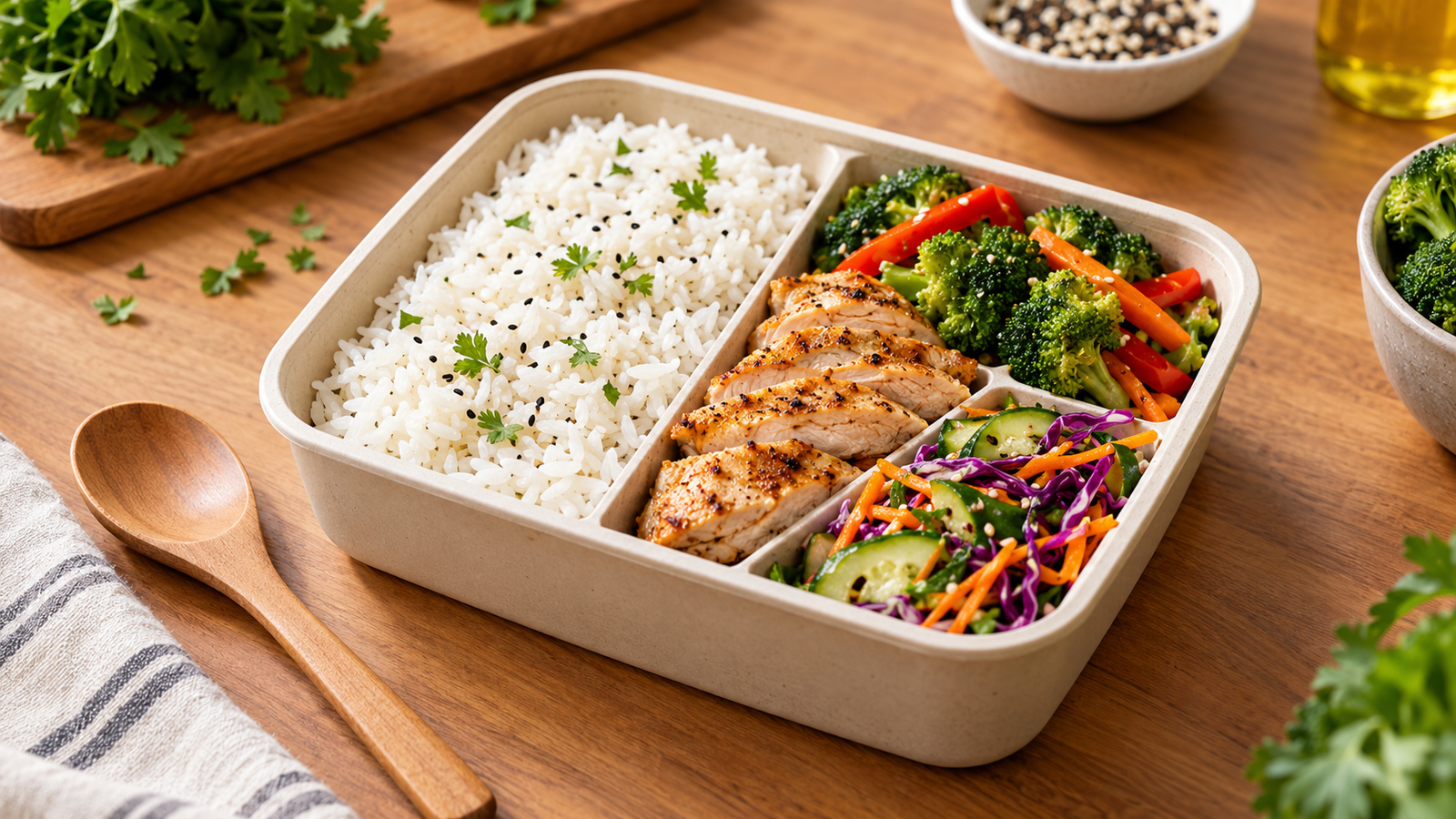
If you typed “rice box” into a search bar, you probably want one of two things. Either you are hungry and looking for a restaurant, or you are wondering what a rice box actually is and whether you can make a better one yourself.
This guide is for the second group. It explains what a rice box is, what usually goes inside, how it compares to similar meals, and how to build one at home that tastes as good as takeout without the heavy oil and salt. Along the way, you will get practical recipes, storage advice, and a few kitchen habits that make a real difference.
What Exactly Is a Rice Box?
A rice box is a portioned meal built on a base of rice, topped with a protein, vegetables, and a sauce, and packed into a single container. The term is informal, so it means slightly different things depending on where you hear it.
The takeout version
In many places, a rice box is the classic Chinese takeout meal. Steamed or fried rice sits on one side of a carton or plastic tray, while a saucy dish such as General Tso’s chicken, sesame chicken, or beef and broccoli sits on the other. It is fast, filling, and built for eating on the go.
The restaurant name
Rice Box is also the name of several restaurants across the United States, including well known spots in Houston, Texas. If you were searching for a menu or opening hours, that is likely why the results looked so local.
The homemade lunch version
At home, a rice box is closer to a meal prep container. You cook rice once, prepare a protein and some vegetables, add a sauce, and portion everything into boxes for the week. This is the version this guide focuses on, because it gives you the most control over flavor, cost, and nutrition.
Rice Box vs Bento vs Rice Bowl
These terms overlap, and people mix them up often. Here is a quick way to tell them apart.
A bento is a Japanese packed meal with several small, separate compartments. It usually includes rice, a protein, pickles, and small side dishes arranged with care. Presentation matters as much as taste.
A rice bowl is served in a deep bowl, with toppings sitting directly over the rice. Think of poke, donburi, or a burrito bowl. It is usually eaten right away.
A rice box sits between the two. It is more casual than a bento and more portable than a rice bowl. The sauce often coats the protein and rice together, which makes it hearty and satisfying rather than delicate.
None of these labels is strict. What matters is whether the meal is balanced, easy to carry, and enjoyable to eat.
What Goes Inside a Typical Rice Box
Every good rice box has five parts. When one is missing or unbalanced, the meal feels off.
1. The rice
This is the foundation. Jasmine rice is fragrant and slightly sticky, which makes it a favorite for saucy dishes. Long grain white rice stays fluffy and works well for fried rice. Brown rice adds fiber and a nutty chew, though it takes longer to cook.
2. The protein
Chicken, beef, pork, shrimp, tofu, and eggs are all common. The best choice depends on how you plan to cook it and how long the box needs to stay fresh.
3. The vegetables
Broccoli, carrots, bell peppers, snap peas, cabbage, and bok choy hold up well to high heat. They add color, crunch, and nutrients that a plain rice and meat combination lacks.
4. The sauce
Sauce ties everything together. Soy sauce, garlic, ginger, rice vinegar, sesame oil, and a touch of sweetness are the backbone of most flavors.
5. The finishing touch
A sprinkle of sesame seeds, sliced green onion, chili flakes, or a wedge of lime lifts a plain box into something memorable. This step takes ten seconds and changes the whole experience.
The Nutrition Reality Behind Takeout
A restaurant rice box is delicious, but it is also easy to overdo. Portions tend to be large, and the rice is often fried in oil. Sweet sauces add sugar, and soy based sauces add a lot of sodium.
Depending on the portion and the dish, a single takeout box can reach 800 to 1,200 calories. That is not a reason to avoid it. It simply explains why so many people want a version they can adjust.
Making your own lets you change three things easily: the amount of oil, the amount of sugar in the sauce, and the ratio of vegetables to rice. Even small shifts add up over a week.
How to Build a Better Rice Box at Home
Here is a simple method you can use with almost any ingredients. It takes about 35 minutes and makes four boxes.
Step 1: Cook the rice properly
Rinse your rice in cold water until the water runs mostly clear. This removes surface starch and prevents gummy grains. For jasmine rice, use about one cup of rice to one and a quarter cups of water. For brown rice, use roughly one to two.
Bring it to a boil, cover, reduce the heat to low, and cook until the water is absorbed. Then let it rest, covered, for ten minutes. That resting time is what gives you fluffy, even rice.
Step 2: Prepare the protein
Cut about one pound of chicken thigh, beef, or firm tofu into bite size pieces. Pat them dry, because moisture prevents browning. Season lightly with salt, pepper, and a teaspoon of cornstarch, which helps the surface crisp and hold onto sauce.
Cook in a hot pan with a small amount of oil until browned. Chicken should reach 165°F (74°C) inside. Set it aside.
Step 3: Cook the vegetables quickly
Use the same pan. Add your vegetables and stir fry them over high heat for three to five minutes. You want them tender but still crisp. Overcooked vegetables turn soft in the container and release water into the rice.
Step 4: Make a simple sauce
This ratio works for four boxes and is easy to adjust:
- 4 tablespoons soy sauce
- 1 tablespoon honey or brown sugar
- 1 tablespoon rice vinegar
- 1 teaspoon sesame oil
- 2 cloves garlic, minced
- 1 teaspoon grated ginger
- 1 teaspoon cornstarch mixed with 2 tablespoons water
Return the protein to the pan, pour in the sauce, and stir for about a minute until it thickens and coats everything.
Step 5: Assemble
Spoon rice into each container, then add the protein and vegetables on top or beside it. Keeping the sauce mostly on the protein prevents the rice from becoming soggy. Add your finishing touch just before eating.
Three Rice Box Ideas Worth Repeating
Once you know the method, you can swap ingredients freely. These three combinations are reliable starting points.
Honey garlic chicken box
Use chicken thighs, broccoli, and carrots with the sauce above. It is sweet, savory, and popular with kids and adults. Add a soft boiled egg on the side for extra protein.
Sesame ginger tofu box
Press extra firm tofu for 15 minutes, cube it, and pan fry until golden. Pair it with snap peas and red pepper. Increase the ginger in the sauce and finish with toasted sesame seeds. This version is fully plant based.
Beef and broccoli box
Slice flank steak thinly against the grain and sear it fast over high heat. Add broccoli and a slightly richer sauce with extra garlic. This one tastes closest to the takeout classic.
Meal Prep and Food Safety
Rice deserves a little extra care. Cooked rice can carry a bacteria called Bacillus cereus, which survives cooking and multiplies when rice sits at room temperature. The fix is simple.
Cool your rice within about an hour of cooking. Spread it in a shallow layer so it chills quickly, then refrigerate it in a sealed container. Food safety guidance varies by country. The NHS in the United Kingdom suggests eating refrigerated rice within one day, while US guidance for cooked leftovers generally allows three to four days. A cautious approach is to eat your rice boxes within one to two days.
When reheating, make sure the food is steaming hot all the way through, and reheat it only once. If you want to prepare boxes for the whole week, freeze half of them right away and thaw them overnight in the fridge.
A splash of water over the rice before microwaving brings back softness. Cover the container loosely so steam can circulate.
Dietary Variations
A rice box adapts easily to different needs.
- Gluten free: Replace soy sauce with tamari or a labeled gluten free soy sauce, and check the cornstarch and any premade sauces.
- Low carb: Use half rice and half cauliflower rice, or double the vegetables.
- High protein: Add an extra egg, edamame, or a larger portion of chicken or tofu.
- Lower sodium: Use reduced sodium soy sauce and build flavor with garlic, ginger, lime juice, and chili instead.
- Vegan: Use tofu or chickpeas, swap honey for maple syrup, and skip any egg.
Common Mistakes to Avoid
Most disappointing rice boxes come down to a few small errors.
Skipping the rinse leads to sticky, clumped rice. Adding sauce to everything before packing makes the rice waterlogged by lunchtime. Crowding the pan steams the protein instead of browning it, which costs you flavor. And packing food while it is still hot traps steam in the container and softens everything.
Let the food cool for a few minutes before closing the lid. It keeps textures better and is safer too.
Ordering a Smarter Rice Box at a Restaurant
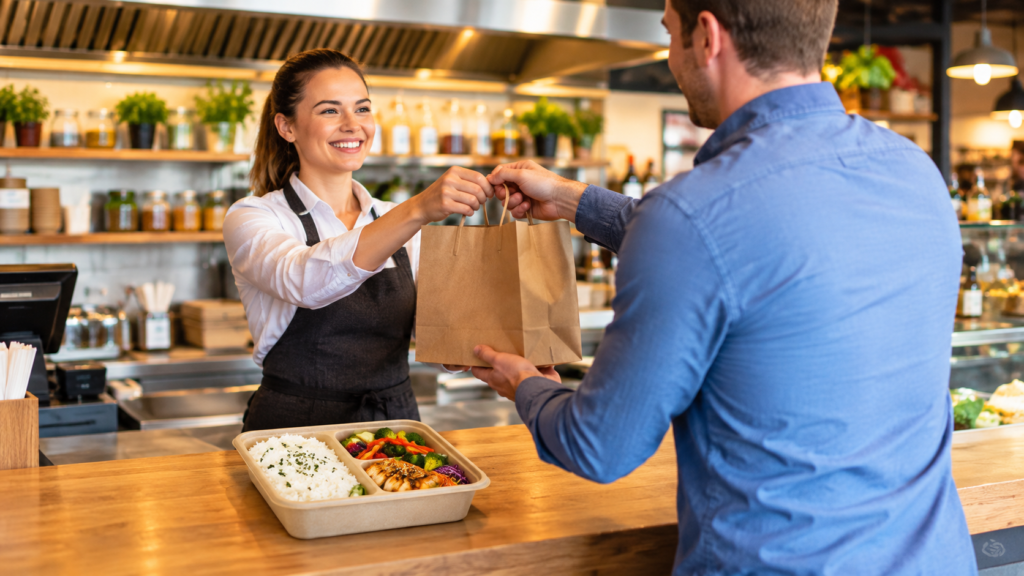
Sometimes you just want takeout, and that is perfectly fine. A few small requests make a restaurant rice box lighter without losing the fun.
Ask for sauce on the side so you control how much goes on. Swap fried rice for steamed rice, or ask for half and half. Request extra vegetables, and choose grilled, steamed, or lightly stir fried dishes over deep fried ones. If the box is large, save half for the next day.
Conclusion
A rice box is simple in concept and flexible in practice. Whether you grab one from a takeout counter or pack one in your own kitchen, the formula stays the same: good rice, a satisfying protein, crisp vegetables, and a sauce that ties it all together.
Building your own gives you control over ingredients, cost, and nutrition. Start with the basic method, rinse your rice, keep the sauce off the grains until serving, and cool leftovers quickly. Once those habits feel natural, you can experiment with new flavors every week.
FAQ
What is a rice box?
A rice box is a portable meal made of rice, a protein, vegetables, and sauce, packed in one container. The term commonly refers to Chinese takeout meals or homemade lunch boxes.
Is a rice box healthy?
It can be. Restaurant versions are often high in oil, sugar, and sodium, but a homemade rice box with lean protein, plenty of vegetables, and a measured sauce is balanced and filling.
How long does a rice box last in the fridge?
Store it in a sealed container and eat it within one to two days to be safe. Some guidance allows up to four days, but rice is best consumed sooner.
Can I freeze a rice box?
Yes. Cool it quickly, freeze it in an airtight container, and thaw it overnight in the fridge. Reheat until steaming hot throughout.
What is the difference between a rice box and a bento?
A bento is a Japanese meal with separate compartments and careful presentation. A rice box is more casual, with the protein and sauce usually served together over or beside the rice.