

An unpaid invoice is one of the most frustrating parts of running a small business in the UK. You have done the work, delivered it to a good standard, sent a clear invoice, and then nothing. The due date passes, the silence grows, and you start wondering whether chasing the money will damage the relationship. Learning how to chase unpaid invoices UK wide is an essential skill for freelancers, contractors and small business owners, and the good news is that the law is firmly on your side. This guide walks you through a polite but firm process that gets results, from the first gentle reminder all the way to the small claims court.
Why Invoices Go Unpaid (and Why It Is Rarely Personal)
Most late payments are not acts of malice. In many cases your invoice is sitting in a finance inbox waiting for the next payment run, or it went to the wrong person entirely. Understanding the common reasons helps you respond calmly instead of taking it personally.
The most frequent cause is simple administration. Your contact may have left the company, changed email addresses, or forgotten to pass the invoice to accounts. Another common reason is that the client genuinely did not realise the invoice was due, especially if your payment terms were buried at the bottom of the document.
Sometimes the delay is deliberate but still not personal. Larger companies often prioritise their own cash flow and pay suppliers as late as they think they can. A few clients are testing whether you will actually chase them. Either way, a structured process for how to chase unpaid invoices UK businesses can rely on will solve the vast majority of cases.
What UK Law Says About Late Payment
The Late Payment of Commercial Debts (Interest) Act 1998 is one of the strongest tools a small business has. It applies to business to business transactions and gives you the right to charge statutory interest on overdue invoices, plus fixed compensation for your debt recovery costs.
Statutory interest is set at 8% above the Bank of England base rate and starts accruing from the day the invoice becomes overdue. On top of that, you can claim a fixed sum of £40 for debts up to £999.99, £70 for debts from £1,000 to £9,999.99, and £100 for debts of £10,000 or more. You do not need to have mentioned these rights in your contract for them to apply.
These rights matter even if you never charge a penny of interest. Simply mentioning in writing that statutory interest is now accruing is often enough to move your invoice to the top of the payment pile. Clients who ignore polite reminders tend to pay attention to legal language.
Set Up Your Invoices So Clients Pay on Time
Good chasing starts before the invoice is even sent. Small changes to how you invoice can dramatically reduce the number of payments that go late in the first place.
Always state your payment terms clearly on the invoice itself, not just in your terms and conditions. Write something like “Payment due within 14 days of the invoice date” where the client cannot miss it. Include your bank details or payment link directly on the invoice so there is no friction when the client decides to pay.
Send the invoice to the right person. When you start a project, ask your client who handles payments and get their direct email address. Sending invoices to a general contact or to the person who commissioned the work is a common cause of delay. Also keep copies of every invoice you send along with proof of delivery, since accurate records protect you if a dispute ever arises.
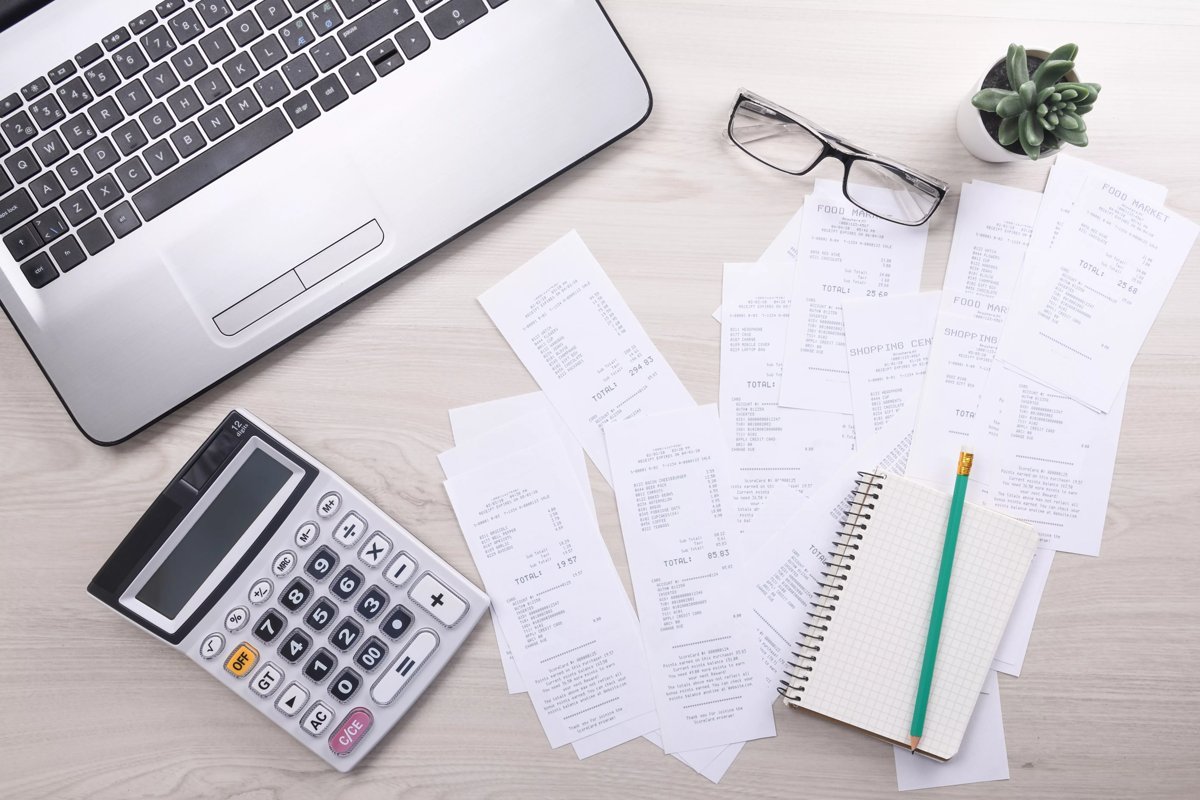
Consider requiring a deposit for new clients, especially on larger projects. A 30% or 50% deposit before work begins filters out clients who were never serious about paying and reduces your exposure if something goes wrong later.
How to Chase Unpaid Invoices in the UK: A 7 Step Timeline
The key to chasing successfully is escalation. Start soft, stay professional, and gradually turn up the pressure. Rushing to legal threats on day one burns relationships, while waiting months makes you look like you do not care about your own money. Here is a timeline that strikes the right balance.
Step 1: Send a Gentle Reminder Before the Due Date
A day or two before the invoice is due, send a short friendly email. You are not chasing yet, just confirming the invoice landed safely and reminding them of the date. This feels like good service rather than pressure, and it gives the client a chance to flag problems early.
A simple message works best. Mention the invoice number, the amount and the due date, and ask them to confirm it is scheduled for payment. If there is an admin error, this is the moment it gets caught.
Step 2: Chase Politely on the First Day Overdue
Once the due date passes, follow up the same day or the next morning. Keep your tone warm and assume the delay is an oversight. Ask for a specific payment date rather than a vague update, because a concrete date is much harder to dodge.
This is also the moment to check your own records. Confirm the invoice went to the correct email address and that it includes everything the client needs, such as a purchase order number. A surprising number of “late” invoices turn out to be invoices the client never received.
Step 3: Pick Up the Phone
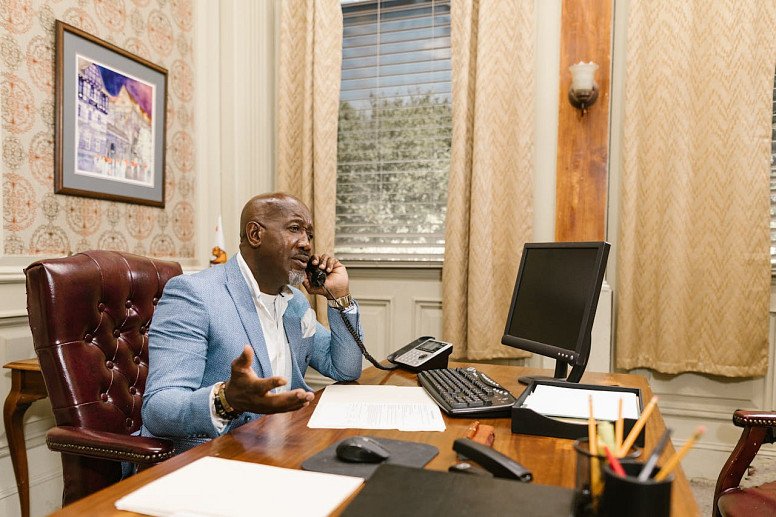
If two or three polite emails have gone unanswered, it is time to call. Emails are easy to ignore, but a real human voice is not. A short, professional call often reveals what is actually going on, whether that is an internal approval backlog, a disputed line item, or simply a busy finance team.
Before you call, have the invoice number, the amount and the due date in front of you. Ask directly when payment will be made and note down what the client says, including the name of the person you spoke to. If they promise a payment date, send a quick email afterwards confirming what was agreed so you have it in writing.
Step 4: Send a Firmer Written Notice at Seven Days Overdue
At a week overdue, change your tone from friendly to professional and direct. State the invoice number, the amount, the original due date and the number of days overdue. Request payment within a specific timeframe, such as 48 hours, and say you will escalate further if it is not received.
Copy in a second contact at the client if you can, such as the person who commissioned the work. Accounts departments respond faster when the internal sponsor is aware of the problem.
Step 5: Issue a Formal Notice With Statutory Interest at Fourteen Days
Two weeks overdue is the point to bring in the law. Send a formal notice stating that statutory interest under the Late Payment of Commercial Debts (Interest) Act 1998 is now accruing at 8% above the Bank of England base rate, and that the fixed sum compensation also applies. Attach a fresh copy of the invoice showing the interest added.
Keep the tone businesslike, not angry. You are simply informing the client of their legal position. In practice, this letter resolves a large share of stubborn cases, because it signals that you know your rights and will enforce them.
Step 6: Send a Final Demand Letter
If the formal notice does not work, send a letter before action. This is a final demand stating the total amount owed, including interest and compensation, and giving the client a deadline, typically 14 days, to pay before you begin legal proceedings. This letter is a legal requirement before you can start a court claim, so treat it seriously.
Send it by recorded delivery or another trackable method so you can prove it was received. Many freelancers find that a solicitor’s letterhead at this stage produces payment within days, and several solicitors offer a fixed fee letter service that costs less than the debt is worth.

Step 7: Take the Debt to the Small Claims Court
For debts up to £10,000 in England and Wales, you can use Money Claim Online, the government’s online service for starting a county court claim. You do not need a solicitor, and the court fees start at £35 for small claims and rise with the amount owed.
Before you file, make sure you have kept every email, call note and copy of the invoice, because this paper trail is your evidence. In many cases the claim itself is never heard, because receiving official court papers is enough to make the client pay. If the claim does go ahead, the process is designed to be manageable without legal training.
Copy and Paste Email Templates for Every Stage
Knowing what to write is half the battle. These templates follow the escalation timeline above. Replace the details in brackets with your own.
Gentle pre due reminder: “Hi [name], I hope you are well. I wanted to check that invoice [number] for £[amount], due on [date], has reached the right person for payment. Please let me know if you need anything else from me.”
Polite first chase: “Hi [name], just a quick nudge on invoice [number] for £[amount], which was due on [date]. Could you please confirm the date payment is scheduled? Many thanks.”
Firmer notice: “Hi [name], invoice [number] for £[amount] is now [X] days overdue, with payment originally due on [date]. Please arrange payment within 48 hours. If I do not receive payment or a confirmed payment date by then, I will escalate this matter further.”
Statutory interest notice: “Dear [name], invoice [number] for £[amount] remains unpaid [X] days after the due date of [date]. Please be advised that statutory interest is now accruing under the Late Payment of Commercial Debts (Interest) Act 1998 at 8% above the Bank of England base rate, together with fixed compensation for debt recovery costs. A revised statement is attached. I require payment within 7 days.”
What to Do When a Client Simply Refuses to Pay
A small number of clients will not pay no matter how politely you chase. If the debt is genuine and the client has the money, you have options beyond writing it off.
A debt collection agency can take over the chasing for you, usually for a percentage of what they recover. This is worth considering if the debt is large enough to justify the fee and you want to move on. Check reviews carefully and agree the fee structure in writing before you hand anything over.
For smaller debts, the small claims court remains your best route. Even a county court judgment that goes unpaid is a matter of public record, which gives most businesses a strong reason to settle before it gets that far. Throughout all of this, continue to track your incoming payments alongside your outgoings so overdue invoices never slip through unnoticed in the first place.
How to Stop Late Payments Happening Again
Once you have resolved the current problem, tighten your processes so it happens less often. Prevention is far cheaper than chasing.
Run a quick credit check on new clients before starting large projects, especially limited companies where accounts are publicly available. Agree payment terms in writing before work begins, and make your terms a normal part of onboarding rather than an awkward afterthought.
Invoice promptly. Work invoiced the same week it is completed gets paid faster than work invoiced a month later, partly because it is fresh in the client’s mind and partly because it signals that you take payment seriously. Set a weekly routine for reviewing unpaid invoices so nothing drifts past 30 days without action. If the volume of admin is growing beyond what you can handle alone, it may be time to think about hiring someone to help with admin and credit control.
Conclusion: Key Takeaways for Getting Paid on Time
Knowing how to chase unpaid invoices UK businesses actually respond to comes down to process, not confrontation. Start with a friendly reminder before the due date, escalate gradually from polite emails to a phone call, then to written notices that reference your statutory rights. The Late Payment of Commercial Debts (Interest) Act 1998 gives you real leverage through statutory interest and fixed compensation, and mentioning it in writing resolves most stubborn cases. For the rare client who still will not pay, the small claims court offers a low cost route to recovery. Keep your invoicing tight, your records complete and your follow up consistent, and late payments will become a minor annoyance instead of a threat to your cash flow.
Frequently Asked Questions
How long should I wait before chasing an unpaid invoice in the UK?
Send a gentle reminder a day or two before the due date, then chase politely as soon as it becomes overdue. Most payment problems are admin errors, and catching them early stops small delays turning into long ones.
Can I charge interest on a late invoice in the UK?
Yes. Under the Late Payment of Commercial Debts (Interest) Act 1998 you can charge statutory interest at 8% above the Bank of England base rate from the day the invoice becomes overdue, plus fixed compensation of £40, £70 or £100 depending on the size of the debt.
What is the best first step when a client ignores my invoice?
Pick up the phone. Emails are easy to ignore, but a short professional call often reveals the real reason for the delay and gets you a concrete payment date you can hold the client to.
Should I use a debt collection agency for unpaid invoices?
It can make sense for larger debts where the agency’s percentage fee is justified. For smaller amounts, a formal statutory interest notice followed by a small claims court claim is usually cheaper and just as effective.
How do I take a client to the small claims court for an unpaid invoice?
In England and Wales you can start a claim online through Money Claim Online for debts up to £10,000. Send a letter before action first, keep copies of all correspondence as evidence, and be aware that court fees start at £35.