
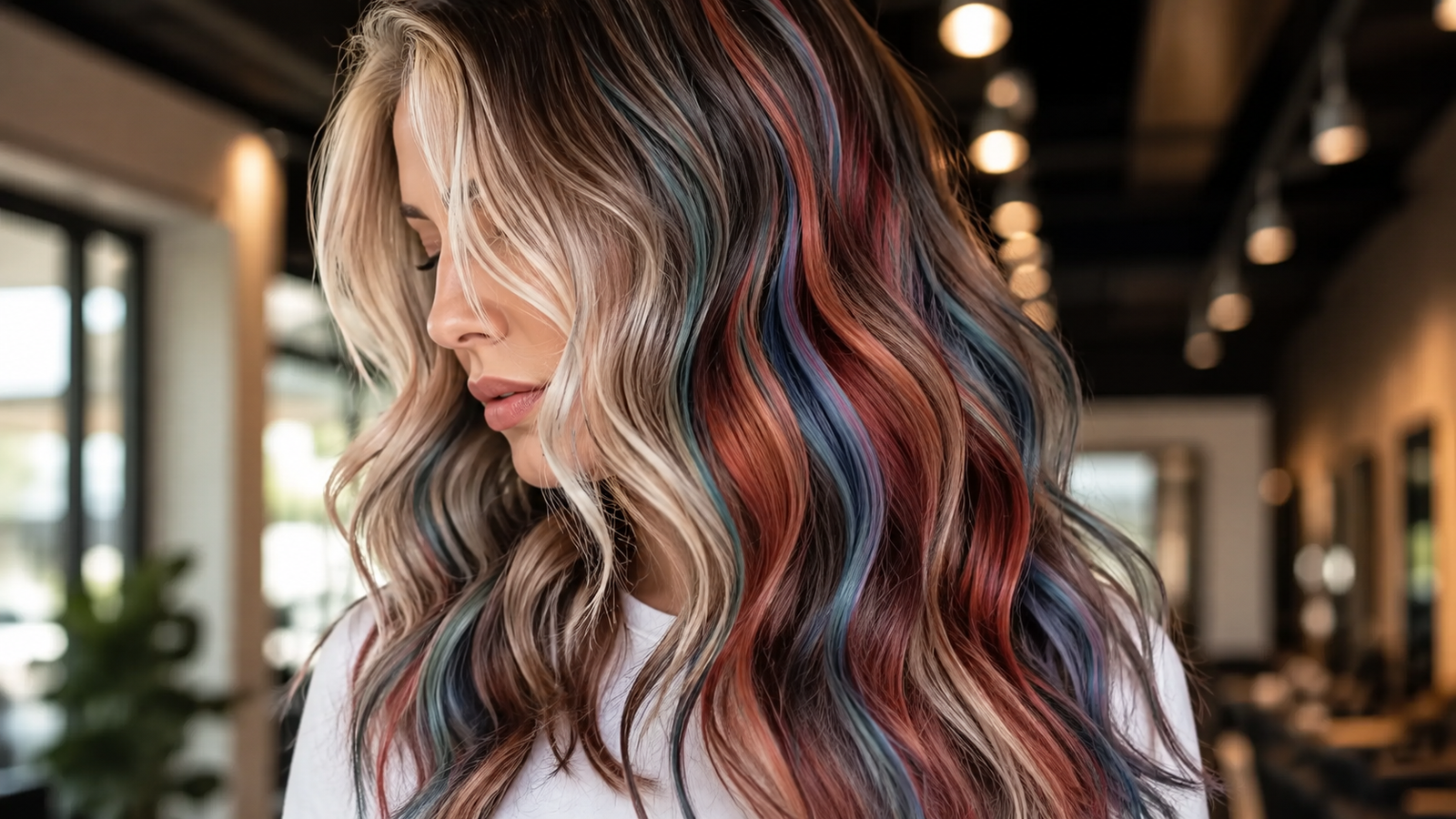
If you have spent any time on TikTok or Instagram lately, you have probably scrolled past a head of hair split into bold patches of red, blonde, and brunette and wondered what it was called. That look is calico hair, and it has quickly become one of the most talked about color trends in the beauty world. Inspired by the patchwork coats of calico cats, this technique swaps out soft, blended color for confident, contrasting blocks that feel more like wearable art than a traditional dye job.
This guide is built to do more than just show you pretty pictures. You will learn exactly what calico hair is, how to choose a blend that actually suits your skin tone and lifestyle, where to place the color for the best effect, and how to keep it looking fresh long after you leave the salon chair. Whether you are considering a full transformation or just dipping a toe in with a single streak, you will walk away with a clear plan.
What Is Calico Hair
Calico hair is a multi tonal coloring technique that combines three or more contrasting shades, most often a dark base, a warm red or copper tone, and a light blonde, applied in distinct sections rather than a smooth gradient. The name comes directly from calico cats, whose coats naturally display large, irregular patches of black, orange, and white.
Unlike highlights that aim to look like the sun has naturally lightened your hair, calico color is meant to be noticed. The blocks of color sit next to each other with visible separation, creating a graphic, almost painterly effect. It is a style built for self expression rather than subtlety, which is part of why it has resonated so strongly with a younger, social media savvy audience.
The trend grew out of the same creative energy behind other bold color placement techniques, and it borrows a bit of attitude from punk and alternative hair styling while still feeling wearable enough for everyday life. That balance of edgy and accessible is a big reason it has stuck around rather than fading as a one season fad.
How Calico Hair Compares to Balayage and Ombre
It helps to understand calico hair by comparing it to the techniques most people already know.
Balayage is a hand painted highlighting method that creates soft, sun kissed color with a gradual transition and very little visible line between shades. Ombre involves a deliberate shift from a darker root to a lighter end, usually within the same color family, blended smoothly through the mid lengths.
Calico hair rejects that smooth blending on purpose. Instead of transitions, you get sections. Instead of one dominant base with subtle lift, you get three or more colors competing for attention in a controlled, intentional way. Think of balayage and ombre as watercolor paintings and calico hair as a patchwork quilt.
This does not mean calico has to be extreme. You can soften the technique with smaller sections, muted tones, or partial placement, which we will cover shortly. But the core idea, visible color blocking rather than seamless blending, is what sets it apart from every other trending technique.
How to Choose Your Calico Color Blend
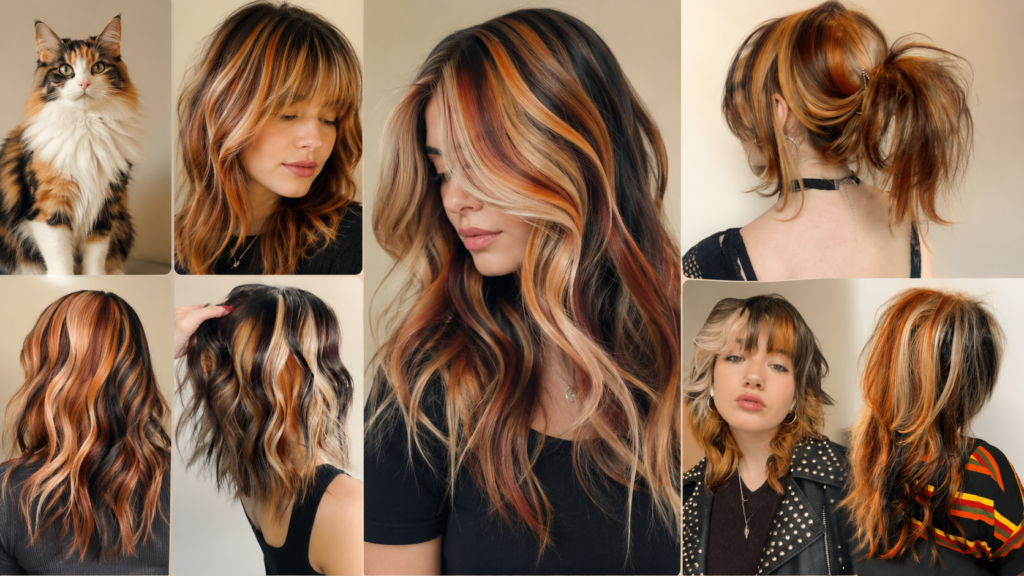
Picking the right combination of shades is the single most important decision you will make before booking your appointment. A blend that flatters your skin tone will look intentional and polished, while a mismatched combination can look muddy or washed out.
Consider Your Undertone First
If you have warm undertones, meaning your skin leans golden, peachy, or olive, you will generally get the best results from copper, honey blonde, and rich chestnut brown. These tones echo your natural warmth instead of fighting against it.
Cool undertones, which show up as pink or blue tinges in the skin, tend to pair beautifully with ash blonde, cool auburn, and deep espresso brown. Steer away from very orange coppers, which can clash and make cool skin look sallow.
If you are not sure which category you fall into, a simple trick is to check the veins on your inner wrist. Greenish veins usually indicate warm undertones, while bluish or purple veins point to cool undertones. Neutral undertones, where it is hard to tell, have the most flexibility and can experiment with either direction.
Decide on Contrast Level
The classic calico look uses high contrast shades like jet black, platinum blonde, and vivid copper. This is the boldest, most head turning version of the trend and tends to require the most upkeep since the tones fade at different rates.
A softer, more office friendly version leans on muted shades such as ash brown, beige blonde, and soft caramel. You still get the patchwork effect, but the overall look reads as sophisticated rather than dramatic, which makes it a smart choice if you work in a conservative environment or simply prefer understated color.
Popular Combinations Worth Trying
- Classic tri tone: deep brunette base with copper and platinum sections
- Warm and cozy: caramel, honey blonde, and chestnut brown
- Cool and edgy: ash brown, cool blonde, and burgundy
- Soft and wearable: beige blonde, ash brown, and muted rose gold
- High drama: jet black, vivid red, and icy platinum
Whichever combination you choose, bring reference photos to your consultation. Stylists can adjust the exact tones to complement your natural coloring, but having a clear starting point saves time and helps avoid miscommunication.
Popular Placement Styles to Consider
Where the color sits on your head matters just as much as which shades you pick.
Chunky sections are the boldest option, with large, clearly defined blocks of color throughout the hair. This version delivers maximum impact and works well for anyone who wants their hair color to be a genuine statement piece.
Money piece calico focuses the boldest colors around the face, framing your features with a streak or two of contrasting color while leaving the rest of your hair closer to its natural shade. This is a great entry point if you want to try the trend without a full commitment.
Peekaboo placement tucks the vibrant sections underneath the top layer of hair, so the color is hidden when your hair is down and revealed when you tie it up or move your head. It is a flexible choice for anyone who needs to keep a more polished look for work but wants a fun surprise for personal time.
Calico balayage softens the technique slightly by hand painting the contrasting colors with a bit more blend at the edges, giving you the patchwork effect without razor sharp lines. This version tends to grow out more gracefully than high contrast blocking.
Is Calico Hair Right for Your Hair Type
One of the most appealing things about this trend is how adaptable it is. Calico color works on straight, wavy, curly, and coily hair, though the finished effect will look slightly different depending on your texture.
Straight hair shows off the sharp lines and distinct blocks most clearly, which is why so many of the boldest calico looks online feature pin straight strands. Wavy and curly hair naturally soften the edges between colors as the strands twist and turn, creating a more blended, dimensional look even with high contrast placement.
Length also plays a role. Medium to long hair gives the color the most room to breathe and shows off the full range of tones. Shorter cuts, including bobs and lobs, can absolutely carry calico color too, especially with money piece or face framing placement, but the overall effect will feel more compact and concentrated near the face.
If your hair is already color treated, damaged, or particularly fine, talk openly with your stylist about your hair’s current condition. Calico color often requires lightening multiple sections, and a professional can help you sequence the process to protect your hair’s integrity rather than trying to achieve everything in a single sitting.
The Realistic Cost and Time Commitment
Because calico hair involves applying and processing three or more separate colors, it is more time intensive than a single process color or even traditional highlights.
A full calico transformation at a salon typically takes anywhere from three to six hours, depending on your starting color, hair length, and how much lightening is required before the new tones can be applied. Expect the price to reflect that extra time, often landing in a higher bracket than standard balayage or highlight services.
If cost or time is a concern, ask your stylist about a phased approach. You can start with a money piece or peekaboo section during one appointment and build toward a fuller calico look over subsequent visits. This spreads out both the expense and the commitment while still letting you enjoy the trend right away.
How to Keep Calico Hair Looking Vibrant
Multi tonal color fades unevenly, which means a little extra care goes a long way toward keeping your calico hair looking crisp rather than muddy.
- Switch to a color safe, sulfate free shampoo and conditioner to slow down fading
- Wash your hair less frequently, ideally every other day or less, since hot water and frequent washing strip color faster
- Use lukewarm or cool water when rinsing, since heat opens the hair cuticle and lets color escape
- Apply a heat protectant before any hot tool styling, and reach for heat free styles when you can
- Book gloss or toner refreshes every four to six weeks to keep every shade looking bright and cohesive
Red and copper tones tend to fade the fastest, so do not be surprised if those sections need attention before your blonde or brunette pieces do. A color depositing conditioner in your specific red or copper shade can help extend the vibrancy between salon visits.
Growing Out Calico Hair Gracefully
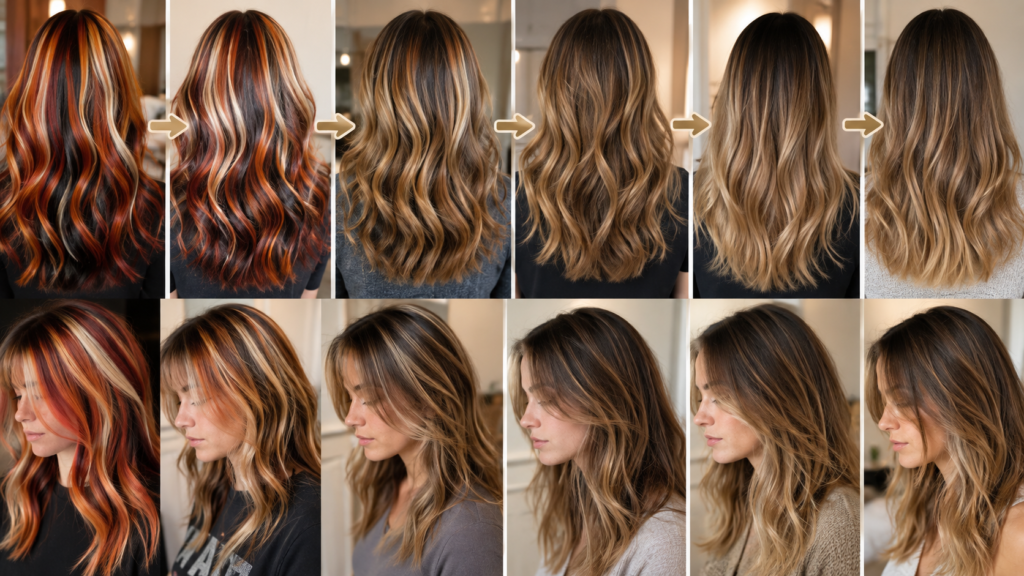
Every bold color trend eventually reaches the regrowth stage, and calico hair is no exception. Because the technique already embraces contrast and visible sectioning, it tends to grow out more forgivingly than a solid all over color change.
As your roots come in, the patchwork effect simply shifts slightly higher on the strand, which many people find looks intentional rather than messy for several weeks longer than a traditional dye job would. When you are ready to transition away from the look entirely, a gradual approach, letting one section fade or grow out at a time, tends to look more natural than removing all the color at once.
If you decide you are done with calico hair sooner rather than later, talk to your stylist about a toning service that blends the sections back toward a more uniform base color rather than starting a full correction from scratch.
DIY Versus Professional Application
Calico hair is technically possible to do at home, and plenty of creative people have pulled it off successfully. That said, it is worth being honest about the challenges before you commit to a bathroom sink transformation.
Sectioning your hair evenly, applying multiple dyes without them bleeding into each other, and timing different processing periods correctly all require a level of precision that takes practice. If you are starting from a dark natural color and need to lighten sections before adding red or blonde tones, the risk of uneven results or hair damage increases significantly.
If you do choose the DIY route, start small. A single money piece or a couple of face framing strands are far more manageable than a full head of chunky sections, and they let you get a feel for the process before scaling up. For anyone starting with dark or previously colored hair, or anyone who wants a flawless, high contrast result, booking a professional colorist is the safer and ultimately more cost effective choice, since fixing an uneven DIY attempt often costs more than getting it done right the first time.
Bringing It All Together
Calico hair is more than a passing trend. It is a genuinely flexible technique that can be dialed up for maximum drama or dialed down for everyday wearability, depending on the shades and placement you choose. The key to loving your results comes down to a few simple decisions made before you ever sit in the salon chair.
Start by identifying your undertone so your color choices work with your natural coloring rather than against it. Decide how much contrast you actually want to live with day to day, since high contrast blocks demand more upkeep than a softer, blended version. Choose a placement style that fits your lifestyle, whether that is a bold full head transformation or a subtle peekaboo streak you can hide for work. Finally, commit to a simple maintenance routine, since a little extra care with color safe products and regular gloss refreshes will keep every tone looking intentional rather than faded.
Whichever direction you take it, calico hair rewards a bit of planning with a look that feels genuinely unique. Bring your reference photos, have an honest conversation with your stylist about your hair’s condition, and you will walk out with a color story that is entirely your own.
Frequently Asked Questions
What is calico hair exactly?
Calico hair is a multi tonal coloring technique that uses three or more contrasting shades, typically a dark base, a red or copper tone, and a blonde tone, applied in distinct sections rather than blended together, creating a patchwork effect inspired by calico cat fur.
Is calico hair the same as balayage?
No. Balayage creates soft, blended, natural looking highlights with minimal contrast between sections, while calico hair intentionally uses bold, visible color blocking for a high contrast, graphic effect.
How often do I need to touch up calico hair?
Most people refresh their calico color every four to six weeks with a gloss or toner treatment to keep all the shades looking vibrant, since red and copper tones tend to fade faster than blonde or brunette sections.
Can I get calico hair if I have curly or coily hair?
Yes. Calico color works on every hair texture. Curly and coily hair naturally softens the lines between color blocks, creating a slightly more blended, dimensional version of the look compared to straight hair.
Should I try calico hair at home or go to a salon?
Small placements like a single money piece or a couple of face framing strands can work well as a DIY project. A full head of calico color, especially if you are starting from dark or previously colored hair, is best left to a professional colorist to avoid uneven results or damage.