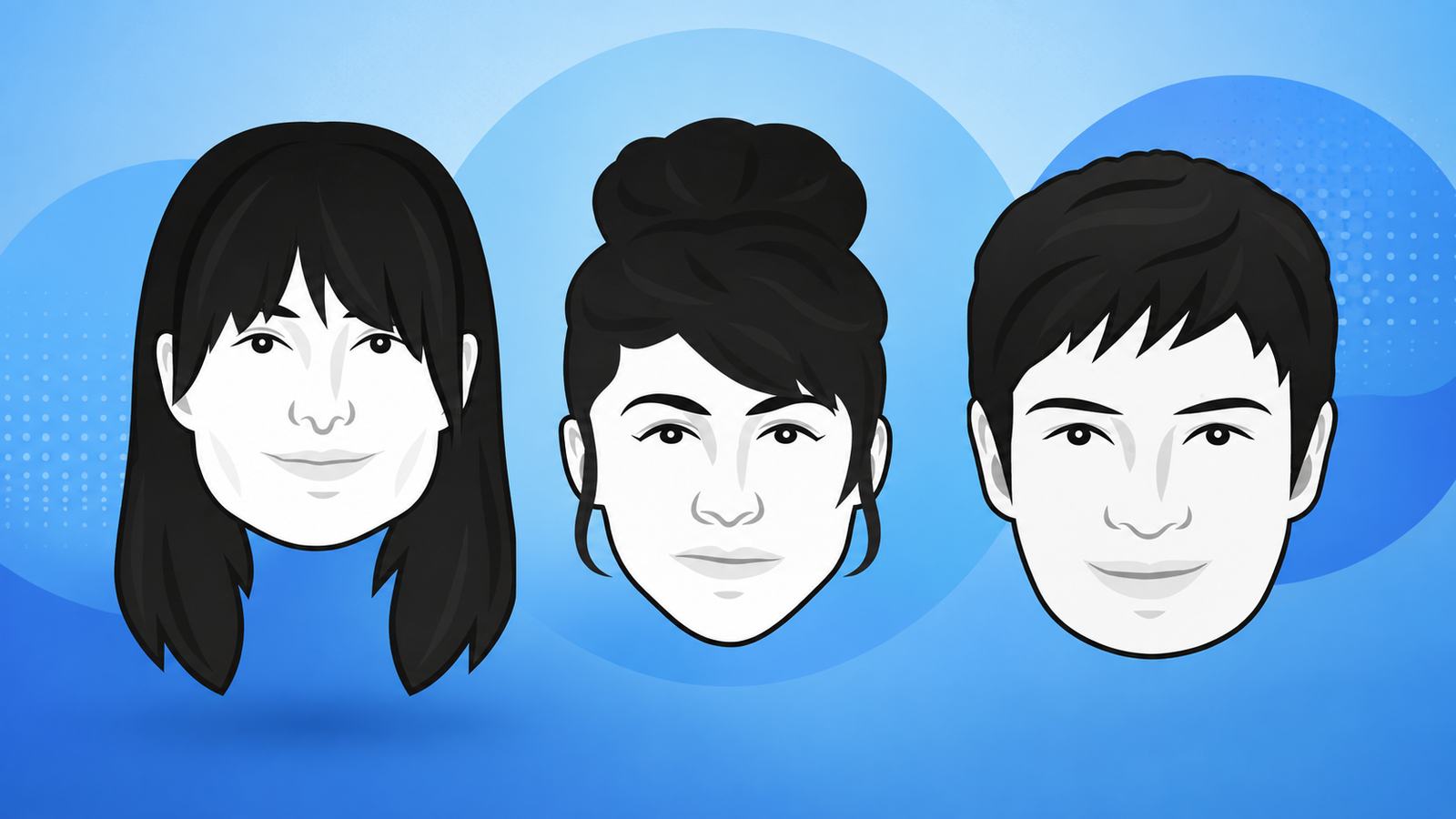
Bangs have a funny way of dividing opinion. Some people swear by them as the easiest way to reinvent a look without cutting off inches of length. Others approach a fringe with the caution of someone defusing a bomb. Wherever you stand, one thing is true: there are far more types of bangs than most people realize, and the right one can completely change how your face reads at a glance.
This guide walks through every major style of bangs worth knowing, how to match them to your face shape and hair texture, what upkeep actually looks like, and how to avoid the regret spiral that sometimes follows a spontaneous fringe decision. Whether you are booking a salon appointment this week or just curious about your options, you will leave with a clear picture of what to ask for.
What Counts as Bangs, Exactly
Bangs, also called a fringe in the UK and much of Europe, refer to any section of hair cut shorter than the rest of your haircut and worn forward over the forehead. That definition sounds simple, but it covers an enormous range of looks, from a barely there wisp to a full blunt curtain that grazes the eyebrows.
The term fringe and bangs are interchangeable, so do not be thrown off if your stylist uses one over the other. What matters more is understanding the specific cut, because “I want bangs” can mean ten different things to ten different stylists.
The Main Types of Bangs
Here is where most guides give you a quick list and move on. Instead, let us actually break down what each style looks like, who tends to love it, and what it takes to keep it looking good.
Blunt Bangs
Blunt bangs are cut in a straight, clean line across the forehead, usually landing just above or at the eyebrows. There is no texturizing or thinning involved, just a sharp, defined edge.
This is the boldest, most graphic bang style on the list. It tends to suit longer face shapes beautifully because it visually shortens the face and draws attention to the eyes. It is also one of the higher maintenance options, since any growth or unevenness shows immediately.
Curtain Bangs
Curtain bangs are parted down the middle and swept to either side, framing the face like, well, curtains framing a window. They are longer than blunt bangs, often blending into the rest of the hair at the cheekbone or jaw.
This is currently one of the most requested styles in salons, and for good reason. Curtain bangs are forgiving, versatile, and grow out gracefully, which makes them a favorite for first timers who are nervous about commitment.
Side Swept Bangs
Side swept bangs are longer on one side, angled across the forehead rather than cut straight or split in the center. They can be subtle, just grazing one eyebrow, or dramatic enough to partially cover one eye.
These work well for people who want the face framing benefit of bangs without the daily styling demands of a blunt fringe. They are also a smart option if you have a cowlick near your hairline, since the diagonal direction often works with the hair’s natural growth pattern instead of against it.
Wispy Bangs
Wispy bangs are cut with heavy texturizing, leaving a soft, feathery, almost see through finish. Instead of one solid block of hair, individual pieces are visible.
This style adds softness to the face and is particularly kind to those who are hesitant about a heavy, opaque fringe. Wispy bangs also tend to be more low maintenance day to day, since a bit of undone texture is part of the look rather than a flaw.
Micro Bangs and Baby Bangs
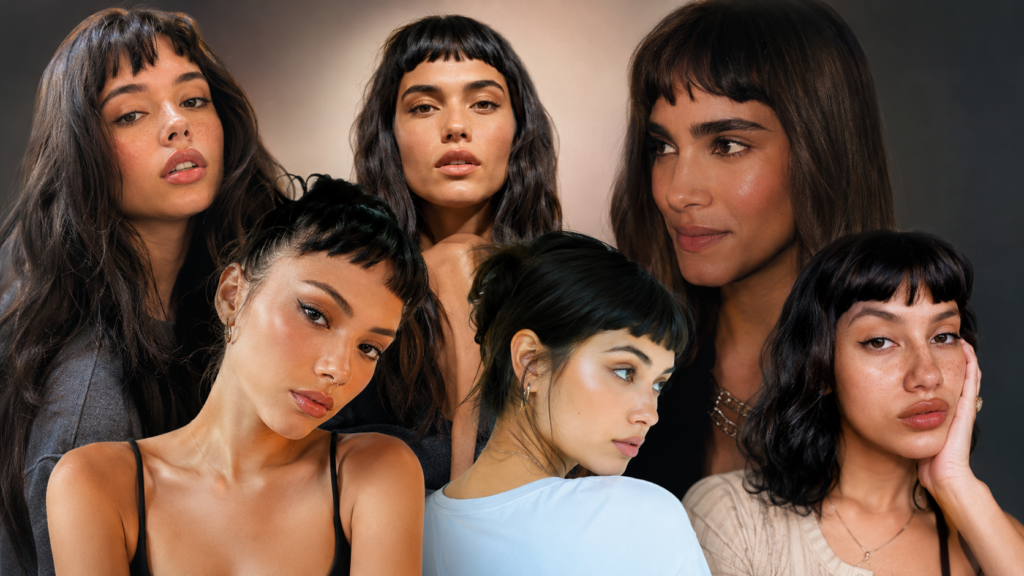
Micro bangs, sometimes called baby bangs, are cut extremely short, often ending in the middle of the forehead rather than near the eyebrows. This is the most dramatic and attention grabbing bang style available.
Because they sit so high, micro bangs require excellent hairline coverage and a willingness to style them daily. This is not a style to choose on a whim. Cowlicks, uneven growth patterns, or a receding hairline can all make micro bangs harder to pull off than they look on Pinterest.
Bottleneck Bangs
Bottleneck bangs are narrower in the center and wider toward the temples, creating a shape that looks like the neck of a bottle. This style gained popularity after appearing on several celebrities and offers a middle ground between curtain bangs and a full fringe.
Bottleneck bangs frame the eyes dramatically while still allowing some length and movement on the sides, making them a strong option for people who want impact without going full blunt.
Choppy and Piecey Bangs
Choppy bangs share the straight across shape of blunt bangs but are cut with a point cutting or texturizing technique that separates the hair into distinct pieces. The result feels edgier and less uniform.
This style pairs particularly well with thicker hair, since the separation helps reduce visual bulk while still delivering a strong statement.
Layered and Feathered Bangs
Layered bangs blend gradually into the rest of the haircut rather than existing as a single distinct section. Feathered bangs take this further, using varying lengths to create a soft, textured, almost windswept effect.
These are excellent low commitment options, since they merge with your existing hair rather than creating a hard line that needs constant upkeep.
Shaggy Bangs
Shaggy bangs are long, tousled, and intentionally undone, usually paired with a shag haircut. They rely on movement and texture rather than precision, which makes them one of the most forgiving styles to maintain.
Curly Bangs
Curly bangs are simply bangs cut for naturally curly or coily hair, and they deserve more attention than most guides give them. Curl pattern significantly affects how a fringe falls, so a stylist typically cuts curly bangs longer than the intended finished length, since curls shrink upward once they dry.
If you have curly hair and are considering bangs, always ask your stylist to cut them dry, or at minimum assess your curl pattern before cutting wet, so the length lands where you actually want it once your curls settle.
Choosing Bangs Based on Your Face Shape
Face shape is one of the most useful starting points when deciding on different types of bangs, since certain cuts genuinely balance certain proportions better than others.
Round faces generally benefit from styles that add height or angles, such as side swept or longer curtain bangs. Avoid anything cut straight across at a short length, since it can emphasize width.
Square faces look great with soft, wispy, or curved bangs that soften strong jaw and forehead lines. A gentle curve rather than a hard, straight edge tends to be the most flattering direction.
Oval faces are the most versatile and can wear nearly any bang style, from full blunt bangs to micro bangs, without much risk.
Heart shaped faces, which are wider at the forehead and narrower at the chin, tend to look balanced with side swept or wispy curtain styles that soften the width up top.
Long faces often look more proportional with a full, straight, blunt fringe, since it visually shortens the distance between hairline and chin.
It is worth remembering that most people have a combination of features rather than one textbook face shape, so treat these as starting points for a conversation with your stylist rather than strict rules.
Matching Bangs to Your Hair Texture
Face shape gets most of the attention, but hair texture arguably has just as much influence on how a fringe actually behaves day to day.
Straight hair is the easiest texture to work with for most bang styles, since it lies flat and shows clean lines clearly. This makes it ideal for blunt or bottleneck bangs, though it can also show oil and flatness faster than other textures.
Wavy hair tends to suit curtain and side swept styles particularly well, since the natural movement blends into the softer shape of these cuts without much daily effort.
Curly and coily hair benefit from cuts that account for shrinkage, as mentioned earlier, and often look best with slightly longer, wispier, or layered bang styles rather than a hard blunt line, which can be trickier to maintain as curls change from day to day.
Thick hair can carry heavier, fuller bang styles well, while fine or thin hair often looks best with wispy or piecey bangs, since a full blunt fringe can appear sparse or require more volume products to look intentional.
How Much Maintenance Do Bangs Really Need
This is the part most people underestimate before booking their appointment. Bangs are not a set it and forget it haircut, and the level of upkeep varies significantly by style.
| Bang Style | Typical Trim Frequency | Daily Styling Effort |
|---|---|---|
| Blunt bangs | Every 2 to 3 weeks | High |
| Micro or baby bangs | Every 2 to 3 weeks | High |
| Curtain bangs | Every 4 to 6 weeks | Low to moderate |
| Side swept bangs | Every 5 to 7 weeks | Low |
| Wispy bangs | Every 4 to 5 weeks | Low |
| Shaggy bangs | Every 6 to 8 weeks | Very low |
Beyond trims, most bang styles benefit from being dried immediately after washing, since bangs are a small section of hair that dries faster than the rest of your head and can crease or split down the middle if left to air dry unattended. A travel size heat protectant and a small round brush go a long way toward keeping any fringe style looking polished between salon visits.
Not Ready to Commit: Low Risk Ways to Try Bangs First
If you like the idea of bangs but are not ready to make an appointment, there are a few ways to test the waters first.
- Clip in bangs are widely available and let you try different lengths and styles for a single day or event before committing to a real cut.
- Styling your existing length forward with a flat iron can give you a rough preview of how a fringe might frame your face, even without any cutting involved.
- A face shape consultation with your stylist before the actual cut, where they hold sections of hair up against your forehead, is one of the most reliable ways to visualize the result in real time.
- Photo apps or virtual try on tools offered by several beauty brands can give a rough digital preview, though they should be treated as a fun starting point rather than an exact prediction.
None of these methods are perfect substitutes for the real thing, but they can help you walk into your appointment with more confidence about which direction to choose.
Growing Out Bangs Without Losing Your Mind
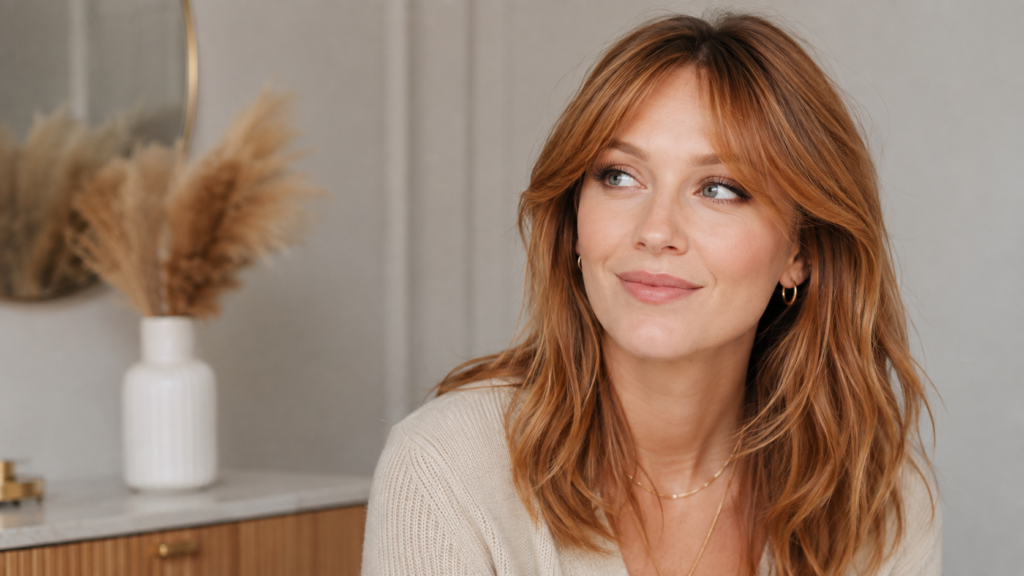
Every fringe eventually reaches an awkward in between stage, and having a plan for it makes a real difference.
In the first few weeks, bobby pins, headbands, and small clips are your best friends for keeping length out of your eyes while it grows past the brow line. Once bangs reach cheekbone length, many people transition into a side part, which blends the growing section into the rest of the hair far more naturally than trying to keep it centered.
Scheduling a light shaping trim, rather than skipping the salon entirely, also helps enormously. A stylist can taper the ends so the fringe blends rather than growing out as one thick, awkward chunk. Most people find the six to twelve week mark the hardest, so patience and a few strategic pins really do carry you through.
Common Mistakes to Avoid
A few missteps come up again and again when people get bangs for the first time.
Cutting them yourself at home is tempting, especially between salon visits, but bangs have very little margin for error and a small mistake is difficult to hide. Choosing a style based purely on a celebrity photo without considering your own face shape and hair texture is another common regret, since the same cut can look completely different depending on those two factors. Finally, underestimating the maintenance commitment, particularly with blunt or micro bangs, leads many people to abandon a style they otherwise liked simply because they were not prepared for the upkeep.
Final Thoughts
There is no single best answer when it comes to different types of bangs. The right choice depends on your face shape, your hair texture, how much daily styling time you are willing to invest, and honestly, how bold you feel. Curtain and side swept bangs remain the safest, most forgiving starting points for anyone new to fringe, while blunt, micro, and bottleneck styles reward those ready for a stronger statement and a bit more upkeep.
Bring a clear photo reference to your appointment, be honest with your stylist about your daily routine, and remember that even if a cut is not perfect on day one, most bang styles settle and improve significantly after the first proper wash and style. Bangs are one of the few haircuts that can genuinely transform your look without sacrificing length, and with the right match, they are well worth trying.
FAQ
What is the lowest maintenance type of bangs?
Side swept and shaggy bangs typically require the least daily styling and can go longer between trims than blunt or micro styles.
Do bangs suit every face shape?
Most face shapes can wear some version of bangs, but the specific style matters. Oval faces tend to be the most versatile, while other shapes benefit from choosing a cut that balances their proportions.
Can I get bangs with curly hair?
Yes, though curly bangs should generally be cut slightly longer than intended and ideally cut dry, since curls shrink upward once they settle into their natural pattern.
How often do bangs need to be trimmed?
It depends on the style. Blunt and micro bangs often need trims every two to three weeks, while curtain, wispy, and shaggy styles can typically go four to eight weeks between trims.
What should I do if I regret my bangs?
Bobby pins, headbands, and a side part can help you manage the growing out phase, and a light shaping trim from your stylist, rather than a full regrowth wait, often makes the transition much smoother.