

Fred Daibes spent decades building one of the most recognizable names in New Jersey real estate. Then, in the span of a few years, that same name became tied to one of the biggest political corruption cases in modern American history.
If you have searched for Fred Daibes, you are probably trying to understand two very different stories at once. One is about a Lebanese immigrant who helped transform a quiet industrial town into a glittering stretch of riverfront towers. The other is about federal indictments, gold bars, and a prison sentence that followed a former United States senator into the same courtroom.
This article brings both stories together in one place, told clearly and honestly, so you can understand exactly who Fred Daibes is, what he built, and how it all came apart.
Who Is Fred Daibes
Fred Daibes is an American real estate developer best known for reshaping Edgewater, New Jersey, into a desirable residential destination often called the Gold Coast. Born around 1956 in Lebanon, he immigrated to the United States with his parents in 1969 and settled in Edgewater, the same town where his career would eventually take shape.
For most of his professional life, Daibes was known primarily as a builder. He was the face behind luxury condominium towers, waterfront developments, and a banking institution that carried his name into the world of finance. That reputation changed dramatically once his name became linked to former Senator Bob Menendez in a federal bribery case that captured national attention.
Today, searches for Fred Daibes are driven almost entirely by two things: curiosity about his real estate legacy and questions about his criminal conviction. This article addresses both, in full context.
Building an Empire Along the Hudson River
Long before the courtroom headlines, Fred Daibes was known in Bergen County as the developer who changed the skyline. Edgewater sits directly across the Hudson River from Manhattan, and Daibes recognized its potential decades before most investors did.
Through his company, Daibes Enterprises, he oversaw the construction of luxury condominium buildings, retail spaces, and infrastructure improvements that helped turn a former industrial waterfront into an upscale residential corridor. His projects included the St. Moritz, later renamed Riello, a condominium building featuring a rooftop pool inspired by Manhattan hotel design.
Daibes was frequently credited with being involved in nearly every major construction project in Edgewater during this period. Supporters point to his role in cleaning up former industrial and Superfund sites, adding retail infrastructure, and helping the town transition from a blue collar community into one of the more sought after addresses in North Jersey.
The Gold Coast Transformation
The term Gold Coast refers to the stretch of Hudson River waterfront towns, including Edgewater, Weehawken, and Cliffside Park, that experienced rapid high rise development starting in the 1980s and accelerating through the 2000s. Daibes was one of the central figures in this transformation.
His developments combined river views, proximity to New York City, and modern amenities in a way that attracted buyers who wanted city convenience without city prices. For many longtime residents, his name became synonymous with the town’s rise from postindustrial decline to real estate desirability.
From Masonry to Millions: The Early Business Years
Daibes did not start in real estate. His family’s first business in America was a small masonry company founded with his father shortly after they arrived from Lebanon. Fred worked alongside his father learning the construction trade from the ground level up.
After his father passed away, Fred and his brothers expanded the family business into general contracting. By the mid 1980s, that contracting business had grown into Daibes Enterprises, a company that would eventually span real estate development, property management, and financing.
This progression from hands on masonry work to leading a real estate conglomerate is part of what made Daibes a respected figure in local business circles for so long. His story fit the classic immigrant success narrative, which made the later scandal all the more shocking to many who had followed his career.
Mariner’s Bank and the First Legal Troubles
In addition to real estate, Daibes founded Mariner’s Bank and served as chairman of its board of directors from its inception until 2011. The bank became another pillar of his growing business empire, giving him influence in both property development and local finance.
That influence eventually became the subject of a federal investigation. Daibes was indicted on bank fraud charges related to conduct at Mariner’s Bank, accused of concealing his beneficial interests in loans through nominee arrangements designed to hide his true financial stake from both the bank and federal regulators.
He pleaded guilty in this case in 2022, years before the broader bribery scandal came to light. At the time, the bank fraud case appeared to be a standalone legal issue. It would later become deeply intertwined with a much larger political corruption investigation.
The 2013 Robbery That Later Made Headlines Again
In November 2013, four armed men broke into the apartment where Daibes and his wife were sleeping. The intruders beat the couple and stole roughly two million dollars in cash, along with jewelry and gold bars.
For a decade, this violent home invasion was treated as a closed criminal case involving the perpetrators who were eventually arrested. It resurfaced unexpectedly in 2023 when investigators discovered that some of the gold bars found during an FBI search of Senator Bob Menendez’s home carried serial numbers matching the bars stolen from Daibes years earlier.
This detail became one of the most striking threads connecting Daibes to the Menendez investigation, since it directly tied specific physical evidence back to him rather than relying solely on witness testimony or financial records.
The Menendez Bribery Scandal Explained
The event that transformed Fred Daibes from a regional business figure into a nationally known name was his role in the corruption case against former Senator Bob Menendez. Understanding this case requires looking at the timeline, the motives, and the evidence involved.
How the Scheme Worked
According to federal prosecutors, Daibes provided Senator Menendez and his wife Nadine with bribes that included cash and multiple gold bars, some weighing a full kilogram each. In exchange, Menendez allegedly used his influence to help steer the outcome of Daibes’ pending bank fraud case, including attempts to install a United States attorney who might treat the prosecution more leniently.
Daibes was not the only businessman involved. Egyptian American entrepreneur Wael Hana was also charged, accused of bribing Menendez in exchange for help securing a monopoly on halal meat export certification tied to Egyptian government interests. A third businessman, Jose Uribe, later pleaded guilty and cooperated with prosecutors, providing testimony against his former co defendants.
The Trial and Conviction
Menendez, Daibes, and Hana were indicted in September 2023 and went to trial in a case that lasted nine weeks before United States District Judge Sidney Stein. On July 16, 2024, all three were convicted on charges connected to bribery, conspiracy, and related offenses.
The trial included testimony and physical evidence that painted a detailed picture of gifts exchanged for political favors, including gold bars, cash, and even a luxury vehicle. It marked one of the most significant convictions of a sitting or former United States senator in recent memory.
Sentencing and Prison Time
In January 2025, Judge Stein handed down sentences to all three men. Menendez received eleven years in prison for bribery, acting as a foreign agent, and obstruction of justice. Wael Hana received just over eight years. Fred Daibes was sentenced to seven years in prison along with a fine of 1.75 million dollars.
Daibes was also convicted separately in his bank fraud case, receiving an additional three year sentence that was ordered to run concurrently with the seven year bribery sentence, meaning he would not serve additional time beyond the longer term.
In May 2025, Daibes and Hana reported to FCI Fairton, a federal prison in southern New Jersey, to begin serving their sentences after a bail request was denied. Daibes has continued to appeal aspects of his conviction while serving his term, and his legal team has argued that his sentence was disproportionate compared to others in similar cases.
What Happened to Daibes Enterprises
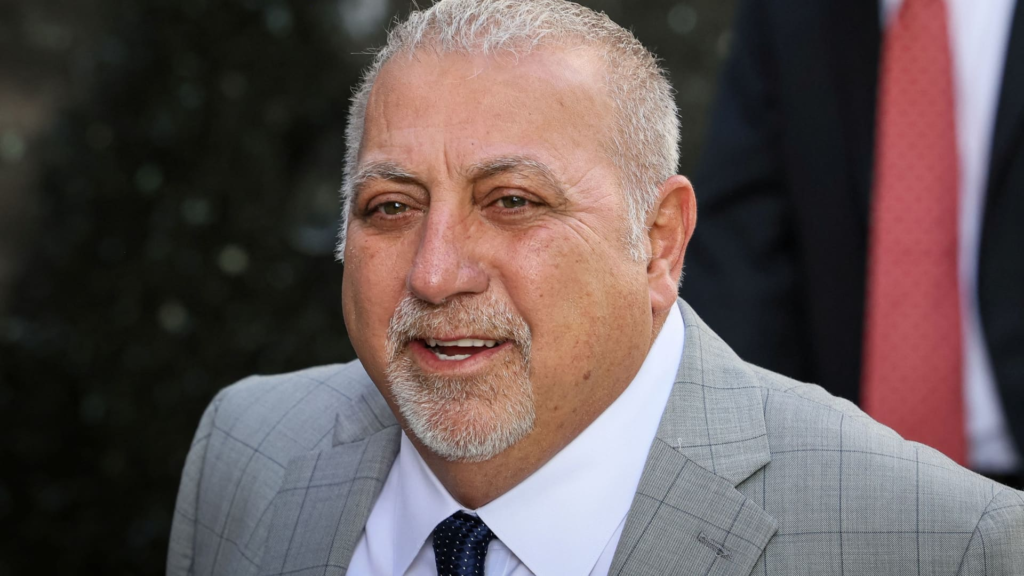
The conviction did not simply end with a prison sentence. It has continued to affect Daibes’ business interests and property holdings in Edgewater. One notable example involves a long planned development at 440 River Road in Edgewater, which became the subject of a lawsuit between the neighboring town of Cliffside Park and Edgewater officials.
Cliffside Park has alleged that Edgewater allowed construction at the site to exceed established height limits, reigniting scrutiny of how local officials handled projects connected to Daibes over the years. This dispute reflects a broader pattern uncovered by the New Jersey State Commission of Investigation, which released a report in May 2023 finding that elected and appointed officials in Edgewater had worked to benefit Daibes, with some receiving business contracts or discounted rent in exchange.
For a company that once symbolized successful redevelopment, these ongoing legal disputes highlight how deeply the scandal has reshaped Daibes’ legacy in the very town he helped build.
Lessons From the Fred Daibes Case
The story of Fred Daibes offers a useful case study in how business success and political influence can become dangerously intertwined. A few key takeaways stand out.
- Local development success does not exist in isolation from local politics, and blurred lines between the two can eventually attract federal scrutiny.
- Financial arrangements designed to hide beneficial ownership, such as nominee loans, are a recurring red flag in white collar fraud cases.
- Physical evidence, like the gold bars traced back to a years old robbery, can resurface unexpectedly and become central to an entirely different investigation.
- Reputation built over decades can be undone quickly once criminal charges become public, regardless of past community contributions.
These lessons apply well beyond one individual case. They reflect patterns seen repeatedly in white collar crime and public corruption cases across the country.
Conclusion
Fred Daibes built a real estate empire that genuinely reshaped Edgewater, New Jersey, turning an overlooked industrial waterfront into a sought after residential destination. That accomplishment is part of the historical record and should not be erased by what came later.
At the same time, his role in the Menendez bribery scandal, his separate bank fraud conviction, and the gold bars that connected a decade old robbery to a national political scandal have permanently altered how his name is remembered. He is currently serving a seven year federal prison sentence, and the legal and civic fallout in Edgewater continues to unfold.
Understanding Fred Daibes means holding both parts of the story at once: the ambitious developer who helped define a skyline, and the convicted felon whose choices led to one of the more remarkable corruption cases in recent American political history.
Frequently Asked Questions
Who is Fred Daibes?
Fred Daibes is an American real estate developer known for transforming Edgewater, New Jersey, into a major Hudson River waterfront destination, and later convicted in a federal bribery scheme involving former Senator Bob Menendez.
What did Fred Daibes do to Bob Menendez?
Prosecutors said Daibes gave Menendez and his wife bribes, including cash and gold bars, in exchange for help influencing a separate bank fraud case against Daibes and installing a more favorable federal prosecutor.
How long is Fred Daibes’ prison sentence?
Daibes was sentenced to seven years in federal prison for his role in the bribery scheme, along with a 1.75 million dollar fine, and a separate three year sentence for bank fraud that runs concurrently.
What company did Fred Daibes run?
Daibes founded and led Daibes Enterprises, a real estate development and property management company, and also founded Mariner’s Bank, where he served as chairman of the board.
Is Fred Daibes still in prison?
Yes, Daibes reported to FCI Fairton in New Jersey in May 2025 to begin serving his sentence, and he has continued to appeal parts of his conviction while incarcerated.