
Every garden has a spot where the sun barely reaches. Maybe it is the narrow side yard beside your house, the ground beneath an old maple, or the corner where a fence casts a permanent shadow. Instead of viewing that space as a problem, it can become one of the most peaceful and visually interesting parts of your landscape once you fill it with the right garden plants for shade.
Many people give up on shaded areas because their first attempt, usually a plant meant for full sun, struggles and fades. That experience is common, but it usually comes down to plant choice rather than the shade itself. There is a wide world of foliage, flowers, and greenery built specifically to handle low light, and this guide will help you find exactly what works.
By the end of this article, you will understand how to read your own garden’s light conditions, which plants match each type of shade, and how to keep them healthy season after season.
What Does Shade Actually Mean in Gardening
Gardeners often use the word shade loosely, but it actually covers a range of very different light conditions. Understanding where your space falls on that scale is the single most useful thing you can do before buying a single plant.
Light Shade or Partial Shade
This describes a spot that gets a few hours of direct sun, often gentle morning light, followed by shade for the rest of the day. It is one of the most forgiving conditions and supports a wide variety of plants, including many that also grow in full sun.
Deep or Full Shade
Full shade means very little to no direct sunlight reaches the ground, such as under a dense evergreen canopy or along the north side of a two story house. This is where you need genuine shade specialists, since many plants simply will not produce enough energy to survive here.
Dappled Shade
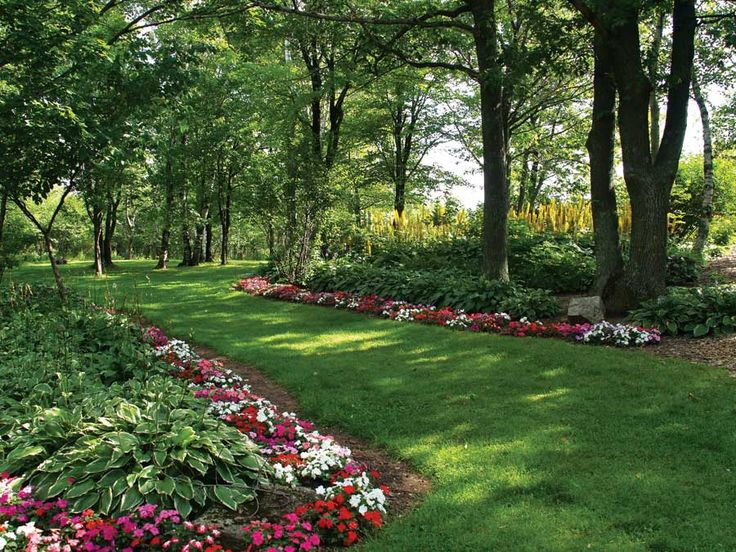
Dappled shade shifts throughout the day as sunlight filters through moving leaves overhead. It closely resembles the natural forest floor conditions that many classic shade plants originally evolved in, which is why so many woodland species perform so well here.
The Moisture Factor
Two shaded spots can look identical and behave completely differently depending on moisture. A shady area beneath a mature tree with greedy roots often dries out quickly, while a shaded spot near a downspout or low lying corner may stay damp for days. Matching plants to moisture level matters just as much as matching them to light level.
Reading Your Garden Before You Plant
Before choosing plants, spend a few days simply observing your space. Note how many hours of direct sun the area receives, whether that sun arrives in the morning or afternoon, and how the soil feels a day after rain.
Afternoon sun tends to be more intense and drying than gentle morning light, so a spot with two hours of harsh afternoon sun behaves differently than one with four hours of soft morning light, even though both might be labeled partial shade.
This small bit of homework prevents the frustrating cycle of buying plants, watching them struggle, and starting over.
Top Foliage Plants for Shaded Beds
Since shade gardens rely less on bright color and more on texture, foliage plants often do the heaviest lifting in terms of visual interest.
Hostas remain a favorite for good reason. Their broad leaves range from deep green to blue toned to creamy variegated patterns, and a mature clump can fill an impressive amount of space. Keep an eye out for slugs, which tend to target the softest, most tender leaves.
Ferns bring a completely different texture, with delicate, feathery fronds that soften the look of any bed. The Japanese painted fern in particular adds a silvery, almost metallic quality that stands out beautifully against darker green companions.
Heuchera, commonly called coral bells, offers some of the richest foliage color available for shade, from deep burgundy to chartreuse to near black. Since many varieties hold their color through much of the year, heuchera provides interest even outside the main growing season.
Brunnera, sometimes known as false forget me not, pairs heart shaped silver marked leaves with small blue spring flowers, making it a quiet but reliable performer in moist, shaded borders.
Flowering Plants That Handle Low Light
A common misconception is that shade gardens cannot have flowers. In truth, plenty of species bloom reliably with limited sun, they simply follow a different calendar than sun loving plants.
Hellebores open their nodding flowers in late winter, often while frost still lingers on the ground, giving shaded borders color long before spring officially arrives. Astilbe follows in summer with tall, feathery plumes in shades of pink, red, coral, and white, thriving especially well in consistently moist soil. Toad lily extends the season into early autumn with unusual, speckled blooms that resemble small orchids.
Impatiens and begonias, both grown as annuals in most climates, fill in gaps with continuous color from late spring through the first frost, making them a dependable choice for pots, hanging baskets, or fresh color in an otherwise foliage heavy bed.
Shrubs That Build Structure in Shade
Perennials and ground covers fill the lower layers of a shade garden, but shrubs give it height, backbone, and year round presence.
Camellias are prized for their glossy, evergreen leaves and elegant blooms that often appear in late winter, adding color at a time when most of the garden looks bare. Bigleaf hydrangeas bring broad, rounded flower heads in blue, pink, or white, and they actually prefer some protection from intense afternoon sun, which can scorch their large leaves.
Boxwood remains a dependable choice for formal shaping, low hedges, and clean structural lines, tolerating moderate shade far better than many other evergreen shrubs. For a softer, more woodland feel, smaller dogwood varieties thrive in dappled shade and pair naturally with underplantings of ferns or hostas.
Ground Covers for Bare Shady Patches
One of the most common frustrations in a shaded yard is bare, patchy soil where grass simply refuses to grow. Ground covers solve this problem while also suppressing weeds.
- Pachysandra forms a dense, glossy carpet that spreads steadily over time.
- Lamium brightens deep shade with silvery variegated leaves and small pink or white flowers.
- Sweet woodruff offers delicate white blooms in spring along with a fresh, subtly sweet scent.
- Vinca minor stays evergreen through winter and produces cheerful blue flowers each spring.
Since some ground covers spread aggressively, it is worth checking local guidance on invasiveness before planting any variety across a large area.
Container Gardening in Shady Corners
Not every shaded area is a large border. Patios, balconies, and small side yards often need shade tolerant plants that work well in pots.
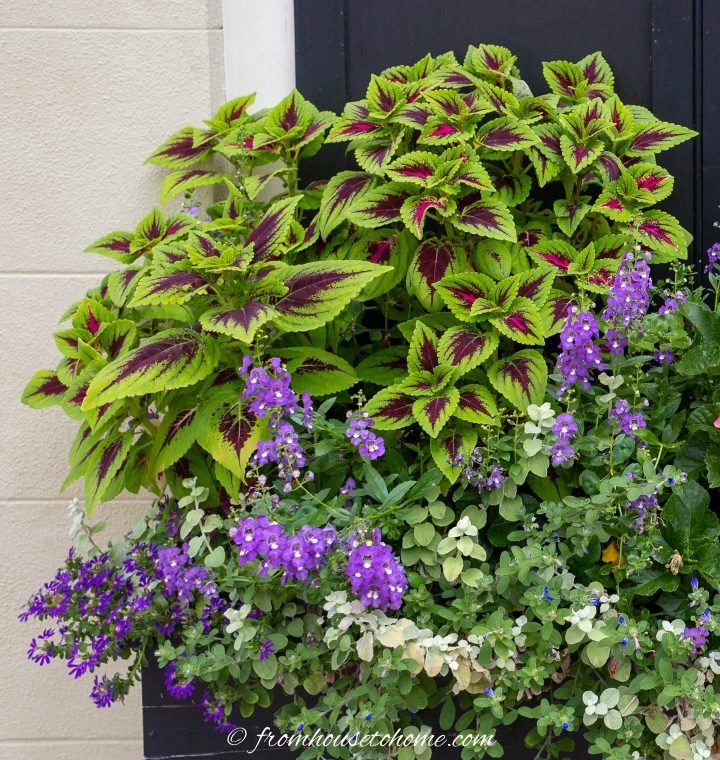
Fuchsia, with its dangling, jewel toned flowers, thrives in hanging baskets placed in filtered light. Coleus offers bold, patterned foliage in shades of red, lime, and purple, making it one of the most colorful container options for shade. Ferns and small hostas also adapt easily to pots, provided the container has good drainage and is watered a bit more frequently than an in ground bed, since containers dry out faster.
Soil, Water, and Feeding Basics
Healthy shade plants start with healthy soil. Most shade lovers prefer rich, well draining soil with a good amount of organic matter, so working compost into the planting area before you begin gives new plants a strong start.
Watering deserves special attention in shaded areas beneath large trees. It is easy to assume shade keeps soil moist, but tree roots often compete fiercely for available water, leaving the surrounding ground drier than it looks. During the first year, aim for roughly one and a half inches of water per week to help new plants establish strong root systems.
A two to three inch layer of mulch helps retain that moisture, moderates soil temperature, and slowly breaks down to enrich the soil. Since tree roots also absorb much of the nutrition in the surrounding area, a light spring feeding with a balanced fertilizer can noticeably improve the vigor of nearby shade plants.
Pairing Plants for a Natural Look
A shade garden feels most successful when plants are layered by height and texture rather than scattered randomly. Place taller shrubs like camellia or hydrangea toward the back, mid height perennials such as astilbe or heuchera in the middle, and low ground covers like lamium or vinca along the front edge.
Color choice also matters more in shade than many gardeners expect. Pale tones such as white, soft yellow, and light pink tend to stand out clearly in low light, while deep reds and purples can visually disappear into the shadows. Mixing in variegated foliage, with its splashes of cream or silver, is another simple way to keep a shaded bed feeling bright without relying on sunlight to do the work.
Troubleshooting Common Shade Garden Problems
Even well planned shade gardens run into a few recurring issues.
Slugs and snails are drawn to the same soft, moist conditions that many shade plants enjoy, particularly hostas. A simple barrier of crushed eggshell or a commercial iron phosphate bait can significantly reduce damage without harming pets or wildlife.
Leggy, sparse growth usually signals that a plant is stretching toward light it is not getting enough of, which often means it needs to be moved to a slightly brighter spot or swapped for a true shade specialist. Root competition from large trees can also stunt nearby plants, so digging generous, well amended planting pockets rather than a single shallow hole gives roots a fighting chance against thirsty tree roots.
Conclusion
A shaded yard is not a limitation, it is an opportunity to build a garden with its own distinct character. With the right combination of garden plants for shade, from bold hostas and feathery ferns to flowering hellebores and structural camellias, even the darkest corner of your property can become a lush, layered space worth spending time in.
The key takeaways are simple. Understand the specific type of shade you are working with, choose plants suited to both the light and moisture levels present, and give them healthy soil, consistent water, and enough room to grow. Do that, and your shade garden can rival any sunny border in beauty and interest.
Frequently Asked Questions
What are the easiest garden plants for shade for beginners?
Hostas, ferns, and pachysandra are excellent starting points since they are forgiving, widely available, and adapt well to a range of shaded conditions.
Can a shade garden still attract pollinators?
Yes. Hellebores, brunnera, and astilbe all provide nectar sources for early season pollinators, helping support bees even in low light areas.
How do I know if my shade is dry or moist?
Check the soil a day after rainfall. If it still feels damp, you likely have moist shade, while soil that dries out quickly, especially under large trees, indicates dry shade conditions.
Do shade plants need less water than sun loving plants?
Not necessarily. Many shaded areas, particularly under mature trees, actually need consistent watering since roots compete heavily for available moisture.
Can I grow shade plants successfully in containers?
Yes. Ferns, small hostas, fuchsia, and coleus all perform well in pots, though containers typically require more frequent watering than in ground beds.