
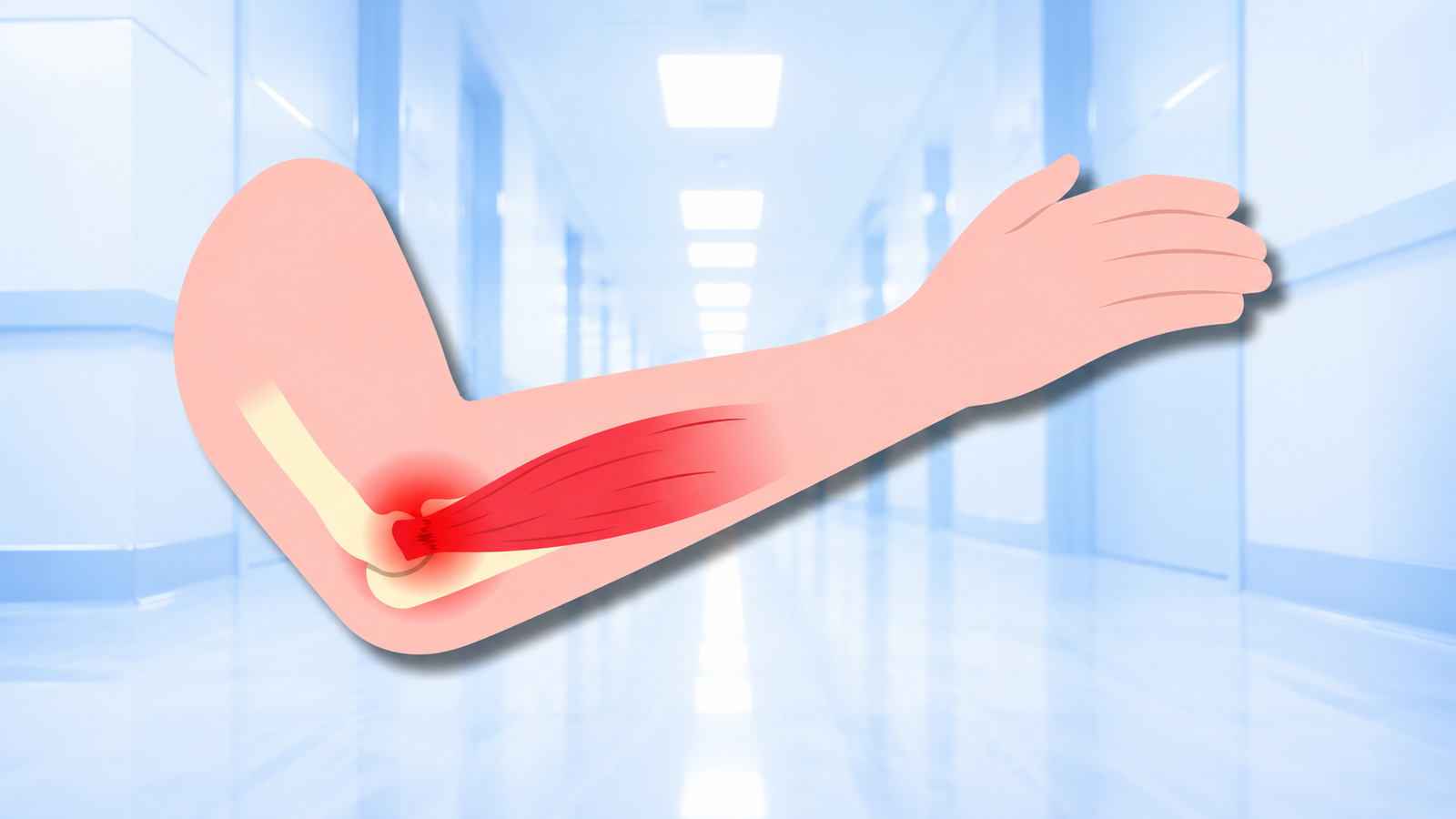
If you have a nagging ache on the outside or inside of your elbow that flares up every time you grip something, you are probably dealing with tendonitis elbow. It is one of the most common causes of elbow pain in adults, and it rarely has anything to do with actually playing tennis or golf.
Tendonitis elbow develops when the tendons connecting your forearm muscles to your elbow become irritated, usually from repeated motion rather than a single injury. The good news is that most people recover fully without surgery, often within a few weeks to a few months, once they understand what is actually happening and how to treat it properly.
This guide walks through the causes, symptoms, and most effective ways to heal tendonitis elbow faster, along with practical exercises and prevention tips you will not find crammed into a single generic paragraph elsewhere.
What Is Tendonitis Elbow
Tendonitis elbow, sometimes spelled tendinitis, refers to inflammation of the tendons around the elbow joint. Tendons are tough, fibrous cords that attach muscle to bone, and in the elbow, they take on a lot of repetitive strain from everyday movements like gripping, twisting, and lifting.
When these tendons are overworked without enough recovery time, tiny tears can form in the tissue. Your body responds with inflammation, which is what creates the pain, stiffness, and tenderness people typically notice first.
There are two main forms of tendonitis elbow, and understanding which one you have makes a real difference in how you treat it.
Tennis Elbow vs Golfer’s Elbow: What Is the Difference

Most articles on this topic focus almost entirely on tennis elbow, but golfer’s elbow is just as real and just as common in everyday life, not only in athletes.
| Feature | Tennis Elbow (Lateral Epicondylitis) | Golfer’s Elbow (Medial Epicondylitis) |
|---|---|---|
| Location of pain | Outside of the elbow | Inside of the elbow |
| Tendon affected | Extensor tendons | Flexor tendons |
| Typical trigger | Gripping, twisting, backhand motions | Flexing the wrist, throwing, gripping tools |
| Common in | Racket sports, painters, plumbers, office workers | Golfers, weightlifters, manual laborers, cooks |
| Pain when | Straightening the wrist or lifting objects palm down | Bending the wrist or gripping palm up |
Both conditions share the same underlying mechanism: tendon overuse leading to inflammation and, in chronic cases, tiny tears in the tissue. Treatment approaches overlap significantly, which is why the recovery advice later in this article applies to both types.
What Causes Tendonitis Elbow
Tendonitis elbow is almost always the result of repetitive strain rather than a sudden injury. The tendons simply get more stress than they can recover from between uses.
Common causes include:
- Racket sports such as tennis, squash, and badminton
- Golf, baseball, and other throwing or swinging sports
- Manual trades like plumbing, carpentry, and painting
- Repetitive computer use, especially typing and mousing for long hours
- Weightlifting with poor grip technique or excessive volume
- Cooking, chopping, and kitchen work that involves repeated wrist motion
- Everyday activities like gardening, knitting, or heavy phone scrolling
Age also plays a role. Tendonitis elbow is most common in people between 30 and 50, largely because tendons naturally lose some elasticity and blood supply over time, making them more vulnerable to overuse injury.
It is worth noting that despite the names, fewer than one in ten cases of tennis elbow actually come from playing tennis. The condition is far more likely to show up from a desk job, a trade, or a hobby than from sport.
Common Symptoms to Watch For
Symptoms usually build up gradually rather than appearing overnight. Most people notice one or more of the following:
- A dull ache or burning pain on the outer or inner elbow
- Tenderness when pressing on the affected area
- Weakness when gripping objects, shaking hands, or turning a doorknob
- Stiffness in the elbow, especially first thing in the morning
- Pain that worsens with activity and eases with rest
- Discomfort that sometimes radiates down into the forearm or wrist
In more advanced cases, everyday tasks such as lifting a coffee cup, opening a jar, or typing can become genuinely uncomfortable. If pain is affecting your daily routine, it is a signal that the tendon needs proper rest and care rather than being pushed through.
How Tendonitis Elbow Is Diagnosed
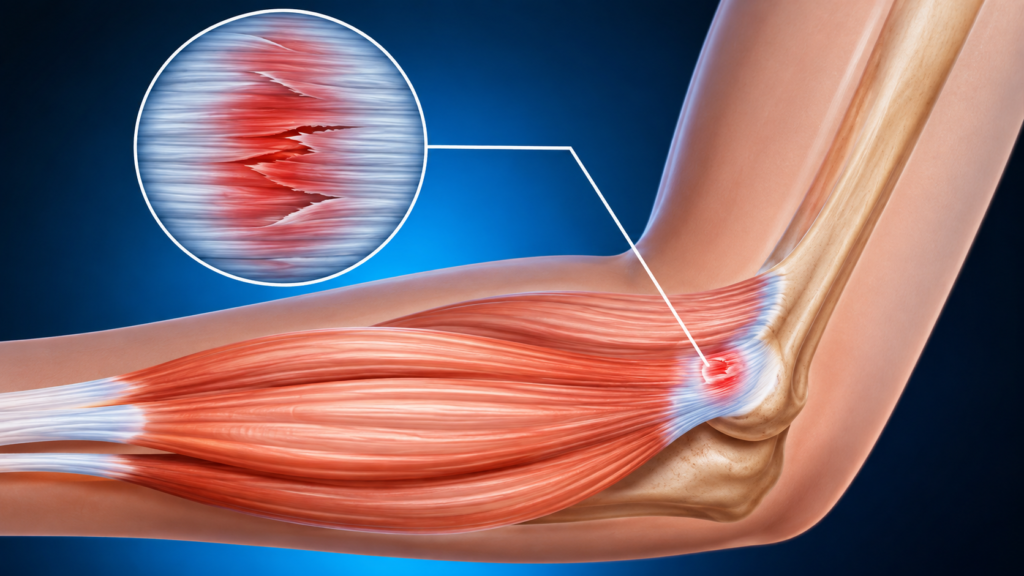
Most cases of tendonitis elbow can be diagnosed through a physical exam alone. A doctor or physiotherapist will typically ask about your symptoms, how they started, and which activities make them worse.
During the exam, they may press on specific points around the elbow or ask you to perform certain movements, such as extending your wrist against resistance, to see if this reproduces the pain.
Imaging is not usually necessary for a straightforward case. However, your doctor might recommend the following if symptoms persist or the diagnosis is unclear:
- X rays to rule out arthritis or bone spurs
- Ultrasound to assess the tendon tissue directly
- MRI for a detailed view of soft tissue damage, usually reserved for cases that do not improve after several months
How to Heal Tendonitis Elbow Faster
There is no single treatment that magically fixes tendonitis elbow overnight, but a combination of the right steps can meaningfully speed up recovery. Here is what actually helps.
Rest the Tendon, Not the Whole Arm
Complete inactivity is not necessary and can even slow healing. Instead, focus on avoiding the specific movements that aggravate the tendon while keeping the rest of your arm gently active.
Ice in the Early Stages
Applying ice wrapped in a towel for around fifteen to twenty minutes, several times a day, can help reduce pain and swelling in the first week or two after symptoms start.
Over the Counter Pain Relief
NSAIDs such as ibuprofen can ease pain and reduce inflammation in the short term. These are best used for flare ups rather than as a long term solution, since they do not address the underlying tendon damage.
Bracing or Taping
A counterforce brace worn just below the elbow can reduce strain on the tendon during daily activities. Many people find this genuinely helpful for getting through the workday with less discomfort.
Physical Therapy
This is arguably the most effective long term treatment. A physiotherapist can guide you through targeted stretching and strengthening exercises that rebuild tendon resilience rather than simply masking pain.
Eccentric Strengthening
Eccentric exercises, which focus on the lengthening phase of a muscle contraction, have strong evidence behind them for tendon healing. These are usually introduced once acute pain has settled down.
Corticosteroid Injections
These can offer short term relief for stubborn cases, though the benefit tends to fade after a few weeks and is not considered a long term fix. Some evidence even suggests repeated injections can weaken the tendon over time, so they are generally reserved for specific situations under medical guidance.
Surgery as a Last Resort
Surgery is rarely needed and typically only considered after six to twelve months of consistent nonsurgical treatment without improvement. Most people never reach this stage.
A Simple Recovery Timeline
Recovery speed varies from person to person, but this general timeline gives a realistic idea of what to expect.
Weeks 1 to 2: Focus on rest from aggravating activities, icing, and gentle range of motion. Pain and swelling should start to settle.
Weeks 3 to 6: Begin light stretching and, if pain allows, gentle strengthening exercises. Bracing can help you stay functional during this phase.
Months 2 to 3: Progressive strengthening, including eccentric exercises, becomes the priority. Most people notice steady improvement here.
Months 3 to 6 and beyond: If symptoms persist despite consistent treatment, it is worth revisiting your doctor or physiotherapist to reassess the plan. Between 80 and 95 percent of people recover without needing surgery, so persistence with the right approach usually pays off.
Home Exercises That Support Healing
Once acute pain has calmed down, gentle exercises can help rebuild strength and flexibility in the tendon. Always stop if an exercise causes sharp pain.
- Wrist extensor stretch: Extend your arm with your palm facing down. Gently pull your fingers toward your body with your other hand until you feel a stretch on the top of your forearm. Hold for fifteen to twenty seconds and repeat three to five times.
- Wrist flexor stretch: Extend your arm with your palm facing up and gently pull your fingers back toward your body. Hold for the same duration to stretch the opposite side of the forearm.
- Grip strengthening: Squeeze a soft ball or rolled up sock for a few seconds, then release. Repeat ten times, working up to two or three sets a day as tolerated.
- Rubber band finger extension: Place a rubber band around your fingers and thumb, then slowly spread them apart. This targets the smaller muscles that support tendon health.
- Eccentric wrist curls: Using a light dumbbell, slowly lower your wrist from an extended to a flexed position over three to five seconds. This exercise is often introduced later in recovery under professional guidance.
Consistency matters more than intensity here. Short, regular sessions tend to produce better results than occasional intense workouts.
How to Prevent Tendonitis Elbow From Coming Back
Once you have dealt with tendonitis elbow, a few simple habits can lower the chances of it returning.
- Warm up before sports, workouts, or repetitive manual tasks
- Take regular breaks during long periods of typing or manual work
- Set up your desk so your wrists stay in a neutral position while typing
- Choose the correct grip size for rackets, golf clubs, or tools
- Strengthen forearm muscles gradually rather than increasing load too quickly
- Alternate tasks throughout the day to avoid repeating the same motion for hours at a time
Small adjustments to how you work and move often make a bigger long term difference than any single treatment.
When to See a Doctor
Most cases of tendonitis elbow improve with home care, but it is worth booking an appointment if you notice any of the following:
- Pain that does not improve after two to three weeks of rest and self care
- Numbness or tingling in your fingers
- Significant weakness or difficulty using your arm for daily tasks
- Visible swelling, redness, or warmth around the joint
- Pain following a specific injury rather than gradual overuse
In the UK, this usually starts with a visit to your GP, who can assess your symptoms and refer you to NHS physiotherapy or, if appropriate, an orthopaedic specialist. Waiting times for NHS physiotherapy can vary by area, so some people choose to see a private physiotherapist directly for a faster initial assessment.
Conclusion
Tendonitis elbow is uncomfortable, but it is also one of the more manageable overuse injuries once you understand what is driving it. Whether you are dealing with tennis elbow, golfer’s elbow, or general tendon irritation from work or daily activity, the fundamentals of recovery are the same: rest the aggravating movement, manage inflammation early, and rebuild strength gradually through targeted exercises.
Most people recover fully without surgery, and paying attention to early symptoms rather than pushing through pain is the single best thing you can do to heal faster. If home treatment is not making a difference after a few weeks, do not hesitate to get a proper assessment so you can get back to pain free movement sooner.
FAQ
Is tendonitis elbow the same as tennis elbow?
Tennis elbow is one specific type of tendonitis elbow, affecting the outer tendon. Golfer’s elbow, affecting the inner tendon, is another common form. Tendonitis elbow is the broader term covering both.
How long does tendonitis elbow usually last?
Mild cases often improve within a few weeks with rest and self care. More persistent cases can take three to six months of consistent treatment to fully resolve.
Can I still exercise with tendonitis elbow?
Yes, but avoid movements that directly aggravate the tendon. Low impact activity that does not stress the elbow, such as walking or lower body exercise, is generally fine.
Do braces actually help tendonitis elbow?
A counterforce brace can reduce strain on the tendon during daily tasks and is widely recommended alongside other treatments, though it works best combined with rest and exercise rather than on its own.
When is surgery necessary for tendonitis elbow?
Surgery is only considered after six to twelve months of consistent nonsurgical treatment without improvement. It is uncommon, with most people recovering through rest, physical therapy, and gradual strengthening.