
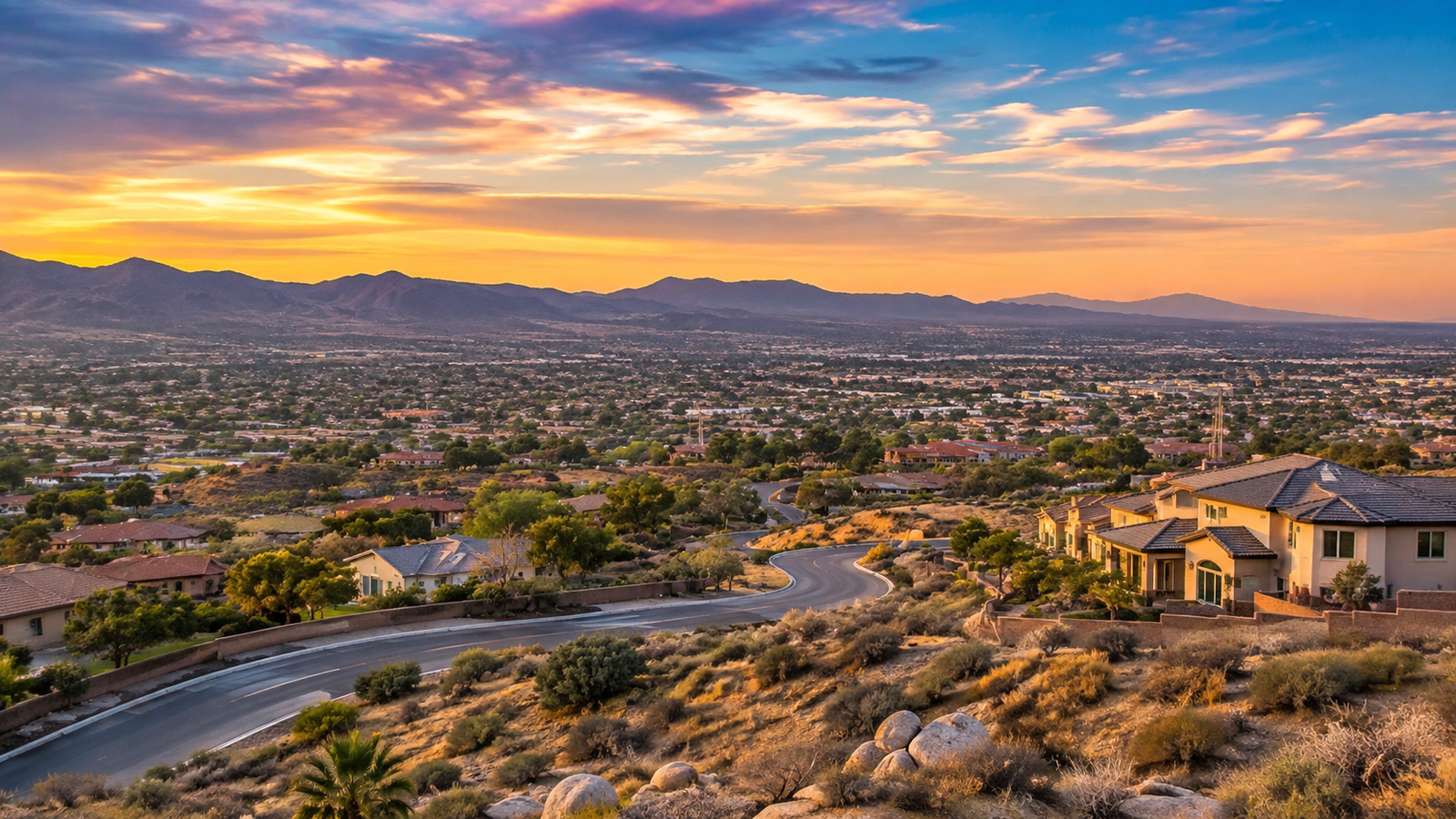
If you have searched for Victorville CA, chances are you fall into one of three groups. You might be thinking about moving here, you might be planning a visit, or you might be weighing it as a place to invest in property. This guide was built to answer all three of those needs in one place, without the scattered, outdated, or overly encyclopedic information that dominates most search results for this topic.
Victorville sits in the western Mojave Desert, in the High Desert region of San Bernardino County, about ninety miles northeast of Los Angeles. It is the largest city in the Victor Valley, home to more than 130,000 residents, and it has been quietly transforming from a highway pit stop into a genuine regional hub for logistics, education, and affordable homeownership.
This article covers everything you actually need to know: what life is like here, what the city offers visitors, how the housing market looks for buyers and investors, and what is coming next for the region.
Where Victorville Is and Why Its Location Matters
Victorville sits at the edge of the Mojave Desert, along the Mojave River, at an elevation of roughly 2,950 feet. That elevation matters more than most guides mention, because it is the reason Victorville does not experience the extreme summer heat you would find in lower desert cities like Palm Springs or Needles.
The city is bordered by Apple Valley to the east, Hesperia to the south, and Adelanto to the west. Together with those neighboring communities, Victorville anchors an urban area of more than 355,000 people, making the Victor Valley one of the largest population centers in California’s Inland Empire and High Desert region.
Its position is also strategic from a logistics standpoint. Victorville sits directly along Interstate 15, the main corridor connecting Southern California to Las Vegas, and it is served by the BNSF Railway’s Southern Transcon line. That combination of highway and rail access is a big part of why national distribution companies have flocked to the area in recent years.
A Brief History of Victorville
Victorville’s story begins long before it had that name. The Serrano people were the original inhabitants of the region. European American settlement started in earnest in 1858, when Aaron G. Lane established a waystation on the Mojave River to supply travelers crossing the desert toward San Bernardino.
The town that would become Victorville took shape in 1885, when a railroad siding was established and named Victor, after Jacob Nash Victor, a general manager for the California Southern Railroad. In 1901, the name changed to Victorville to avoid postal confusion with Victor, Colorado.
The city grew substantially during World War II with the construction of what became George Air Force Base, an installation that operated for decades before closing in 1992. Part of that land is now the Southern California Logistics Airport, a major cargo and aerospace testing hub that continues to shape the local economy.
Victorville officially incorporated as a city on September 21, 1962, and it has operated under a council manager form of government ever since. The city also has a colorful film history. Its desert landscapes have appeared in productions such as The Hills Have Eyes, and screenwriters Herman Mankiewicz and John Houseman famously drafted parts of the Citizen Kane screenplay while staying at a ranch just outside town.
What It Is Like to Live in Victorville, CA
Life in Victorville has a distinct rhythm compared to the more crowded parts of Southern California. Lot sizes tend to be larger, traffic is lighter, and the overall pace feels calmer, even as the population continues to grow.
The community is diverse and family oriented. Census data shows a median age around 32, and nearly half of local households include children under 18. That younger demographic profile supports a strong network of parks, youth sports leagues, and family focused community events throughout the year.
Housing here tends to favor single family homes over apartments, and many neighborhoods, such as the gated Spring Valley Lake community, offer lake access, private beaches, and equestrian trails that you simply will not find in most Los Angeles adjacent suburbs at a comparable price point.
The tradeoff many residents mention is commute time. Because a portion of the workforce still travels toward San Bernardino or the greater Los Angeles area for work, commute times can run considerably longer than the national average, particularly during Cajon Pass traffic slowdowns. That said, the rise of logistics and warehouse employment within Victorville itself has reduced how many residents need to commute at all.
Neighborhoods Worth Knowing
Victorville is large enough that neighborhood choice genuinely changes your experience of the city.
- Spring Valley Lake offers a resort style, gated setting built around a private lake, popular with families and retirees who want recreation close to home.
- Old Town Victorville is the city’s historic core along Route 66, undergoing a slow but steady revitalization with murals, a veterans memorial, and local museums.
- Eagle Ranch and newer developments on the city’s north and west sides tend to attract buyers looking for newer construction at accessible price points.
Weather and Climate: What to Expect Each Season
Victorville has a cool arid desert climate with four genuinely distinct seasons, which surprises people who assume all desert cities feel the same.
Summers are hot, with average highs approaching the upper 90s and occasional spikes past 110 degrees during heat waves. Because of the elevation, however, evenings cool off noticeably more than they would in lower desert cities, which many residents consider one of the area’s underrated perks.
Winters bring the region’s wet season. Overnight lows regularly dip to or below freezing, and while snow is uncommon, it does happen occasionally, along with the risk of black ice on roads. Spring and fall are widely considered the most pleasant times to visit, with mild days and cool nights.
Wind is a year round factor in Victorville, particularly in spring, when gusty conditions can occasionally reduce visibility due to dust. Packing a light jacket for evenings, even in summer, is a smart move for visitors unfamiliar with high desert temperature swings.
Victorville CA Real Estate and Cost of Living
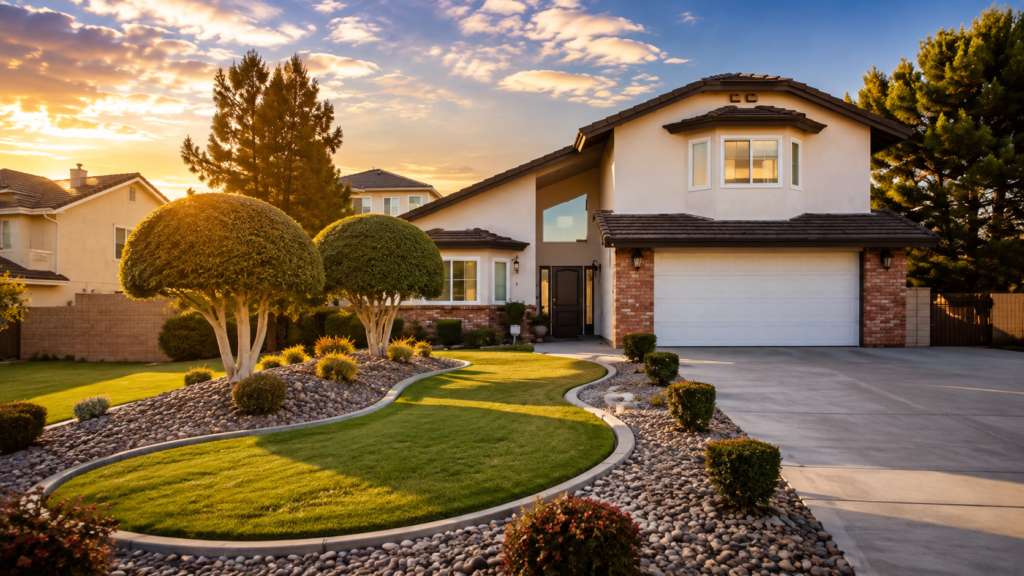
For many people researching Victorville CA, affordability is the single biggest draw. Compared to coastal Southern California, home prices here remain significantly more accessible, which has fueled steady population growth over the past decade.
As of recent market data, the median listing price for single story homes in Victorville sits around $435,000, with homes typically spending about two months on the market. That is still a fraction of what comparable square footage costs in Los Angeles or Orange County, making Victorville an appealing option for first time buyers and those relocating from pricier markets.
The homeownership rate in Victorville is notably high, around 60 percent, which reflects both the relative affordability of housing and the community’s appeal to families looking to put down roots rather than rent long term.
Cost of living extends beyond housing too. Everyday expenses such as groceries, utilities, and local services tend to track closer to the broader Inland Empire average rather than the inflated costs typical of coastal metro areas, which helps household budgets stretch further.
Popular Residential Areas for Buyers
Buyers researching the market consistently gravitate toward a handful of established and newly developing pockets:
- Netherlands and South Adelanto adjacent areas, known for value focused single family homes
- High Desert and Old Town Victorville, appealing to buyers who want history and walkability
- Eagle Ranch, popular for newer builds and family amenities
Schools and Education
Education in Victorville is handled by several school districts, a detail that surprises newcomers who assume one district covers the whole city. The Victor Elementary School District and the Adelanto Elementary School District both serve portions of the city at the elementary and middle school level, while the Victor Valley Union High School District covers grades seven through twelve.
Local independent ratings place most of these districts in the C plus to B range overall, with individual schools varying considerably, so prospective residents with school age children should research specific school boundaries before choosing a neighborhood.
For higher education, Victorville is home to Victor Valley College, a public community college that awards thousands of degrees annually and serves as an accessible, affordable path to a four year degree or vocational certification for local students. The city also has several private, primarily faith based schools for families seeking alternative education options.
Getting Around: Transportation and the Brightline West Rail
Interstate 15 is the backbone of transportation in and around Victorville, connecting the city south toward San Bernardino and Los Angeles, and north toward Barstow and eventually Las Vegas. For daily commuting and regional travel, it is the route almost everyone relies on.
Public transit is available through the Victor Valley Transit Authority, which operates local bus routes throughout the Victor Valley. The Victor Valley Transportation Center also hosts Amtrak’s Southwest Chief, which stops daily in each direction, along with Greyhound and FlixBus intercity service.
Perhaps the most exciting development for the region’s future is Brightline West, a long planned high speed rail line intended to connect the High Desert directly to Las Vegas, with a station planned nearby in Apple Valley. As of mid 2025, engineering and design work was underway for a rail segment connecting Palmdale to Victorville as part of California’s broader high speed rail vision, with trains expected to eventually operate at speeds up to 180 miles per hour.
For residents, this project represents more than a convenience. High speed rail access has historically driven property value growth and economic investment in the areas surrounding new stations, which is one reason real estate watchers are paying close attention to how this project progresses.
Things to Do in Victorville
Victorville offers more for visitors than its highway reputation might suggest, especially for travelers exploring historic Route 66 or the wider Mojave Desert region.
The California Route 66 Museum in Old Town Victorville celebrates the city’s place along the iconic highway, with vintage vehicles, memorabilia, and exhibits tracing the road’s cultural history. It is a quick but worthwhile stop for road trip travelers.
Outdoor recreation is easy to find as well. Mojave Narrows Regional Park offers fishing, hiking, and picnicking along the Mojave River, while the city maintains twenty local parks that host youth sports, walking trails, and community events throughout the year, including Concerts in the Park and seasonal festivals.
For families, the Scandia Family Fun Center offers mini golf, go karts, and arcade games, and the Mall of Victor Valley provides shopping and dining options that serve the entire Victor Valley region rather than Victorville alone.
Travelers interested in the area’s aviation and military history can also explore the surrounding Southern California Logistics Airport area, once home to George Air Force Base, which played a significant role in the city’s twentieth century growth.
Investing in Victorville: What Buyers Should Know
Real estate investors have taken notice of Victorville for a few clear reasons. Industrial and logistics growth in the area has accelerated significantly, with hundreds of new commercial businesses establishing operations since 2023 alone, driven largely by the city’s position along major highway and rail corridors.
That commercial growth tends to support residential demand too, since new warehouse and logistics jobs create local housing needs that did not exist a decade ago. Investors eyeing rental properties should note that the mix of owner occupied and renter occupied housing in Victorville is roughly 60 to 40, suggesting solid but not overwhelming rental demand compared to more renter heavy metro markets.
The pending Brightline West rail connection is another factor worth watching closely. Historically, transit investments of this scale tend to increase surrounding property values over time, particularly for areas within a reasonable drive of a planned station.
As with any market, prospective investors should weigh Victorville’s longer commute times and its ongoing Old Town revitalization efforts against its clear affordability advantage and strong population growth trajectory. Consulting a local real estate professional familiar with Victor Valley specific trends is strongly recommended before making a purchase decision, since neighborhood level performance can vary widely across such a large city.
Conclusion
Victorville CA offers a combination that is increasingly rare in Southern California: genuine affordability, family friendly community life, and a location with real long term growth potential. Whether you are relocating for work, searching for a weekend Route 66 getaway, or evaluating the city as your next investment property, the fundamentals here are worth taking seriously.
The city’s desert climate rewards those who plan around its seasonal extremes, its school districts require some neighborhood level research, and its commute realities are worth factoring into any relocation decision. At the same time, its housing affordability, expanding logistics economy, and the upcoming Brightline West rail line all point toward a city that is actively building its future rather than simply riding on its Route 66 history.
If you take one thing away from this guide, let it be this: Victorville rewards a little research before you commit, whether that means scouting specific neighborhoods, checking school boundaries, or timing a visit around the milder spring and fall months. Do that homework, and the High Desert has a lot to offer.
Frequently Asked Questions
What county is Victorville, CA located in?
Victorville is located in San Bernardino County, California, within the Victor Valley region of the Mojave Desert.
How far is Victorville from Los Angeles?
Victorville sits approximately 90 miles northeast of downtown Los Angeles, typically reachable by car via Interstate 15 through the Cajon Pass.
Is Victorville a good place to live?
Many residents find Victorville appealing due to its affordable housing, family oriented community, and larger lot sizes compared to coastal Southern California, though commute times to job centers can be longer.
What is the average home price in Victorville, CA?
Recent market data shows single story homes in Victorville have a median listing price around $435,000, considerably lower than most Southern California coastal markets.
What school districts serve Victorville?
Victorville is served by several districts, including the Victor Elementary School District, the Adelanto Elementary School District, and the Victor Valley Union High School District for grades seven through twelve.