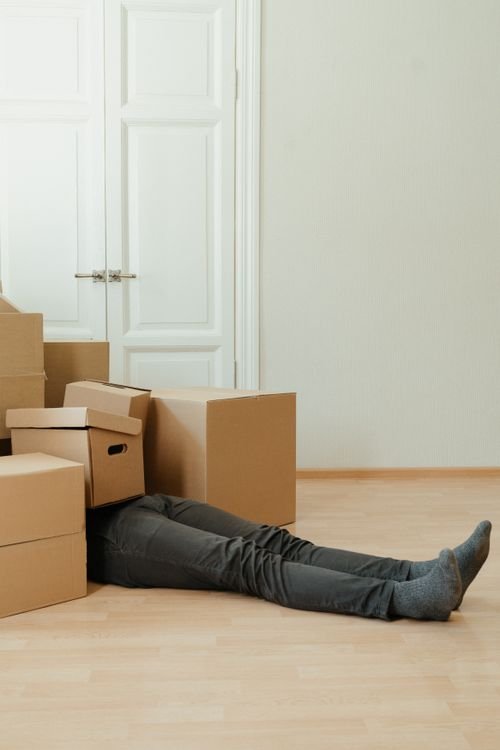
Every British home seems to have one. The spare room that started life as a guest bedroom and slowly turned into the place where boxes go to be forgotten. If you need to know how to declutter a spare room fast, you are probably staring at that room right now, wondering how it got this bad and whether guests arriving on Friday is a realistic deadline. It is. This guide gives you a timed 90 minute plan that works on real box rooms, junk rooms and dumping ground spare bedrooms, plus a 30 minute emergency version for when someone is sleeping over tonight.
Why the spare room always becomes the junk room
Spare rooms collect clutter for one simple reason. They are the easiest place to put things you cannot decide about. A broken lamp you might fix. A bag of clothes for the charity shop that never made it to the car. The Christmas decorations, the old duvet, the printer that ran out of ink in 2023. Every item made sense at the time. Shut the door and the problem disappears, until it does not.
Understanding this matters because speed decluttering is not really about tidying. It is about decisions. The reason a spare room takes months to sort in dribs and drabs is that every object triggers a small debate in your head. The 90 minute plan below removes the debating. You will move fast, decide once and get the room back.
Before you start: the 10 minute setup
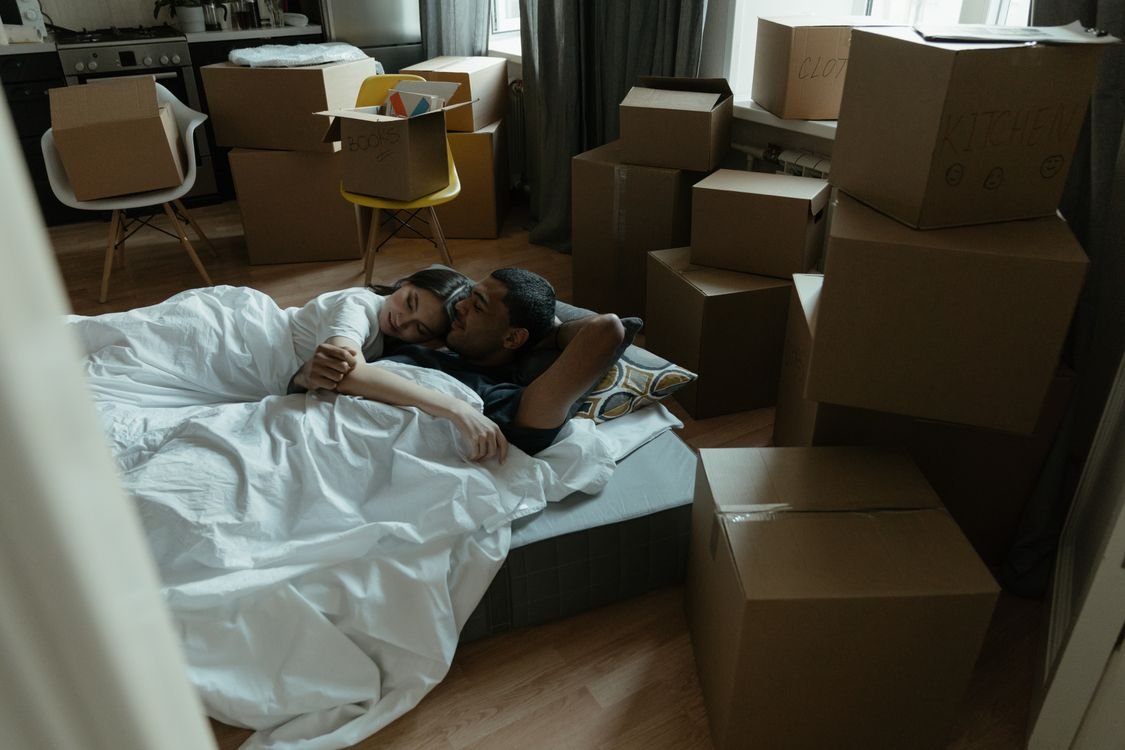
Do not walk into the room and start grabbing things. Ten minutes of setup will save you an hour of wandering. First, bring four large boxes or sturdy bin bags into the room and label them clearly: Keep, Donate, Bin and Relocate. The Relocate box is for things that belong elsewhere in the house, like the mug that somehow lives in the spare room or the phone charger that is definitely yours. Second, put your phone on a timer, put on some music or a podcast, and open the window. A stuffy box room makes everything feel harder than it is.
Third, decide your finish line before you begin. Are you making the room guest ready, or just reclaiming it as a usable room? A guest ready room needs a clear bed, a clear surface and a clear floor. A reclaimed room just needs everything sorted and the floor visible. Knowing the target stops you from polishing skirting boards when you should be shifting boxes.
How to declutter a spare room fast: the 90 minute plan
This is the core of the method. Ninety minutes, broken into four timed phases. Work the phases in order and do not skip ahead. The timer is the whole trick. It turns an overwhelming room into a series of small sprints, and it stops you from spending 20 minutes reading old birthday cards.
Minutes 0 to 15: clear the floor and the bed
Start with everything on the floor and anything piled on the bed. Pick each item up once and put it straight into one of your four boxes. Do not sort properly yet. Do not open bags to see what is inside. The goal of this phase is pure speed: get the floor visible and the bed clear. If an item takes you more than five seconds to decide on, it goes in the Keep box for now. You will deal with it in the next phase. Most spare rooms look dramatically better after just this phase, which gives you the momentum to keep going.
Minutes 15 to 45: the four box sort
Now work through your Keep box, which is really a “not decided yet” box. Pick up every item and make a final call. Keep means it has a home in this room or a genuine use. Donate means someone else could use it: clothes, books, working gadgets, decent bedding. Charity shops like the British Heart Foundation and Oxfam take most household goods, and many offer free collection for furniture if you book ahead. Bin means it is broken, stained, out of date or genuinely rubbish. Relocate means it belongs in another room, so carry the whole box round the house at the end rather than making ten separate trips.
Be honest about the “might need it one day” pile. If you have not used it in a year and it costs less than twenty pounds to replace, let it go. Spare rooms are full of chargers for phones nobody owns and manuals for appliances that were recycled years ago. That stuff is not a resource. It is clutter wearing a disguise.

Minutes 45 to 70: paperwork, cables and the awkward stuff
Every spare room has a category of doom. Usually it is paperwork, cables, or half finished projects. Give these their own focused 25 minutes. For paperwork, make three piles: shred, file and action. Old bank statements, expired insurance documents and instruction manuals for things you no longer own go straight to shredding. Anything worth keeping but rarely needed can be scanned and stored digitally, which frees up an entire drawer. If your paperwork problem is bigger than one room, a proper digital filing system will stop the piles rebuilding themselves.
For cables, be ruthless. Keep one spare of each common type and recycle the rest. Most supermarkets and electrical shops take old cables for recycling, and your council tip accepts them too. For half finished projects, apply the six month rule. If you have not touched it in six months, you are not going to. Photograph anything sentimental, then donate or bin it.
Minutes 70 to 90: reset and stage the room
With everything sorted, you aare left with the Keep items and a nearly empty room. Put the Keep items where they actually live. If they do not have a home, they were not really Keep items, so move them to Donate. Take the Donate boxes straight to the car boot now, not later. Later is how spare rooms fill up again. Take the Bin bags out to the wheelie bin or set them by the door for the tip run.
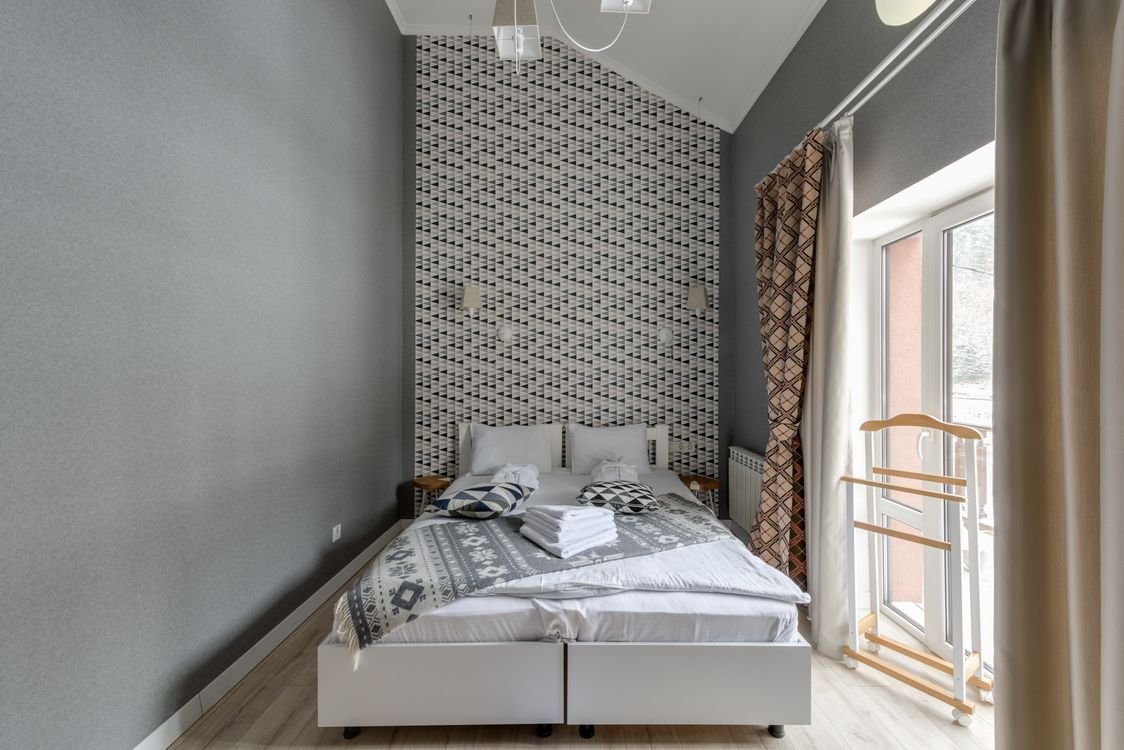
Now reset the room. Make the bed with fresh linen, clear one surface completely (a bedside table or the top of the drawers), and give the floor a quick vacuum. Open the curtains. A spare room with a made bed and a clear surface reads as a bedroom again, even if the wardrobe is still full. That psychological shift matters. It is what stops the room sliding back into being a storage unit.
Getting rid of the big stuff in the UK
Small stuff is easy. The reason most spare room declutters stall is the big stuff: the broken office chair, the ancient mattress, the wardrobe with the missing door. You cannot charity shop a broken wardrobe, and you cannot fit a mattress in a Fiesta. Here are your realistic UK options.
First, check whether your council offers bulky waste collection. Most councils will collect large items like furniture and mattresses for a fee, usually somewhere between 25 and 60 pounds depending on where you live. You book a slot online and leave the items at the kerb or in the front garden. Second, use the household waste recycling centre, known to everyone as the tip. Most tips are free for householders, though some now need you to book a slot online first. If you do not drive, ask around: plenty of people will help you shift a mattress for the price of a cuppa and petrol money.
Third, list usable furniture on Freecycle or Gumtree as free collection. A solid but unfashionable wardrobe will disappear within a day in most areas. Be honest in the listing about condition and access (third floor, no lift will put people off, so say so upfront). For anything with resale value, a car boot sale or a quick marketplace listing can turn clutter into cash, but only do this if you can list and sell within a week. A “to sell” pile that sits for a month is just clutter with extra steps.
The 30 minute emergency version: guests arriving tonight
Sometimes you do not have 90 minutes. Someone is sleeping in that room tonight and it currently looks like a warehouse. Here is the triage version. Grab three bags: one for laundry, one for rubbish, one for “deal with later”. Strip the bed and put fresh linen on. Shove everything that is not furniture into the “later” bags and stack them neatly in one corner or in the boot of your car. Clear one surface for their things. Put a towel, a glass of water and a phone charger by the bed. Vacuum the middle of the floor. Done. It is not decluttered, but it is guest ready, and nobody has ever complained about a tidy corner of bags they cannot see in the dark.
How to stop the spare room filling up again
A fast declutter is only half the job. Spare rooms refill because they are the path of least resistance. Fix that with two rules. The first is the one in one out rule. Nothing new goes into the spare room unless something leaves it. New board game in, old magazines out. It sounds strict but it takes ten seconds and it works.
The second rule is to give the room a job. A room with a purpose resists clutter. If it is a guest room, keep the bed made and a small welcome tray on the dresser. If it is your home office two days a week, keep the desk clear. If it is where you read in the evening, a comfortable chair and a small bookshelf will do more to keep the room clear than any storage system. Once a room earns its keep, the whole household treats it differently. If you do turn it into a reading spot, building a reading habit that sticks is a lovely way to make the reclaimed space feel like a reward rather than a chore.
Mistakes that make a fast declutter slow
The biggest mistake is starting without bags or boxes. You will make endless little piles, then spend half your time re sorting the piles. The second mistake is reminiscing. Old photos, letters and school reports deserve an evening of their own, not a slot in a speed declutter. Put them all in one box, label it memories, and deal with it on a rainy Sunday. The third mistake is trying to organise as you declutter. Do not buy storage boxes mid session or start labelling shelves. Declutter first, organise later. You cannot organise clutter, you can only move it around neatly.
The fourth mistake is doing it alone when you do not have to. A second person doubles your speed, not just because of the extra hands but because they have no emotional attachment to your stuff. They will say “when did you last use that bread maker” and you will realise the answer is 2019. Accept the help, make the tea, and keep moving.
The takeaway
Learning how to declutter a spare room fast is really about learning to decide fast. Set up four boxes, work in timed phases, clear the floor first and deal with the awkward categories in one focused burst. Get the big items booked for council collection or the tip, take the donate boxes to the car immediately, and finish by making the bed and clearing one surface so the room reads as a bedroom again. Ninety minutes of focused effort will do what months of “I must sort that room” never could. And once it is clear, give the room a job and enforce the one in one out rule, so you never have to do the emergency 30 minute version again.
Frequently asked questions
How long does it take to declutter a spare room?
A typical cluttered spare room takes around 90 minutes with a timed plan and four sorting boxes. A very full box room might need two 90 minute sessions with a break between. The emergency guest ready version takes about 30 minutes.
Where do I start when the spare room is overwhelming?
Start with the floor and the bed, not the cupboards. Clearing visible surfaces first gives you quick visible progress and the motivation to continue. Leave drawers and wardrobes for the second phase once you have momentum.
How do I get rid of large furniture items in the UK?
Book your council bulky waste collection, take items to your local household waste recycling centre (the tip), or list usable furniture as free collection on Freecycle or Gumtree. Many charity shops also collect furniture for free if you book ahead.
What should I do with things I might need one day?
Apply the one year rule. If you have not used it in a year and it costs less than twenty pounds to replace, donate or recycle it. Photograph sentimental items before letting them go so you keep the memory without keeping the object.
How do I stop the spare room becoming a junk room again?
Follow the one in one out rule and give the room a clear purpose, such as a guest room or reading corner. A room with a job resists clutter because the whole household treats it as a real room rather than overflow storage.