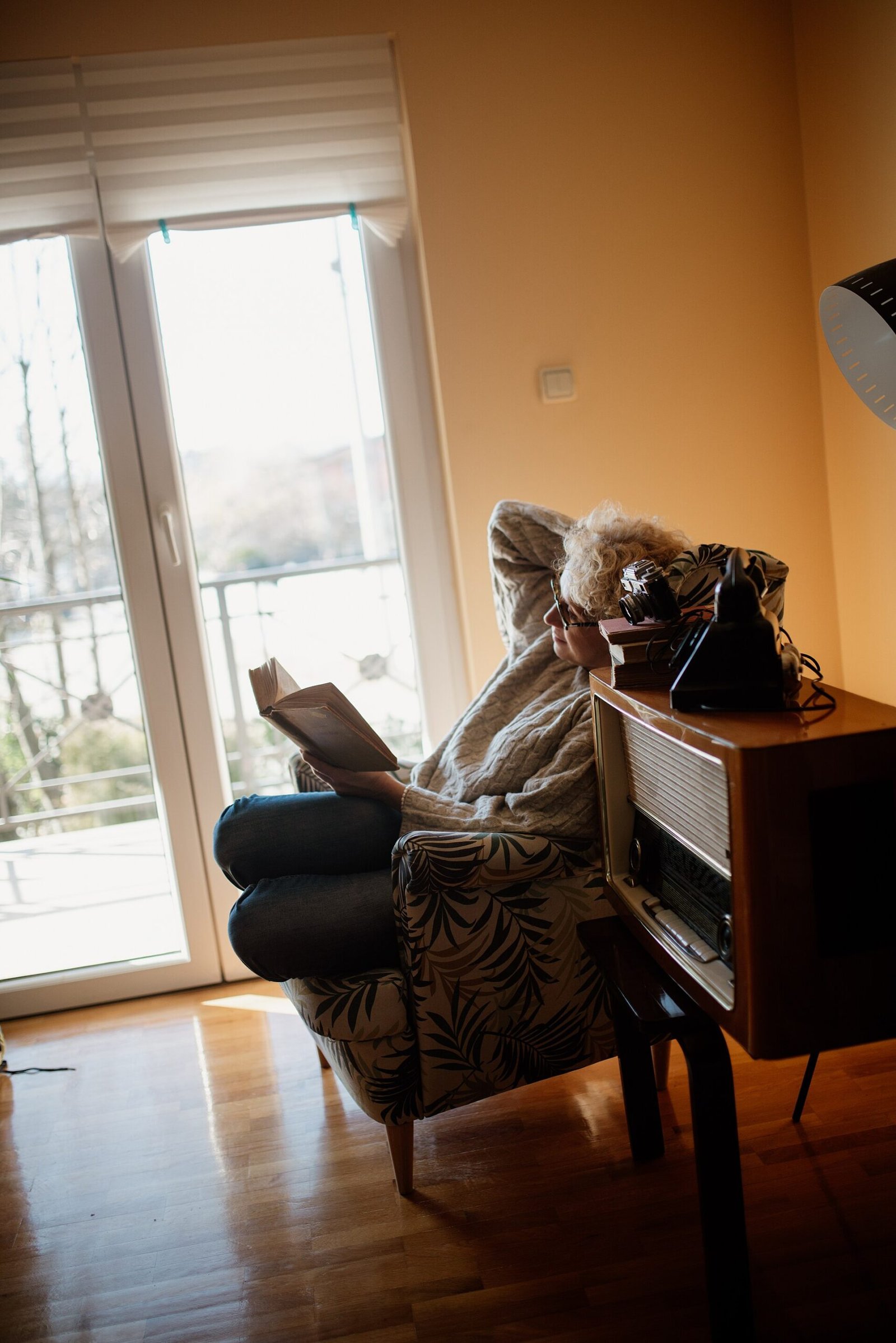

If you do your best thinking after midnight, mornings can feel like a punishment you did not agree to. The alarm goes off, the light feels too bright, and every piece of advice seems to assume you should love being awake at dawn. Learning how to build a morning routine for night owls is not about becoming a different person. It is about building a start to the day that works with your body clock instead of fighting it.
This guide gives you a routine you can actually keep. No 5am starts, no cold showers, no guilt. Just light, movement, food, and a slow ramp into focused work, arranged in an order that suits a late chronotype. If you work remotely, study late, or simply come alive in the evening, this approach will feel far more natural than the standard morning advice.
Why Most Morning Advice Fails Night Owls
Most morning routine advice is written by early risers for early risers. It assumes you wake up refreshed, hungry for exercise, and ready to conquer the day before sunrise. For a night owl, that picture is fiction. Your body releases its wake up signals later, your peak alertness arrives later, and forcing an early start usually means you spend the whole morning in a fog.
The research on chronotypes is clear on one point: people genuinely differ in when their bodies want to sleep and wake. This is not laziness and it is not a character flaw. It is biology. When you ignore that biology and copy a routine built for someone else, you do not get discipline. You get exhaustion, skipped days, and a growing belief that routines simply do not work for you.
The fix is not to try harder. The fix is to design a routine around your real pattern. A good routine for a night owl starts later, moves more slowly, and protects the evening hours when you do your best work, rather than stealing from them.
How to Build a Morning Routine for Night Owls Without Forcing a 5am Start
The core idea is simple: shift the routine, do not shrink it. You still get light, movement, food, planning, and focused work. You just do them in a gentler order and at times that match your energy. Think of your morning as a slow ramp, not a launch.
Start by choosing a wake time you can hold seven days a week, even on weekends. For many night owls that means somewhere between 8am and 10am, depending on work and sleep. Consistency matters more than earliness. A steady wake time trains your body clock far better than a heroic early alarm followed by three days of sleeping in.
Then build the routine in layers. Add one habit at a time, keep it for a week, and only then add the next. A routine with five habits you actually do beats a routine with fifteen habits you abandon by Wednesday.
Start With Light, Not an Alarm
Light is the strongest signal you can give your body clock. As soon as you wake, open the curtains or step near a window. Bright morning light tells your brain that the day has started, even when your body is still catching up. If your room stays dark, your brain keeps producing sleep signals and the fog lasts longer.
On dark winter mornings, a daylight lamp by your bed can do the same job. Switch it on as soon as the alarm sounds and leave it on while you get dressed. Ten to twenty minutes of bright light is enough to make a real difference to how awake you feel.
Make your alarm work for you too. A loud, jarring alarm that shocks you awake sets a stressful tone for the whole morning. A gentler sound that rises in volume, or an alarm placed across the room so you have to stand up to stop it, gives you a calmer start. Standing up is the hardest part. Once you are on your feet, the rest gets easier.
Delay Caffeine and Eat Something Real
It is tempting to reach for coffee the second you wake up. Resist that urge for 60 to 90 minutes if you can. Your body produces a natural alertness hormone in the first hour after waking, and caffeine too early can blunt that effect and leave you crashing by midday. Drink a large glass of water first, get some light, and then enjoy your coffee properly.
When you do have coffee, pair it with real food. Night owls often skip breakfast and then wonder why they feel shaky and unfocused by late morning. You do not need a big cooked meal. Yogurt with fruit, eggs on toast, oatmeal, or a smoothie will steady your energy far better than coffee alone.
Use this window for a short journaling habit if you like writing things down. Three lines are enough: one thing you want to get done today, one thing you are grateful for, and one thing you want to let go of. This tiny ritual clears mental clutter before the day fills up, and it gives your brain a calm task while it wakes up fully.
Move Before You Open Your Screens

Movement is the fastest way to shake off morning grogginess, but it does not have to mean a gym session. A ten minute walk around the block, a few stretches on the living room floor, or a short yoga video all count. The goal is to raise your heart rate slightly and get blood moving, not to exhaust yourself before work.
Walking outside gives you two benefits at once: movement and daylight. Even a short loop in your neighborhood delivers both, and it creates a clear boundary between sleep and work. Many remote workers find that a morning walk replaces the commute they no longer have, and it marks the start of the working day in a way that sitting straight down at a desk never does.
Keep your phone in your pocket during this time. Checking messages and news before you have fully woken up hands your attention to other people before you have decided what your own day is about. The news, the inbox, and social media will all still be there in twenty minutes.
Plan Around Your Peak Energy
Here is where a night owl routine differs most from standard advice. Early risers are told to do their hardest task first thing. For you, the hardest task belongs in your peak window, which often falls in the late morning or early afternoon, not at 8am. Use the first hour for gentle tasks: tidying, email triage, planning, and admin. Save deep creative or analytical work for the hours when your brain is actually sharp.
A simple way to plan is to pick just three priorities for the day. One important task, one useful task, and one small task. If you finish all three, the day is a success. This keeps you from writing an endless list in the morning and then feeling defeated by the evening. You can learn a practical way to prioritize your tasks with the Eisenhower Matrix and use it to sort the urgent from the truly important.
Write your three priorities on paper, not just in your head. Seeing them in one place stops the day from being hijacked by whoever shouts loudest in your inbox. Cross each one off as you finish it. That small sense of progress builds momentum that carries into the afternoon, which is when many night owls hit their stride.
Build a Slow Start Into Remote Work

If you work from home, you have an advantage early risers in offices do not: you can shape your schedule. Talk to your manager or clients about core hours rather than a rigid start time. Many teams care far more about output and availability during agreed windows than about whether you logged on at 8am sharp. If your team spans several countries, you can read about how to manage a remote team across time zones and use the same principles to protect your own working hours.
Set a clear start ritual for work. Make your coffee, sit at your tidy desk, open your task list, and begin with one easy task. This ritual tells your brain that work has started, even if your body still feels half asleep. A tidy desk helps here: clearing last night clutter the evening before means you sit down to a calm space, not a reminder of unfinished business.
Boundaries matter just as much in the morning as in the evening. If clients or colleagues expect instant replies from dawn, say so plainly and agree on response windows that fit your schedule. You can find a helpful approach to set boundaries with clients without damaging the relationship. A routine only survives if the people around you respect it.
Evenings That Protect Your Mornings
A morning routine for a night owl actually starts the night before. The single biggest favor you can do your morning self is a consistent wind down. Dim the lights an hour before bed, stop work at a fixed time, and keep your phone out of the bedroom if possible. Screens late at night push your body clock even later, which makes the next morning harder, which makes you reach for screens again. Breaking that loop starts in the evening.
Prepare small things the night before: lay out clothes, prep breakfast ingredients, and write tomorrow three priorities. Each small preparation removes a decision from your groggy morning brain. Decision fatigue is real, and it is worst in the first hour after waking.
Protect your sleep window fiercely. If you know you need eight hours and you wake at 9am, then 1am is your bedtime, not a suggestion. Late night creativity is a genuine strength of night owls, but it still needs an end point. Set a bedtime alarm as well as a morning alarm, and treat it with the same respect.
When the Routine Slips
Slipped days will happen. You will stay up too late, sleep through the alarm, or skip the walk. That is not failure, it is life. The danger is not one bad morning. The danger is letting one bad morning turn into a week of no routine at all.
Use a simple recovery rule: never miss twice. If you miss a day, the next day you do the smallest version of the routine, even if that means just opening the curtains, drinking water, and writing down one priority. A tiny version kept is worth far more than a perfect version abandoned.
Review your routine once a month and adjust it honestly. If you never do the journaling, drop it. If the walk is the part you love, make it longer. Remember that how to build a morning routine for night owls is a skill you develop over weeks, not a test you pass in a single day. A routine should serve your life, not the other way around. The best routine is the one you still follow in three months, not the one that looks most impressive on paper.
A Sample Routine You Can Steal
Here is a complete example for a night owl who wakes at 9am and works from home. Adjust the times to fit your own schedule, but keep the order.
- 9:00am: Wake, open curtains, drink a large glass of water
- 9:15am: Gentle stretch or a ten minute walk outside
- 9:30am: Shower, get dressed, and eat a real breakfast
- 10:00am: Coffee and three lines in your journal
- 10:15am: Review your three priorities and clear quick admin tasks
- 11:00am: Start your most important work in your peak energy window
- 1:00pm: Lunch away from your desk, then a short walk if possible
Notice what is missing: no phone scrolling in bed, no inbox before breakfast, no heroic exercise session. The routine is deliberately gentle at the start and demanding only when your energy is ready. If your wake time is 8am or 10am, shift the whole pattern by an hour. The structure matters more than the clock.
Conclusion
Learning how to build a morning routine for night owls comes down to one shift in thinking: stop trying to become a morning person and start building mornings that fit the person you already are. Light first, movement second, food and coffee third, planning fourth, and deep work when your energy peaks. That order respects your body clock instead of fighting it, and it is simple enough to keep on ordinary days, not just good ones.
Start small. Pick a steady wake time, add light and a short walk, and build from there one habit at a time. Give the routine two full weeks before you judge it. Your mornings will not transform overnight, but they will get calmer, steadier, and more productive, and that is a far better result than another failed attempt at a 5am life that was never yours.
Frequently Asked Questions
What time should a night owl wake up?
There is no single right answer, but most night owls do best with a steady wake time between 8am and 10am. Consistency matters more than the exact hour, so pick a time you can hold every day, including weekends.
Is it bad to drink coffee right after waking?
It is not harmful, but waiting 60 to 90 minutes often works better. Your body produces natural alertness signals in the first hour after waking, and delaying coffee lets those signals work before caffeine takes over.
Can a night owl ever become a morning person?
You can shift your schedule earlier with steady light exposure and a consistent bedtime, but most people keep a late leaning. A better goal is a routine that fits your natural pattern rather than forcing a complete change.
How long does it take for a new morning routine to stick?
Most people need two to four weeks of steady practice before a routine feels automatic. Start with just one or two habits, keep them daily, and add more only once the first ones feel easy.
What should I do if I keep sleeping through my alarm?
Move the alarm across the room, use a sound that rises gradually, and fix your bedtime first. Sleeping through alarms is usually a sign of too little sleep, not a lack of willpower.