
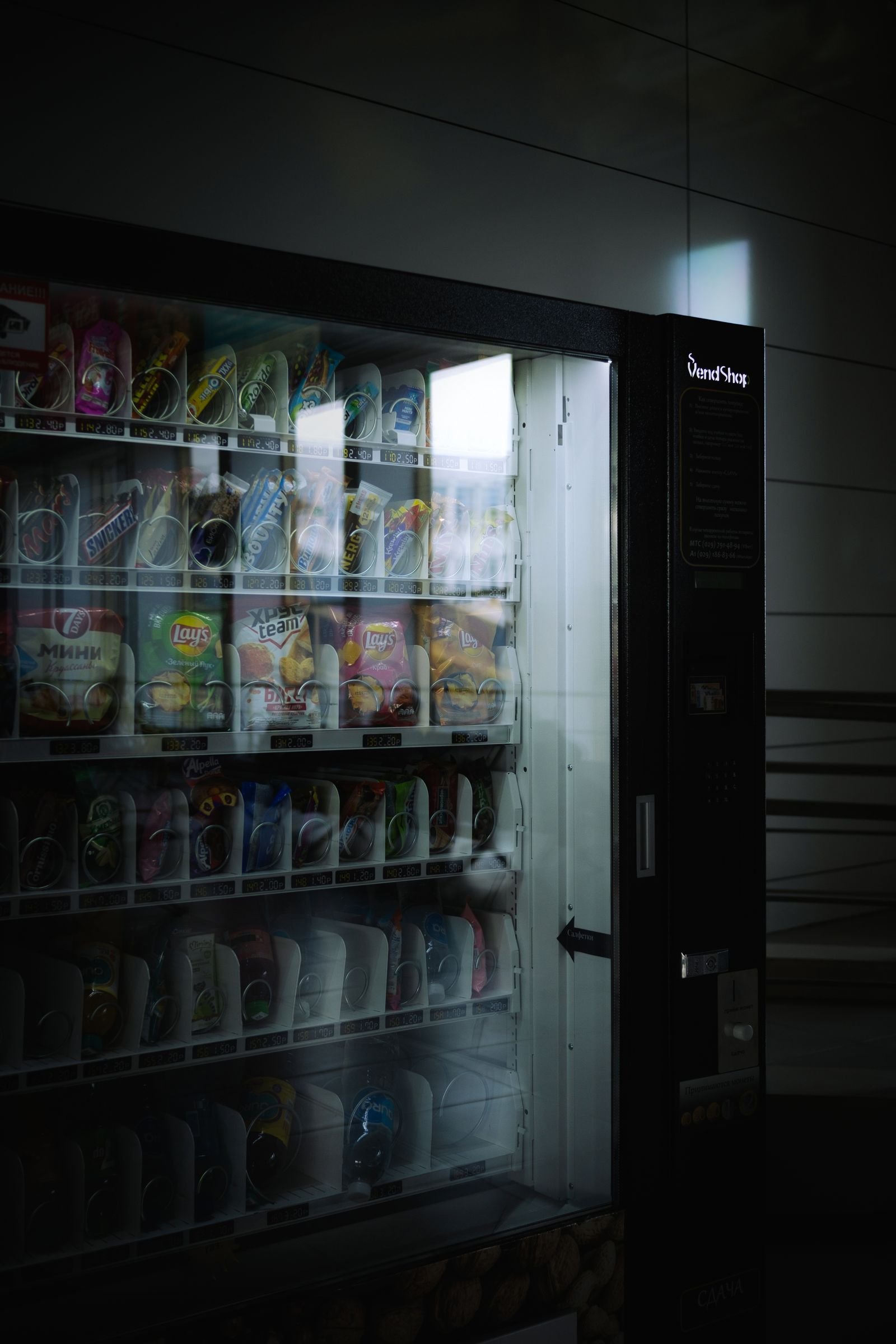
Dan works the night shift in a warehouse outside Columbus, Ohio. Every night at around 2 a.m. the break room fills with tired workers, and every night the same thing happens. Someone walks to the vending machine, presses a button, and finds the row empty. Someone else sighs, grabs a jacket, and walks across the road to the gas station for a candy bar and a bottle of water. Dan watched this happen for months before the obvious thought finally landed. The machine was not the problem. The spot was perfect. The machine was just empty, and nobody was looking after it.
That is the whole secret of this business in one scene. A vending machine earns money only when three things line up: a place where people already gather, a machine that is full, and an owner who shows up every week. This guide explains how to start a vending machine business with little money, in that exact order, with real numbers and no hype. You will learn how to win a location before you spend a dollar, how to buy a good used machine, what to stock, what it really costs, and when the first machine can pay for the second.
Three things matter most. First, the location comes before the machine, because a great machine in a dead spot earns nothing. Second, buy used and let the first machine fund the second, so your savings never carry the whole risk. Third, track every dollar and every product, because the numbers tell you when to grow and when to move a machine. Keep those three points in mind and the rest of this guide falls into place.
One empty machine and a good idea
Dan did not quit his job or take out a loan. He spent two weeks watching his own workplace the way a customer would. The warehouse ran three shifts, around 120 people in the building on a normal day. The break room had one old snack machine and one drink machine, both owned by a company nobody had seen in months. The snack machine was half empty, the drink machine took cash only, and the card reader had a handwritten out of order sign taped over it.
He asked the shift supervisor who owned the machines. The supervisor shrugged and said the contract had ended a year earlier and nobody had bothered to remove them. Dan asked the warehouse manager if he could take over the spot with his own machine. The manager said yes on one condition: the machine had to be stocked, clean, and working, every single week. Dan had found his first location before he had spent a dollar, and that is exactly how this business should start.
Most beginners do it backwards. They buy a machine first, park it in the garage, and then scramble to find a place that will take it. A machine with no home is just an expensive box. A signed location with no machine is a business waiting to happen. Start with the spot, and everything else gets easier.
How to start a vending machine business with little money
The order that works is simple: pick your product lane, win one location, buy one used machine, stock it with best sellers, add card payment, and run a tight weekly routine. Each step is small on its own. Together they keep your startup cost between $2,500 and $4,500, which is money most beginners can save, borrow from family, or build up over a few months without touching a bank loan.
That figure surprises people who expect a business to cost $20,000 or more. Vending is unusual because the biggest cost, the machine, has a healthy used market. Offices, schools, and gyms replace machines all the time, and good used units sell for a third of the new price. The rest of the cost is stock, a card reader, insurance, and a few licences. None of those needs to be expensive if you keep the operation to one machine and one location.
Before you spend anything, be honest about your time. One machine takes two to four hours a week: one restock visit, one cash count, and a little admin. That fits around a full time job, which is how most new operators start. If you cannot spare a few evening hours each week, this is not the right business yet, no matter how good the location looks.
Step 1: Pick your product lane
A product lane is simply the kind of machine you run. The classic choice is a snack and drink combo machine, one unit that sells both chips and bottled drinks. It suits offices, warehouses, gyms, and apartment buildings, and it keeps your startup cost to a single machine. Coffee machines earn well in offices but cost more to buy and need more cleaning. Healthy snack machines sound appealing but sell slowly in most workplaces, and fresh food machines need health permits and daily attention that a beginner should avoid.
For a first machine, pick the combo. It is the easiest to stock, the easiest to price, and the easiest to move if the location fails. Your customers are people who want something quick between tasks, not shoppers browsing a menu. Chips, candy bars, cookies, bottled water, soda, and energy drinks cover nearly every sale you will ever make. Start with the proven sellers and add variety later, once the sales data tells you what your specific crowd actually buys.
Think about who stands in front of the machine. In a warehouse, workers want filling snacks and cold drinks at 2 a.m. In a gym, they want water, protein bars, and sports drinks. In an office, they want coffee, chocolate, and small snacks for the afternoon slump. The location decides the menu, and you will learn the menu by watching what empties first.
Step 2: Win your first location before you buy anything
A location is a deal, not a hope. You need a written agreement with the property owner or manager that says your machine can sit in their building, how long the deal lasts, and what commission they receive. Most small sites take 10 to 25 percent of gross sales. Some take nothing, because a stocked machine is a perk for their staff or tenants. Get the agreement in writing even when the owner is friendly, because memories fade and managers change.
Good first locations share four traits: at least 40 people pass the spot each day, those people stay there for hours, there is no shop or cafe within easy walking distance, and the owner is easy to reach. Warehouses, small factories, auto repair shops, laundromats, apartment buildings, and offices with 30 or more staff all fit. Schools can work but often need district approval, so save them for later.

Walk the site before you pitch it. Count the foot traffic at the busiest hour. Look at the existing machines, if any, and note whether they are full or empty, clean or filthy. An empty, dirty machine is an opening, not a warning. It tells you the current operator has given up, and the building manager is probably ready for someone who actually shows up.
When you pitch, keep it short and lead with what the owner gains. Offer a clean, stocked machine, a weekly service visit, a phone number on the front for refunds and complaints, and a small commission on sales. Bring a one page proposal, not a sales speech. Many owners say yes on the spot, because a good vending service solves a small daily annoyance for them: hungry staff with nowhere to buy a snack.
Do not pay for a location at this stage. Some operators buy routes or pay placement fees, but a beginner with one machine should win the spot on reliability alone. If an owner demands a large upfront payment, walk away. There are plenty of buildings with tired machines and no one looking after them.
Step 3: Buy a used machine the smart way
A new combo machine costs $4,000 to $7,000 with a card reader fitted. A reliable used machine costs $1,500 to $3,500, and that single choice is what makes this business possible on a small budget. Buy from a reputable refurbisher who offers a short warranty, or from a local operator who is retiring or upgrading. Avoid online auction listings where you cannot test the machine before you pay.
Test everything before money changes hands. Plug the machine in and let it cool for an hour. Buy a drink and a snack from every row. Check that the cooling unit holds temperature, that the coin mechanism accepts bills and coins, and that the delivery flap opens and closes cleanly. Look inside the back for rust, chewed wiring, or signs of mice. Ask for the service history and the age of the compressor, because a dead compressor turns a bargain into a repair bill.
Choose a machine with a card reader already fitted, or budget $300 to $450 to add one. Cash only machines lose 20 to 30 percent of potential sales now, because so many customers no longer carry bills. A modern reader also gives you remote sales data, so you can see what sold without driving to the machine. That data is worth more than the reader costs, because it tells you exactly what to restock.
Moving the machine is a job for two people and an appliance dolly, or a local vending mover for $100 to $300. Measure the doorways at the location before delivery day. A machine that does not fit through the break room door is a problem you want to discover on paper, not in the parking lot.
Step 4: Stock what sells and price it right
Your first stock order should be small, boring, and proven. Buy the ten best selling snacks and the six best selling drinks in your area, and fill every row. Chips, pretzels, candy bars, cookies, and crackers cover the snack side. Bottled water, soda, sports drinks, and energy drinks cover the drink side. Skip the exotic flavours and the healthy bars until your sales data earns them a row.
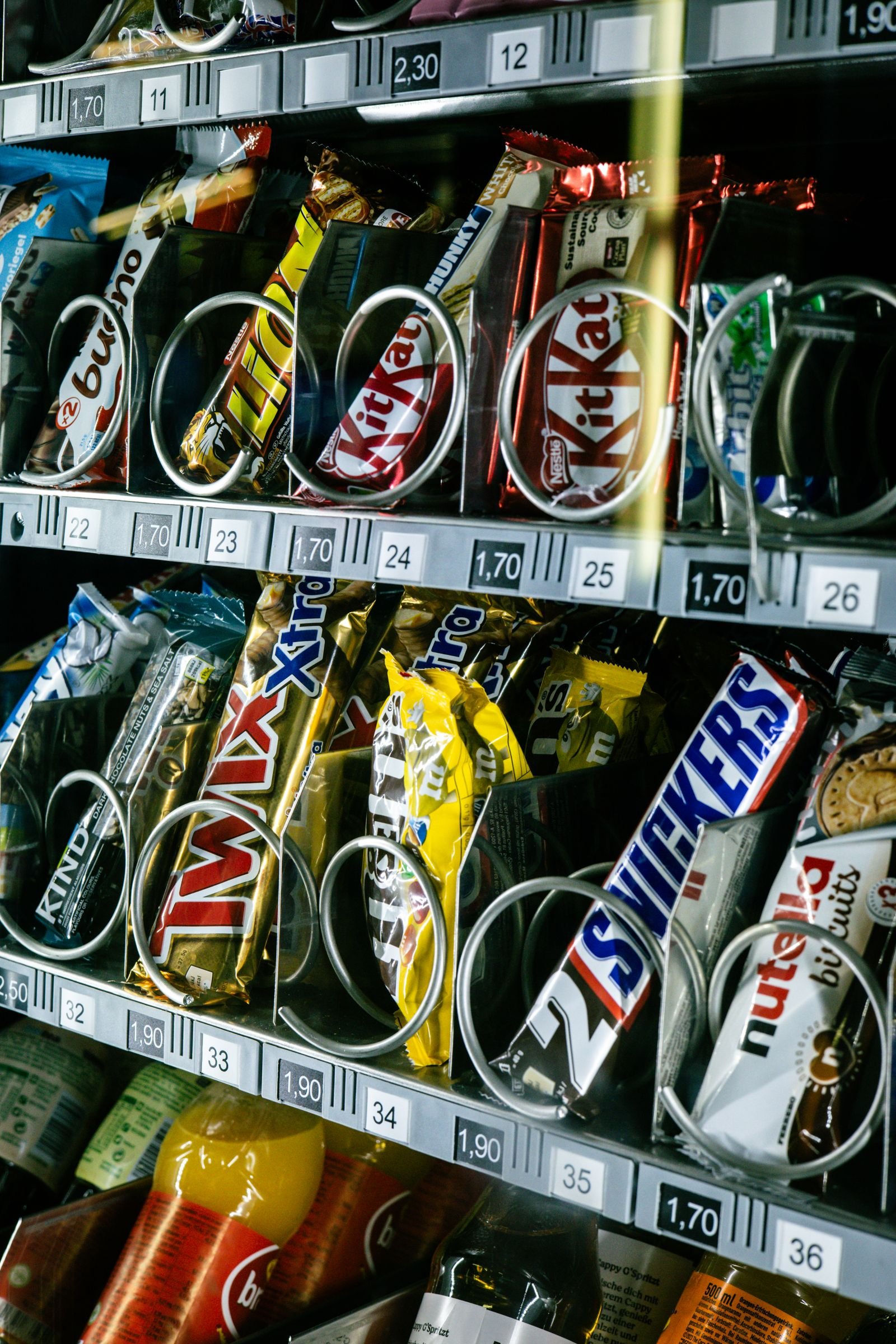
Buy stock from a wholesale club or a cash and carry warehouse, not from a supermarket shelf. A case of chips that costs $12 at a wholesale club might cost $18 at a grocery store, and that gap is your margin. Keep the first order under $300 to $600, and keep receipts for every case, because stock is a real business cost and you will need the numbers at tax time.
Price for a fair margin, not for the cheapest sale in town. A candy bar that costs you $0.60 should sell for $1.50 to $1.75. A bottle of water that costs $0.40 should sell for $1.25 to $1.50. A bag of chips that costs $0.70 should sell for $1.75 to $2.00. Those prices give you a gross margin near 55 to 60 percent before commission and costs, which is the cushion that makes the whole business work. Price too low and you will work hard for nothing. Price too high and the rows stay full while customers walk to the gas station.
Watch the first month like a hawk. The products that empty first are your winners, and they deserve more rows. The products that sit untouched for two weeks are dead stock, and they should be swapped out. If you track stock levels carefully, this becomes a simple routine rather than a guessing game, and a clear guide to tracking inventory for a small shop covers the same counting habits in detail.
Step 5: Take card payments from day one
Card payment is no longer a luxury for a vending operator. Most customers under 40 expect to tap a card or a phone, and a machine that takes cash only will lose sales every single day. Fit a cashless reader before the machine goes live, and test it with your own card and phone before the first customer arrives.
The reader costs $300 to $450 to buy, plus a small monthly fee and a few percent on each sale. That sounds like a lot on a small budget, but the reader usually pays for itself within the first month, because it recovers the sales you would have lost to customers with no cash. It also removes the nightly worry about a full cash box, because most of your money arrives by bank transfer.
Keep a small amount of change in the machine anyway. Some customers still pay cash, and a machine that cannot give change will eat their dollar and their trust in one move. Check the coin levels on every visit, and put your phone number on the front of the machine so a customer who loses money can reach you. Refunding a dollar quickly buys more goodwill than any advertising ever will.
What it really costs
Here is an honest startup budget for one used combo machine in one location. Treat every figure as a range, because prices vary by city, but the total should land between $2,500 and $4,500.
Used combo machine in good condition: $1,500 to $3,500. Card reader, if not already fitted: $300 to $450. First stock order: $300 to $600. Business registration and local licence: $50 to $400. General liability insurance for the first year: $300 to $600. Moving the machine: $100 to $300. Cleaning supplies and a small float of coins: $50 to $100.
That is the whole list. There is no rent, no staff, and no shop fit out. The machine sits in someone else’s building, the customers come to it, and your main job is keeping it full. If the total looks high, remember that the machine itself is an asset you can resell. A used machine bought well holds most of its value, so your real risk is far smaller than the headline number.
Keep a separate bank account for the business from day one, even if it is just a free checking account in the business name. Mixing business money with household money is the fastest way to lose track of whether the machine is actually earning. The same habit applies to tracking what you spend, and a plain approach to tracking spending without a budgeting app works well for a one machine operation.
How the money works: a worked example
Let us run the numbers on a single machine in a decent warehouse location, using figures the top guides agree on. The machine sells 25 items a day at an average price of $1.75. That is $43.75 a day, or about $1,312 a month if the building runs every day. Product cost runs about 40 percent of sales, so stock costs about $525 a month. The location takes a 15 percent commission, about $197 a month. The card reader fees come to about $40 a month. That leaves roughly $550 a month before insurance and small running costs.

Insurance and odds and ends take about $60 a month, leaving a net of roughly $490 a month. Your machine and setup cost $3,500, so the machine pays for itself in about seven months. After that, the same $490 a month is profit for the time you spend restocking, plus a small reserve for repairs. Those figures assume a good location and a full machine. A weak location might earn half that, which is why the location matters more than anything else in this guide.
Two warnings belong here. First, those are typical figures, not a promise. Your city, your location, and your product mix will move the numbers up or down. Second, the first month is always the slowest, because customers need a few weeks to notice the machine is stocked and working again. Judge a location after two full months, not after two weeks.
Set aside tax money from the start. In the United States, vending income is self employment income, and you will owe self employment tax of 15.3 percent plus income tax on the profit. Put 25 to 30 percent of your net profit into a separate savings account each month, and talk to a local tax adviser before your first tax return. The Internal Revenue Service lets you apply for an EIN free of charge, and many operators like using one on invoices and tax forms instead of a Social Security number.
The weekly routine that keeps machines earning
A vending business is a routine business. The operators who earn steadily are not cleverer than the rest, they just show up on the same day every week and do the same jobs in the same order. Pick a restock day and keep it sacred. Tuesday and Thursday evenings work well for workplaces, because the machine is full for the busiest days and you are not fighting weekend traffic.
On each visit, do five things. First, count the cash and record it in a notebook or a simple spreadsheet, with the date and the machine name. Second, note which rows are empty and which are barely touched, because that is your restock list for next week. Third, fill every empty row and wipe the glass and the payment panel. Fourth, check the cooling temperature and listen for strange noises from the compressor. Fifth, take a photo of the full machine, so you have a record if a customer later claims a product was missing.
Counting stock properly is a skill worth learning early, and a practical guide to doing a stocktake in a small shop explains the same counting routine in a shop setting. The habit is identical: count what is there, compare it with what you bought, and the gap is what you sold. That gap is the most honest number in the whole business.
Keep a simple log for each machine: date, cash collected, card sales, stock added, and any faults. After two months you will know the exact weekly profit of every machine you own, and that knowledge is what lets you decide where to place machine number two.
Mistakes that eat a small budget
The most expensive mistake is buying the machine before the location. A machine in a garage earns nothing and still needs insurance, storage, and your attention. Win the spot first, in writing, and only then hand over money for hardware.
The second mistake is buying the cheapest machine on the internet without testing it. A $800 machine with a dying compressor costs more than a $2,500 machine that runs for five years. Test every row, listen to the compressor, and buy from someone who will answer the phone if it breaks in week two.
The third mistake is stocking what you like instead of what sells. Your personal taste in snacks is irrelevant. The sales data is the only opinion that counts. If protein bars sit untouched for a month in a warehouse, swap them for chips and move on. Sentimentality about a product is a quiet way to lose money.
The fourth mistake is ignoring the machine for weeks. An empty row is a lost sale, and a dirty machine tells customers the owner does not care. One skipped visit can cost more in lost sales than the whole visit would have taken in time. The weekly routine is the business.
The fifth mistake is forgetting the paperwork. An unregistered business, missing sales tax permit, or lapsed insurance policy can turn a small side income into a fine or a lawsuit. Check your city and county rules before the machine goes live, and check whether fresh or refrigerated food needs a health permit in your area. The FDA requires calorie labelling for operators with 20 or more machines, so a one machine beginner is clear of that rule for now.
When to buy machine number two
Buy machine number two only when machine number one has done three things: it has paid for itself, or is clearly on track to do so within a year; it earns a steady net profit for three months in a row; and you already have a second location signed in writing. All three conditions matter. A machine that is still losing money does not deserve company, and a second machine with no home is the same expensive box as the first one was.
Fund the second machine from the first machine’s profits where possible. That keeps your personal savings out of the business and forces the discipline that makes routes grow safely. If machine one nets $490 a month, you can save for a $2,500 used machine in about five months, and the route grows by one machine every few months after that.
Small operators run most of the United States vending industry. Industry data quoted in the top guides shows small operators are about half of all operators, and they win by serving the places big routes skip: small offices, auto shops, gyms, apartment buildings, and job sites. That is your lane. You do not need to beat the big companies. You need to be the reliable person in five or ten small buildings who shows up every week.
Conclusion
Knowing how to start a vending machine business with little money is a practical plan, not a fantasy, and the order matters more than the budget. Win one good location first. Buy one reliable used machine. Stock it with proven sellers, take card payments from day one, and run a tight weekly routine. Track every dollar and every product, because the numbers will tell you when to grow and when to move.
Dan’s warehouse machine now earns a steady profit, and he is saving for a second machine in the auto shop two streets away. He still works his night shift, and he still restocks on Thursday evenings. The business did not make him rich overnight, and it never promised to. It gave him a second income that grows one machine at a time, funded by the machines themselves. That is the honest promise of this business, and it starts with one location, one used machine, and one weekly visit.
Frequently asked questions
How much money do I need to start a vending machine business
A realistic start is $2,500 to $4,500 for one used combo machine, stock, a card reader, insurance, and licences. Buying used is the single biggest saving, because a reliable used machine costs $1,500 to $3,500 against $4,000 to $7,000 new.
Can I start a vending machine business with little money
Yes, if you win the location before you buy the machine and you buy used. The location costs nothing but your time to pitch, and a used machine plus stock can be funded from savings or from a few months of disciplined saving. Avoid loans for a first machine.
How much does a vending machine make per month
A well placed combo machine typically nets $200 to $600 a month after product costs, commission, and fees. The worked example in this guide lands near $490 a month in a busy warehouse. A weak location can earn far less, which is why the location matters more than the machine.
Do I need a licence to run a vending machine
Most cities and counties require a general business licence, and you will usually need a sales tax permit to collect and remit sales tax. Some places need a separate vending permit or a sticker for each machine. Check with your city or county clerk before the machine goes live, and ask the health department whether refrigerated food needs a permit.
Should I buy a new or used vending machine
Buy used for your first machine. A reliable used machine costs about a third of new, proves the location before you invest more, and holds most of its resale value. Test every row, check the cooling unit, and buy from a refurbisher or a local operator who offers a short warranty.