
If you have spent any time browsing skincare forums or scrolling through beauty TikTok, chances are you have come across The Ordinary Glycolic Acid 7% Exfoliating Toner. It is one of those rare products that manages to be both a cult favorite and a genuine dermatological workhorse. But what does this affordable little toner actually do, who should use it, and how do you get the best results without irritating your skin?
This guide walks through everything you need to know about the ordinary glycolic acid toner, from the science behind the formula to a realistic usage timeline, so you can decide whether it belongs in your routine and how to use it properly if it does.
What Is The Ordinary Glycolic Acid Toner
The Ordinary Glycolic Acid 7% Exfoliating Toner is a water based, leave on toner formulated with 7% glycolic acid, an alpha hydroxy acid derived primarily from sugar cane. It sits at a pH of roughly 3.5 to 3.9, which is acidic enough to exfoliate effectively while remaining tolerable for most skin types when introduced gradually.
Unlike a physical scrub that manually buffs away dead skin, this toner works chemically. It loosens the bonds that hold dead skin cells together on the surface of your face, allowing them to shed more evenly. The result is smoother texture, a brighter complexion, and a more even tone over time.
Priced around nine to thirteen dollars depending on where you buy it, this product has become a go to option for people who want prestige level results without a prestige level price tag. It is part of The Ordinary’s larger lineup of direct acids, which also includes lactic acid, salicylic acid, and mandelic acid formulations.
How Glycolic Acid Works on the Skin
Glycolic acid has the smallest molecular size of all the common alpha hydroxy acids. That small size lets it penetrate the skin’s surface quickly and effectively, which is part of why it is considered one of the more potent AHAs available in over the counter skincare.
Once absorbed, glycolic acid dissolves the “glue” between dead skin cells, a process dermatologists refer to as desquamation. This encourages cell turnover, meaning fresher, healthier looking skin rises to the surface faster than it would naturally.
Beyond exfoliation, glycolic acid also has a mild effect on collagen production with consistent, long term use. It will not replace a retinoid for anti aging purposes, but many users notice a gradual softening of fine lines and improved skin firmness alongside the brightening effects.
Key Benefits of Using The Ordinary Glycolic Acid
The reason this toner has such a loyal following comes down to the range of visible improvements people report with regular use.
Smoother texture. Regular exfoliation reduces the appearance of rough patches, bumps, and uneven skin surface, leaving skin that feels noticeably softer to the touch.
Brighter, more even tone. By clearing away the buildup of dull, dead skin, glycolic acid helps reveal a more radiant complexion underneath.
Reduced appearance of dark spots. While it will not erase deep pigmentation, consistent use can fade the look of surface level discoloration and post breakout marks over several weeks.
Minimized fine lines. The gentle stimulation of cell turnover can soften the appearance of fine lines, particularly around areas prone to dryness and early aging signs.
Improved product absorption. Because it clears away dead surface cells, glycolic acid can help serums and moisturizers penetrate more effectively afterward.
Affordability. At under fifteen dollars for a large bottle, it delivers results comparable to toners that cost three or four times as much.
Who Should and Should Not Use This Product
Glycolic acid is versatile, but it is not universally appropriate. Understanding your own skin type and current skin condition matters more than any general recommendation.
Good candidates
People with normal, combination, or oily skin who deal with dullness, mild texture irregularities, or occasional dark spots tend to respond well to this toner. It also suits those who are already comfortable with chemical exfoliants and want to introduce a more active formula into their routine.
Proceed with caution
Those with dry or naturally reactive skin can still use glycolic acid, but should start slowly, perhaps once or twice a week, and pair it with extra hydration. Because AHAs increase photosensitivity, anyone who spends a lot of time outdoors needs to be especially diligent with sunscreen.
Skip it for now
Anyone with active eczema, rosacea flare ups, sunburned skin, or a compromised skin barrier should avoid this product until their skin has fully healed. The Ordinary itself advises against use on sensitive, peeling, or compromised skin. If you are new to skincare acids entirely, it may be worth starting with a gentler option like lactic acid before working up to glycolic acid.
It is also worth noting that individuals with deeper skin tones should be cautious, since irritation from any chemical exfoliant can sometimes trigger post inflammatory hyperpigmentation. A patch test and gradual introduction are especially important in this case.
How to Use The Ordinary Glycolic Acid Toner Properly
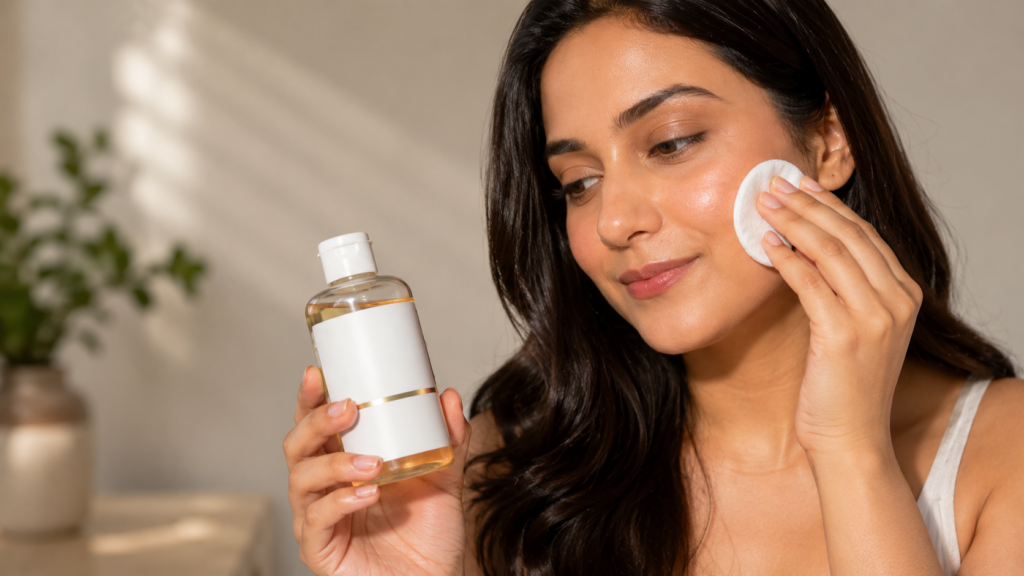
Getting good results from this toner is less about the product itself and more about how consistently and correctly you apply it.
- Cleanse your face thoroughly and pat it dry.
- Saturate a cotton pad with the toner.
- Sweep it across your face and neck, avoiding the delicate eye area.
- Let it absorb fully before applying the next step in your routine.
- Follow with a hydrating serum or moisturizer to support your skin barrier.
- Apply sunscreen the following morning without exception.
For beginners, using the toner two to three times per week in the evening is the safer starting point. Once your skin builds tolerance over several weeks, you can gradually increase to nightly use if your skin handles it comfortably.
Do not rinse the product off. It is designed to remain on the skin so the glycolic acid has time to work. Avoid layering it with other direct acids, strong retinoids, pure vitamin C, or peptide based products in the same routine, since combining multiple actives can overwhelm the skin barrier and increase irritation.
Building a Skincare Routine Around Glycolic Acid
A well structured routine determines whether this toner delivers glowing results or ends up causing frustration.
Evening routine example
Start with a gentle cleanser, follow with the glycolic acid toner, then apply a hydrating serum such as one containing hyaluronic acid, and finish with a barrier supporting moisturizer. This order allows the acid to work while the following steps replenish moisture that exfoliation can temporarily strip away.
Morning routine example
In the morning, cleanse lightly, apply antioxidant serums like vitamin C if your skin tolerates it, moisturize, and always finish with a broad spectrum sunscreen of at least SPF 30. Skipping sunscreen while using glycolic acid significantly raises the risk of sun damage and pigmentation.
What to avoid pairing it with
Retinoids, other direct acids such as salicylic or lactic acid, pure vitamin C, and peptide serums should generally not be used in the same session as glycolic acid. Alternating these actives between morning and evening, or between different nights of the week, keeps your barrier intact while still letting you enjoy the benefits of each ingredient.
What Results to Expect Over Time
Patience matters with any exfoliating acid, and setting realistic expectations helps avoid disappointment or overuse.
Week one to two. Skin may feel slightly more sensitive as it adjusts. Some people notice a subtle smoothness almost immediately, while others see little change yet.
Week three to four. Texture improvements typically become more noticeable. Skin often looks brighter, and makeup may start applying more smoothly.
Month two to three. This is usually when the more meaningful changes appear, including a reduction in the look of dark spots, more even tone, and softer fine lines. Consistency during this stretch matters far more than frequency.
Beyond three months. With continued, careful use, many people maintain a steady state of improved radiance and texture, using the product as part of a long term maintenance routine rather than a short term fix.
Everyone’s skin responds on its own timeline, and factors like your skin type, environment, and how consistently you use sunscreen all influence how quickly you notice a difference.
Common Side Effects and How to Handle Them
Even a well tolerated product like this one can cause some adjustment period reactions, especially for first time users of chemical exfoliants.
Mild tingling or a slight warming sensation upon application is normal and usually fades within a minute. Persistent burning, however, is a sign to rinse off and reduce frequency.
Some redness or flaking can occur in the first couple of weeks as your skin adjusts to increased cell turnover. This typically resolves as tolerance builds, provided you are not overusing the product.
Increased sun sensitivity is one of the most important side effects to manage. Glycolic acid thins the outermost layer of dead skin, which leaves the fresh skin underneath more vulnerable to UV damage. Daily sunscreen is not optional while using this toner.
If you experience blistering, significant swelling, or irritation that does not improve within a few days of stopping use, discontinue the product and consult a dermatologist.
The Ordinary Glycolic Acid vs Other Exfoliating Acids
Understanding how this toner compares to other options in The Ordinary’s lineup and beyond can help you choose the right exfoliant for your specific concerns.
Glycolic acid versus lactic acid. Lactic acid has a larger molecule size, meaning it penetrates more slowly and tends to be gentler, making it a better starting point for sensitive or very dry skin. Glycolic acid works faster and more intensely, suiting those who already tolerate exfoliating acids well.
Glycolic acid versus salicylic acid. Salicylic acid is oil soluble and penetrates into pores, making it more effective for oily or acne prone skin dealing with blackheads and congestion. Glycolic acid works primarily on the surface and is better suited to concerns about tone and texture rather than active breakouts.
Glycolic acid versus mandelic acid. Mandelic acid has an even larger molecule size than lactic acid, making it the gentlest AHA option and a good choice for those with reactive or melanin rich skin who want exfoliation with a lower irritation risk.
The Ordinary’s own AHA 30% plus BHA 2% Peeling Solution. This is a much stronger, weekly use exfoliating mask rather than a daily toner. It delivers more intense results but carries a higher risk of irritation and is not meant for frequent use the way the 7% toner is.
Choosing between these options ultimately comes down to your skin’s sensitivity level, your primary concern, and how your skin has responded to acids in the past.
Tips From Experienced Users and Skincare Professionals
Years of community feedback and dermatological guidance around this product have surfaced a few practical lessons worth knowing before you start.
Introduce it slowly, even if your skin has handled other acids well in the past. Every formula behaves a little differently, and glycolic acid’s small molecule size makes it more potent than many people expect.
Keep a consistent skincare routine around it. Glycolic acid works best when paired with steady hydration and a reliable moisturizer, since exfoliation alone can leave skin feeling tight or dehydrated without proper support.
Do not judge results too early. Many people stop after a week because they do not see dramatic change, when the real improvements typically show up closer to the one to two month mark.
Store the product away from direct sunlight and heat, and keep the cap tightly closed, since exposure to air and light can gradually reduce the potency of active ingredients over time.
Finally, resist the urge to combine too many actives at once. A simple, well spaced routine consistently outperforms an aggressive one that overwhelms the skin barrier.
Conclusion
The Ordinary Glycolic Acid 7% Exfoliating Toner has earned its popularity for good reason. It offers a genuinely effective, dermatologically sound way to improve skin texture, brighten dullness, and even out tone, all without the steep price tag often attached to similar formulas. The key to success lies in using it thoughtfully: start slow, protect your skin with sunscreen, avoid stacking it with conflicting actives, and give it enough time to show its full effect.
Whether you are new to chemical exfoliation or simply looking for a reliable, budget friendly option to add to an established routine, this toner remains one of the most well rounded choices available. Used consistently and with care, the ordinary glycolic acid toner can become a quiet but powerful part of healthier, more radiant looking skin.
Frequently Asked Questions
Can I use The Ordinary Glycolic Acid toner every day?
Once your skin has built tolerance, daily evening use is generally fine for most skin types. Beginners should start with two to three times a week and increase gradually.
Does The Ordinary Glycolic Acid help with acne scars?
It can improve the appearance of surface level marks and post breakout discoloration over time, but it is not designed to treat deep or textured acne scarring, which usually requires more targeted treatments.
Can I use this toner with vitamin C or retinol?
It is best not to use it in the same routine as pure vitamin C or strong retinoids, since combining these actives increases irritation risk. Alternating them between morning and evening, or different days, is a safer approach.
Is The Ordinary Glycolic Acid suitable for sensitive skin?
It can be too strong for very reactive or compromised skin. Those with sensitive skin should patch test first and consider starting with a gentler acid like lactic or mandelic acid instead.
How long does it take to see results from glycolic acid?
Subtle improvements in texture can appear within two to four weeks, while more noticeable changes in tone and brightness typically develop over eight to twelve weeks of consistent use.