
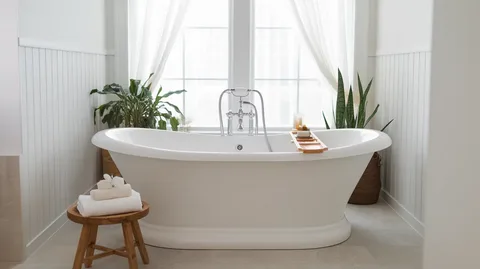
Have you ever stood in a bathroom showroom staring at a giant, oval, freestanding tub? Many people wonder what it actually is and whether they need one. A garden tub is one of those terms that gets thrown around a lot in home renovation. Most homeowners only have a vague idea of what separates it from a regular soaking tub or a whirlpool.
This guide walks through what a garden tub really is. It covers typical sizes, what you can expect to pay, and how to decide if one fits your space, your habits, and your budget. We will also cover details that often get left out, like water heater strain, accessibility, and how to know if a garden tub is quietly becoming a liability rather than a luxury.
What Is a Garden Tub
A garden tub is a large, deep soaking bathtub. It is usually freestanding and often oval in shape, built for long, relaxing baths rather than quick showers. Unlike a standard alcove tub, it typically skips the showerhead. It is also not meant to be tucked between three walls.
The name has an interesting backstory. European aristocrats in the 1700s placed deep zinc tubs in conservatories or garden facing rooms. This let them bathe while looking out at their landscaped grounds. The term stuck, even though almost every garden tub today is installed indoors, far from an actual garden.
Three traits work together to earn a tub the garden tub label: generous depth, a wide soaking well, and a design that puts relaxation ahead of practicality. A shallow, narrow tub that shares space with a shower curtain does not qualify. A roomy, deep tub meant to be the visual centerpiece of the bathroom almost always does.
Garden Tub vs Other Tub Styles
It helps to see how a garden tub stacks up against the other bathtub types you will encounter while shopping.
Garden tub vs standard tub. A standard tub is usually 14 to 16 inches deep and built into an alcove with a shower attachment. A garden tub often starts at 20 inches deep or more and stands on its own, without a shower combo.
Garden tub vs soaking tub. Every garden tub is technically a soaking tub, but not every soaking tub earns the garden tub label. Soaking tubs can be compact and corner mounted. Garden tubs lean into a larger, more sculptural presence in the room.
Garden tub vs whirlpool tub. Whirlpool and jetted tubs add water jets for massage. A classic garden tub relies purely on depth and shape for comfort. Some manufacturers now blend the two, offering garden tub proportions with optional jets.
Garden tub vs walk in tub. Walk in tubs prioritize a low entry threshold and safety features for people with mobility concerns. Garden tubs go the other way. They favor a deep, immersive soak that requires stepping over a higher wall to get in.
Typical Garden Tub Sizes and Dimensions
Size is where garden tubs really set themselves apart. Here is a general breakdown of what to expect when comparing options.
| Feature | Standard Tub | Garden Tub |
|---|---|---|
| Depth | 14 to 16 inches | 20 inches or more |
| Shape | Rectangular | Oval, rounded, or slipper |
| Water capacity | Around 65 gallons | Up to 96 gallons |
| Floor space | 15 square feet or less | Up to 25 square feet |
| Shower included | Often yes | Rarely |
These numbers vary by brand and model. Always check the manufacturer’s specification sheet before assuming a tub will fit your layout. A few inches in either direction can be the difference between a comfortable fit and a bathroom that feels cramped.
Most garden tubs range from about 60 to 72 inches long and 40 to 48 inches wide. Oversized models built for two people can exceed those figures considerably. Measure the full footprint if your bathroom is on the smaller side. Include the clearance needed to walk around the tub, not just the tub itself.
How Much Does a Garden Tub Cost
Garden tub pricing depends heavily on material, brand, and whether you are buying the tub alone or paying for a full installation.
Budget acrylic or fiberglass models typically start around 400 to 900 dollars for the tub alone. Mid range options in enameled steel or higher grade acrylic often land between 1,000 and 2,500 dollars. Premium cast iron, stone resin, or designer models can run from 3,000 dollars well into five figures for statement pieces.
Installation adds another significant chunk to the total. Labor for a straightforward swap typically runs 500 to 2,000 dollars. Costs climb higher if plumbing needs to be relocated, the subfloor needs reinforcement, or the room requires structural changes to support the tub’s weight when filled.
Budget for a dedicated tub filler faucet too, since garden tubs almost always require one instead of a standard tub spout. Floor mounted or deck mounted fillers range from 150 dollars for basic models to well over 1,000 dollars for designer finishes.
A realistic total project budget for a new garden tub installation often falls somewhere between 1,500 and 6,000 dollars. High end custom projects can exceed that range.
Water Usage and Water Heater Considerations
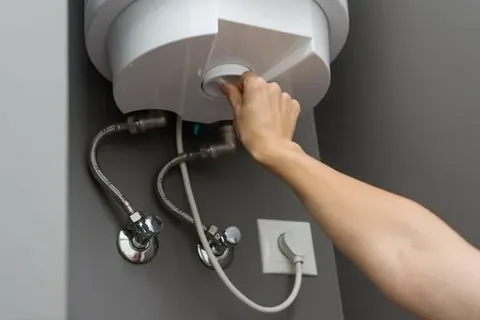
This is one of the most overlooked parts of owning a garden tub. These tubs can hold 80 to 96 gallons of water, compared to roughly 65 gallons in a standard tub. Filling one completely can push an undersized water heater to its limit.
A standard 40 to 50 gallon residential water heater may struggle to fill a large garden tub with consistently hot water in one go. This is less of a concern if you already have a tankless or high capacity water heater. If not, check your unit’s first hour rating before committing to the largest tub on the showroom floor.
Think about your monthly utility bill too. Filling a nearly 100 gallon tub multiple times a week adds up quickly, both in water usage and the energy required to heat it. Some homeowners choose a mid sized garden tub specifically to strike a balance between the deep soak experience and a more reasonable water draw.
Is a Garden Tub Right for You
Run through a short gut check before falling in love with a photo online.
Do you actually take baths regularly, or do showers make up nearly all of your bathing routine? A garden tub without a shower attachment means a separate shower somewhere else in the home, which is not always practical in a single bathroom household.
Your daily pace matters as well. People who value a slow, unwinding evening routine tend to get the most use out of a garden tub. Those who need to move quickly through their morning routine may find the tub becomes more decorative than functional.
Space and budget carry just as much weight as lifestyle. A garden tub can crowd the walkway in a compact bathroom and make the room feel smaller rather than more luxurious. It is also a real cost to consider if your water heater or plumbing cannot comfortably support the added volume.
A garden tub may cause daily frustration rather than deliver the relaxation it promises if you answered no to having a separate shower option, or if your household leans heavily toward quick showers.
Accessibility and Safety Considerations
This is an area many garden tub guides skip entirely, yet it matters for a lot of households.
Getting in and out of a garden tub means stepping over a wall that is often 18 to 22 inches high, since these tubs are deep by design. For older adults, people recovering from surgery, or anyone with limited mobility, this can turn a relaxing feature into a genuine safety hazard.
Consider pairing a garden tub with grab bars rated for wet environments if accessibility is a concern now or is likely to become one in the coming years. A slip resistant tub mat and a step stool designed for bathroom use help too. Some homeowners planning to age in place choose a lower profile soaking tub instead. They reserve the full garden tub experience for a secondary bathroom that different household members use.
The tub’s interior surface matters as well. Textured acrylic and stone resin finishes tend to offer better footing than glossy enamel when wet, which is a small detail that makes a real difference in daily use.
Garden Tub Materials Compared
The material you choose affects price, weight, heat retention, and long term maintenance.
Acrylic is the most common choice for modern garden tubs. It is lightweight, relatively affordable, and holds heat reasonably well, though it can scratch over time.
Enameled cast iron delivers excellent heat retention and a classic look. It is extremely heavy, though, which may require floor reinforcement, and it carries a higher price tag.
Fiberglass is the budget friendly option. It is light and inexpensive but tends to lose heat faster and shows wear sooner than acrylic or cast iron.
Stone resin and composite materials sit at the premium end. They offer a substantial, high end feel along with strong heat retention, though the price point sits closer to cast iron.
Maintenance Tips for Garden Tubs
Keeping a garden tub looking new is not complicated, but a few habits go a long way.
Wipe down the tub after each use with a soft cloth. This prevents water spots and mineral buildup, especially if you have hard water. Avoid abrasive cleaners on acrylic and fiberglass surfaces, since they can dull the finish and create fine scratches that trap grime over time.
Check the caulking around the base every six months or so. Seams can shift slightly over years of use, since garden tubs are large and heavy when filled. Fresh caulk prevents water from seeping into the subfloor.
Run a cleaning cycle with a dedicated jet cleaner every month or two for jetted or whirlpool style garden tubs. This keeps the internal lines free of soap scum and bacteria buildup.
When Replacement Makes More Sense
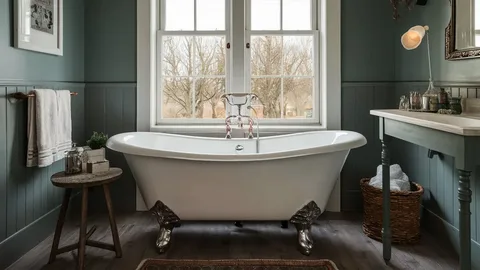
Garden tubs were extremely popular in primary bathrooms built during the 1980s and 1990s. Many of those original tubs are still in homes today. Replacement is worth considering if yours rarely gets used, takes up valuable floor space, or feels out of step with a more modern bathroom design.
Converting the space into a larger walk in shower is the most common alternative. This tends to appeal to households that lean heavily toward showers over baths anyway. It also tends to make the bathroom feel more open, since garden tubs often occupy considerably more floor space than a comparable shower enclosure.
A compact freestanding soaking tub can offer a similar experience with a smaller physical and water usage footprint if you still want a deep soak but the oversized footprint no longer fits your needs.
Conclusion
A garden tub can turn an ordinary bathroom into a genuine retreat, offering a deep, full body soak that a standard tub simply cannot match. The tradeoff is real, though. Garden tubs demand more floor space, more water, and often a stronger water heater, and their higher walls are not ideal for everyone.
Measure your space carefully before you buy. Confirm your water heater can keep up, and be honest about whether baths are a regular part of your routine or an occasional indulgence. A well chosen garden tub, in a material and size that suits your bathroom and budget, can be one of the most rewarding upgrades you make to your home if the fit is right.
Frequently Asked Questions
Is a garden tub the same as a jacuzzi?
Not exactly. A garden tub is defined by its depth and soaking focused shape. A jacuzzi or whirlpool tub specifically includes water jets for massage. Some manufacturers do combine both features into a single product.
Can a garden tub be installed outdoors?
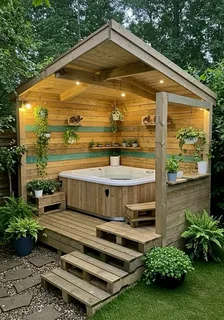
Yes, though it is uncommon today. Outdoor installation requires weatherproof materials, a solid base, and planning for freezing temperatures in colder climates, which is why most modern garden tubs are installed indoors.
Do garden tubs always come with a shower?
No. Most garden tubs are designed purely for soaking and do not include a shower attachment, so a separate shower is usually needed elsewhere in the bathroom.
How long does it take to fill a garden tub?
This depends on your home’s water flow rate and the tub’s capacity. Larger garden tubs can take 15 to 20 minutes or longer to fill completely, especially with a standard faucet rather than a high flow tub filler.
Are garden tubs still popular in new home construction?
Their popularity has declined somewhat as more homeowners prioritize walk in showers and space efficient layouts. Garden tubs remain a sought after feature in primary bathrooms designed for a spa like feel.