
If you landed here typing “25 nm to ft lbs” into Google, you probably need the number right now, not a physics lecture. So here it is upfront.
25 Nm equals approximately 18.44 ft lbs.
That single figure covers most people’s needs, whether you are torquing a spark plug, checking an oil drain plug, or double checking a service manual spec before you pick up your torque wrench. But the full story behind that number, and how to use it safely and accurately, is worth a few more minutes of your time.
In this guide, you will get the exact math, a printable style conversion chart, real world examples of where 25 Nm shows up, and answers to the questions people usually ask right after they get their conversion. No fluff, no filler, just the information you actually need.
What Is 25 Nm In Ft Lbs
To answer it plainly: 25 Nm converts to about 18.44 ft lbs. If you want more decimal precision, the exact figure is 18.4391 ft lbs, based on the internationally recognized conversion constant.
For everyday workshop use, rounding to two decimal places is more than enough. Torque wrenches rarely offer that level of granularity anyway, so 18.4 ft lbs or even 18.5 ft lbs will get the job done in most situations.
If your project calls for tighter tolerances, such as aerospace work or precision electronics assembly, you will want to keep the extra decimals and use a torque wrench or torque screwdriver rated for that accuracy range.
The Formula Behind The Conversion
Torque conversion between the metric and imperial systems relies on one constant. Once you know it, you can convert any Nm value to ft lbs in your head or on a calculator without needing to search for it again.
The formula is straightforward:
Foot pounds = Newton meters multiplied by 0.7376
So for 25 Nm, the calculation looks like this:
25 x 0.7376 = 18.44 ft lbs
If you ever need to go the other direction, from ft lbs back to Nm, simply divide by 0.7376, or multiply by 1.3558, which is the inverse constant. For example, 18.44 ft lbs multiplied by 1.3558 brings you right back to approximately 25 Nm.
This constant comes from the exact SI definitions of the units involved. One foot equals exactly 0.3048 meters, and one pound force equals exactly 0.45359237 kilograms multiplied by standard gravity, 9.80665 meters per second squared. Multiply those together and you land on the conversion factor engineers and manufacturers rely on worldwide.
Why Torque Units Even Matter
Torque measures rotational force, the twisting effort you apply when tightening a bolt, nut, or fastener. Picture a wrench turning a bolt. The force you apply, combined with the length of the wrench arm, produces torque.
Longer wrench, same amount of push, means more torque. That is the basic physics at play every time you tighten anything with a wrench or torque driver.
The reason unit conversion matters so much comes down to where a product or vehicle was manufactured. European and Japanese manufacturers typically publish torque specifications in Newton meters because Nm is the standard SI unit. American manufacturers and older service manuals often use foot pounds instead.
If you own an import vehicle but your torque wrench is calibrated in ft lbs, or vice versa, getting the conversion right is not optional. It directly affects whether a fastener is properly secured or at risk of failure.
Nm To Ft Lbs Conversion Chart
Below is a quick reference chart covering the most commonly searched torque values, so you do not need to run the math every time.
| Newton Meters (Nm) | Foot Pounds (ft lbs) |
|---|---|
| 5 Nm | 3.69 ft lbs |
| 10 Nm | 7.38 ft lbs |
| 15 Nm | 11.06 ft lbs |
| 20 Nm | 14.75 ft lbs |
| 25 Nm | 18.44 ft lbs |
| 30 Nm | 22.13 ft lbs |
| 35 Nm | 25.82 ft lbs |
| 40 Nm | 29.50 ft lbs |
| 50 Nm | 36.88 ft lbs |
| 75 Nm | 55.32 ft lbs |
| 100 Nm | 73.76 ft lbs |
| 150 Nm | 110.63 ft lbs |
| 200 Nm | 147.51 ft lbs |
Bookmark this table if you find yourself converting torque specs regularly. It saves you from having to redo the multiplication every single time you check a manual.
Where You Will Actually See 25 Nm In Real Life
Understanding the number is one thing, but knowing where 25 Nm actually shows up helps you apply it with confidence. This particular value is far from random. It sits right in the range used for several everyday fasteners.
Spark plugs. Many passenger vehicles call for spark plug torque somewhere between 20 and 30 Nm, depending on plug type and engine design. A reading of 25 Nm falls comfortably in the middle of that range for a wide variety of makes and models.
Oil drain plugs. Drain plug specifications commonly sit between 25 and 35 Nm, again depending on the vehicle and plug material. Aluminum oil pans in particular require careful attention here, since overtightening can strip the threads.
Small bracket and accessory bolts. Many secondary fasteners on engines, such as sensor housings, small brackets, and accessory mounts, call for torque in this general range rather than the heavier values used on structural bolts like wheel lugs or head bolts.
Even so, always confirm the exact number in your specific vehicle’s service manual before tightening anything. Torque specs vary by manufacturer, engine size, and even by the type of thread lubricant used during assembly. Treat 25 Nm as a helpful reference point, not a universal rule.
Ft Lb Vs Lb Ft: Clearing Up The Confusion
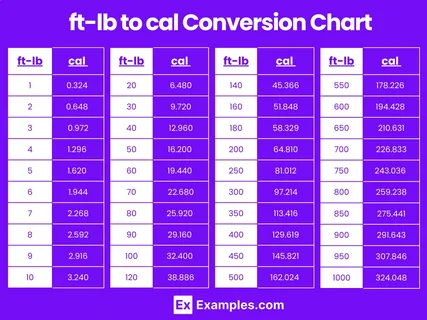
You have probably noticed torque expressed both as ft lb and lb ft, and wondered if there is a real difference. There is, technically, though in casual use the two terms get used interchangeably.
Pound foot, written as lb ft, is the technically correct term for torque, since torque is a measure of force multiplied by distance. Foot pound, or ft lb, is technically reserved for units of work or energy, a different physical concept entirely.
That said, foot pound has become the dominant phrase in everyday use, especially in automotive manuals, torque wrench packaging, and casual conversation among mechanics. The Society of Automotive Engineers officially recognizes lb ft as the standard term for torque, but you will rarely be misunderstood using ft lb in a workshop setting.
For practical purposes, when someone tells you a bolt needs 18.44 ft lbs, they mean the same thing as 18.44 lb ft. The distinction matters more in technical writing and engineering documentation than it does at the workbench.
Common Mistakes People Make With Torque Conversions
A few recurring errors trip people up when converting between Nm and ft lbs, and knowing them ahead of time can save you a headache, or worse, a damaged fastener.
- Mixing up ft lb with lbf. Foot pounds measure torque, while pounds force, or lbf, measures straight line force. They are not interchangeable, even though the abbreviations look similar.
- Confusing inch pounds with foot pounds. Smaller fasteners, particularly on electronics or delicate components, are often specced in inch pounds rather than foot pounds. One foot pound equals 12 inch pounds, so mixing these up can lead to serious overtightening.
- Rounding too aggressively on safety critical fasteners. For general household tasks, rounding to the nearest whole number is fine. For wheel lugs, suspension components, or engine internals, stick with at least one or two decimal places.
- Trusting a generic online chart over the OEM manual. Conversion charts are accurate for the math, but the actual torque specification for your specific bolt should always come from the manufacturer, not a general reference table.
Avoiding these pitfalls is often more important than the conversion itself, since a correct number applied incorrectly can still cause damage.
Choosing The Right Torque Wrench For The Job
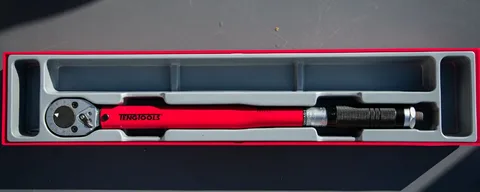
Once you have your converted value, you need a tool capable of applying it accurately. Not every torque wrench suits every job, and choosing the right type makes a noticeable difference in results.
Click type torque wrenches are the most common choice for automotive work. You set the desired torque, and the wrench clicks audibly once that value is reached, which works well for values like 18.44 ft lbs.
Beam type wrenches are simpler and often more affordable, relying on a visual indicator rather than a click mechanism. They tend to be less convenient for quick repeated use but remain reliable for occasional projects.
Digital torque wrenches offer the most precision, often displaying results to a tenth or hundredth of a unit, and some allow you to switch between Nm and ft lbs directly on the device. These are worth the investment if you work across vehicles from different manufacturers regularly.
Whichever wrench you use, make sure it is calibrated and rated for the torque range you need. A wrench rated for 10 to 150 ft lbs will not give reliable readings at the low end of its range, so choose a tool whose sweet spot matches your typical torque values.
Final Thoughts
Converting 25 Nm to ft lbs comes down to one simple calculation: multiply by 0.7376 to land on 18.44 ft lbs. That number is accurate enough for the vast majority of automotive, workshop, and DIY applications you will run into.
Beyond the math, understanding where this value shows up, avoiding common conversion mistakes, and using the right torque wrench for the job will serve you far better than memorizing a single number. Torque specifications exist to protect your equipment and your safety, so treat the conversion as a starting point, then always confirm against the manufacturer’s documented specification before you tighten anything that matters.
Keep this chart bookmarked, and the next time a service manual throws a metric or imperial spec your way, you will have the answer instantly.
Frequently Asked Questions
What is 25 Nm in ft lbs exactly?
25 Nm converts to approximately 18.44 ft lbs, using the standard conversion factor of 0.7376 foot pounds per Newton meter.
How do I convert Nm to ft lbs without a calculator?
Multiply the Nm value by roughly 0.74 for a quick mental estimate. For precise work, use the exact factor of 0.7376, or reverse the process by dividing your ft lbs figure by 1.3558.
Is 25 Nm the same as 25 ft lbs?
No. These are different values in different unit systems. 25 Nm equals about 18.44 ft lbs, while 25 ft lbs equals roughly 33.9 Nm. Always check which unit your specification is listed in before tightening a fastener.
What common car parts use 25 Nm of torque?
Spark plugs and oil drain plugs commonly fall within a range that includes 25 Nm, though the exact figure depends on your specific vehicle. Always verify with your owner’s manual or service documentation.
Why do some manuals use ft lbs and others use Nm?
It largely comes down to the manufacturer’s country of origin and manufacturing standards. European and Japanese brands tend to favor Nm, the metric SI unit, while many American manuals and older documentation use ft lbs.