
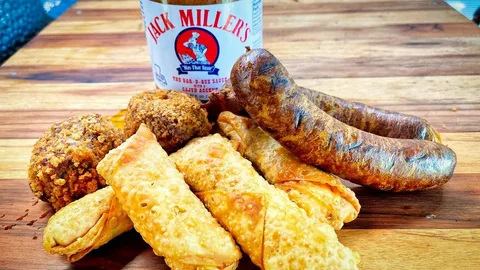
If you have ever driven through South Louisiana and spotted a gas station with a line out the door, chances are good that boudin was the reason. This humble link of rice, pork, and Cajun spice has grown from a farmhouse tradition into one of the most beloved regional foods in America, and once you understand what makes it special, it is easy to see why.
In this guide, you will learn exactly what boudin is, where it came from, how it differs from other sausages, the many varieties you might encounter, and how to cook and enjoy it like a true Louisiana native. Whether you just heard the word for the first time or you grew up eating it every Sunday, this article will give you a complete picture of one of Cajun cuisine’s most treasured dishes.
What Is Boudin
Boudin is a Cajun sausage made primarily from cooked pork, rice, onions, and a blend of seasonings, all stuffed into a natural casing. It is pronounced boo dan, with the final consonant softened almost to silence, a small detail that trips up plenty of first time visitors to Cajun Country.
Unlike the smoked sausages most Americans grew up with, boudin has a soft, almost creamy texture. That is because rice, not just meat, forms the bulk of the filling. Think of it as a cross between dirty rice and sausage, wrapped up in one satisfying bite.
For Cajuns, boudin is not simply an ingredient. It is a cultural touchstone, tied to family gatherings, roadside stops, and the everyday rhythm of life in South Louisiana. Ask a local, and many will insist it is not even fair to call it a sausage at all, since the texture, flavor, and purpose are so different from what most people expect.
The History and Origins of Boudin
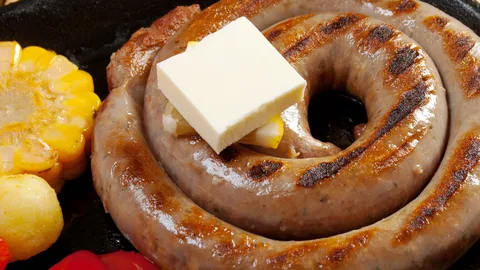
The story of boudin begins with the Acadians, French settlers who were expelled from Canada in the 1700s and eventually resettled in the swamps and prairies of South Louisiana. They brought with them European traditions of blood sausage making, a practice common across French speaking regions.
Early Acadian families raised and butchered their own hogs, and nothing was allowed to go to waste. The earliest versions of boudin used fresh hog blood as a binder, a style now known as red boudin or blood boudin. As rice cultivation grew in importance to the Louisiana diet during the late 1800s, cooks began substituting rice for blood, giving rise to the boudin blanc that dominates the region today.
Over time, boudin evolved from a farmhouse necessity into a celebrated regional specialty. Towns across Acadiana still compete for bragging rights, with Scott, Louisiana officially declared the Boudin Capital of the World and nearby Broussard claiming the title of Intergalactic Boudin Capital of Positive Infinity. These playful rivalries say a lot about how deeply boudin is woven into local pride.
What Makes Boudin Different From Regular Sausage
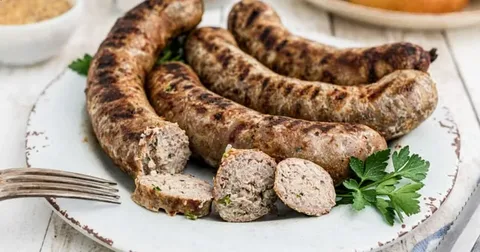
At first glance, boudin looks like any other link sausage sitting in a butcher case. Cut one open, though, and the difference becomes obvious immediately.
Traditional sausage is built around ground meat and fat, seasoned and stuffed into casing, then typically smoked or cured. Boudin flips that formula. The filling is closer to a rice dressing, made from cooked pork that has been simmered until tender, then shredded or ground and combined with cooked rice, the Cajun trinity of onion, celery, and bell pepper, and a generous hand of seasoning.
Because the meat is already fully cooked before stuffing, boudin does not need the same processing as a raw sausage. Most versions are simply steamed or gently heated before eating, which preserves that signature soft, almost custardy interior.
Another key distinction is how people eat it. Many Cajuns will squeeze the filling directly out of the casing and eat it like a spread, discarding the casing entirely unless it has been grilled or fried to a crisp. Try that with a bratwurst and you will understand just how different these two foods really are.
The Main Types of Boudin
Boudin is not a single fixed recipe. It varies from one family, town, and butcher shop to the next, and several distinct styles have earned their own names.
Boudin Blanc
This is the boudin most people mean when they use the word without qualification. Made with pork, rice, onions, and Cajun seasoning, it is mild in color and widely available throughout Louisiana and Texas.
Boudin Noir
Also called red or blood boudin, this older style incorporates fresh pork blood into the mixture instead of relying solely on rice. It has a richer, deeper flavor and a darker color, though modern food safety regulations have made it harder to find commercially.
Seafood Boudin
Closer to the Gulf Coast, cooks often swap pork for crawfish, shrimp, or even alligator, creating a seafood forward version that reflects the region’s abundant coastal ingredients.
Smoked Boudin
While fresh boudin is steamed or gently cooked, smoked boudin spends time over wood smoke, firming up the texture and adding a deeper, savory flavor that some people prefer over the softer fresh style.
Boudin Balls
Instead of stuffing the mixture into casing, some cooks roll it into balls, coat it in breading, and deep fry it. The result is a crispy, golden snack that has become a staple at festivals, tailgates, and restaurants across the South.
How Boudin Is Traditionally Made
Making boudin at home is a labor of love, but understanding the process helps you appreciate every bite even more.
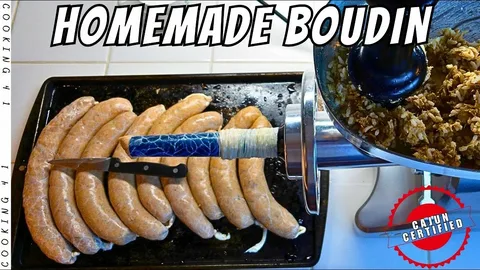
The process usually starts with a large cut of pork, often a shoulder or Boston butt, seasoned generously and simmered slowly in a well seasoned broth until it becomes fall apart tender. While the pork cooks, the Cajun trinity of onion, celery, and bell pepper is sautéed separately to build a flavorful base.
Once the pork is tender, it gets ground or shredded and combined with the sautéed vegetables, cooked white rice, chopped green onion tops, and a hearty dose of Cajun seasoning. Some cooks add pork liver at this stage for a deeper, slightly mineral flavor, though many home cooks skip it or substitute chicken liver for a milder taste.
The finished mixture is then stuffed into natural hog casings and twisted into individual links, ready to be steamed, grilled, or smoked. Families often make large batches and freeze extra links, since good boudin never seems to last long once it is on the table.
How to Cook Boudin at Home
If you have picked up a package of boudin from a grocery store or ordered it online, you have several easy options for preparing it.
- Steaming: Place the links in a steamer basket over simmering water for about ten to fifteen minutes until heated through. This keeps the casing soft and the filling moist.
- Grilling: Cook over medium heat, turning occasionally, until the casing is crisp and lightly charred. This is the method many Cajuns swear by for the best texture contrast.
- Pan searing: Warm a small amount of oil in a skillet and sear the links on all sides until golden brown and heated through.
- Air frying: A quick and increasingly popular method that delivers a crisp exterior in about ten minutes without the added oil of frying.
Whichever method you choose, boudin is fully cooked before packaging, so you are really just reheating and adding texture rather than cooking raw meat. That makes it a fast, low stress addition to any weeknight meal or weekend cookout.
How to Eat Boudin the Right Way
There is no single correct way to enjoy boudin, but a few approaches are especially common across Cajun Country.
Many people simply peel back the casing and eat the filling directly, almost like a warm dip. Others prefer to eat the whole link, casing included, especially when it has been grilled or fried until crisp enough to enjoy on its own.
Boudin also makes a fantastic addition to a shared spread. Set it out on a cutting board with crackers, pickled vegetables, and a tangy dipping sauce for an easy appetizer that always draws a crowd. It pairs beautifully with cold beer, a squeeze of hot sauce, or a side of white bread for scooping.
Where to Find Authentic Boudin
While boudin has spread well beyond Louisiana in recent years, the most authentic versions still come from the towns and small shops of Acadiana. Local meat markets, gas stations, and specialty grocers throughout the region sell fresh boudin daily, often made using recipes passed down for generations.
If you cannot make it to Louisiana in person, many established Cajun meat markets now ship frozen boudin nationwide, making it possible to enjoy a taste of the bayou no matter where you live. When shopping online or in stores outside the region, look for products that list pork, rice, and a clear Cajun seasoning blend near the top of the ingredient list, since fillers and excessive additives are signs of a less traditional product.
Boudin Versus Other Sausages
It helps to see how boudin compares to other well known sausages, since the differences highlight exactly what makes it unique.
Andouille, another Cajun staple, is a smoked pork sausage with a firm texture and no rice filler, making it closer to what most people picture when they hear the word sausage. Kielbasa, a Polish smoked sausage, shares that firm, meat forward texture but carries an entirely different spice profile built around garlic and marjoram rather than Cajun heat.
British black pudding and French boudin noir are closer cousins, both relying on blood as a traditional binder, though regional spicing and texture still set them apart. Understanding these distinctions makes it easier to explain boudin to someone who has never tried it, since comparing it to a familiar dish gives newcomers a helpful starting point.
Creative Ways to Use Boudin Beyond the Casing
Boudin is wonderfully versatile once you start thinking beyond the traditional link. Cajun cooks have long found inventive ways to stretch its flavor into other dishes.
- Boudin stuffed peppers: Hollowed bell peppers filled with boudin and baked until tender.
- Boudin egg rolls: A crispy, portable appetizer that has become a favorite at Cajun restaurants.
- Boudin breakfast hash: Crumbled boudin mixed with potatoes and eggs for a hearty morning meal.
- Boudin stuffed sandwiches: Known locally as a boudinwich, combining the filling with pulled pork or barbecue for extra richness.
These variations show just how adaptable boudin can be, moving easily from casual snack to centerpiece dish depending on how it is prepared.
Final Thoughts
Boudin is far more than a regional curiosity. It represents generations of Acadian resourcefulness, family tradition, and a genuine love of bold, comforting flavor. From its humble beginnings as a way to use every part of the hog to its current status as a beloved Cajun icon, boudin tells a story that goes well beyond the ingredients in its casing.
Whether you steam it, grill it, fry it into balls, or fold it into a creative new dish, boudin offers a taste of Louisiana that is hard to forget once you have tried it. The next time you spot it on a menu or in a grocery case, do not hesitate. You will be tasting a piece of Cajun heritage that has stood the test of time.
Frequently Asked Questions
How do you pronounce boudin?
Boudin is pronounced boo dan, with the final n barely audible. It is a French derived word, and the pronunciation reflects its Acadian roots.
Is boudin the same as regular sausage?
Not exactly. While it is stuffed into a casing like traditional sausage, boudin is built around cooked rice and pork rather than ground meat and fat, giving it a much softer texture and different flavor profile.
Do you eat the casing on boudin?
It depends on preparation. When boudin is grilled, smoked, or fried, the casing becomes crisp enough to eat comfortably. When it is simply steamed, many people prefer to squeeze out the filling and discard the casing.
What is the difference between boudin blanc and boudin noir?
Boudin blanc is made with pork, rice, and seasonings, while boudin noir includes fresh pork blood, giving it a darker color and a richer, more intense flavor.
Where can I buy authentic boudin if I do not live in Louisiana?
Several established Cajun meat markets ship frozen boudin nationwide. Look for products with pork, rice, and genuine Cajun seasoning as the primary ingredients to ensure an authentic taste.