
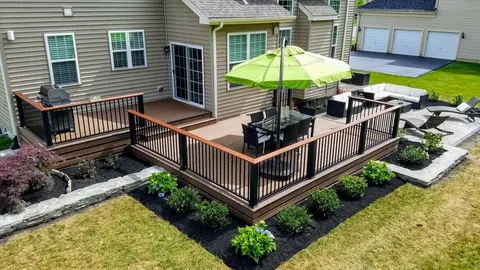
If you have ever stood at the bottom of your deck and stared into that dark, open gap underneath it, you already understand why deck skirting matters. That space collects leaves, hides pests, and quietly chips away at the look of an otherwise beautiful deck. The good news is that fixing it does not require a total rebuild or a massive budget.
Deck skirting is one of those upgrades that seems small until you see the difference it makes. It closes off the underside of your deck, keeps animals from moving in, protects the structure from moisture, and gives your whole outdoor space a finished, intentional look. Whether you are building a new deck or updating an old one, choosing the right skirting can transform how your yard feels.
In this guide, we will walk through real deck skirting ideas, honest cost expectations, the pros and cons of each material, and installation advice that goes beyond the surface level tips you find elsewhere. By the end, you should have a clear sense of which option fits your deck, your budget, and your climate.
What Is Deck Skirting and Why It Matters
Deck skirting is the material installed around the perimeter of a raised deck to cover the space between the deck surface and the ground. Think of it as a finishing layer that hides the framing, posts, and structural beams that hold your deck up.
Beyond looks, skirting serves a few practical purposes. It discourages squirrels, raccoons, and other animals from nesting underneath your deck. It reduces debris buildup that can trap moisture against the framing. And it can even create usable storage space for things like patio furniture, garden tools, or seasonal items that do not need to stay indoors.
Most decks between one and four feet off the ground benefit the most from skirting, since the underside is visible at eye level and easy to notice. Taller decks can also use skirting, though the higher the deck, the more the skirting starts to look like a solid wall, so design choices matter more as height increases.
It is worth mentioning that deck skirting and deck fascia are not quite the same thing. Fascia refers to the trim board that covers the rim joist along the edge of the decking surface itself. Skirting sits below that, covering the vertical space down to the ground. The two usually meet to create one continuous, clean line from the top of the deck to the grass.
Deck Skirting Materials Compared
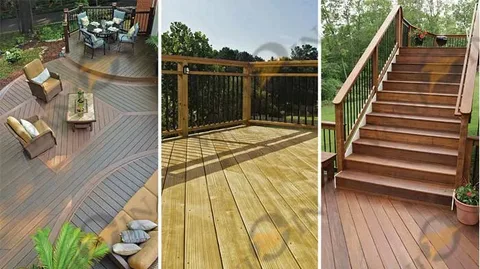
Picking a material is really the first big decision, since it affects everything from cost to maintenance to how long the skirting will last. Here is an honest look at the most common options.
Wood Lattice
Wood lattice is the classic choice, and there is a reason it has stuck around for decades. It is affordable, widely available, and easy to install without specialized tools. The crisscross pattern also allows for natural airflow, which helps prevent moisture buildup under the deck.
The tradeoff is durability. Lattice tends to be thinner and more fragile than solid boards, and untreated wood will need to be resealed or repainted every couple of years to hold up against sun and rain.
Solid Wood Boards
Solid wood boards, installed either vertically or horizontally, give a more substantial and custom look than lattice. Vertical boards can make a short deck appear taller, while horizontal boards tend to create a more relaxed, cottage style feel.
Wood offers the most flexibility for custom patterns, but it also demands the most upkeep. Staining, sealing, and occasional board replacement are part of the deal if you want it to look good for the long haul.
Composite and PVC Skirting
If low maintenance is your priority, composite or PVC skirting is worth strong consideration. These materials resist rot, insects, and fading far better than natural wood, and many composite decking brands sell matching skirting panels so your whole deck looks cohesive from top to bottom.
The upfront cost is higher than wood, but many homeowners find the savings in time and upkeep make up for it within a few years. Composite is also a smart choice in humid or rainy climates where wood tends to struggle.
Metal Panels or Mesh
Metal skirting is less common, but it has a strong following among homeowners who want an industrial or modern aesthetic. Options range from solid sheet metal to diamond pattern mesh that mimics the look of lattice while offering better airflow.
Metal holds up extremely well against weather when you choose a rust resistant option like galvanized steel or aluminum. It is also one of the more effective materials for keeping determined animals from digging their way underneath.
Stone and Brick
Stone veneer and brick bring a completely different feel to a deck, often used when the home itself has stone or brick exterior elements. These materials create a grounded, permanent look that few other options can match.
The catch is installation complexity. Brick in particular usually requires a mason, which adds labor cost. Faux stone panels offer a similar appearance at a fraction of the price and effort, which makes them a popular middle ground.
Landscaping as Natural Skirting
Not every deck needs traditional skirting at all. Thoughtful landscaping, using shrubs, tall grasses, or raised planting beds, can hide the underside of a deck without any construction. This works especially well for lower decks.
Just keep some distance between plants and the wooden support posts. Moisture from soil and mulch sitting against wood framing can encourage rot over time, so a small buffer zone goes a long way.
Deck Skirting Ideas by Style
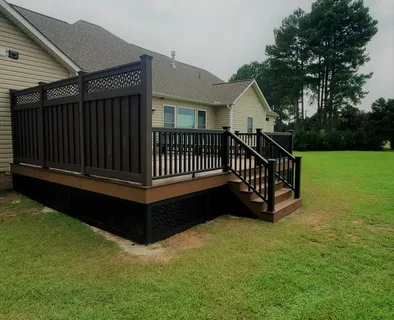
Once you know your material, the design possibilities open up. A few approaches consistently work well across different home styles.
Horizontal slats create a clean, modern feel and work particularly well with contemporary or minimalist homes. Vertical boards or pickets suit traditional and craftsman style houses, and they pair naturally with matching deck railings.
Mixed materials, such as combining wood posts with metal mesh infill, add visual interest without much extra cost. This approach also lets you keep budget friendly materials in less visible spots while splurging on a feature material where it counts most.
For decks with enough clearance underneath, consider adding a small access door built into the skirting. This turns dead space into genuine storage for tools, cushions, or a lawn mower, all while keeping the overall look tidy from the outside.
Deck Skirting Costs: What to Actually Expect
Cost is where a lot of guides stay vague, so let us get specific. Prices vary by region and by exact product, but these ranges reflect typical material costs per linear foot, not including labor.
- Wood lattice panels: roughly $3 to $7 per linear foot
- Solid wood boards: roughly $8 to $15 per linear foot
- Composite or PVC skirting: roughly $12 to $25 per linear foot
- Metal panels or mesh: roughly $10 to $20 per linear foot
- Faux stone panels: roughly $15 to $30 per linear foot
- Real stone or brick: roughly $25 to $50 or more per linear foot, largely due to labor
If you hire a contractor for installation, expect labor to add another 40 to 60 percent on top of material costs, depending on your region and the complexity of the deck’s shape. A straightforward rectangular deck with easy ground access will cost far less to skirt than one with multiple levels, curves, or steep grade changes.
DIY installation can cut costs significantly for materials like lattice, wood boards, and composite panels, since these do not require specialized skills. Stone and brick are usually best left to professionals unless you have masonry experience.
Ventilation and Climate Considerations
One detail that gets overlooked far too often is airflow. Wood substructures, which most decks have even if the surface is composite, need consistent ventilation to stay dry and structurally sound.
Fully sealed skirting without any gaps can trap moisture underneath your deck, especially after rain or in humid regions. Over time, this leads to mold, mildew, and eventually rot in the framing, which is a far more expensive problem than the skirting itself.
Lattice, mesh, and spaced horizontal boards all allow air to move freely while still closing off the space visually. If you live somewhere humid or coastal, prioritize a material and pattern that supports airflow. In drier climates, you have more flexibility to use solid panels without worrying as much about trapped moisture.
Vents can also be added directly into solid skirting designs. A few strategically placed vent panels along the base of an otherwise solid wall style skirt give you the clean look of solid material with the practical airflow of lattice.
Installing Deck Skirting: What the Process Really Looks Like
Installation is more approachable than most people expect, though it does require some planning before you start cutting materials.
Step one: Measure the perimeter carefully. Walk the entire base of your deck and note the distance from the ground to the bottom of the deck frame at multiple points, since ground level often varies even on a seemingly flat yard.
Step two: Build or attach a nailer board. This horizontal board runs along the bottom of the deck frame and gives you a solid surface to attach the top of your skirting panels to. Vertical framing along support posts can serve the same purpose if nailer boards are not practical.
Step three: Cut panels to fit uneven ground. Rarely is the ground perfectly level along an entire deck perimeter. Plan to trim the bottom edge of each panel section to follow the slope of the yard rather than trying to force a straight cut across uneven terrain.
Step four: Leave the bottom edge free. Avoid anchoring skirting directly into the ground. Frost heave, which is the natural shifting of soil during freeze and thaw cycles, can crack or warp the skirting over time if it is rigidly fixed to the earth.
Step five: Build in an access point. A simple hinged door, even a basic one, makes future maintenance and storage far easier. Skipping this step is one of the most common regrets among homeowners who skirt their deck without one.
If a project like this feels outside your comfort zone, a local deck contractor can usually complete a standard skirting job in a day or two, which is often worth the cost for anyone unfamiliar with basic carpentry.
Deck Skirting for Older or Uneven Decks
Retrofitting skirting onto an existing deck comes with a few extra wrinkles compared to skirting a brand new build. Existing posts and framing may not be perfectly spaced for standard panel sizes, so expect some custom cutting.
Uneven or sloped yards are especially common with older homes, since grading shifts over the years. In these cases, a stepped skirting design, where panel sections are installed in a staggered pattern that follows the slope, tends to look far more intentional than trying to force a single straight line across sloped ground.
If your existing deck already shows signs of moisture damage underneath, address that before installing skirting. Closing off a space that already has a mold or rot issue will only make the problem worse over time.
Choosing the Right Skirting for Your Home

The best deck skirting choice usually comes down to matching your existing materials, your climate, and how much upkeep you genuinely want to commit to.
If your deck surface is composite, matching composite skirting creates the most cohesive look and keeps maintenance minimal. If you have a traditional wood deck and enjoy the occasional staining project, wood lattice or boards will feel like a natural extension of that style.
Homeowners in humid or rainy regions should lean toward materials with better airflow, like lattice or spaced boards, regardless of what the deck surface itself is made from. Those in drier climates have more freedom to choose solid panels purely based on appearance.
Budget matters too, of course. If cost is the main concern, lattice remains the most affordable starting point, while composite and metal offer a stronger long term value once you factor in reduced maintenance over the years.
Final Thoughts
Deck skirting is one of those upgrades that quietly does a lot of work. It protects your deck’s structure, keeps unwanted critters out, and pulls the entire look of your outdoor space together in a way that is easy to underestimate until you see it done well.
The right choice really depends on your priorities. If low maintenance matters most, composite or metal will serve you well. If you love a hands on project and do not mind occasional upkeep, wood in either lattice or board form gives you the most room to customize.
Whatever direction you choose, remember the fundamentals: measure carefully, plan for ventilation, avoid anchoring into the ground, and consider building in an access door from the start. Get those details right, and your deck skirting will look good and function well for years to come.
Frequently Asked Questions
Does deck skirting affect airflow underneath the deck?
Yes, and this should factor into your material choice. Solid panels without gaps can trap moisture, while lattice, mesh, and spaced boards allow air to circulate and help prevent rot in the substructure.
How high should deck skirting go?
Skirting typically works best on decks between one and four feet off the ground. Taller decks can still be skirted, but the design will read more like a solid wall, so consider adding visual breaks like vents or windows.
Can I use deck skirting for storage space?
Absolutely. Adding a hinged access door to your skirting design turns the space underneath into practical storage for tools, cushions, or outdoor equipment, as long as items stored there can handle occasional exposure to moisture.
What is the cheapest deck skirting option?
Wood lattice panels are generally the most budget friendly choice, both in material cost and ease of DIY installation, though they require more maintenance over time than composite or metal alternatives.
Should I anchor deck skirting directly into the ground?
It is best to avoid this. Frost heave, caused by soil expanding and contracting through freeze and thaw cycles, can crack or shift skirting that is rigidly fixed to the ground. Leave a small buffer instead.