

When Maya moved into her first small apartment, the lease had one clear rule: no open flames. No candles, no incense, and no flame of any kind. She also had a sensitive nose, so the plug in air fresheners that many renters reach for gave her a headache within an hour. For a while her home smelled like nothing at all, which was better than a headache, but it never felt welcoming when she walked through the door after a long day.
Then she learned a simple truth that changed everything. A home does not smell good because you add a strong scent on top of it. A home smells good when you remove what is causing the odor first, and then add a light, natural scent in layers. This guide shows how to make your home smell nice without candles or plugins, using low cost ideas that work in a rental, respect lease rules, and suit a sensitive nose.
The renter in this story is not unusual. Many leases ban candles for fire safety. Many people dislike strong synthetic fragrance. Many small homes trap cooking smells, pet smells, damp towels, and trash odors much faster than a larger house. The answer is not a stronger product. The answer is a calmer routine: find the source, clear the air, then build scent gently with food, plants, and clean fabric.
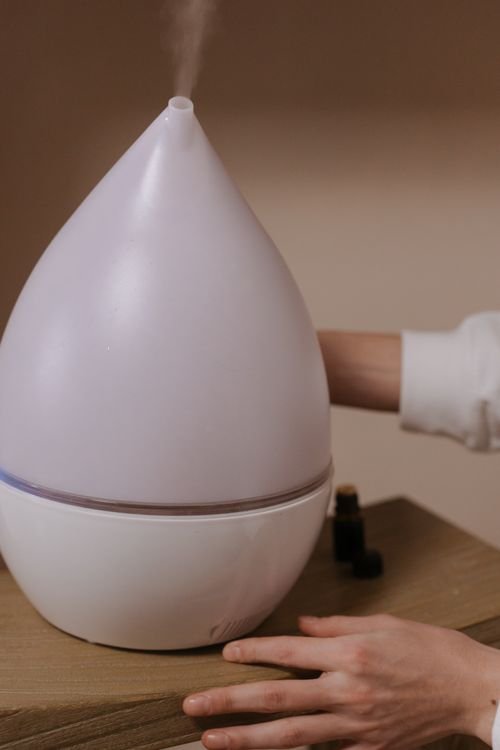
Start by removing the smell, not covering it
Most scent problems are really cleaning problems in disguise. If a kitchen trash can smells, no simmer pot will fix it for long. If a damp bath mat sits folded in a corner, it will keep giving off a musty note no matter what else you add. If a pet bed has not been washed in weeks, the whole room will carry that scent. Covering these sources only creates a strange mix of clean scent plus old odor.
Begin with a quick odor hunt. Walk through each room slowly and notice where the smell is strongest. Check the trash can, the recycling bin, the sink drain, the dishwasher filter, the refrigerator, the laundry basket, and any damp towels. Check shoes by the door, gym bags, pet beds, and sofa cushions. In a small home, one forgotten source can affect every room.
Empty trash and recycling often, and wash the cans themselves every week or two with warm soapy water. Wipe the inside of the refrigerator and toss anything past its date. Run the garbage disposal with cold water and a handful of ice, then add lemon peels if you have them. Clean the sink drain with baking soda followed by vinegar, let it fizz for a few minutes, then flush with hot water. These small jobs take minutes and make a large difference.
Air matters just as much as cleaning. Open windows on opposite sides of the home for ten to fifteen minutes when the weather allows, even in winter. Fresh air pushes stale air out and resets the whole space. If you cannot open windows, run a bathroom fan or kitchen fan for a while after cooking or showering. Steam and cooking vapor settle into fabric and paint if they have nowhere to go.
Wash what holds smell. Curtains, throw pillow covers, blankets, bath mats, and pet beds trap odor over time. Wash them on a regular cycle, not only when they look dirty. Hang towels so they dry fully between uses instead of bunching them on a hook. A towel that stays damp will always smell damp, no matter how nice the rest of the room smells.
how to make your home smell nice without candles or plugins
Once the sources are gone and the air is fresh, you can layer scent in a way that feels natural rather than forced. Think of scent the way you think of light. One bright bulb in a dark room feels harsh. Several soft lights feel warm and pleasant. Scent works the same way. A little from the stove, a little from clean linen, a little from a plant by the window, and the home smells lived in and fresh.
The three layers in this guide are simmer pots, plants, and linen care. Each one is gentle, low cost, and easy to control. You can use one layer on a quiet day and all three when guests are coming. You can also stop any of them at once, which matters a lot if you have a sensitive nose or if a guest is sensitive too.
Simmer pots: scent from the stove
A simmer pot is a small pot of water on the stove with fruit, herbs, and spices gently warming in it. It is one of the oldest and simplest ways to scent a home, and it costs almost nothing if you use scraps you already have. Orange peels, lemon peels, apple cores, cinnamon sticks, cloves, rosemary sprigs, and mint leaves all work well. You do not need a recipe from a store or a special kit.
To make a basic simmer pot, fill a small saucepan about three quarters full with water. Add a sliced orange or lemon, two cinnamon sticks, a few cloves, and a sprig of rosemary or mint. Bring the water to a gentle boil, then turn the heat down to low so it barely simmers. Keep the temperature low and steady. The scent should drift softly through the home, not blast out of the kitchen.
Watch the water level and add more water every thirty minutes or so. Never leave a simmer pot unattended, and turn it off when you leave the room or the house. Most simmer pots give good scent for two to three hours. After that, let the pot cool, strain it, and compost or discard the solids. Wash the pot so old fruit does not leave a sour smell behind.
Try different combinations for different moods. Orange, cinnamon, and clove feels warm and cozy in cooler months. Lemon, rosemary, and mint feels bright and clean in spring and summer. Apple, cinnamon, and a splash of vanilla feels like baking without turning on the oven. Use what you have on hand and keep the scent light. If you can smell it strongly from the front door, it is too strong.
Plants that freshen the air and the mood
Plants will not magically clean all the air in a home, and it is honest to say so. A single plant will not replace fresh air or cleaning. What plants do very well is add a soft green scent, a sense of life, and a reason to open the curtains and care for a corner of the room. Some plants also give off a light natural fragrance when you brush past them or water them.
Good choices for a small rental include mint, rosemary, lavender, jasmine, and gardenia, if you have enough light. Mint and rosemary are useful in the kitchen as well as pleasant to smell. Lavender suits a bedroom because its scent feels calm in the evening. Jasmine gives a soft sweet scent in a sunny window. Choose plants that match your light and your watering habits, not only plants that sound nice.
Place plants where you will actually notice them: near the entry, on a kitchen windowsill, or beside a reading chair. Water only when the soil feels dry an inch below the surface, and empty saucers so pots do not sit in standing water. Standing water can breed mosquitoes and cause a musty smell, which defeats the purpose. Healthy plants smell fresh. Struggling plants with soggy soil smell stale.
Linen care: the quiet layer most people miss
Clean linen is the secret layer in a home that smells truly fresh. Sheets, pillowcases, towels, throws, and curtains touch your skin and your nose every day. When they are clean and fully dry, the whole home feels fresher, even if you add no other scent at all. When they are even slightly damp or stale, the home feels stale too.
Wash sheets and pillowcases every week. Wash towels every three to four uses, and wash bath mats and hand towels often in a small bathroom. Use a detergent that suits sensitive skin if fragrance bothers you, and skip heavy scented softeners that can coat fabric and trap odor over time. Add half a cup of white vinegar to the rinse cycle now and then to help remove buildup and soften towels naturally.
Dry laundry fully before you fold it or put it away. Damp laundry stored in a drawer or closet will develop a musty smell within a day. If you use a dryer, clean the lint filter every time and wipe the dryer drum now and then. If you line dry indoors, leave space between items and run a fan so air can move. Fresh air during drying makes a real difference to how linen smells later.
For a light scent on linen, try a simple spray made at home. Mix water with a few drops of an essential oil you tolerate well, such as lavender or lemon, in a clean spray bottle. Spray lightly on pillows or throws from a distance and let them dry fully before use. Test any new scent on a small area first, especially if you have sensitive skin or allergies. A light touch is enough. Linen should smell clean, not perfumed.
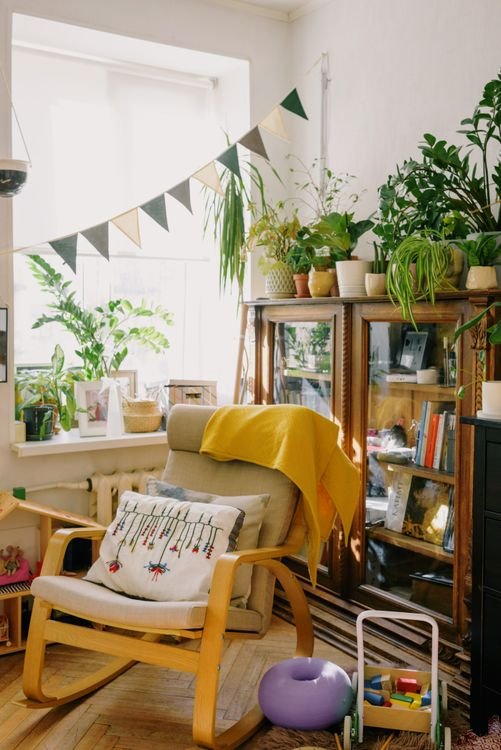
Make the home guest ready without strong fragrance
Guests notice scent within seconds of walking in, and a strong artificial scent can feel like a warning that something is being hidden. A clean, lightly scented home feels far more welcoming. If you are getting the home ready for friends, start with the basics the day before: take out trash, wash towels and pillowcases, wipe kitchen counters, vacuum rugs, and open windows for a short airing.
On the day guests arrive, run a simmer pot for an hour before they come, then turn it off before the doorbell rings. The scent will linger gently without filling the room with steam. Set out clean hand towels, fresh soap, and a small plant or bowl of citrus in the bathroom and entry. These details signal care without overwhelming anyone who is sensitive to fragrance.
This same calm approach helps when you are getting the home guest ready for a celebration. If you are planning food, music, and seating, a fresh smelling home sets the tone before anyone sits down. For ideas on keeping a home party simple and affordable, see this guide to plan a low cost birthday party for adults at home. A clean space lets guests relax and enjoy the food and conversation instead of noticing odors.
For a work gathering or a larger visit, the same rule applies: clean first, scent lightly second. Fresh air, clean linen, and a tidy entry do more than any plug in product. If you are preparing a space for visitors on a tight budget, this guide to plan a staff party on a small budget shows how to focus on the details guests actually notice. A home that smells clean feels professional and welcoming at the same time.
A simple weekly routine that keeps it up
A fresh smelling home is not the result of one big cleaning day. It is the result of small habits repeated each week. The routine below takes about an hour spread across the week, and it prevents odors from building up in the first place. Tape it inside a kitchen cabinet or save it on your phone until it feels automatic.
Each day, take out kitchen trash if it holds food waste, wipe the kitchen counters after cooking, and hang towels to dry fully. Open a window for a few minutes when you can, even if it is only in one room. Shake out rugs by the door and wipe pet bowls. These tiny daily habits stop most odor problems before they start.
Twice a week, vacuum high traffic rugs, mop kitchen floors, clean bathroom surfaces, and wash dish towels and hand towels. Check the refrigerator for leftovers that need to go. Run a simmer pot on one of these days if you enjoy it, and let the scent reward the cleaning you just did. Pairing scent with cleaning makes the routine feel pleasant rather than like a chore.
Once a week, wash sheets and pillowcases, wash pet beds and throw covers, clean trash cans, and wipe the inside of the microwave. Vacuum sofa cushions and under cushions where crumbs collect. Check plants, remove dead leaves, and wipe dusty leaves with a damp cloth. A weekly reset keeps the home at a steady baseline of fresh.
What to avoid when you cannot use candles
It is tempting to reach for the strongest product on the shelf when a home smells stale. Strong plug in units, aerosol sprays, and scented beads can irritate eyes, noses, and lungs, especially in a small space with limited airflow. They also tend to mix with existing odors instead of removing them, creating a heavier smell that lingers on fabric.
Avoid incense and wax melts if your lease bans open flames or heated wax, since both carry similar fire and smoke concerns. Avoid spraying fragrance directly on wood, leather, or electronics, where it can leave residue or damage finishes. Avoid overusing essential oils, especially around pets, babies, and people with asthma. Some oils that smell pleasant to adults can irritate pets, so check safety for your household before diffusing anything new.
Be careful with homemade sprays too. More scent is not better. A few drops of oil in water is enough for linen spray. Shake the bottle before each use, since oil and water separate. Label the bottle clearly and keep it away from children and pets. If a scent gives you a headache, feels sharp in your throat, or makes you sneeze, stop using it. Your nose is giving you useful information.
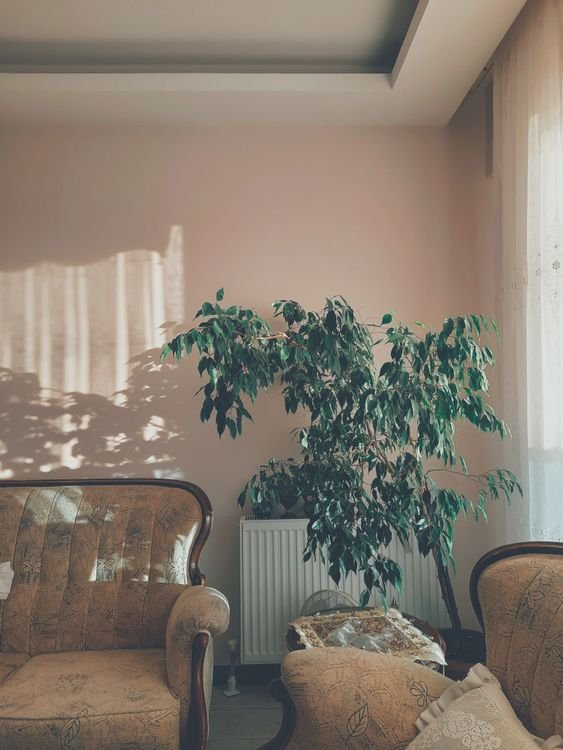
Budget friendly scent ideas for a small home
Most of the ideas in this guide cost very little. Baking soda, white vinegar, lemons, and herbs from a grocery store are common US store items that cost only a few dollars each. A bag of lemons often costs about 3 to 5 dollars. A bunch of fresh mint or rosemary often costs about 2 to 4 dollars. A box of baking soda often costs about 1 to 2 dollars and lasts for many cleaning jobs.
Simmer pots use water and a small amount of heat, so they cost far less than buying plug in refills every month. Clean linen costs only detergent and water. Plants cost a little at first, but a healthy plant lasts for years. The most expensive part of a fresh home is not scent products at all. It is the habit of cleaning regularly, which costs time but saves money over time.
Conclusion: clean first, scent lightly, repeat weekly
A home that smells nice without candles or plugins is not a mystery and it is not a compromise. It is the result of a clear order of steps: remove the odor source, let in fresh air, wash what holds smell, then add light natural scent in layers. Simmer pots give warmth from the stove. Plants give life and a soft green note. Clean linen gives the quiet freshness you notice every night when you climb into bed.
The takeaways are simple. Clean trash cans, drains, towels, and pet beds before you add any scent. Open windows and run fans so stale air can leave. Use a simmer pot for an hour or two when you want warmth, not all day. Keep plants healthy and dry, and wash linen weekly and dry it fully. Follow a short weekly routine so odors never get a chance to build up again.
If you remember only one idea from this guide, remember this: how to make your home smell nice without candles or plugins starts with cleaning, not with fragrance. A small rental can smell genuinely fresh, welcoming, and calm without a flame and without a plug in unit. Start with one room today, try a simmer pot this week, wash the towels and sheets, and notice how different your home feels when you walk in tomorrow.
Frequently Asked Questions
Can a home smell good with no candles and no plug in fresheners?
Yes. Remove odor sources, air the rooms, wash linen and soft furnishings, then add light natural scent from simmer pots, plants, or clean fabric. A clean home with gentle scent smells far better than a home masked with strong fragrance.
How long should I run a simmer pot?
Run it for one to two hours while you are home and awake, on low heat, and add water as needed. Turn it off before guests arrive so the scent lingers gently, and never leave it running while you sleep or leave the house.
Are essential oils safe around pets?
Some oils can irritate pets, so use them lightly, keep diffusers and sprays away from pet beds, and watch for sneezing or restlessness. When in doubt, skip oils and rely on simmer pots, fresh herbs, and clean linen instead.
Why does my home smell musty even after cleaning?
Musty smells often come from damp towels, a dirty washing machine, a damp bath mat, or poor airflow. Dry laundry fully, clean the washer, run fans after showers, and open windows when possible to break the damp cycle.
What is the fastest way to freshen a home before guests arrive?
Take out trash, open windows for ten to fifteen minutes, wipe counters, set out clean towels, and run a citrus simmer pot for an hour. Then turn the pot off and let the clean scent settle before guests walk in.