
A focus group sounds like something only large companies can afford, with agencies charging thousands for a single evening of customer chat. The truth is kinder to small budgets. A cafe owner in Leeds, a candle maker in Manchester or a plumber in London can run a proper focus group for less than £100 and learn more in one evening than in months of guessing. If you want to know how to run a focus group for a small business, this guide covers the whole process: finding the right people, choosing a cheap venue, asking questions that get honest answers, staying within UK privacy rules, and turning the conversation into decisions you can act on.
What a Focus Group Gives a Small Business (and What It Cannot)
A focus group is a guided conversation with 6 to 10 people who resemble your customers. You ask open questions, they talk, and you listen for the why behind their choices. It tells you the language customers actually use, the worries that stop them buying, and the small frictions you never notice from behind the counter.
What it cannot do is give you numbers you can trust at scale. Six people loving your new packaging does not prove the whole town will. Treat the session as a compass, not a census. When you need numbers, follow up with a survey, which pairs naturally with this kind of research. Our guide on how to do a customer survey for small business shows how to get those numbers cheaply.
How to Run a Focus Group for a Small Business: The Five Stages
Every good session follows the same five stages: set one clear goal, recruit the right mix of people, sort a venue that helps them talk, write a short discussion guide, and moderate with a light touch. Get these right and the rest is mostly listening.
Stage 1: Set One Clear Goal Before You Recruit Anyone
The most common mistake is inviting people before deciding what the session must answer. Write one sentence that finishes with a decision you will make. Good examples:
- Should we add oat milk lattes at £3.80 or keep the menu as it is
- Which of these three candle labels would shoppers pick up first
- Why do enquiries from our website rarely turn into bookings
One goal keeps the conversation focused and gives you something to measure the evening against. If a second question sneaks in, save it for another session. A group that tries to answer everything answers nothing well.
Stage 2: Recruit 6 to 10 Participants Who Resemble Your Customers
Aim for 6 to 10 people in the room. Fewer than six and one quiet person can stall the whole evening. More than ten and the quiet ones disappear while two confident voices take over.
The best participants are real or realistic customers, not your friends and family. Friends tell you what you want to hear. Try these free recruiting routes:
- Your own email list or customer database, with a short invite
- Local Facebook groups and neighbourhood apps where your customers gather
- A small sign at your till or a card in outgoing parcels
- Your Instagram or TikTok followers, if they match your buyer profile
Use a five question screening form so you get a mix of ages, habits and experience with your product. Someone who has never bought from you often gives the most useful view, because they see your business the way a stranger would.
What to offer participants
In the UK, a modest thank you is normal and expected. A £10 to £20 gift voucher or £20 in cash for 90 minutes is generous enough to show respect without attracting people who only come for the money. State the incentive in the invite so nobody feels surprised. Recruit 8 to 10 people for 6 to 8 seats, because one or two will almost always cancel. Confirm everyone the day before by text.
Stage 3: Pick a Venue That Helps People Talk
The room shapes the conversation more than most owners expect. You want somewhere quiet, private and easy to reach, with chairs around one table and space for water and biscuits. Expensive hotels are unnecessary. These UK options cost little or nothing:
- Your own shop or studio after closing time, which costs nothing and feels authentic
- A village hall or church hall, usually £15 to £40 for the evening, with kitchen access for tea
- Library meeting rooms, which many councils lend free to local businesses
- Community centres in cities like Manchester, Leeds or Birmingham, often under £25
- A coworking space in London, where an evening meeting room can run £20 to £35
- A quiet corner of a cafe you know well, free if you buy the drinks
Set the room in a circle or around one table so everyone can see each other. Put out name cards, plain water and a few biscuits. Check parking and bus routes when you send the invite, and arrive 30 minutes early to arrange the chairs yourself.
The online option
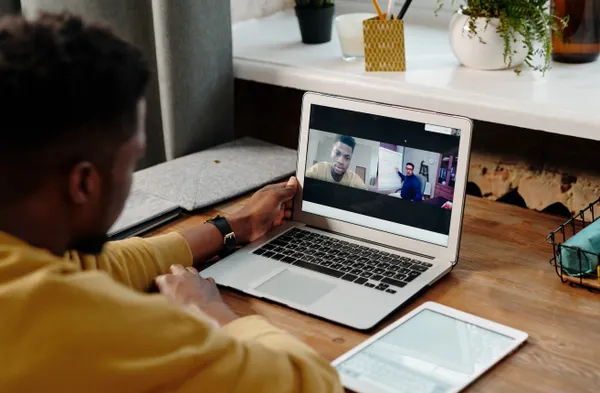
A video call on Zoom or Teams works surprisingly well and removes the venue question entirely. Keep online groups smaller, 5 to 7 people, because video fatigue is real. Ask everyone to join from a quiet room with their camera on, share any product images on screen, and record with permission. Online sessions also let you invite customers from across the UK instead of only those near your shop.
Stage 4: Write a Discussion Guide With Questions That Work
You need 5 to 8 questions for a 90 minute session, not twenty. Start broad and warm, then narrow toward your goal. The classic shape is: one opening question everyone can answer, three to five core questions around your goal, and one closing question that catches anything missed.
A question bank you can borrow
For a new product or menu idea:
- Talk me through the last time you bought something like this. What happened
- What would make you choose this over what you buy now
- What worries you about trying it
For pricing:
- What would you expect to pay for this, and why
- At what price would it feel too cheap to trust
- What would make the higher price feel fair
For customer service:
- Tell me about the best service you have had from a small business
- Where do businesses like mine usually let you down
- If you could change one thing about buying from us, what would it be
Write the questions exactly as you will say them, and keep them neutral. “What do you like about the design” pushes people toward praise. “What is your honest reaction to the design” lets them be truthful. Never read the guide like a script; it is a map, not a rail track.
Stage 5: Moderate So Everyone Talks and Nobody Dominates
Your job as moderator is to make talking easy and keep the conversation on track. Open with a short welcome: who you are, why they are here, that there are no wrong answers, and that you want honest views even if they sting. A simple icebreaker, such as asking everyone to name their favourite local shop and why, relaxes the room in minutes.

Bring in a second person as note taker if you can, so you can focus on listening. If you must take notes yourself, jot themes rather than full sentences. When one person dominates, thank them and turn to others by name: “Thanks, Sarah, that is helpful. James, what is your take” When someone is quiet, invite them gently rather than putting them on the spot. Watch body language too; a frown during a pricing question is data.
End on time, thank everyone warmly, and hand over the vouchers with a smile. Tell them what happens next, such as “we will email you in two weeks to show what we changed.” People who feel heard become loyal customers.
Consent and GDPR: The UK Rules You Must Follow
Because you are collecting opinions from identifiable people, UK data law applies. It is simpler than it sounds. Before the session, give each participant a short consent form covering what you will record, why you are recording it, and how long you will keep it. Get a signature or a clear written yes before you press record on any audio or video.
Tell people they can skip any question and leave at any time without giving a reason. Store notes and recordings securely, share them only with people who need them, and delete recordings once you have written up the findings. When you quote participants later, use first names only or anonymise the quotes entirely. If someone asks you to delete their contribution, do it promptly.
Turn 90 Minutes of Talk Into Decisions
The session is only half the work. Within 48 hours, while memories are fresh, read through your notes and look for themes: the points that came up unprompted, the moments the whole table nodded, the surprises nobody expected. Count roughly how many people shared each view, not to claim statistics but to sense the weight of feeling.

A simple findings sheet keeps you honest. For each theme write: what people said, how many felt this way, and what you will do about it. For example: “Four of seven said the £4.50 price felt steep for a small candle. Action: test a £3.95 smaller size for Christmas.” Share the sheet with anyone involved in the decision, and email participants a short thank you with one change you made because of them. That follow up turns a research exercise into goodwill.
Remember that focus groups reveal the why while surveys reveal the how many. If a theme matters, test it with numbers afterwards. Pairing the two methods is how small businesses get agency quality insight on a shoestring. And when the session surfaces complaints you did not expect, our guide on how to handle customer complaints professionally will help you respond well.
Mistakes That Quietly Ruin Small Business Focus Groups
- Recruiting only friends and family. You will hear praise, not truth. Mix in strangers every time.
- Arguing with feedback. The moment you defend your product, honesty leaves the room.
- Skipping the note taker. Memory fades fast; you will lose half the insight by morning.
- Forgetting consent. Recording without clear permission breaches trust and UK law.
- Choosing a noisy venue. A busy cafe kills recording quality and concentration alike.
- Letting one voice dominate. The loudest opinion is rarely the most representative.
The Honest Cost Breakdown: Under £100
Here is what a typical evening actually costs when you do it yourself:
- Venue: £0 if you use your shop, a library room or a friendly cafe
- Participant thank yous: £60 for six £10 vouchers
- Tea, coffee and biscuits: about £10
- Printing consent forms and name cards: about £5
Total: around £75. Even with a £30 village hall booking, you stay comfortably under £100. Compare that with the thousands an agency would charge, and the only real cost is your evening.
Conclusion: Listen Once, Decide Better for Months
Learning how to run a focus group for a small business is really learning how to listen on purpose. Set one clear goal, gather 6 to 10 real customers, give them a comfortable room and honest questions, respect their privacy, and write up what you heard within two days. The whole exercise costs less than a typical day of advertising and often reveals the one change, a price tweak, a clearer label, a friendlier returns policy, that moves the needle for months. Your customers are already having opinions about your business. A focus group simply invites those opinions into the room.
Frequently Asked Questions
How many people should be in a focus group
Six to ten is the sweet spot for a small business. Fewer than six and the conversation can stall; more than ten and quieter people stop contributing. For online sessions, keep it to five to seven to avoid video fatigue.
How long should a focus group session last
Sixty to ninety minutes works best. That gives time for a warm up, five to eight real questions and a relaxed close. Longer sessions tire people out and the quality of answers drops sharply after the ninety minute mark.
How much does it cost to run a focus group for a small business
Done yourself, typically £60 to £100: participant vouchers, refreshments and printing, with a free venue such as your shop or a library room. A village hall adds £15 to £40. Agencies charge thousands for the same format.
Should I run my focus group online or in the room
In the room gives richer body language and energy, and suits product testing where people need to touch things. Online is cheaper, easier to organise and lets you include customers from across the UK. Many small businesses start online and move to in person sessions once they see the value.
Do I need permission to record a focus group in the UK
Yes. Get clear written consent before recording any audio or video, explain what you will do with the recording, and honour anyone who declines or asks to be deleted. This keeps you within UK GDPR and keeps participant trust intact.