
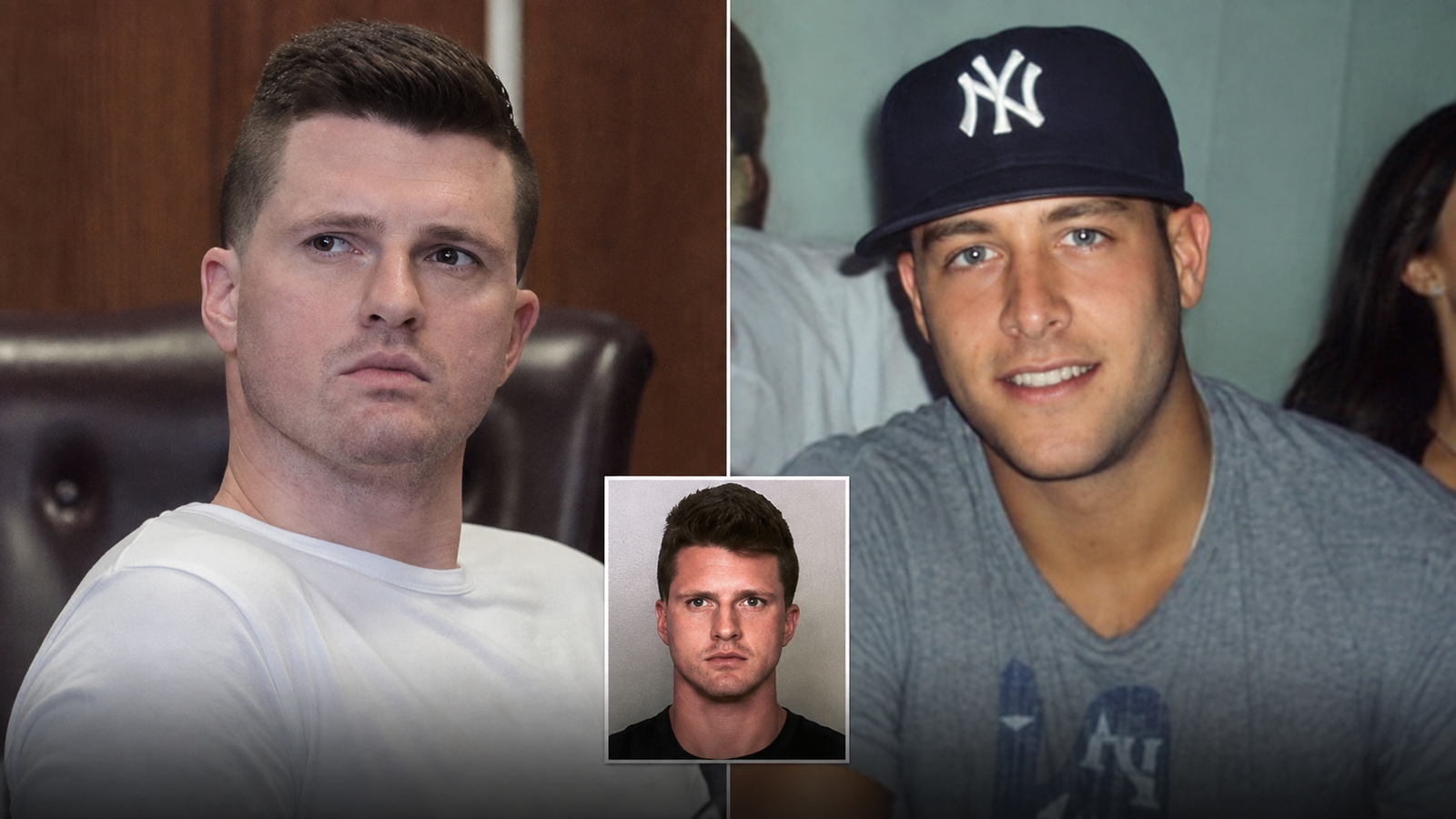
James Rackover became a household name in New York crime headlines after the 2016 killing of Joseph Comunale, a 26 year old Connecticut man who never made it home after a night out in Manhattan. What began as a missing person report quickly turned into one of the city’s most talked about murder cases, complete with a hidden identity, a wealthy jeweler, and a body found buried across state lines.
This article brings together the full timeline of the James Rackover case in one place, something that has been surprisingly hard to find in a single, clear resource. Whether you remember the headlines from 2016 or you are learning about this case for the first time, this guide walks through exactly what happened, who was involved, and where things stand today.
Who Is James Rackover
Before he became known nationally for the Comunale case, James Rackover presented himself as the adopted son of Jeffrey Rackover, a celebrity jeweler whose client list reportedly included some very recognizable names. James lived in a luxury high rise apartment on Sutton Place in Manhattan, drove a Mercedes Benz, and kept a lifestyle that looked far removed from any kind of criminal past.
That image, as investigators later learned, was carefully constructed. James Rackover was not born with that last name at all. He was originally known as James Beaudoin, and his early life in Florida looked nothing like the polished picture he presented in New York.
According to court records and later reporting, Beaudoin had a criminal history in Florida that included burglary charges and a probation violation involving a firearm. He served time before eventually relocating to New York, where he met Jeffrey Rackover at a gym. The two developed a close relationship, and James eventually took the Rackover name and moved into the older man’s building.
By the time he crossed paths with Joseph Comunale in 2016, James Rackover had built a new identity almost entirely separate from his past. That gap between appearance and reality would become a central theme once the case reached the public.
The Night Joseph Comunale Disappeared
Joseph Comunale, known to friends and family as Joey, was a Hofstra University graduate from Stamford, Connecticut. On the night of November 13, 2016, he was out at a club in Greenwich Village with friends when he met a group of new people, including James Rackover and another man named Lawrence Dilione.
The group ended up back at Rackover’s Sutton Place apartment for an afterparty. Several other people were there that night as well, including women who had joined the group and another acquaintance named Max Gemma. What started as a continuation of a night out took a violent turn sometime after everyone arrived at the apartment.
Comunale never returned home. When he did not show up or answer calls the next day, his family grew worried and reported him missing. Friends who had been with him earlier that night began piecing together his last known movements, eventually tracing his path back to the Sutton Place building.
How the Investigation Unfolded
Social media played a real part in cracking this case open. Friends of Comunale used photos, tagged locations, and shared contacts to figure out where he had gone after leaving the club. Their efforts helped point investigators toward the same apartment.
Once detectives began looking into the Grand Sutton building, surveillance footage became a key piece of the puzzle. Cameras captured James Rackover driving his father figure’s Mercedes Benz just hours after Comunale was last seen alive. License plate readers and E ZPass records later helped trace that same vehicle traveling toward New Jersey.
Investigators also found blood evidence inside the apartment despite apparent efforts to clean the scene. Piece by piece, the physical evidence began building a picture of what had happened after Comunale arrived at the party.
Three days after he went missing, Comunale’s body was discovered in a shallow grave behind a florist shop in Oceanport, New Jersey. The body showed signs that it had been burned, and a cadaver dog was used to locate the remains.
The Arrest and Shocking Discovery About His Identity
James Rackover and Lawrence Dilione were arrested and initially arraigned on charges related to concealing a corpse, tampering with evidence, and hindering prosecution. At that early stage, no one had yet been formally charged with murder, even though investigators strongly suspected both men were involved in Comunale’s death.
It did not take long for the case to grow more complicated. Reporters and investigators discovered that James Rackover was not actually related to jeweler Jeffrey Rackover by blood or legal adoption in the way many had assumed. A spokesperson for the jeweler clarified that the two men had simply developed a close personal relationship after meeting in Florida years earlier, and that Jeffrey had helped James get on his feet with a job, an apartment, and even his last name.
This revelation, combined with the discovery of Rackover’s prior criminal record under the name James Beaudoin, added a strange twist to an already disturbing story. The polished, wealthy image he had cultivated in New York stood in stark contrast to the person authorities were now describing in court filings.
Rackover was formally charged with second degree murder shortly after, along with the earlier charges related to disposing of the body and misleading investigators.
The Trial and What the Evidence Showed
James Rackover’s trial brought forward detailed and often disturbing testimony. Prosecutors argued that Comunale was beaten and stabbed multiple times during a violent confrontation at the apartment. Medical evidence presented in court indicated that he had been attacked by more than one person, consistent with accounts that both Rackover and Dilione were involved.
According to testimony, the attack stemmed from an argument that broke out after everyone had been drinking and, according to some accounts, using drugs. What exactly triggered the violence has been described differently by various witnesses, but the outcome was undisputed. Comunale was stabbed repeatedly and did not survive.
Prosecutors also detailed how the two men allegedly attempted to dismember Comunale’s body in a bathtub before disposing of it out a window and eventually transporting it to New Jersey, where it was burned and buried.
On November 2, 2018, a jury found James Rackover guilty on all counts, including second degree murder, concealment of a human corpse, and hindering prosecution. He became the first of the men connected to the case to be convicted.
Sentencing and the Aftermath
James Rackover was sentenced in December 2018 to the maximum penalty allowed under New York law for his crimes, which amounted to twenty eight and two thirds years to life in prison. At sentencing, the courtroom heard directly from Comunale’s grieving family.
Joseph’s father, Pat Comunale, addressed Rackover before the sentence was handed down, expressing the pain his family had endured. Manhattan District Attorney Cyrus Vance also issued a public statement afterward, calling the crime brutal and describing the sentence as the only appropriate outcome given what the Comunale family had lost.
The sentencing closed a difficult chapter for the family, though the broader story surrounding the case continued to draw attention for years afterward, particularly because of the strange circumstances involving Rackover’s hidden past and his relationship with Jeffrey Rackover.
What Happened to the Other Men Involved
James Rackover was not the only person charged in connection with Joseph Comunale’s death. Two other men were also implicated as the case unfolded.
- Lawrence Dilione, who was present during the fatal confrontation, later pleaded guilty to manslaughter rather than going to trial on murder charges. He received a twenty three year sentence.
- Max Gemma, who was also at the apartment that night, faced lesser charges and was ultimately given a six month sentence, of which he served four months.
The differing outcomes for each man reflected their differing roles in the events of that night, based on the evidence presented to prosecutors and, in Dilione’s case, the terms of his plea agreement.
There was also a civil dimension to this case. Comunale’s father later filed a lawsuit against Jeffrey Rackover, alleging that the jeweler had helped cover up details related to his son’s death. Jeffrey Rackover was never criminally charged in the case and publicly distanced himself from James shortly after the arrest, though the civil allegations added another layer to an already complicated story.
Where James Rackover Is Now
Following his 2018 sentencing, James Rackover has remained in New York state custody serving his twenty eight and two thirds years to life sentence. Given the length of his sentence, he will not become eligible for parole consideration for several decades.
Public interest in the case has continued periodically, driven in part by true crime coverage, documentary style reporting, and renewed attention any time similar cases make headlines. However, there have been no major public developments regarding appeals or changes to his sentence since it was originally handed down.
Why This Case Still Gets Attention
Several elements of the James Rackover case have kept it in public conversation well beyond the original trial. The combination of wealth, false identity, and a violent crime committed in a luxury Manhattan apartment created a story that felt almost cinematic, which is part of why it has been featured in true crime programming over the years.
The mystery surrounding Rackover’s relationship with Jeffrey Rackover also continues to generate curiosity. Was it a father son bond, a romantic relationship, or simply a close friendship between two men from very different backgrounds. Reporting over the years has offered different characterizations, and the full nature of that relationship has never been definitively confirmed in public record.
For true crime followers, the case also stands out because of how ordinary the beginning of the story was. Joseph Comunale was simply out for a night with friends, the kind of evening millions of people experience without incident. That contrast between an unremarkable start and a devastating outcome is part of why his story continues to resonate.
Frequently Asked Questions
Who is James Rackover?
James Rackover, originally born James Beaudoin, is a man convicted of second degree murder in the 2016 killing of Joseph Comunale in Manhattan. He had presented himself publicly as the adopted son of celebrity jeweler Jeffrey Rackover.
What happened to Joseph Comunale?
Joseph Comunale was killed during a party at James Rackover’s Sutton Place apartment in November 2016 after a night out in Manhattan. His body was later found buried in Oceanport, New Jersey.
How long is James Rackover’s prison sentence?
Rackover received the maximum sentence allowed under New York law, twenty eight and two thirds years to life in prison, following his conviction in November 2018.
Was James Rackover really related to Jeffrey Rackover?
No. Despite early reports describing him as an adopted son, James Rackover was not related to jeweler Jeffrey Rackover. The two developed a personal relationship after meeting in Florida, and Jeffrey later helped James with housing, employment, and his new last name.
What happened to the other men involved in the case?
Lawrence Dilione pleaded guilty to manslaughter and received a twenty three year sentence. Max Gemma received a six month sentence for his lesser role and served four months.
Final Thoughts
The James Rackover case remains one of the more unsettling true crime stories to come out of New York City in recent years, not just because of the violence involved but because of how carefully a false identity had been constructed before anyone knew the truth. Joseph Comunale’s death was a tragedy that exposed just how deceptive appearances can be, even in a world of luxury apartments and famous connections.
Understanding the full timeline, from that fateful night out in Greenwich Village to the eventual sentencing in a Manhattan courtroom, helps make sense of a case that captured national attention for good reason. For anyone researching James Rackover today, the most important facts remain clear. He was convicted on all charges, sentenced to decades in prison, and the case continues to serve as a sobering reminder that people are not always who they claim to be.