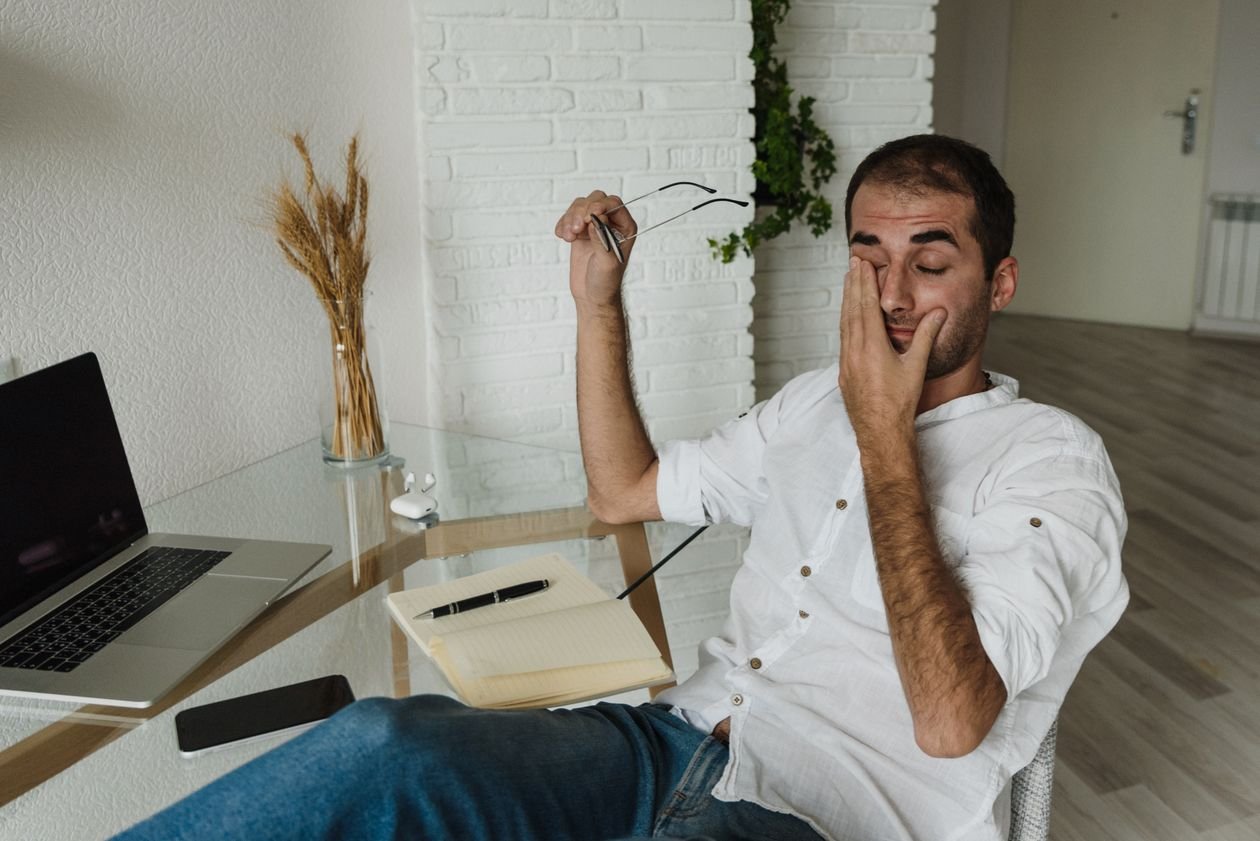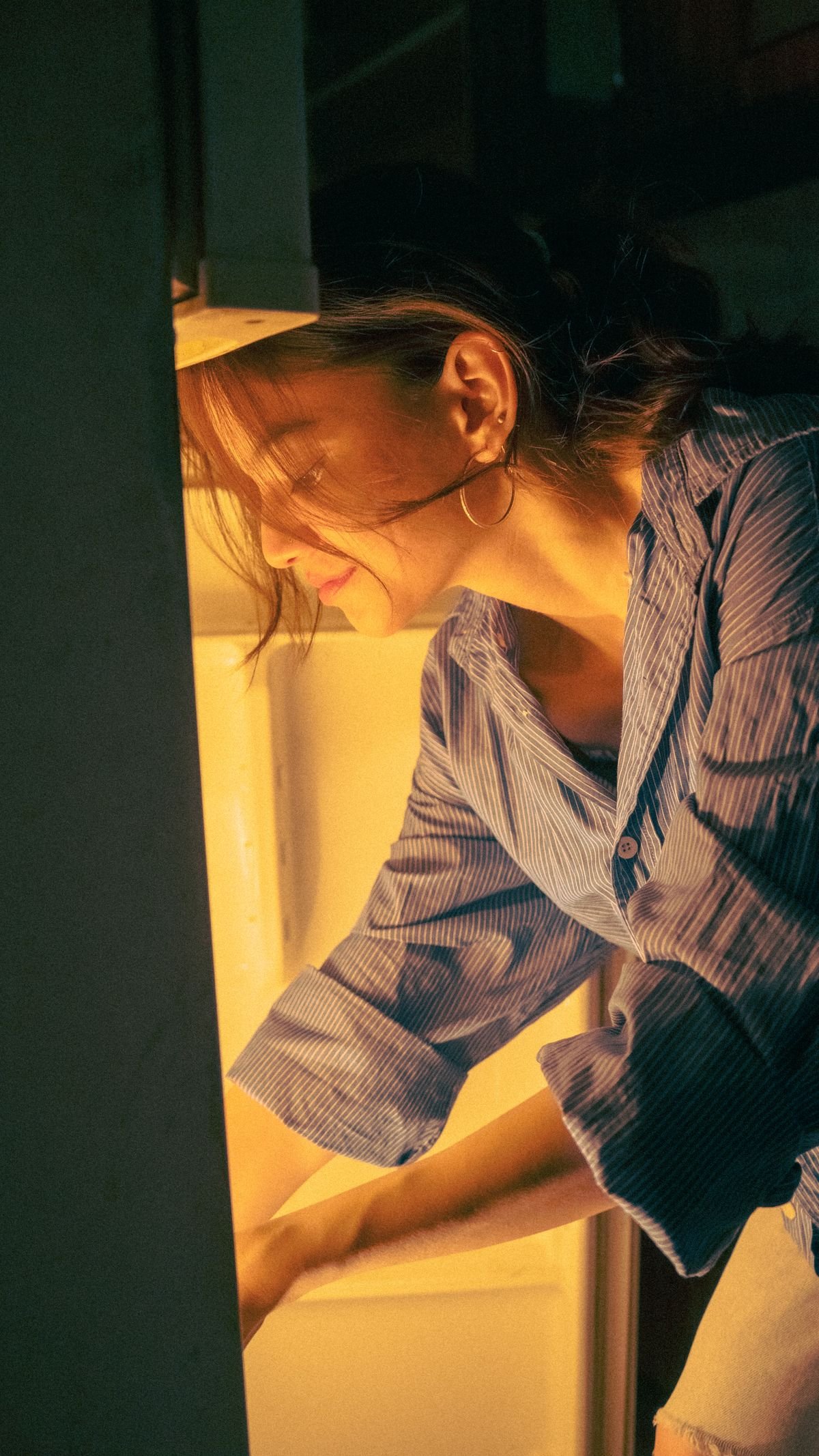
You have told yourself all day that tonight will be different. Dinner was reasonable. The kitchen is clean. You settle onto the couch, and by nine thirty your hand is in a bag of crisps you do not remember opening. If this sounds familiar, learning how to stop snacking at night without willpower might be the most useful thing you do for your health this year. Not because late night calories are magic, but because the nightly battle with yourself is exhausting, and it is a battle you can stop fighting.
Here is the uncomfortable truth most advice skips: you are not failing because you lack discipline. You are failing because you are asking a tired brain to do hard work at the worst possible hour. Willpower is a resource that drains through the day with every decision, every email, every small frustration. By evening, the tank is empty. The fix is not more resolve. The fix is a set of systems that make not snacking the easy default, so you never need willpower in the first place.
This guide walks you through seven practical systems, a 21 day plan that layers them one at a time, and honest answers to the questions everyone asks. No shame, no extreme rules, no foods banned forever.
Why Your Willpower Is Empty by 9 PM
Understanding the enemy is half the win, and the enemy is biology, not character. Four forces team up against you every evening.
Decision fatigue is real
Your brain makes thousands of small choices daily, from what to wear to how to answer a tricky message. Research on decision fatigue shows that the quality of our choices drops as the day wears on. By night, the part of your brain that says no is simply too tired to argue, so it defaults to the easiest option. The easiest option in most homes is food.
Hunger hormones shift at night
Your body runs on a circadian rhythm that nudges you toward sweet and salty foods in the evening. Add poor sleep to the mix and the effect doubles: even one short night raises ghrelin, the hunger hormone, and lowers leptin, the fullness hormone. If you slept badly last night, tonight’s cravings are partly a sleep problem wearing a food costume.
Stress seeks comfort
Evening is when the day’s tension finally has space to surface. For many people, food became the fastest available comfort years ago, and the brain remembers. A stressful day plus a quiet house is a reliable trigger, and no amount of daytime resolve changes what a stressed nervous system wants at ten at night.
Your environment is rigged
The sight of food triggers dopamine, the anticipation chemical, before you take a single bite. A bowl of snacks on the counter, a fridge full of leftovers at eye level, a cupboard you open out of habit: each one is a cue your brain has learned to answer. Willpower has to win every cue, all evening. The cues only have to win once.
None of this is fixed by trying harder. All of it is fixed by systems. Let us build them.
System 1: Eat Like It Matters During the Day
This is the single highest leverage change on the list. A huge share of night snacking is not a night problem at all. It is a day problem that arrives late.
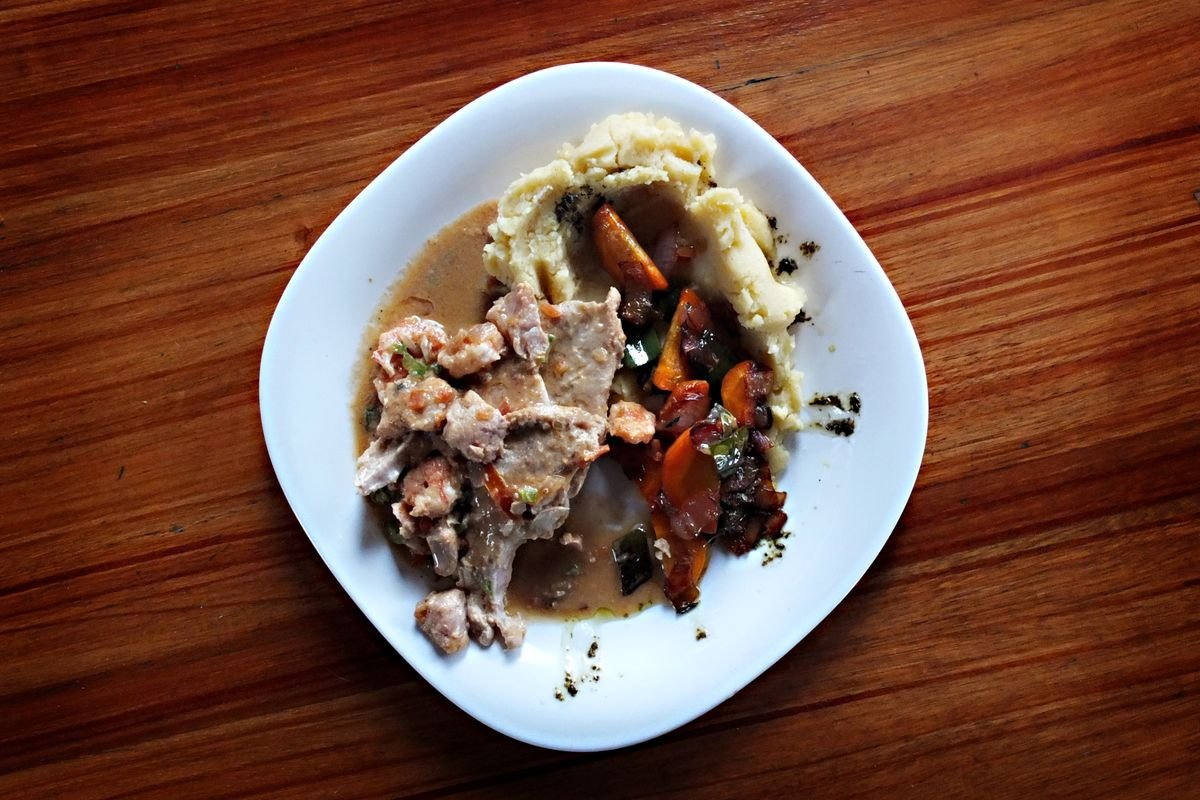
If you skipped breakfast, ate a sad desk salad, and called a protein bar lunch, your body is running a calorie deficit by evening and it will collect. Nighttime hunger after undereating is not weakness. It is physiology doing its job.
The fix has three parts.
Eat a real breakfast within two hours of waking. People who start the day with protein report steadier hunger through the afternoon and fewer evening binges. Eggs, Greek yogurt, or even last night’s leftovers all count.
Put protein at every meal. Aim for a palm sized portion of protein at breakfast, lunch, and dinner. Protein slows digestion and steadies blood sugar, which means fewer of the sharp hunger spikes that send you to the kitchen at nine.
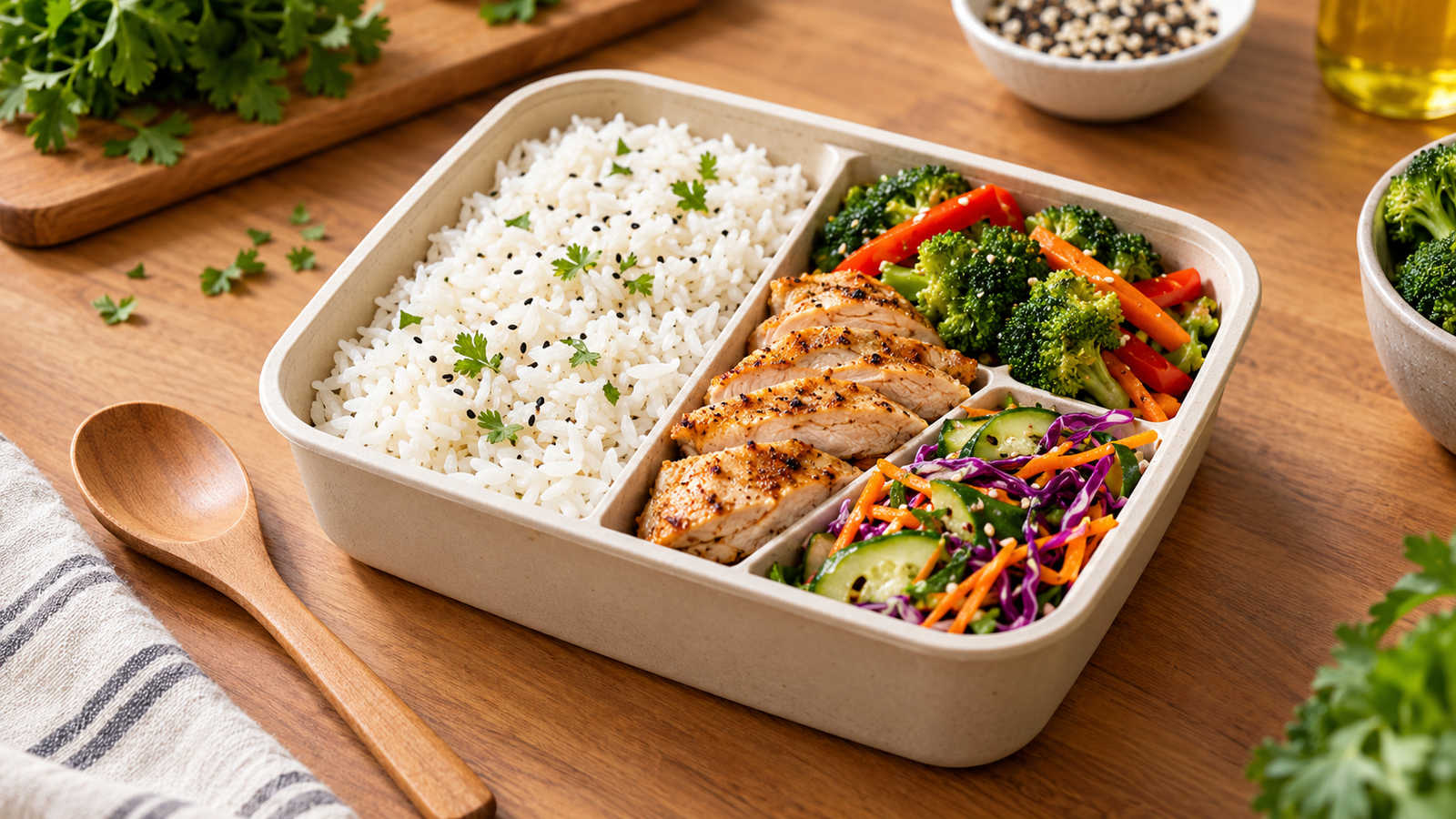
Build a dinner that actually satisfies. A dinner of plain salad and good intentions will not hold you until morning. Include protein, some slow carbs like rice, potatoes, or beans, a little fat, and plenty of vegetables. Eat slowly enough to notice you are full. Most people who fix their daytime eating watch their night cravings fade within a week, with zero evening effort required.
System 2: Redesign Your Kitchen So Snacking Takes Effort
Willpower is weak against cues, but cues are weak against friction. Your goal is simple: make the snack 20 seconds harder and the alternative 20 seconds easier.
Move trigger foods out of sight. You do not have to throw anything away. Put the crisps, biscuits, and chocolate in an opaque container on a high shelf, in the garage, or at the back of a cupboard. Studies on food visibility show that people eat dramatically less of what they cannot see. Out of sight genuinely means out of mind.
Put the good stuff at eye level. Keep fruit visible in a bowl. Keep herbal tea bags next to the kettle. Keep sparkling water in the fridge door. When the easy choice is a decent choice, you will take it without thinking.
Add friction to the danger foods. Freeze the ice cream so it needs twenty minutes to soften. Keep biscuits in a tin that needs two hands to open. Wrap leftovers in three layers before they go in the fridge. Each tiny barrier gives your rational brain a moment to catch up with your hand.
Shop like a strategist. Most night snacks are bought on autopilot during the weekly shop. A written grocery list is your first line of defence, because what never enters the house cannot be eaten at midnight. If you want help building a smarter list that also protects your budget, our guide to saving money on groceries as a single person walks through planning meals and lists that keep both your spending and your snacking in check: how to save money on groceries as a single person.
System 3: Close the Kitchen Like a Restaurant
Restaurants close. Kitchens should too. A clear closing ritual tells your brain that eating time is over, and it works because your brain loves clear boundaries far more than vague intentions.

Pick a closing time that fits your life, ideally two to three hours before bed. Then run the same short sequence every night:
Clean up fully. Put leftovers away before you sit down to eat, not after. Wash up or load the dishwasher. Wipe the counters. A clean kitchen is psychologically closed. A kitchen with dishes in the sink is an invitation.
Brush your teeth. This sounds almost too simple, and that is why people dismiss it. Mint toothpaste makes food taste wrong, and the act itself is a powerful full stop signal. Multiple habit researchers and thousands of forum success stories point to this one tiny habit as the most reliable evening circuit breaker there is.
Turn off the kitchen lights. A dark kitchen feels closed. If your kitchen is open plan, switch off the spots over the worktop. Light is a cue, and you are allowed to remove cues.
Run this ritual for a week and notice what happens. The craving may still knock, but it knocks on a closed door, and closed doors are much easier to ignore.
System 4: Give Your Evenings a New Ritual
Here is the insight most snacking advice misses: you cannot just remove a habit. You have to replace it. The evening snack is a loop of cue, routine, and reward. The cue is the time of night, the television, the couch. The reward is comfort, a pause, something pleasant after a long day. If you delete the routine without installing a replacement, the loop survives and waits.
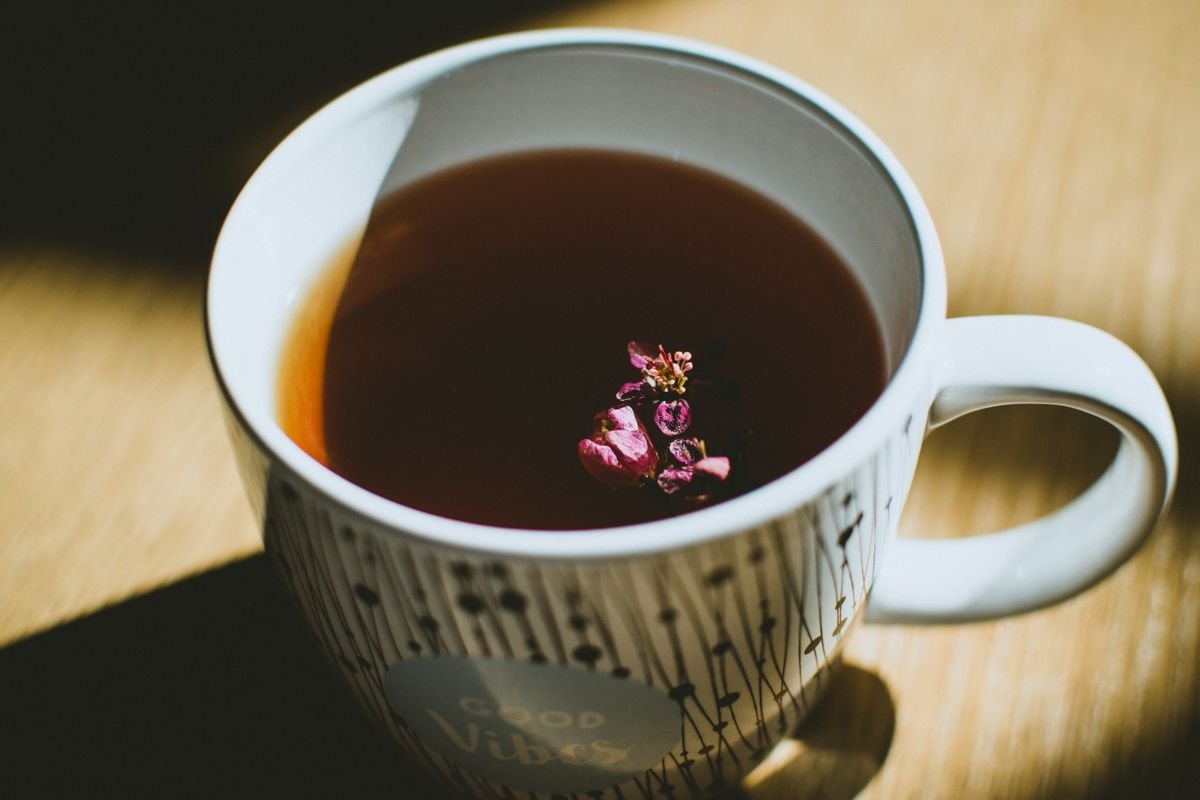
Build a tea ritual. Boiling the kettle, choosing a tea, waiting for it to cool: the whole process takes ten minutes and gives your hands and mouth something to do. Peppermint, chamomile, and rooibos are naturally caffeine free and the warmth is genuinely comforting. Many former night snackers report that the ritual, not the drink, did the heavy lifting.
Keep your hands busy. Boredom snacking happens because your hands are free and your mind is half engaged. Knitting, a jigsaw puzzle, sketching, an instrument, even a phone game: anything that occupies your hands breaks the automatic reach for food.
Anchor a calm activity to the old snack time. If you always snacked at nine while watching a show, start a ten minute wind down at eight fifty instead: dim the lights, stretch, read a few pages. An evening reading routine is a habit like any other, built from the same loop of cue and reward. If you want the mechanics of habit building explained properly, our guide to building a reading habit that sticks covers the same loop science in depth: how to build a reading habit that sticks.
The goal is not to white knuckle your way through the evening. The goal is an evening so pleasantly full that snacking simply has no slot left.
System 5: Fix the Sleep Side of Cravings
If you regularly sleep less than seven hours, part of your night snacking is a sleep debt problem. Tired brains crave quick energy, which means sugar and starch, and the hormonal shift toward hunger is measurable after a single short night.
You do not need perfect sleep hygiene overnight. Start with the two levers that matter most:
Keep a consistent wake time. Even on weekends. A stable wake time anchors your whole circadian rhythm, which steadies both sleep quality and evening appetite.
Dim the lights an hour before bed. Bright overhead light, especially from screens, delays melatonin and pushes your whole evening later. Later evenings mean more snacking hours. Lamp light and a book will do more for your cravings than any supplement.
Notice the loop: better sleep means weaker cravings, and weaker cravings mean less late eating, which itself improves sleep. Once this loop starts turning in the right direction, it accelerates.
System 6: Defuse Stress Snacking
Some night eating is not about hunger or habit at all. It is about feelings. If your snacking spikes on hard days and vanishes on good ones, you are dealing with emotional eating, and the fix is addressing the emotion, not the food.
Name it before you feed it. When the urge hits, pause and ask one question: what am I actually feeling right now. Bored, lonely, tense, sad, restless. Just naming the feeling correctly reduces its power, because your brain stops outsourcing the answer to the kitchen.
Give the feeling a different exit. Ten minutes of stretching, a short walk around the block, journaling three lines about the day, a hot shower, calling a friend. None of these need to feel profound. They just need to process the tension that food was processing for you.
Stop negotiating with the craving. The most exhausting part of night snacking is the internal debate: maybe just one, I was good today, I will start tomorrow. Decide your policy once, in daylight, when your brain is fresh. At night there is nothing to decide, only a plan to follow. Decisions made once are infinitely cheaper than decisions remade nightly.
System 7: Plan One Snack on Purpose
This one surprises people. Sometimes the best way to stop uncontrolled snacking is to schedule a controlled snack.
A small planned evening snack, eaten at the table and genuinely enjoyed, removes the forbidden fruit effect that drives binges. Good options: Greek yogurt with berries, an apple with peanut butter, a small bowl of popcorn, a handful of nuts with a square of dark chocolate. Keep it modest, keep it deliberate, and eat it mindfully rather than in front of a screen.
The difference between this and the old pattern is everything. Planned means chosen in advance, portioned, and finished without guilt. Grazing means standing at the fridge in a trance. One is a decision. The other is a drift. Give yourself the decision and the drift loses its appeal.
Your 21 Day Plan: How to Stop Snacking at Night Without Willpower
Do not try all seven systems at once. That is a willpower plan wearing a systems costume. Instead, layer them one week at a time. Habits need about three weeks to settle, and each layer makes the next one easier.
Days 1 to 7: Fix the foundation. Eat a real breakfast and put protein in every meal. Build a satisfying dinner. Change nothing about your evenings yet. Just notice how daytime eating affects the nine PM urge. Most people see the first real drop in cravings this week.
Days 8 to 14: Redesign the environment. Move trigger foods out of sight. Add friction to the danger items. Put fruit and tea at eye level. Start the kitchen closing ritual: clean up, brush teeth, lights off. The cravings that remain now have far fewer cues to feed on.
Days 15 to 21: Install the replacement. Build your evening ritual: the tea, the busy hands, the calm activity at the old snack time. Steady your wake time and dim the lights before bed. Add the planned snack if evenings still feel empty. By day 21, most people report that the urge has faded from a demand to a faint suggestion, and faint suggestions are easy to decline.
If you slip, treat it as data. Note what triggered it: a skipped lunch, a stressful call, a late night. Adjust the system, not your self worth. Systems improve. Shame does not.
When You Should Eat Anyway
Not all night eating is a problem, and this guide is not a rulebook. Eat if you are genuinely hungry, with real physical signals like a growling stomach or lightheadedness. Eat if you have diabetes or another condition that requires regular meals. Eat if you trained hard in the evening and your body needs fuel.
The target was never zero food after dinner. The target was ending the automatic, joyless, guilt loaded grazing that leaves you feeling worse. A planned snack you enjoy is a success, not a failure. Keep that distinction clear and this whole project stays kind.
Conclusion: Stop Fighting Yourself at Night
Learning how to stop snacking at night without willpower comes down to one shift: stop asking an exhausted brain for discipline and start designing evenings where discipline is unnecessary. Eat properly during the day so your body is not collecting a debt. Make snacks hard to reach and good options easy. Close the kitchen with a ritual your brain respects. Replace the old loop with an evening you actually look forward to. Steady your sleep. Give stress a better exit.
Start tonight with the smallest possible version: after dinner, clean the kitchen and brush your teeth. That is it. One closed door. Then tomorrow, eat a real breakfast. Small systems, layered patiently, beat heroic willpower every single time. Three weeks from now, the nine PM battle you used to lose daily can simply be over.
Frequently Asked Questions
Does brushing your teeth really stop night snacking?
For many people, yes, and the reason is partly chemical and partly psychological. Mint toothpaste makes sweet and salty foods taste unpleasant for a while, and the act of brushing serves as a clear end of eating signal. It is the single most reported circuit breaker in habit change discussions, precisely because it is so easy that you will actually do it.
Why do I crave snacks at night even after a full dinner?
Usually one of four things: the dinner was filling but low in protein and slow carbs, so hunger returns fast; you undereat during the day and your body is collecting the debt; poor sleep has raised your hunger hormones; or the craving is a habit loop or stress response rather than hunger at all. Work through the systems in order and the true cause usually reveals itself within a week.
Is it bad to snack at night?
Not inherently. A small planned snack is perfectly fine and often better than going to bed genuinely hungry, which can disturb sleep. What causes problems is regular uncontrolled grazing: extra calories without enjoyment, disrupted sleep from late heavy eating, and the stress of fighting yourself every evening. Fix the pattern, not the clock.
What can I do instead of eating at night?
Anything that gives your hands, mouth, or mind a pleasant job: herbal tea, a short walk, stretching, a puzzle or craft, reading, journaling, a hot shower. The most successful replacements share two traits: they are enjoyable enough to look forward to, and they are incompatible with eating at the same time.
How long does it take to break the night snacking habit?
Most people notice weaker cravings within the first week of fixing daytime eating and adding a kitchen closing ritual. The full loop replacement typically takes around three weeks of consistent practice. Stressful periods can bring relapses, and that is normal: treat them as information about which system needs strengthening, not as proof the approach failed.