
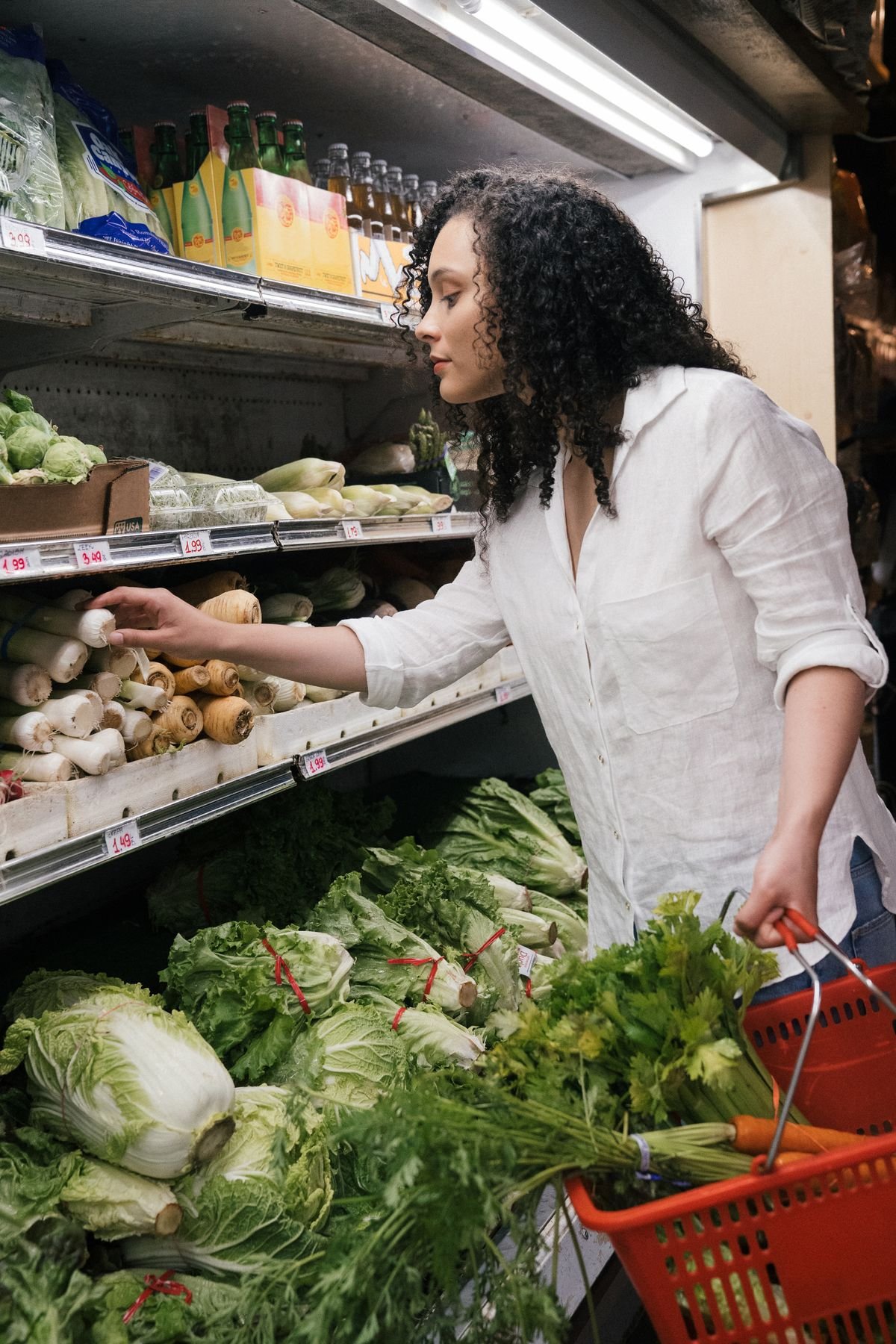
Groceries are one of the sneakiest budget killers for anyone living alone. Stores price almost everything for families, recipes make four to six servings, and produce seems designed to spoil before you can finish it. If you are wondering how to save money on groceries as a single person, the good news is that cooking for one has a hidden advantage. You only need to please one eater, so you can plan tightly, shop precisely, and waste almost nothing. This guide walks you through 12 practical tips that keep your food bill low without turning your meals into sad bowls of instant noodles.
12 Smart Ways to Save Money on Groceries as a Single Person
The twelve strategies below work as a system. Each one saves a little on its own, but together they can cut a solo grocery bill by a quarter or more. Start with the first three and add the rest over a few weeks so the habits actually stick.
1. Set a Weekly Budget You Can Actually Track
Most single shoppers overspend because they have no number to compare against. Pick a realistic weekly grocery target based on what you spent last month, then lower it by about ten percent. The target is not there to shame you. It is there to make spending visible.
Track every grocery trip for one month. A notes app, a small spreadsheet, or even the memo feature on your phone works fine. You will quickly spot patterns, like the expensive takeout coffee on shopping days or the snacks that cost more than the meals. If you are self employed, you may already track your business expenses for work. Applying the same simple habit to your household food spending makes the budget much easier to control. Our guide on how to track business expenses as a freelancer shows a recording routine that works just as well for grocery money.
2. Plan Three Meals, Then Shop With a List
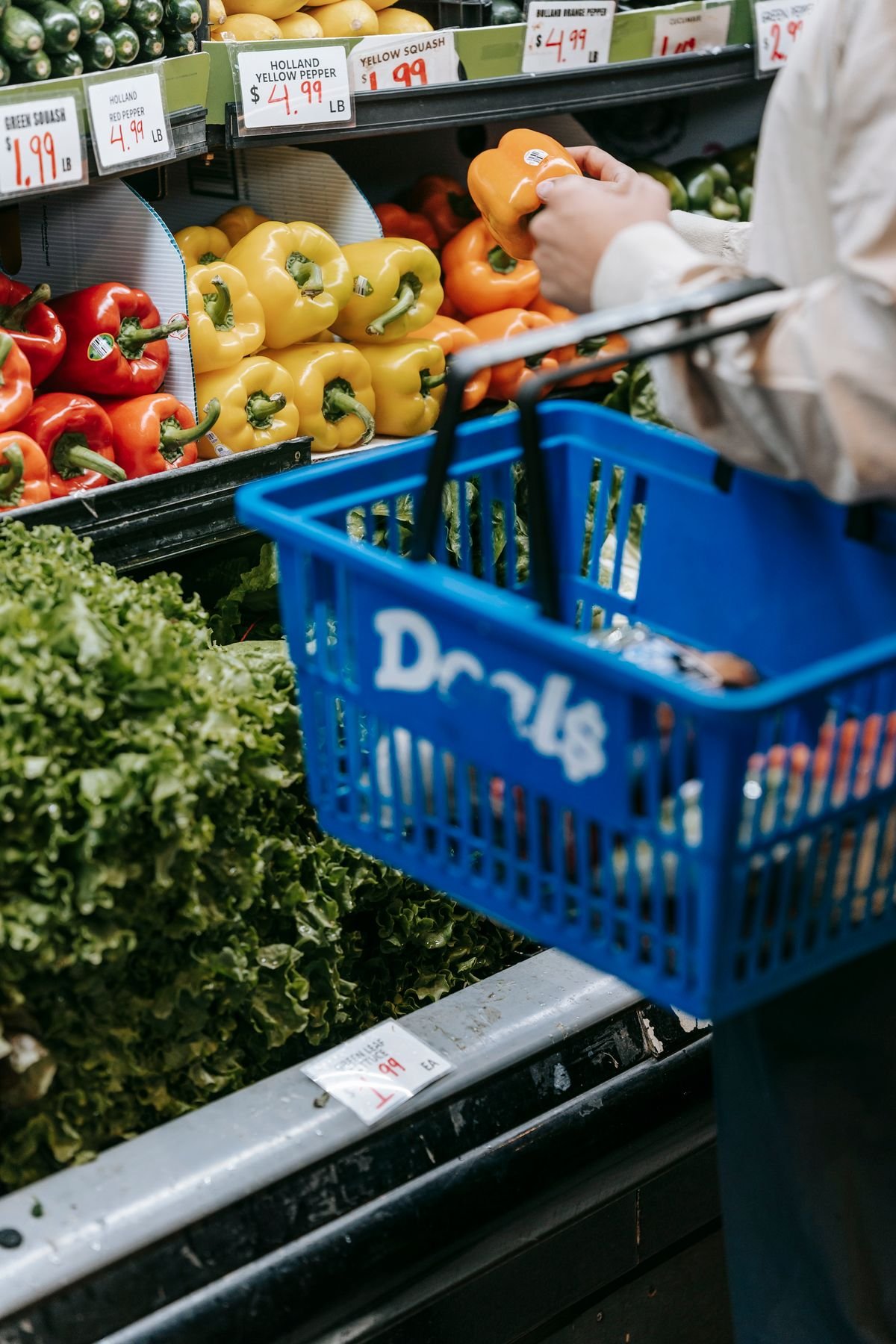
Meal planning sounds like a chore, but for one person it takes about ten minutes. You do not need a perfect seven day plan. Just decide on three main meals for the week, for example a bean chilli, a chicken stir fry, and a pasta bake. Everything else, breakfast and lunches, can rotate through simple repeat items like oats, eggs, sandwiches, and leftover portions from the planned dinners.
Write your list from the plan, then check your fridge and pantry before leaving the house. Most solo shoppers buy duplicates because they forget what is already at home. Shop the list strictly. Stores are designed to tempt you, and every unplanned item is money you did not mean to spend. If a deal looks good but is not on your list, walk past it unless you can name the exact meal it belongs to.
3. Cook Once, Eat Three Times: The Freezer Strategy
This is the single most powerful tip in this guide. Cooking for one does not mean making tiny portions every day. It means cooking a normal batch once and dividing it into single servings for the freezer. Soups, stews, curries, chilli, lasagne, and pasta sauce all freeze beautifully for up to three months.
Label each container with the dish name and the date. Stack them flat in freezer bags to save space. On busy evenings, you will reach for a homemade freezer meal instead of ordering delivery, and that one habit can save more than any coupon. The freezer turns a large batch recipe from a waste risk into a money maker.
4. Learn Your Per Serving Math
Bulk deals and family packs look cheaper until you do the serving math. A large pack of chicken thighs is only a bargain if you will eat or freeze every piece before it spoils. Divide the price by the number of portions you will actually use. Often the smaller pack wins because nothing goes to waste.
Watch unit prices on shelf labels too. The price per 100 grams or per piece tells you which size is truly cheaper, ignoring the packaging tricks. This simple comparison takes seconds once it becomes a habit, and it stops the bulk buy trap that causes so much solo shopper waste.
5. Buy Frozen Produce Without Guilt
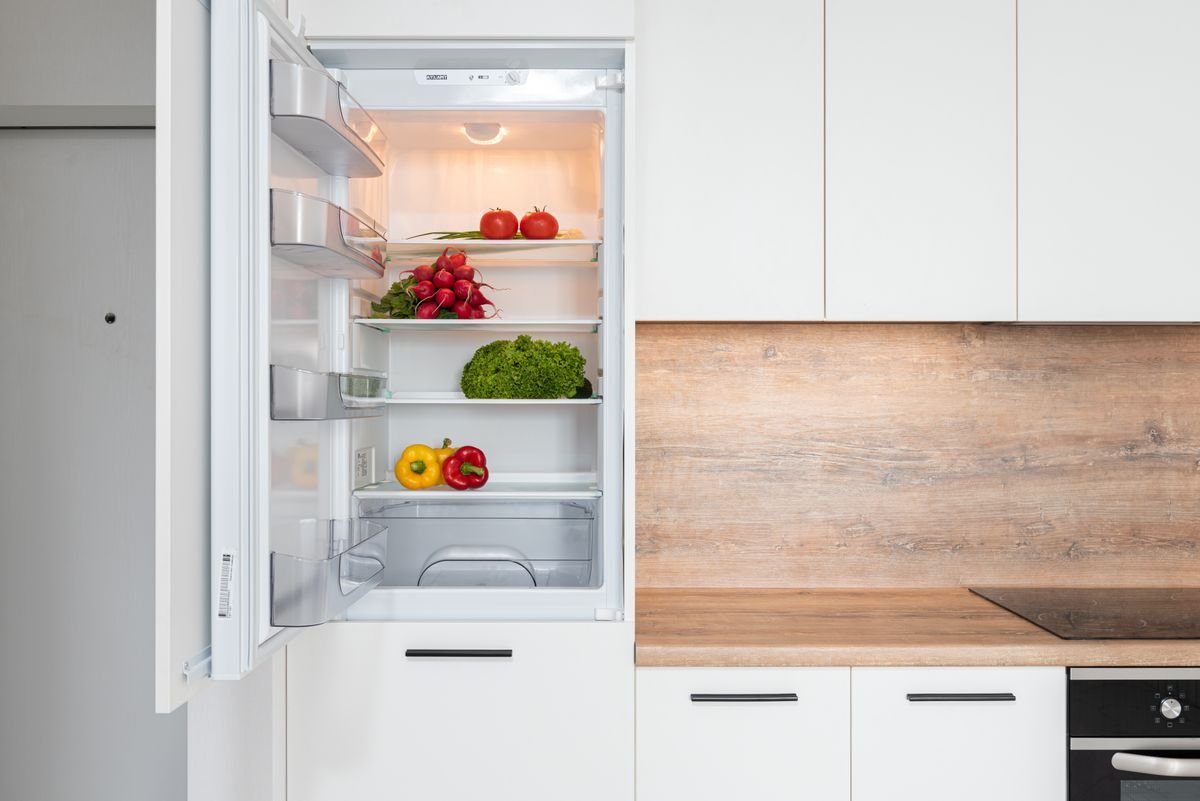
Fresh fruit and vegetables are the number one source of grocery waste for single people. A bag of spinach that costs real money ends up slimy in the drawer because one person cannot finish it in time. Frozen vegetables and fruit solve this completely. They are picked ripe, frozen within hours, and keep their nutrition. You can pour out exactly one portion and put the rest back.
Keep frozen peas, spinach, peppers, mixed berries, and corn in the freezer at all times. They cost less per serving than fresh, they never spoil, and they turn a plain omelette or bowl of rice into a real meal in minutes. Use fresh produce for the items you will eat quickly and lean on frozen for everything else.
6. Shop the Store Like a Local, Not a Tourist
Every store has a rhythm. Learn when yours marks down bakery items, dairy, and meat nearing their best before dates. These reduced price stickers are gold for a single person, because you can freeze the item the same day. A marked down loaf of bread sliced and frozen gives you toast for a month.
Stick to the outer edges of the store, where produce, dairy, and meat live, and treat the middle aisles as a danger zone of processed foods with the highest markups. Buy store brand basics like oats, rice, pasta, canned beans, and frozen veg. They are usually made in the same factories as the famous brands at a much lower price.
7. Turn Leftovers Into Planned Meals, Not Afterthoughts
The reason leftovers go to waste is that they feel like a repeat performance. Change the framing. When you plan your three weekly meals, also plan one dedicated leftovers night. Call it fridge cleanout night and make it fun with toppings and sauces that change the dish.
Learn a few transformation moves. Last night’s roast chicken becomes tonight’s quesadillas or chicken salad. Cooked rice becomes fried rice with an egg and frozen peas. Stew becomes a pie filling with a pastry lid. A single leftover meal used well can replace one full grocery trip per month, which adds up fast.
8. Store Food So It Actually Lasts
Poor storage is a hidden tax on solo shoppers. A little technique keeps food fresh much longer. Wash berries only right before eating, store herbs like flowers in a glass of water in the fridge, and keep onions and potatoes apart so they do not make each other sprout. Wrap cheese tightly after opening and keep bread in the freezer rather than the fridge, where it goes stale faster.
Buy a few good airtight containers and resealable bags. They cost very little and pay for themselves many times over by keeping food fresh for extra days. Every extra day of freshness is one less trip to the bin and one less item to buy again.
9. Skip the Single Serving Tax
Small single portion packs of snacks, cheese, yoghurt, and ready meals look convenient, but they are among the most expensive items in the store per unit. Buy the standard size and portion it yourself into containers or bags. Ten minutes of portioning on shopping day saves a noticeable amount every week.
The same rule applies to coffee, tea, and drinks. A daily cafe habit can cost more than your entire grocery budget. A simple home setup with good beans and a basic method pays for itself within weeks, and batch brewed iced tea or lemon water replaces expensive bottled drinks at a fraction of the price.
10. Make Staples at Home Instead of Buying Them
Some of the priciest items in a shopping basket are also the cheapest to make at home. Salad dressing, pancake mix, bread crumbs, roasted snacks, popcorn, and hummus all take minutes with basic ingredients you probably own. A jar of good salad dressing can cost as much as the oil and vinegar to make a whole bottle of your own.
Start with one staple per month. When homemade dressing becomes normal, add homemade bread crumbs. These small switches improve the taste of your food and shave real money off the bill. Cooking simple things yourself also builds kitchen confidence, which makes the whole money saving system easier.
11. Use Loyalty Programs and Cashback Without Becoming a Coupon Zombie
Store loyalty cards are free money if you were going to shop there anyway. Sign up for the programs at the stores you already use, and check the app for personalised offers on items on your list. Never buy something just because there is a coupon for it. A discount on something you do not need is still spending.
Cashback apps that pay you for uploading receipts can return a small percentage on your regular shopping. The key word is regular. Only chase rewards on items you were already buying. The moment a deal changes what you buy instead of lowering what you pay, the coupon is costing you money.
12. Do a Monthly Ten Minute Money Check
Once a month, look back at your grocery spending and compare it with your budget. Ask three questions. What did I throw away? What did I buy that I never used? What was my most expensive habit? The answers point directly to your next improvement.
This short review keeps the system alive. Budgets drift when nobody watches them, and a quick monthly check is the difference between saving for a few weeks and saving all year. Adjust your budget up or down based on real numbers, not guilt, and celebrate the months you come in under target.
How to Save Money on Groceries as a Single Person: Your First Week Plan
If all twelve tips feel like a lot, start here. This week, do three things only. First, write down every grocery purchase for seven days so you know your real spending. Second, plan three dinners and shop with a list based on that plan. Third, freeze half of one batch meal. That is it.
These three actions alone usually cut a solo grocery bill by fifteen to twenty percent in the first week. Add one new tip each week after that, and within three months you will be running a calm, organised food routine that costs less and tastes better than your old habits.
Conclusion: Small Habits, Real Savings
Learning how to save money on groceries as a single person is not about extreme couponing or eating boring food. It is about matching your shopping and cooking to the reality of a one person household. Plan a few meals, shop with a list, freeze what you cannot finish, and waste almost nothing. The freezer strategy, the per serving math, and the monthly money check do most of the heavy lifting.
Start with the three step first week plan above, then add one tip at a time. Your future self, the one eating a delicious homemade meal from the freezer on a busy Tuesday instead of paying for delivery, will thank you.
Frequently Asked Questions
How much should a single person spend on groceries each week?
It varies by location and diet, but a good starting point is to track your actual spending for one month and then set a target ten percent lower. Many single shoppers find that careful planning brings their bill down to a comfortable level without any real sacrifice.
Is it cheaper to buy in bulk as a single person?
Only for items that will not spoil or that you can freeze. Rice, pasta, canned beans, and frozen vegetables are great bulk buys. Bulk fresh produce and large meat packs usually cost more once waste is factored in, so always check the per serving price of what you will actually use.
What is the cheapest way for one person to eat well?
Batch cooking and freezing is the cheapest route to good food. A big pot of chilli or curry costs little per serving, freezes perfectly, and beats both takeout and ready meals on price and taste. Combine that with frozen produce and store brand basics for the biggest savings.
How do I stop wasting food when I live alone?
Plan three meals a week, shop with a list, freeze half of every batch, and keep frozen fruit and vegetables for the days fresh produce runs out. Better storage habits, like keeping bread in the freezer and washing berries just before eating, add extra days of freshness.
Are meal kits worth it for a single person?
Meal kits are convenient and portioned for one, but they usually cost two to three times more than cooking the same meal yourself from store bought ingredients. They can be a good short term learning tool, but batch cooking your own meals is far cheaper in the long run.