Your boss just handed you a job nobody asked for. Plan the team offsite. The team is excited, the budget is small, and the last offsite anyone remembers was a costly day at a hotel that felt like a meeting with better coffee. You have a few hundred dollars, a team of ten or fifteen people, and one day to make it count. The good news is that a great offsite does not need a resort. It needs a clear goal, a simple plan, and a day that feels different from the office. This guide shows you how to plan a team offsite on a small budget, step by step, with real numbers and ideas that work for a small business.
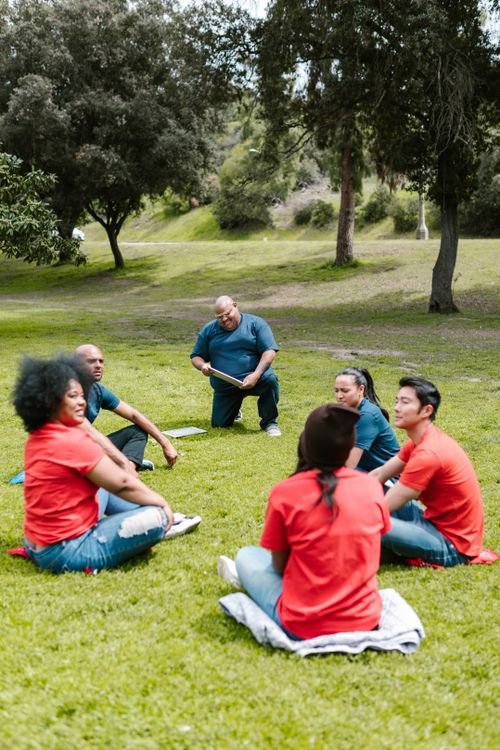
The story behind this guide is familiar. A small marketing agency with twelve people wanted an offsite but had only 800 dollars to spend. Instead of booking a venue, they picked a public park, brought food from a local deli, and built the day around one goal, fixing how the team handed work to each other. The total cost came to 62 dollars per person. Six months later the team still talked about that day, not because it was fancy, but because it changed how they worked together. That is the standard to aim for. A cheap offsite with a clear purpose beats an expensive one with none.
How to Plan a Team Offsite on a Small Budget Starts With a Goal
Every decision gets easier once you pick one goal. A goal is not a theme or a slogan. It is a single outcome you want by the end of the day. Examples that work well include agreeing on priorities for the next quarter, improving how the team gives feedback, welcoming new hires into the team, or simply rebuilding trust after a hard few months. Pick one goal and write it down in a single sentence.
Share the goal with the team before the day. People prepare better when they know why they are gathering, and they forgive a simple venue when the purpose is clear. A short note works well. Tell them the goal, the date, the place, what to bring, and what the day will look like. Ask one question in advance, such as what is one thing that would make your work easier, and use the answers to shape the agenda.
Cut anything that does not serve the goal. A fancy lunch, a long icebreaker, or a guest speaker may all sound fun, but if they do not move the goal forward, they eat time and money. A tight agenda built around one goal feels focused rather than cheap, and the team leaves with something real instead of just a nice day out.
Set a Per Person Budget and Stick to It
A per person budget keeps the whole plan honest. Add up your total budget, divide it by the number of people, and treat that number as the limit for the whole day, including food, transport, activities, and supplies. For a small team, 50 to 75 dollars per person buys a strong day. A 10 person team with 600 dollars has 60 dollars each, which covers a park venue, sandwiches, drinks, and simple materials with room to spare.
Write the budget down in four lines: venue, food and drink, transport, and activities and supplies. Estimate each line before you book anything, and keep a small buffer of about 10 percent for surprises. If one line runs over, take the difference from another line instead of raising the total. The discipline of a fixed budget forces better choices, such as a free park instead of a rented room, or a potluck lunch instead of catering.
Be open with the team about the budget. People respect honesty, and they often have good ideas for saving money. One team member may know a free community hall, another may own a portable speaker, and a third may love cooking for a group. Asking for help turns the budget from a limit into a shared project.
Pick a Venue That Costs Little or Nothing
The venue is usually the biggest cost, and it is the easiest to cut. Public parks, beaches, community centers, libraries, and coworking spaces often cost nothing or a small fee. A team member’s garden, a rented cabin outside the city, or a quiet cafe with a back room can work just as well. The best venues have shade, seating, toilets nearby, and a backup plan for rain.
Visit the venue before the day if you can. Check phone signal, since a planning session dies without it, and check where the nearest food and toilets are. Bring your own supplies, such as a whiteboard or a flip chart, paper, pens, and a portable speaker. A park with a picnic table and a shade tree works well for most small teams, and it costs nothing at all.
Stay close to the office when the budget is tight. A venue within an hour’s drive saves on transport and keeps the day simple. If the team works remotely, pick a place near most people or meet in a town halfway between them. A short journey keeps energy high, while a long one eats the morning before the work starts.
Plan Food Without a Catering Bill
Food is where small budgets often break, because catering quotes surprise first time planners. A local deli or bakery usually feeds a team for 10 to 15 dollars per person, while a caterer can charge three times that. Sandwich platters, wraps, salads, fruit, and bottled water cover lunch well. Add coffee and pastries in the morning from a nearby bakery, and the whole food bill stays modest.
A potluck lunch works well for close teams and costs almost nothing. Ask each person to bring one dish or one drink, and keep a simple list so you do not end up with six bags of chips. A shared meal that the team made together often becomes one of the best parts of the day. For the evening, a barbecue at a park or a team cooked meal at a rented cabin gives people time to relax together without a restaurant bill.
Ask about dietary needs in advance. A simple form or group message asking about allergies and preferences avoids the awkward moment when half the team cannot eat the lunch. Label the dishes, keep a vegetarian option and a gluten free option available, and bring extra water. Food that everyone can eat is a small detail that makes the day feel thoughtful.
Choose Activities That Cost Almost Nothing
Good offsite activities build connection and serve the goal. A walk and talk in pairs, where two people discuss a question for 15 minutes and then swap partners, costs nothing and gets people talking honestly. A scavenger hunt around the venue, a team quiz about the company, or a short cooking challenge all work well and need little more than paper and a few supplies.
Outdoor games suit a park venue. A simple game of rounders, a frisbee, or a relay race breaks the ice faster than any structured exercise. Keep the games short and optional, since not everyone enjoys competition. The point is shared laughter, not a winner. A 30 minute game between work sessions refreshes the mind better than another hour at a table.
Build one activity around the goal itself. If the goal is better feedback, run a short session where pairs practice giving honest feedback on a real piece of work. If the goal is planning the next quarter, run a session where small groups sketch a plan on one page and present it in three minutes. Activities tied to real work give the day lasting value.

Build an Agenda With Room to Breathe
A good offsite agenda has fewer items than you think. Plan two or three work sessions of 60 to 90 minutes, with real breaks between them. Start the day with a short welcome and a clear statement of the goal, then move into the first session while energy is high. Put the hardest discussion in the morning and the lighter activities in the afternoon.
Leave gaps in the schedule. Unplanned time is when the best conversations happen, over coffee, on a walk, or during a game. A packed agenda leaves people tired and stops the informal talk that builds trust. A 15 minute break every hour and a proper lunch break keep the day human. End the day 30 minutes early with a short close, where each person names one thing they will do differently next week.
Send the agenda the day before, with times, places, and what to bring. A one page agenda is enough. Include the goal at the top, the session titles, the meal times, and the finish time. People relax when they know the shape of the day, and a clear finish time shows respect for their evening.
Handle Travel and Timing Smartly
Travel costs hide in the details, so plan them early. Carpooling in team members’ cars is the cheapest option for a local venue, and it gives people time to talk on the way. Public transport works well in a city, and a group ticket often costs less than separate fares. If the venue is farther away, compare the cost of a minibus with the cost of several cars before you book.
Pick a weekday for the offsite if you can. Venues charge less on weekdays, parks are quieter, and the team treats the day as work rather than a weekend obligation. A Tuesday or Wednesday works well, since the team can apply what they learned for the rest of the week. Avoid Mondays, when people are catching up, and Fridays, when minds are already on the weekend.
Start at a humane time. A 9:30 start lets people travel without rushing and still leaves a full day. Finish by 4:30 or 5, and say so in advance. A clear end time is a kindness, and it stops the day from dragging into an evening nobody planned for.
Assign Roles So Nothing Falls Through
One person should own the plan, but nobody should do everything alone. Give the team small roles. One person handles food, another handles the venue and supplies, a third keeps time on the day, and a fourth takes notes. Small roles spread the work and give everyone a stake in the day.
The timekeeper is the most useful role. Their job is to end sessions on time and protect the breaks, which keeps the day moving without the planner having to play the strict boss. The note taker records decisions and action items in a shared document during the day, so nothing agreed is lost by Monday. A short photo taker role is worth adding too, since a few good photos make the follow up message and the next offsite easier to sell.
Run a quick check the day before. Confirm the venue, the food order, the transport, and the supplies. Charge the speaker, pack the whiteboard markers, and print the agenda. A 15 minute check the day before prevents the small failures that spoil an otherwise good day.

Follow Up After the Offsite
An offsite fails if nothing changes on Monday. Send a short follow up within two days, with the decisions made, the action items, who owns each one, and the date for a check in. Keep it to one page. People remember a day that led to real change, and they forget a day that ended with good intentions and no plan.
Hold the check in after two weeks. Ask what changed, what stalled, and what needs help. A 15 minute team check in keeps the offsite alive and shows the day was not just a break from work. Share the photos in the same message, since a good photo reminds people of the day and the goal behind it.
Ask the team what worked and what did not. A short anonymous survey with three questions takes two minutes to answer and gives you a better plan for next time. Keep the notes from this offsite in one place, with the budget, the venue, and the agenda, so the next planner starts from your work instead of from scratch.
Conclusion
Learning how to plan a team offsite on a small budget comes down to three choices. Pick one clear goal, spend the money where it serves that goal, and keep the rest simple. A free park, honest food, and a focused agenda will do more for a team than a costly venue with no purpose. Set a per person budget, choose activities that cost almost nothing, leave room to breathe, and follow up within two days. The team will remember the conversations and the decisions, not the price tag, and that is exactly what a good offsite should deliver.
Frequently Asked Questions
How much does a small team offsite cost?
A simple offsite for a small team usually costs 50 to 75 dollars per person, covering food, a free or low cost venue, transport, and basic supplies. A 10 person team can run a strong day for about 600 dollars.
What is the best venue for a cheap team offsite?
A public park, community hall, library room, or a team member’s garden works well and often costs nothing. Choose a place with shade, seating, toilets nearby, and a backup plan for rain.
How long should a team offsite last?
One full day works best for a small team, roughly 9:30 in the morning to 4:30 in the afternoon. That leaves time for two or three work sessions, a proper lunch, and relaxed breaks without exhausting everyone.
What food should I plan for a team offsite on a budget?
Sandwich platters, wraps, salads, and fruit from a local deli cost about 10 to 15 dollars per person. A potluck lunch or a team barbecue costs even less, and both suit a relaxed outdoor day.
How do I make a cheap offsite feel special?
Give the day a clear goal, a simple ritual such as a shared meal the team cooked together, and time for honest conversation. People remember purpose and connection far longer than they remember a fancy venue.
For more small business planning guides, see how to plan a staff party on a small budget and how to prioritize tasks using the Eisenhower matrix.