It is 3 in the morning. You are awake because someone just nudged you, hard, in the ribs. Or you woke yourself up with a sound that seemed far too loud to come from your own throat. Either way, the night is broken, and the snoring is the reason. If that scene sounds familiar, you are far from alone. Roughly half of all adults snore at least now and then, and for many of them it happens most nights.
The good news is that most snoring responds to simple changes you can start tonight, without drugs, without a device, and without spending much money. This guide shows you how to stop snoring naturally at night, starting with changes you can make before bedtime today. The fixes work because they deal with the real cause of the sound, not just the noise itself. Try them in order, give each one a fair few nights, and keep a note of what changes. Quiet nights are usually built one small fix at a time.
Why snoring happens in the first place
Snoring is the sound of soft tissue vibrating. When you fall asleep, the muscles in your throat relax. The airway narrows, and the air you breathe has to squeeze through a smaller gap. The soft palate, the tongue, and the walls of the throat start to flutter as the air rushes past, and that flutter is the rumble you hear.
A few things make that flutter more likely. Sleeping on your back lets gravity pull the tongue toward the back of the throat. A blocked nose forces you to breathe through your mouth, which dries the throat and narrows the airway further. Alcohol relaxes the throat muscles even more than sleep alone does. Extra tissue around the neck presses on the airway from the outside. And when you are short on sleep, your muscles relax deeper and faster, so the snoring often gets louder after a late night.
Knowing the cause matters because it tells you where to aim. Every fix in this guide opens the airway a little wider, steadies the tissue that vibrates, or clears the nose so air can move freely. None of them asks you to buy a gadget first. Start with the free changes, then add the low cost ones only if you still need them.
How to stop snoring naturally at night starting tonight
You do not need to wait for a delivery or an appointment to sleep more quietly. These five changes can all start tonight, and most people notice a difference within the first two or three nights.
Sleep on your side
Position is the single fastest fix for most snorers. When you lie on your back, gravity pulls your tongue and soft palate toward the back of your throat, and the airway narrows at exactly the wrong spot. Roll onto your side and the tissue falls forward instead, leaving the airway open.
If you always end up on your back by morning, give your body a reminder. A firm body pillow behind your back makes rolling over harder without waking you. Some people sew a tennis ball into the back of an old sleep shirt, which works the same way and costs almost nothing. A pillow shaped like a U, tucked behind you, can also hold you in place.
Test it for one week before you judge it. Ask your partner to note whether the snoring is quieter, or record a night or two on your phone and compare the sound. Positional snoring is the most common kind, and for people who have it, side sleeping is often the whole answer.
Raise the head of your bed a little
A slight lift can help the airway stay open. Raising the head of the bed by about four inches lets gravity work for you instead of against you, keeping the tongue from falling back and helping fluid drain away from the throat.
Use bed risers under the legs at the head of the bed, or a wedge pillow that lifts your whole upper body. Avoid stacking ordinary pillows under your head alone, because that bends your neck forward and can actually squeeze the airway tighter. The lift should be gentle and even, from the shoulders up, not a sharp bend at the neck.
This fix pairs well with side sleeping. Together they give the airway two kinds of help at once, and both cost little or nothing to try.
Clear your nose before bed
A blocked nose is one of the most overlooked causes of snoring. When the nose is shut, you breathe through your mouth all night. Mouth breathing dries the throat, lets the soft tissue vibrate more easily, and often makes the snore louder and rougher.
Start with a saline rinse or a saline spray about 30 minutes before bed. It washes out dust, pollen, and dried mucus, and it is gentle enough to use every night. A warm shower before bed helps too, because the steam loosens mucus and opens the passages for a while. If allergies are part of the problem, keep the bedroom as dust free as you can, wash pillowcases often, and talk to a pharmacist about an allergy spray that suits you.
Nasal strips are worth a try if the blockage is in the outer part of the nose. They stick across the bridge of the nose and pull the nostrils gently open. They do not help everyone, but they are cheap, they work the same night, and you will know within a night or two whether they help you.
Skip alcohol in the hours before bed
Alcohol is the most reliable snoring amplifier there is. It relaxes the muscles in your throat well beyond their normal nighttime slack, so an airway that usually stays open starts to flutter. Even one drink can make the difference between a quiet night and a loud one.
Give yourself at least three to four hours between your last drink and bedtime. That gap lets the relaxing effect wear off before you fall asleep. The same warning applies to sedative medicines and sleep aids that relax the muscles, so check with your doctor or pharmacist before using one if you snore heavily.
This is also the easiest fix to test. Try three alcohol free evenings in a row and ask your partner, or your phone recording, whether the night was quieter. For many people the answer is obvious by the second night.
Keep the air in your bedroom moist
Dry air dries the lining of the nose and throat, and dry tissue vibrates more easily and swells more readily. In winter, when heating is on, bedroom air often drops well below comfortable humidity.
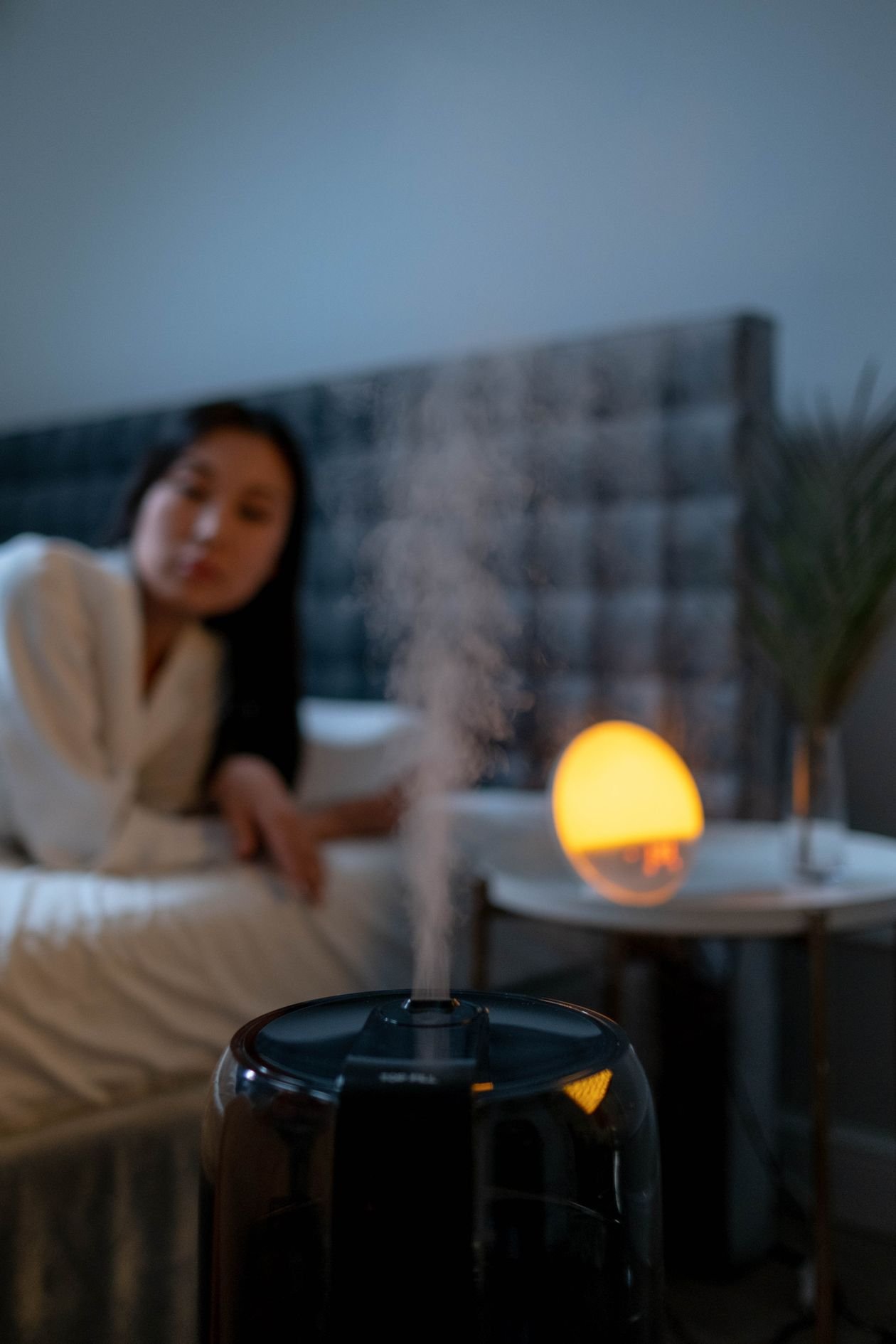
A cool mist humidifier on the nightstand can make a real difference, especially if you wake with a dry throat or a blocked nose. Aim for comfortable humidity, roughly 40 to 50 percent, and clean the unit often, following the maker instructions, so it does not grow mold or bacteria. A warm shower before bed adds a short burst of moist air too, and it doubles as a way to clear the nose before you lie down.
If you live somewhere warm and humid, this fix may not apply to you. But if your mornings start with a sore throat and a stuffy nose, moist air is a simple, low cost change worth trying.
Habits that quiet snoring over a few weeks
The fixes above can help tonight. The habits below take longer, but they change the airway itself, so the benefit lasts. Give them six to eight weeks before you judge them, and keep the nightly fixes going at the same time.
Train your throat and tongue
The muscles of the tongue and throat can be strengthened, just like any other muscles, and stronger muscles vibrate less. Throat exercises, sometimes called myofunctional therapy, have been shown in studies to reduce snoring volume and frequency when practiced daily.
A simple nightly routine takes about ten minutes. Press the tip of your tongue firmly against the roof of your mouth and slide it backward, then repeat 20 times. Suck the tongue flat against the roof of the mouth and hold for ten seconds, then repeat 10 times. Push the back of the tongue against the floor of the mouth while the tip touches the back of the lower front teeth, hold for five seconds, and repeat 10 times. Finish by saying each vowel sound out loud, loud and clear, for three minutes, exaggerating the mouth movements.
Singing helps too. Regular singing tones the same muscles, and some studies have found that people who sing often snore less. It does not matter whether you sound good. A few songs in the shower count. Jaw tension plays a part as well. If you also grind your teeth at night, easing that tension helps the whole mouth and throat relax, and the two problems often show up together.
Keep a steady sleep schedule
Being short on sleep makes snoring worse. When you are very tired, your throat muscles relax deeper and faster, and the airway collapses more easily. That is why snoring often gets louder after a late night or a run of short nights.
Aim for seven to nine hours a night, and keep your bedtime and waking time roughly the same, even on weekends. A steady rhythm trains your body to fall asleep faster and sleep deeper, which steadies the throat muscles through the night. If racing thoughts that keep you awake are the reason your nights run short, deal with those first, because tiredness and snoring feed each other. If your roster rotates, read how to sleep better when you work night shifts for a routine that holds up across changing shifts.
Ease extra weight around the neck
Extra weight around the neck squeezes the airway from the outside. Even a modest loss can ease that pressure and quiet the snore. The link is not about looks, it is simple physics: less tissue around the airway means more room for air.
You do not need a crash diet. A steady plan of smaller portions, fewer late night snacks, and a daily walk is enough to start. If your weight has risen at the same time your snoring started, the two are very likely connected, and your doctor can help you set a realistic target.
Stop smoking and skip sedatives
Smoking irritates the lining of the nose and throat, causing swelling that narrows the airway. Smokers snore more often and more loudly than people who do not smoke, and the effect builds over years. Quitting helps the airway in weeks, and the benefit keeps growing.
Sedative medicines have the same relaxing effect as alcohol, only stronger. If you take a sedative, an antihistamine that makes you drowsy, or a sleep aid, ask your doctor or pharmacist whether it could be adding to the snore. Never stop a prescribed medicine without medical advice, but do ask the question.
What about mouthpieces and nasal strips
Natural fixes come first, but it is honest to say where devices fit. A mouthpiece that holds the lower jaw slightly forward, known as a mandibular advancement device, can stop snoring for many people by keeping the airway open from the front. Custom fitted versions from a dentist work best, though ready made versions sold without a prescription are cheaper and worth a trial if the free fixes have not been enough.
Nasal strips, as noted above, help when the blockage is in the nose itself. Nasal dilators that sit inside the nostrils work the same way. Neither will help if the snoring comes from the throat rather than the nose, so test them for a few nights and move on if they change nothing.
Think of devices as a second step, not a first step. They work best on top of good sleep position, a clear nose, and no alcohol before bed. If you do buy one, keep the receipt, because fit varies and the first one you try may not be the one that suits you.
When snoring is a warning sign
Most snoring is a nuisance. Some snoring is a warning. Loud snoring with pauses in breathing, gasping, or choking sounds during the night can point to obstructive sleep apnea, a condition where the airway closes again and again while you sleep. People with sleep apnea often wake with a headache, feel wiped out during the day even after a full night in bed, and may nod off while reading or watching television.
See a doctor promptly if you notice any of these signs: breathing that stops and starts during the night, gasping or choking sounds, morning headaches, heavy daytime sleepiness, high blood pressure that is hard to control, or a partner who has watched you stop breathing. A sleep study, often done at home with a small monitor, can confirm whether apnea is present, and treatment can change your energy and your long run health in a real way.
Do not try to push through these signs with home fixes alone. Natural remedies can help mild snoring, but sleep apnea needs medical care. Getting checked is simple, and it is the single most useful thing you can do if the red flags apply to you.
Your seven night plan to quieter sleep
Big lists are easy to read and easy to ignore. This plan gives you one change per night, so you can see which fix makes the difference for you.
Night one, sleep on your side, with a body pillow behind you to hold the position. Night two, add a saline rinse and a warm shower before bed. Night three, keep your last drink at least four hours before bedtime. Night four, raise the head of the bed a little and put a glass of water on the nightstand. Night five, start the throat exercises and do them every night from here on. Night six, set a firm bedtime and keep the phone out of the bedroom for the last half hour. Night seven, look back at the week and keep the three changes that helped most.
Write down what you tried and what happened each morning. A few lines in a notebook are enough. After two weeks you will have a clear picture of your own snoring, and you will know which fixes are worth keeping for good.
Conclusion
Learning how to stop snoring naturally at night starts with a simple truth: snoring is vibration, and anything that opens the airway or steadies the tissue quiets it. Side sleeping, a clear nose, no alcohol near bedtime, moist bedroom air, and a slightly raised bed can all help tonight. Throat exercises, steady sleep, and easing extra weight around the neck build quieter nights over weeks. Devices are a fair second step, and a doctor visit is the right step if the red flags of sleep apnea appear.
Start tonight with the easiest change, side sleeping, and add one fix each night for a week. Note what works, keep the winners, and drop the rest. If your nights are still loud after a month of steady effort, or if breathing pauses and daytime sleepiness show up, get checked. Quiet sleep is not a luxury. It is the foundation your whole day is built on, and it is well within reach.
Frequently asked questions
How can I stop snoring naturally tonight?
Sleep on your side, clear your nose with a saline rinse, skip alcohol in the hours before bed, and raise the head of your bed slightly. These four changes work the same night for many people, and you can try them all at once.
Can snoring be stopped for good without surgery?
Often it can be reduced a great deal, but rarely cured in the permanent sense. Snoring behaves more like a habit you manage than a problem you fix once. Side sleeping, throat exercises, and a healthy weight keep it quiet only while you keep doing them.
Does sleeping on your side really stop snoring?
For positional snoring it is often the most helpful change. Lying on your back lets gravity pull the tongue toward the back of the throat, while side sleeping keeps the airway open. Test it for a week and compare the sound.
What is the best natural remedy for snoring?
There is no single best remedy, because the cause differs from person to person. Side sleeping helps most people, a clear nose helps people with congestion, and throat exercises help people whose snoring comes from relaxed throat muscles. Start with side sleeping and add one fix at a time.
When should I see a doctor about snoring?
See a doctor if your snoring comes with breathing pauses, gasping, or choking at night, morning headaches, heavy daytime sleepiness, or high blood pressure that is hard to control. These signs can point to sleep apnea, which needs medical care rather than home fixes alone.