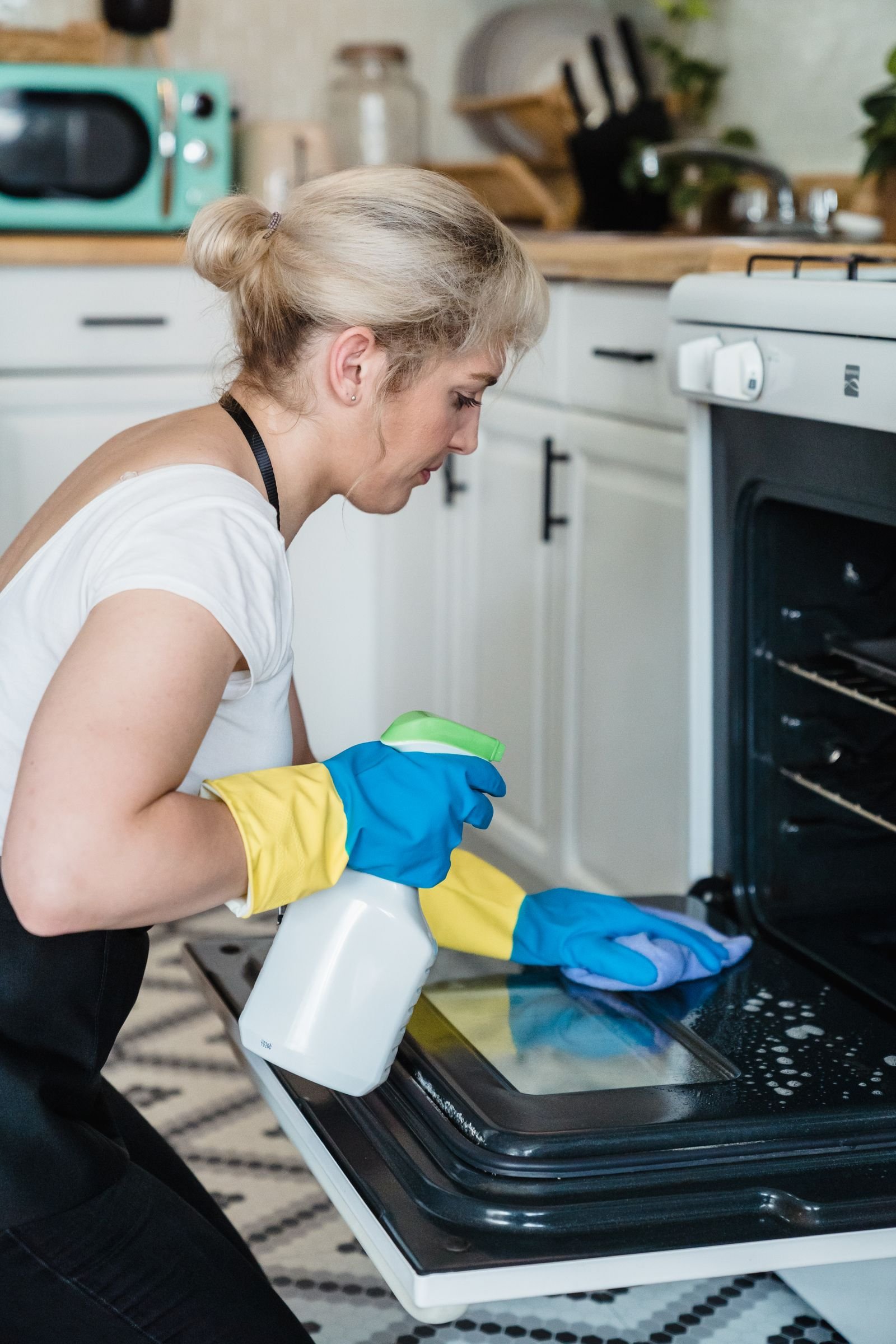

Picture a Tuesday evening in Leeds. Sarah, a teaching assistant, has just put the children to bed, opened her laptop at the kitchen table and typed the same question into Google for the third time that week: how to start a side hustle with no money uk. She has no savings to invest, no spare room to turn into a studio and no idea she feels confident enough to sell. What she does have is two free hours most evenings, a phone, a laptop and a decade of experience keeping a classroom of thirty children organised. That, it turns out, is enough.
This guide is written for people in exactly Sarah’s position. You want extra income, you have no money to put in and you need honest advice, not a sales pitch for a course. The good news is that starting a side hustle with no money in the UK is genuinely possible, because the cheapest kind of business is one that sells your time and your skills rather than a product you must buy first. The rest of this article shows you how to pick an idea, find your first paying customer and keep the money side simple, all without spending a pound you do not have.
Why Most People Never Start a Side Hustle
Most people who search for how to start a side hustle with no money uk never actually start one, and the reason is rarely laziness. It is the gap between what they imagine a business needs and what it really needs. Social media is full of people selling the idea that you need a logo, a website, a limited company and a marketing budget before you can earn your first pound. None of that is true at the start. A side hustle begins the moment someone pays you for something useful, and everything else can wait until the money starts coming in.
The second trap is the search for the perfect idea. People spend weeks comparing dog walking with tutoring, tutoring with reselling, reselling with freelance writing, and end up choosing nothing. The truth is less exciting but far more useful: the best first side hustle is rarely the most original idea. It is the one you can start this week, with what you already own, for people you can already reach. Originality matters far less than speed. You can always change direction once you have your first customer and your first payment.
The third trap is the belief that no money means no chance. In practice, money is only one of three resources a new side hustle needs. The other two are time and trust. If you have a few hours a week and people who already trust you, you have what you need to begin. Money simply speeds things up later, when you already know the idea works.
The One Rule That Makes a No Money Start Possible
Here is the rule that keeps your start genuinely free: sell a service before you sell a product. A service uses skills and time you already have. A product needs stock, packaging, delivery and returns, and each of those costs money before you earn a penny. That is why cleaning, tutoring, dog walking, admin support, gardening, babysitting, proofreading and social media help are such strong first side hustles. The customer pays for your time, and your only cost is the time itself.
This rule also protects you from the most common beginner mistake, which is spending money to feel like a business owner. A professional website, printed business cards and a paid scheduling tool all feel like progress, but they earn you nothing until a customer exists. Spend your first weeks talking to real people about a real offer instead. When the money starts arriving, you can reinvest a small part of it into the tools that will genuinely help.
There is one more part to the rule. Keep your day job while you test the idea. A side hustle works best as a second income that grows slowly, not as a leap into the unknown. Your salary pays the rent while your side hustle proves itself, and that safety net is what lets you make calm decisions instead of desperate ones.
Pick an Idea You Can Start This Week
Start with an honest inventory of what you already have. Write down three lists on a single sheet of paper. First, the skills people already ask you for help with, from fixing a spreadsheet to calming a toddler. Second, the equipment you already own, such as a laptop, a phone, a car, a lawnmower or a sewing machine. Third, the people you already know, including neighbours, parents at the school gate, colleagues and members of any club or community group you belong to. The overlap between those three lists is where your best idea lives.

Here are eight ideas that need no upfront spending and that work well across the UK. Read them as a menu, not a ranking, and notice which one you could describe to a neighbour in a single sentence.
- Cleaning and organising. Homes, offices and end of tenancy cleans are always in demand, and clients usually supply the products. Start with people you know and let word of mouth do the rest.
- Tutoring. If you can explain school maths, English or a musical instrument clearly, parents will pay £20 to £35 an hour in most UK towns. Online sessions need nothing more than a laptop and a quiet room.
- Dog walking and pet sitting. Busy owners need reliable help every weekday. Your local park and a few posts in community groups are all the advertising you need.
- Virtual assistant work. Small businesses need help with emails, calendars, data entry and customer replies. If you are organised and write clearly, you can start with a single client.
- Gardening and odd jobs. Lawns, hedges, flat pack furniture and small repairs are jobs people keep putting off. Your own tools and a car are enough to begin.
- Freelance writing and proofreading. Local businesses, charities and bloggers need clear words for websites and newsletters. A few strong samples matter far more than a qualification.
- Social media help for local businesses. Cafes, hairdressers and tradespeople often have no time to post. Offer to manage one account for one month and prove the value.
- Reselling what you already own. Clothes, books and gadgets gathering dust can fund your first weeks, and the selling process teaches you what buyers actually want.
Choose the idea that feels easiest to explain and quickest to deliver. You are not choosing a lifelong career. You are choosing a first experiment, and the experiment only needs to answer one question: will someone pay for this? If the answer turns out to be no, you will have learned something useful and lost nothing but a little time. Once your idea earns its first pounds, a simple plan helps you grow it. Our guide to writing a simple business plan for a side hustle shows you how to map the next steps without overcomplicating anything.
How to Start a Side Hustle With No Money UK in 7 Days
A vague plan is the enemy of a no money start, so here is a simple seven day sequence that turns the idea into income. Each day takes an hour or two at most, and none of it costs anything.
On day one, write your offer in one sentence. It should name who you help, what you do and what it costs. For example: I walk dogs in Headingley for £12 an hour, or I proofread CVs and cover letters for £25 per document. A clear offer is easier to buy than a clever one, and it gives people something concrete to say yes to.
On day two, tell ten people. Not by posting into the void online, but by messaging or speaking to ten real people who already know you. Friends, family, neighbours, colleagues and parents at the school gate all count. Ask them a simple question: do you know anyone who needs this, or would you like it yourself? Most first customers come from this kind of direct conversation, not from advertising.
On day three, set up a free way for people to find you. A Facebook page, a free Google Business Profile and a post in two or three local community groups cost nothing and reach exactly the people nearby who might hire you. Include your offer sentence, your area and a clear way to contact you. A photo of you doing the work builds far more trust than a stock image ever will.
On day four, offer your first job at an introductory price. This is not about working for free. It is about making the first yes easy. A slightly lower price for your first three customers, in exchange for an honest review and permission to share their feedback, is a fair trade that builds your reputation fast.
On days five and six, deliver brilliantly and ask for the review while the customer is still happy. Send a short message after the job: thank you, I hope you are pleased, and would you mind leaving a few words I can share? Those first reviews become the foundation of everything that follows.
On day seven, look at what happened. Did anyone reply? Did anyone book? Did the price feel right? If you earned even £30, you have proof the idea works, and you can repeat the process with more confidence. If nobody replied, change one thing, usually the offer or the audience, and try again. That is how a side hustle grows: one small test at a time.
How to Find Your First Paying Customer Without Ads
Advertising feels like the obvious way to find customers, but it is the most expensive way, and it is the one thing you cannot afford right now. The free routes work better at this stage because trust matters more than reach. A stranger who sees an advert knows nothing about you. A neighbour who hears about you from a friend already trusts you a little, and that trust is worth more than any advert.

Start with the places where trust already exists. Local Facebook groups, WhatsApp community chats, school gates, sports clubs, church halls and workplace noticeboards all put your offer in front of people who live near you. Post once, clearly, and answer every reply quickly. Speed matters. A person who messages you about a dog walk or a tutoring session and hears back within the hour is far more likely to book than someone who waits a day for a reply.
Next, look for the businesses near you that already serve your ideal customers. A dog walker can leave a simple card at the local vet and pet shop. A tutor can speak to the owner of a dance school or a football club. A virtual assistant can help one local business first, then ask that owner for an introduction to another. If you want to see how this kind of service work scales, our guide on starting a virtual assistant business from home in the UK explains how one client can lead to a steady roster.
Marketplaces can help too, but choose them carefully. Sites such as TaskRabbit, Bark and PeoplePerHour let you list a service for free and only take a fee when you earn, which fits a no money start. Avoid any platform that asks you to pay for leads or a subscription before you have earned anything. Your money should come after the work, not before it.
Finally, treat every customer as your next advert. Arrive on time, do a little more than promised and follow up the next day with a thank you message. Happy customers recommend you to friends, and in a local service business those recommendations are the cheapest and most powerful marketing there is. One delighted customer who tells three friends is worth more than a hundred people scrolling past a paid post.
Validate in 48 Hours Before You Commit
Validation is a simple idea that saves beginners months of wasted effort. Before you invest weeks building a side hustle, spend two days testing whether anyone actually wants it. The test is cheap, fast and honest, and it protects you from the most painful beginner experience: building something nobody buys.
Here is how a 48 hour test works. On the first morning, write your offer in one sentence and share it in two places where your ideal customers already gather, such as a local Facebook group and a WhatsApp community chat. In the afternoon, message five people directly and ask whether they know someone who needs it. By the second evening, count the replies. If three or more people show real interest, you have something worth pursuing. If nobody replies, your offer or your audience needs changing, not your effort.
Pay attention to what people actually say. Interest sounds like: how much do you charge, and when could you start? Politeness sounds like: that sounds lovely, good luck. Only the first kind counts as validation. If all you get is polite encouragement, ask a sharper question. Would you pay £20 for this on Saturday? A direct question about money separates real demand from kind words, and it saves you from mistaking encouragement for a market.
If the test fails, do not abandon the idea of a side hustle. Change one variable and test again. Try a different audience, a clearer offer or a lower starting price. Most successful side hustles started with two or three failed tests before the right version clicked. The test costs nothing, so you can afford to run it as many times as you need.
Keep the Money Simple From Day One
Money is where many beginners either panic or put their heads in the sand, and both reactions cause trouble later. The good news is that the UK system for small side income is straightforward, and a simple routine from the start keeps everything manageable.
First, set your price with confidence. Look at what others in your area charge for similar work, then price yourself fairly rather than cheaply. A price that is too low attracts difficult customers and leaves you exhausted, while a fair price attracts people who value good work. As a rough guide, local services in the UK often start at £12 to £20 an hour, tutoring at £20 to £35 an hour and skilled freelance work higher still. You can always raise your price as your reviews and confidence grow.
Second, make payment easy. A bank transfer is free and familiar for most UK customers, and payment apps such as PayPal or Monzo work well for online services. Ask for payment on the day the work is done, and for larger jobs ask for a small deposit before you start. Clear payment terms protect you from the awkward chase that puts so many beginners off.
Third, keep a simple record of every pound. A notebook or a free spreadsheet is enough at this stage: the date, the customer, what you did and what you were paid. This habit takes five minutes a week and becomes invaluable when tax season arrives.
The £1,000 Trading Allowance
HMRC gives most people a trading allowance of £1,000 per tax year. If your total side hustle income in a tax year is £1,000 or less, you generally do not need to report it or pay tax on it, though you should still keep records. Once your income passes £1,000, you need to register for Self Assessment and declare the income, even if no tax is ultimately due. The allowance resets each tax year, and the rules can change, so check the current guidance on GOV.UK if you are unsure.
When to Register as a Sole Trader
Registering as a sole trader with HMRC is free and takes a few minutes online. You need to do it by 5 October in your second tax year of trading if your income is over £1,000, but you can register earlier if you prefer. You do not need an accountant at this stage, and you do not need to form a limited company. A sole trader setup keeps the paperwork light and lets you focus on earning. Our guide to setting up a simple bookkeeping system for a sole trader in the UK walks through a routine that takes minutes a week and keeps your records ready for Self Assessment.
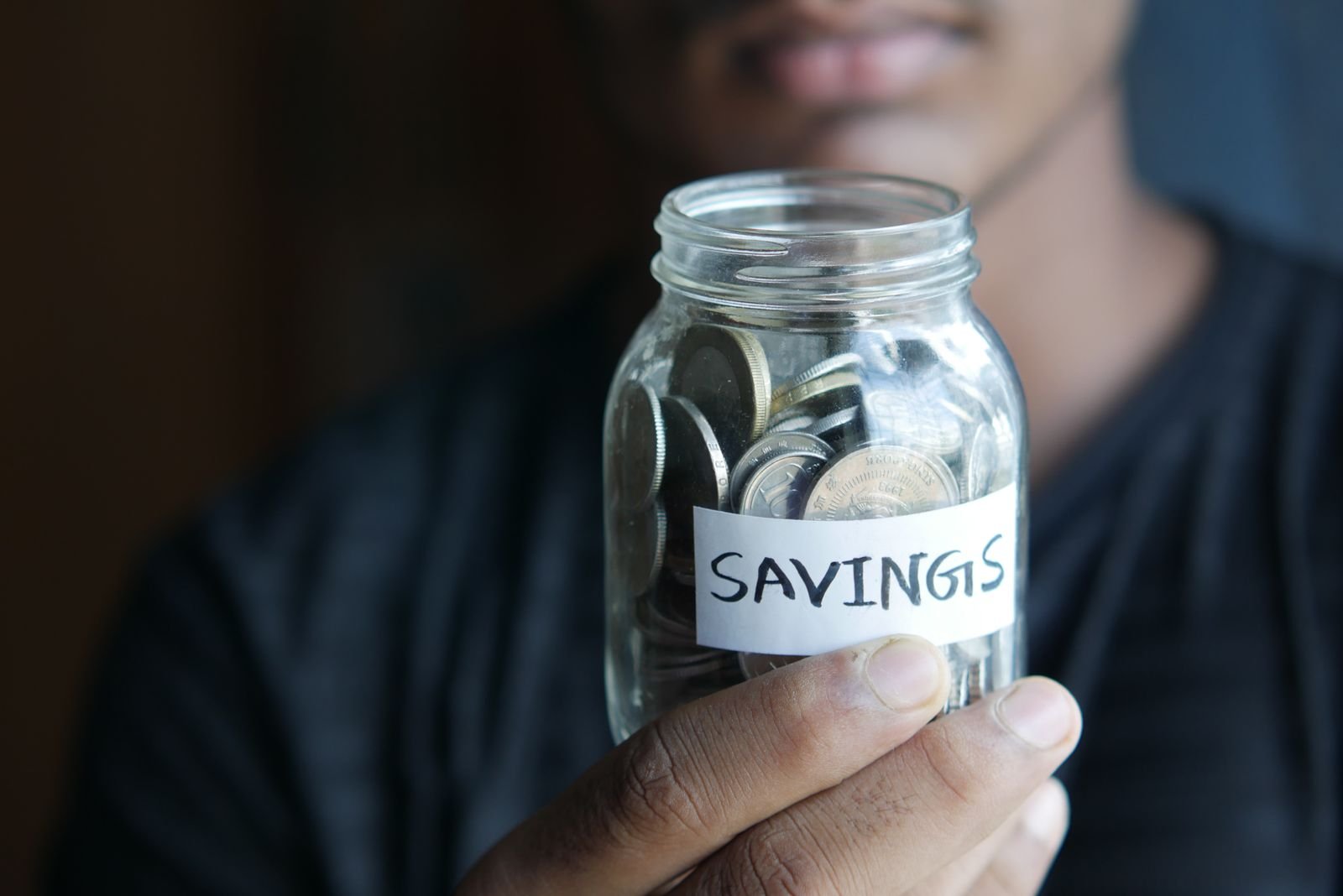
Set aside a small share of every payment for tax, even if you expect to owe nothing. Putting 20 percent into a separate savings pot, or a literal jar, means you will never face a surprise bill. If your income stays below the allowance, that pot simply becomes your reward at the end of the year.
Conclusion: Your First £100 Is Closer Than You Think
Starting a side hustle with no money in the UK is not about finding a secret trick or a perfect idea. It is about selling a skill you already have to people you can already reach, testing the idea quickly and keeping the money side simple. That is the honest answer to how to start a side hustle with no money uk. Sarah from our opening story did exactly this. She offered after school maths help to three families she already knew, charged £25 an hour and earned her first £100 within a fortnight. Nothing about her situation was special. She simply started before she felt ready.
Your own first £100 is closer than it feels right now. Pick one idea from this guide, write your offer in a single sentence and tell ten people this week. The worst outcome is that you learn something useful for free. The best outcome is the start of an income that grows a little every month. Either way, you will be further ahead than you are today, still sitting at the kitchen table wondering where to begin.
Frequently Asked Questions
Can you really start a side hustle with no money in the UK?
Yes, if you sell a service rather than a product. Cleaning, tutoring, dog walking, virtual assistant work and gardening all use skills and time you already have, so your only cost is your time. Avoid any idea that needs stock or paid advertising before your first sale.
How much can I earn from a side hustle with no money?
Most beginners earn £100 to £500 a month in their first few months, depending on the hours they give it and the price they charge. Local services often pay £12 to £35 an hour. Income grows as reviews and repeat customers build up, and some side hustles become full time businesses over time.
Do I need to register with HMRC for a side hustle?
If your total trading income in a tax year is £1,000 or less, the trading allowance usually means you do not need to report it. Once your income passes £1,000, you need to register for Self Assessment as a sole trader. Registration is free and can be done online through GOV.UK.
What is the best side hustle to start with no money?
The best one is the service you can start this week with skills and equipment you already own. For most people that means cleaning, tutoring, dog walking, gardening or virtual assistant work. Choose the idea you can explain in one sentence to a neighbour, then test it with real customers before committing further.
How do I find my first customer for free?
Tell ten people you already know, post your offer in local Facebook and WhatsApp community groups, and leave a card with nearby businesses that serve your ideal customers. Answer every reply quickly and ask happy customers for a short review. Word of mouth from a delighted first customer is the most effective free marketing there is.