
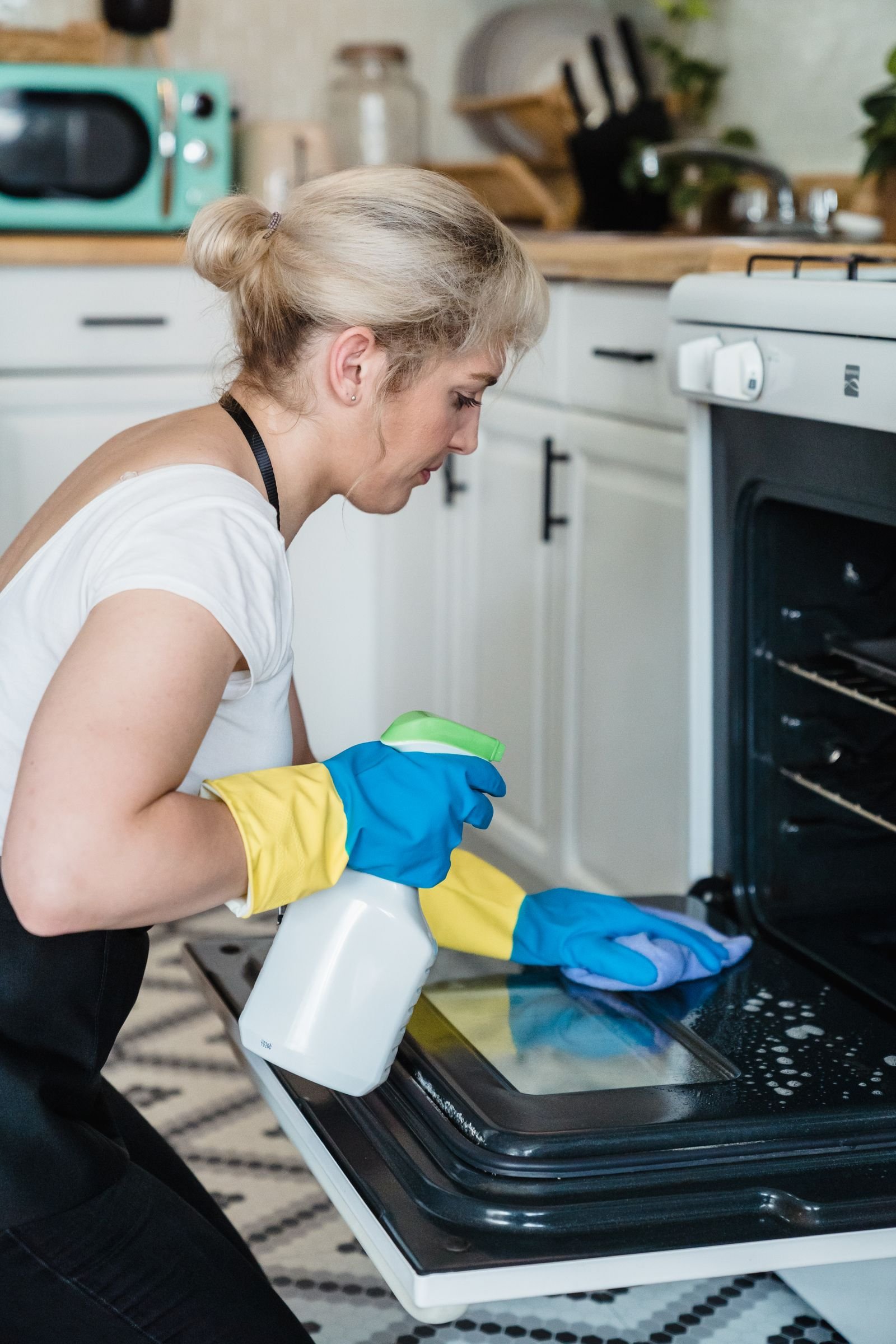
Learning how to start a cleaning business with no money UK is simpler than most people expect. You do not need a loan, a van, a shop or a fancy website. You need a mop, a bucket, a few cloths, a phone and the willingness to knock on doors and clean well. This guide walks you through the whole thing, from the kit under your own sink to your first paying clients, and it is built around a true to life story that shows how little money it really takes to begin.
Sarah lives in Manchester with two children at primary school. In the spring she lost most of her retail hours and her household budget stopped adding up. She had no savings to invest in a new venture and no spare room to turn into an office. What she did have was a home she kept spotless, neighbours who often complimented her tidy house and a few free afternoons each week. Within six weeks she had four regular clients, each paying her for two hours a week, and the money covered the gap her lost hours had left. She spent less than £100 before her first paid clean. This article follows the exact path she took, so you can copy it.
Why a cleaning business works when you have no money
Most businesses need stock, premises or equipment before they earn a penny. A cleaning business is different. The customer provides the home, the dirt and often even some of the products. You provide the time, the care and the basic tools. That is why cleaning sits near the top of every list of businesses you can start with almost nothing.
There are three reasons the maths works in your favour. First, demand is steady all year. Homes get dirty in January and in July, and busy families, older people and working couples all need help. Second, you get paid quickly, often on the day or at the end of the week, so cash starts flowing before you have spent much. Third, your costs stay tiny because you buy supplies only as you need them and you work from home, so there is no rent.
The honest truth is that starting with no money means starting small. You will not have a branded van or a team in matching uniforms in week one. You will have a caddy, a smile and a reputation that grows one clean at a time. That is enough.
What you really need to start
Before you spend anything, look under your own sink. Most homes already hold almost everything a new cleaner needs. A vacuum cleaner, a mop and bucket, a dustpan and brush, a few microfibre cloths, an all purpose spray, a bathroom cleaner, a glass cleaner and a pair of rubber gloves will cover a standard domestic clean. If you own those things, your starting kit costs you nothing at all.
The starter kit and what it costs
If you do need to buy a few items, keep it simple and buy cheap. Supermarkets and pound shops sell perfectly good cloths, sprays and gloves, and you do not need premium brands to do a great job. One detailed UK guide puts the whole starter kit, a year of insurance, flyers, a data protection fee and a criminal record check at about £270, and most of that is insurance and paperwork rather than cleaning products. The products themselves cost well under £50.
Your starter kit list looks like this:
- A caddy or bucket to carry your supplies from room to room
- Microfibre cloths in different colours, one colour per room type if you can
- An all purpose spray, a bathroom cleaner and a glass cleaner
- A mop and bucket, a dustpan and brush and a vacuum cleaner if you have one
- Rubber gloves, bin bags and a small scrubbing brush
- A notebook and pen for prices, times and client notes
Buy the basics first and add specialist products only when a client asks for them. Oven cleaner, limescale remover and wood polish can wait until you have a job that needs them. Spending money before you have income is the one mistake that turns a no money start into a debt.
How to start a cleaning business with no money UK: the legal basics
The paperwork sounds scary but it costs little or nothing and it takes less than an afternoon. Get it right at the start and you will never have to worry about it later.
Register as a sole trader
Most cleaners start as a sole trader because it is free and simple. You are the business. You keep the profits and you are responsible for the tax. You can start trading straight away, and you must register with HMRC for Self Assessment once you earn more than £1,000 in a tax year. The tax year runs from 6 April to 5 April, and you must register by 5 October after the end of the tax year in which you started. The GOV.UK website walks you through the form in about ten minutes.
A limited company is the other option, but it costs money to set up and adds paperwork, so leave it until your income justifies it. Many cleaners trade as sole traders for years and never need anything else.
Get insured before your first job
Public liability insurance is not a legal requirement, but you should still have it before you clean inside a stranger’s home. It covers damage to a client’s property and injury to other people while you work. Quotes commonly start at around £50 a year, which works out at about £1 a week. That is cheap protection for the day you knock over a vase or spill bleach on a carpet. Some clients will ask to see proof of insurance before they hire you, so it also helps you win work.
Consider a basic DBS check
Clients hand you their keys and trust you alone in their home. A basic criminal record check, known as a DBS check in England and Wales, shows you have nothing to hide and costs around £20. It is not required by law for domestic cleaners, but it is a strong trust signal, especially with older clients and families. Keep the certificate somewhere safe and mention it in your flyer and your first message to a new client.
Know the VAT threshold
You do not need to register for VAT until your taxable turnover goes over £90,000 in a rolling 12 months. Almost no new cleaning business reaches that figure in its first year, so you can safely ignore VAT for now and revisit it only if your income grows a lot.
Keep records from day one
Write down every payment you receive and every pound you spend on supplies, travel and insurance. A simple notebook works fine at the start, and it keeps your tax return painless. If you want a system that costs nothing and needs no software, read our guide on how to keep track of business expenses without software, which shows a paper based method that suits a small cleaning round perfectly.
Work out your prices before your first clean
Pricing is where most new cleaners go wrong, and it is usually because they charge too little. Your price must cover your time, your supplies, your travel and a little profit, or the business will slowly drain you. Work it out on paper before you quote anyone a figure.
Most domestic cleaners in the UK charge between £14 and £20 an hour, with higher rates in London and the South East and lower rates in smaller towns. Start by checking what other local cleaners charge. Look at local Facebook groups, community noticeboards and small ads. Then pick a rate in the middle of the local range. Charging the lowest price in town wins you work fast but leaves you exhausted and broke. Charging a fair price and doing an excellent job wins you clients who stay.
Think about how you charge. An hourly rate is simplest for regular weekly cleans. A fixed price per clean works better for one off jobs like an end of tenancy clean, where the time needed is hard to guess. For fixed price jobs, visit the property first or ask for photos, then quote a firm figure. Never guess a fixed price over the phone for a home you have not seen.
Remember the hidden costs. Travel between clients eats time and fuel, so price your round so that gaps between jobs are short. If you drive, keep a simple record of your miles because they matter at tax time. Our guide on how to keep track of business mileage UK shows a free method that takes two minutes a day. Supplies cost a few pounds per clean, so add a small amount to your rate to cover them rather than paying for them out of your own pocket.

Find your first paying clients without spending on adverts
Your first clients will almost certainly come from people you already know. Tell everyone that you have started a cleaning business. Tell your neighbours, your school gate friends, your family, your old work colleagues and your local shopkeeper. Word of mouth is free and it is the most powerful advertising a cleaner can have, because people trust a recommendation from someone they know far more than any advert.
Offer your first two or three cleans at a fair price to people in your own street or your own building. Do a superb job and ask each person if they know anyone else who might need help. One happy client who tells two friends is worth more than a hundred flyers. Sarah’s first client was her neighbour, who then recommended her to two friends on the same street. Within a month she was cleaning four homes on one road, which kept her travel time at almost zero.
Use free local groups and noticeboards
Local Facebook community groups, neighbourhood apps and parish noticeboards are free and full of people looking for a reliable cleaner. Write a short post that says who you are, where you work, what you charge and that you are insured and DBS checked. Add a clear photo of yourself and your kit. Reply to every comment quickly and politely, even the ones that only ask for your number. Speed matters, because the first cleaner to reply usually gets the job.
Make a simple flyer
A flyer costs almost nothing if you print a small batch at home or at the library. Keep it simple: your name, your phone number, the areas you cover, your hourly rate and three short lines about what you offer, such as regular weekly cleans, one off deep cleans and end of tenancy cleans. Put flyers through doors on streets near your home and pin one on the noticeboard at the supermarket, the library and the community centre. Always ask permission before you pin anything up.

Run your first cleans like a professional
Professional is a habit, not a uniform. Arrive on time, every time. Wear clean clothes and tidy shoes. Bring your own supplies unless the client prefers you to use theirs. Start at the top of the house and work down, and clean the dirtiest rooms last so you do not carry dirt into clean rooms. Finish by checking your work the way a client would, walking through each room with fresh eyes before you leave.
Agree the job in advance. Before your first clean for a new client, ask what matters most to them. Some people care most about the kitchen and bathrooms. Others want the floors and the dusting done properly. Write their priorities in your notebook and follow them every visit. A short chat at the start prevents a disappointed client at the end.
Respect the home. Never open drawers or cupboards you have not been asked to clean. Never eat the client’s food or use their phone charger without asking. Small courtesies like these are what turn a one off clean into a weekly booking. If you break something, say so straight away and offer to put it right. Honesty keeps clients. Hiding a breakage loses them forever.
Keep your working hours realistic. Four hours of cleaning a day is a good start for one person, and it leaves time for travel, messages and admin. Pushing yourself to eight hours of scrubbing on day one leads to sore knees, rushed work and a bad review. Build your round slowly and let your body and your diary adjust together.
If cleaning every day does not suit you, remember there are other home based businesses that start with almost no money. If you would rather earn from a desk than a mop bucket, read our guide on how to start a virtual assistant business from home UK and compare the two before you commit.
Mistakes that cost new cleaners money
The first mistake is undercharging. A rate that barely covers your costs feels generous in week one and feels like a trap by month three. Put your rate up for new clients first, then for existing clients with a month of notice and a clear explanation.
The second mistake is saying yes to every job. A client who lives an hour away, wants a four hour clean in two hours or argues about your rate will cost you more than they pay you. It is better to have three good clients than six difficult ones.
The third mistake is skipping the paperwork. A cleaner with no insurance and no records is one accident away from a bill they cannot pay and one tax return away from a panic. Ten minutes of admin a week prevents both.
The fourth mistake is buying too much kit too soon. Specialist machines, branded uniforms and a printed price list can all wait. Your first £100 of profit should go into your pocket, not into a shop.
Your first month plan
Week one is for setting up. Register as a sole trader, get your insurance quote, book your DBS check and gather your kit from home and the supermarket. Tell everyone you know that you are starting, and post in two local groups.
Week two is for winning work. Deliver flyers on two streets near your home, reply to every message within an hour and book your first two or three cleans, even if they are one off jobs rather than regular bookings. Do each one brilliantly and ask for a recommendation.
Week three is for settling in. You should now have a small round forming. Write down what each client wants, agree regular times and start a simple routine for each home. Keep your records tidy and set aside money for tax from every payment.
Week four is for reviewing. Add up what you earned and what you spent. Put your rate up for new clients if your diary is full. Ask your best clients for a short written recommendation you can show to new enquiries. Then repeat the whole month, a little bigger each time.
Conclusion: start small, start now
Knowing how to start a cleaning business with no money UK comes down to three simple truths. The kit is cheap and mostly already in your home. The paperwork is free and takes an afternoon. And the clients are all around you, in your street, your school gate and your local groups, waiting for someone reliable to help them. Sarah started with less than £100 and a few free afternoons. You can do the same. Pick your rate, print a few flyers, tell your neighbours and book your first clean this week. The business grows one sparkling room at a time.
Frequently asked questions
Do I need money to start a cleaning business in the UK?
No. Most people can start with the supplies already in their home and spend well under £100 on extras. The main costs are public liability insurance from around £50 a year and a basic DBS check at around £20.
Do I need to register my cleaning business with HMRC?
Yes, once you earn more than £1,000 in a tax year you must register as a sole trader for Self Assessment. Registration is free and you must register by 5 October after the end of the tax year in which you started trading.
How much should I charge for cleaning in the UK?
Most domestic cleaners charge between £14 and £20 an hour, depending on the area. Check local rates first, then set a fair price in the middle of the local range and review it as your diary fills up.
Do I need insurance to clean houses?
Public liability insurance is not a legal requirement, but you should have it before your first job. It protects you if you damage property or someone is injured, and many clients ask to see proof before they hire you.
How do I find my first cleaning clients with no budget?
Tell everyone you know, post in free local community groups and put simple flyers through doors near your home. Your first clients usually come from personal recommendations, so do a superb job for your first two or three clients and ask each one to recommend you.